
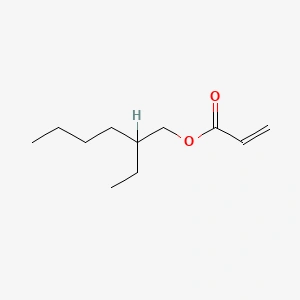
2-Ethylhexyl acrylate
2-Ethylhexyl acrylate, identified by CAS number 103-11-7, is a versatile acrylate monomer characterized as a clear, colorless liquid with a distinctive, sharp odor. This hydrophobic ester is widely utilized in the production of homopolymers and copolymers, where it imparts essential properties such as internal plasticization, low-temperature flexibility, and excellent water resistance. Due to its low glass transition temperature, it is a critical building block for materials requiring softness and tackiness.
In industrial handling, 2-ethylhexyl acrylate is typically stabilized with inhibitors like hydroquinone monomethyl ether (MEHQ) to prevent premature polymerization. It is considered a reactive monomer that must be stored in cool, well-ventilated areas away from direct sunlight and heat sources. Its chemical stability and compatibility with other monomers, such as methyl methacrylate and vinyl acetate, make it an indispensable component in high-performance polymer synthesis for various industrial and research applications.
• Pressure-Sensitive Adhesives: One of the primary applications of 2-ethylhexyl acrylate is in the formulation of pressure-sensitive adhesives (PSAs). Its ability to significantly lower the glass transition temperature of polymer chains makes it ideal for creating tapes, labels, and decals that require high initial tack and long-term adhesion to diverse substrates, including low-energy surfaces.
• Surface Coatings and Paints: This monomer is extensively used in the production of acrylic resins for architectural and industrial coatings. It enhances the weatherability, UV resistance, and flexibility of the final film, preventing cracking and peeling over time. These coatings are valued for their durability and aesthetic retention in both interior and exterior environments.
• Textiles and Leather Finishing: In the textile industry, 2-ethylhexyl acrylate is employed to produce binders and finishes that improve the hand-feel and water repellency of fabrics. It is also used in leather treatment processes to provide a soft, flexible protective layer that maintains the natural texture of the material while increasing its resistance to abrasion and environmental degradation.
• Plastics and Chemical Intermediates: Beyond coatings and adhesives, it serves as a co-monomer in the synthesis of specialized plastics and elastomers. It is also utilized as a chemical intermediate in the production of various organic compounds, contributing to the development of sealants, caulks, and non-woven fiber binders where elasticity and moisture resistance are paramount.
Product Name: 2-Ethylhexyl acrylate
For global customers, we provide complete technical documentation to support product evaluation, regulatory compliance and safe handling during transportation and application.