
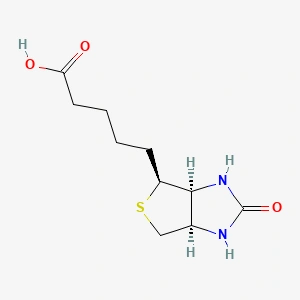
Biotin
Biotin, identified by CAS number 58-85-5, is a water-soluble B-complex vitamin essential for various metabolic processes across diverse biological systems. Chemically, it is a heterocyclic, sulfur-containing monocarboxylic acid that typically appears as a white to off-white crystalline powder. It is recognized for its high stability under standard storage conditions, though it remains sensitive to extreme heat and strong oxidizing agents, requiring careful handling in industrial environments.
In research and industrial contexts, Biotin serves as a critical biochemical tool due to its exceptionally strong non-covalent affinity for streptavidin and avidin. This unique binding property makes it indispensable for labeling, purification, and detection assays. Beyond the laboratory, it is a fundamental ingredient in the formulation of nutritional supplements, animal feed additives, and personal care products, where it functions as a key component in supporting enzymatic activities related to fatty acid synthesis and gluconeogenesis.
• In the biotechnology and life sciences sectors, Biotin is extensively utilized for the biotinylation of proteins, nucleic acids, and other biomolecules. Its high-affinity binding with avidin or streptavidin allows for the development of sensitive diagnostic assays, including ELISA and western blotting, as well as the efficient purification of complex biological samples through affinity chromatography.
• Within the food and animal nutrition industries, this compound is integrated into premixes and fortified products to ensure adequate intake of this essential micronutrient. It plays a vital role as a cofactor for carboxylase enzymes involved in the metabolism of fatty acids, amino acids, and glucose, thereby supporting overall metabolic health in livestock and poultry.
• In the cosmetic and personal care industry, Biotin is frequently incorporated into topical formulations such as shampoos, conditioners, and skin creams. It is valued for its role in maintaining the structural integrity of keratinized tissues, making it a staple ingredient in products designed for hair and nail care applications.
• For chemical synthesis and pharmaceutical research, Biotin acts as a versatile building block or intermediate. Its specific molecular structure allows for the creation of targeted delivery systems and molecular probes, facilitating advanced studies into cellular signaling pathways and enzyme kinetics without compromising the biological activity of the conjugated molecules.
Product Name: Biotin
For global customers, we provide complete technical documentation to support product evaluation, regulatory compliance and safe handling during transportation and application.