
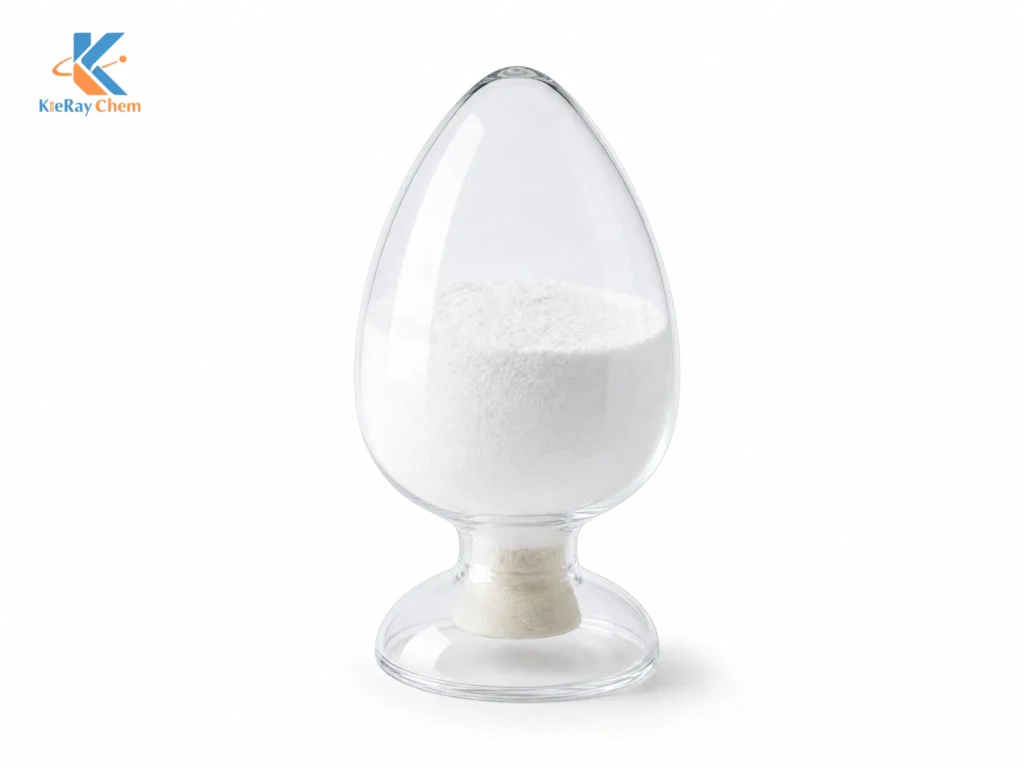
Cellulose Acetate
Cellulose Acetate, identified by CAS number 9004-35-7, is a versatile thermoplastic polymer produced through the acetylation of natural cellulose, typically derived from wood pulp or cotton linters. This chemical modification enhances the solubility and processability of the base cellulose while retaining its inherent biodegradability and structural integrity. As a semi-synthetic material, it exhibits excellent clarity, high mechanical strength, and a characteristic gloss, making it a preferred choice for applications requiring both aesthetic appeal and functional durability.
In industrial and research settings, Cellulose Acetate is valued for its compatibility with various plasticizers and its ability to be cast into thin, transparent films or spun into fine fibers. It is generally stable under standard storage conditions but requires careful handling to avoid exposure to strong acids or bases which may cause deacetylation. Its unique combination of renewable origins and high-performance physical properties ensures its continued relevance across diverse manufacturing sectors, from advanced filtration technologies to specialized consumer goods.
• In the textile and apparel industry, Cellulose Acetate is widely utilized to produce acetate fibers, which are prized for their silk-like luster, soft drape, and excellent dyeability. These fibers are commonly found in high-quality garment linings, evening wear, and home furnishings where a luxurious feel and appearance are desired.
• The material serves as a critical component in the production of high-performance filtration media, most notably in the manufacture of cigarette filters and specialized laboratory membranes. Its controlled porosity and chemical resistance allow for the effective removal of particulate matter and specific chemical constituents from gas or liquid streams.
• Within the plastics and film sectors, it is extensively used to manufacture transparent sheet stock, tool handles, and optical frames. Its exceptional clarity and impact resistance make it ideal for high-end eyewear and photographic film bases, providing a stable substrate that resists yellowing and maintains dimensional stability over time.
• Cellulose Acetate also finds significant application in the development of controlled-release drug delivery systems and specialized coatings. Its semi-permeable nature allows for the precise regulation of moisture and active ingredient diffusion, making it a valuable excipient in advanced pharmaceutical formulations and technical coating applications.
Product Name: Cellulose Acetate
For global customers, we provide complete technical documentation to support product evaluation, regulatory compliance and safe handling during transportation and application.