
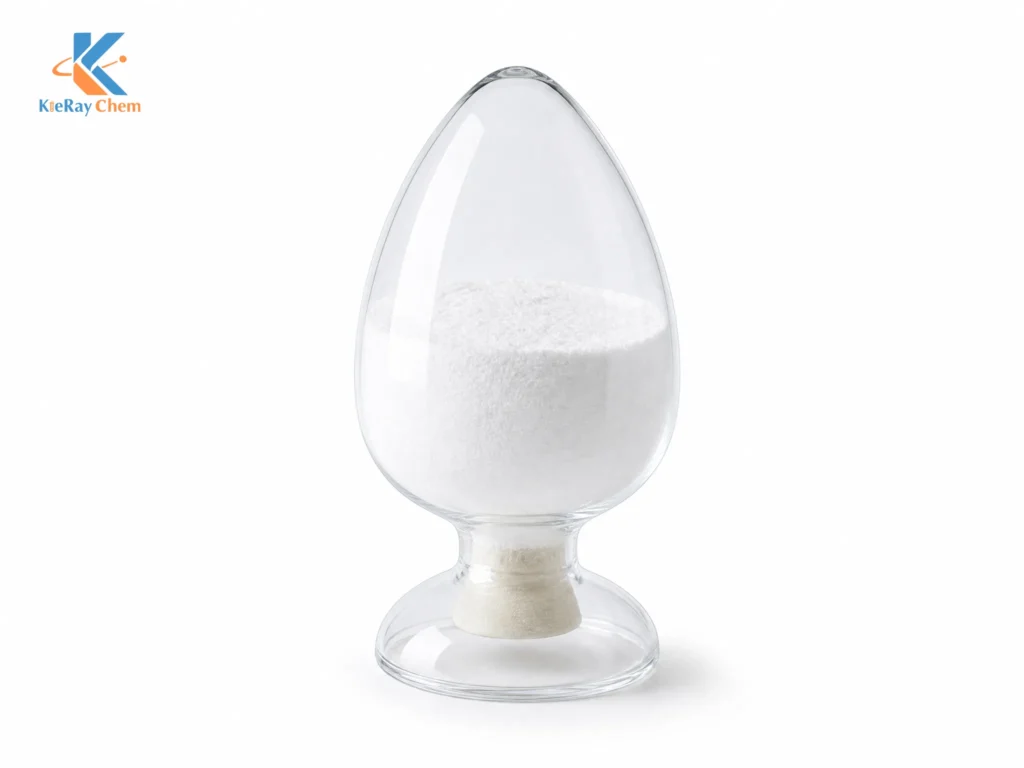
Cholestyramine resin
Cholestyramine resin is a strong basic anion-exchange resin, typically composed of a styrene-divinylbenzene copolymer with quaternary ammonium functional groups. It is primarily recognized for its ability to bind bile acids in the gastrointestinal tract, forming insoluble complexes that are subsequently excreted in the feces. This mechanism prevents the reabsorption of bile acids, thereby stimulating the liver to convert cholesterol into new bile acids to replenish the supply.
Beyond its lipid-lowering capabilities, this resin is utilized in various pharmaceutical and biochemical applications due to its high affinity for anionic molecules. It appears as a white to off-white, hygroscopic powder that is insoluble in water and organic solvents. Its stability and ion-exchange properties make it a reliable component in specialized drug delivery systems and analytical chemistry processes where the removal or sequestration of specific acidic compounds is required.
• In pharmaceutical formulations, cholestyramine resin serves as a primary active ingredient for treating hypercholesterolemia. By sequestering bile acids, it effectively lowers low-density lipoprotein (LDL) cholesterol levels in the blood. It is also employed to alleviate pruritus associated with partial biliary obstruction, where the accumulation of bile salts in the skin causes significant discomfort.
• The resin is extensively used in medical research and clinical toxicology to facilitate the elimination of certain toxins and drugs from the body. Because it binds to acidic substances, it can interfere with the enterohepatic circulation of specific lipophilic chemicals and poisons, such as organochlorine pesticides or digitalis glycosides, thereby accelerating their clearance through the digestive system.
• In the field of analytical chemistry and biotechnology, cholestyramine is utilized for the purification and separation of organic acids and anionic proteins. Its robust ion-exchange capacity allows for the selective removal of impurities from complex mixtures, making it a valuable tool in laboratory settings for sample preparation and the stabilization of sensitive biochemical reagents.
• Additionally, it finds application in the development of controlled-release drug delivery systems. By forming resinates with acidic drug molecules, manufacturers can modulate the release profile of medications, improving bioavailability and patient compliance while reducing potential side effects associated with rapid drug absorption.
Product Name: Cholestyramine resin
For global customers, we provide complete technical documentation to support product evaluation, regulatory compliance and safe handling during transportation and application.