
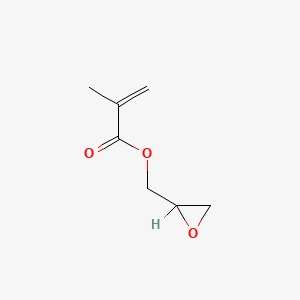
Glycidyl methacrylate, identified by CAS 106-91-2, is a versatile and highly reactive bifunctional monomer characterized by the presence of both an epoxy group and a polymerizable vinyl group. This unique chemical structure allows it to undergo a wide range of chemical reactions, including free-radical polymerization through the methacrylate double bond and ring-opening reactions via the glycidyl moiety. As a colorless liquid with a distinct odor, it serves as a critical bridge between acrylic and epoxy resin technologies, enabling the synthesis of specialized polymers with tailored functionalities.
In industrial and research settings, glycidyl methacrylate is valued for its ability to introduce reactive epoxy sites into polymer backbones, which can subsequently be cross-linked or further modified. Due to its high reactivity, it is typically handled with care, often requiring stabilization with inhibitors to prevent spontaneous polymerization during storage and transport. Its dual-functionality makes it an indispensable raw material for developing high-performance materials that demand excellent adhesion, chemical resistance, and mechanical durability.