
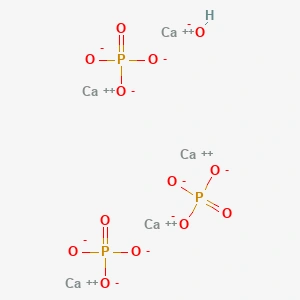
Hydroxyapatite, identified by CAS number 1306-06-5, is a naturally occurring mineral form of calcium apatite that serves as the primary inorganic component of vertebrate bone and tooth enamel. Chemically characterized by its crystalline structure and high calcium-to-phosphorus ratio, this material is highly valued for its exceptional biocompatibility and bioactivity. In its synthetic form, it typically appears as a fine white powder that maintains structural stability across a range of environmental conditions.
Beyond its biological significance, hydroxyapatite is a versatile material in material science and industrial chemistry. Its unique surface chemistry allows for effective ion exchange and adsorption, making it a subject of extensive research in chromatography and environmental remediation. The material’s ability to integrate seamlessly with biological tissues without eliciting significant immune responses makes it a cornerstone of modern biomaterial engineering and advanced ceramic production.