
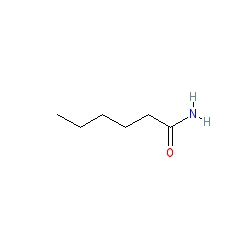
Nylon 6, also known by its chemical identity polycaprolactam and identified by CAS 25038-54-4, is a versatile semicrystalline polyamide synthesized through the ring-opening polymerization of epsilon-caprolactam. Unlike Nylon 6,6, which is formed from two monomers, Nylon 6 consists of a single monomer type, resulting in a distinct molecular structure that offers a lower melting point but superior surface aesthetics and processability. This material is characterized by its exceptional toughness, high tensile strength, and significant resistance to abrasion and chemical degradation, making it a staple in both industrial and research environments.
In handling and processing contexts, Nylon 6 is notably hygroscopic, meaning it readily absorbs moisture from the environment, which can influence its dimensional stability and mechanical properties. Consequently, precise moisture control and pre-processing drying are essential to maintain its structural integrity. Its combination of elasticity and durability ensures its continued value as a high-performance engineering plastic and a foundational material for synthetic fiber production across various global industries.