
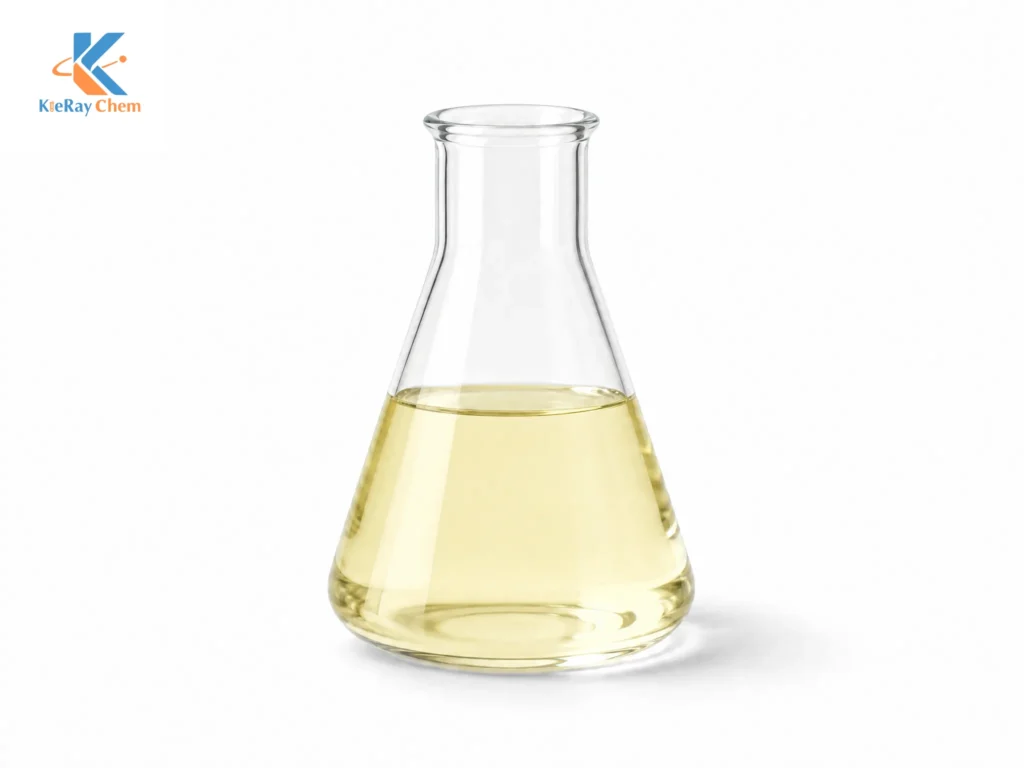
Polyether-modified silicone oil, identified by CAS 68937-54-2, is a versatile non-ionic surfactant belonging to the class of organosilicon compounds. It is synthesized by grafting polyether chains, typically ethylene oxide or propylene oxide, onto a polydimethylsiloxane backbone. This unique molecular architecture combines the low surface tension and lubricity of silicone with the hydrophilicity and solubility of polyethers. The resulting copolymer exhibits excellent water solubility or dispersibility, making it an essential additive in formulations where traditional silicone oils would be incompatible.
In industrial and research settings, this material is valued for its superior wetting, foaming, and emulsifying capabilities. It functions effectively across a wide temperature range and maintains stability in various chemical environments. Handling this substance requires standard industrial hygiene practices, as it is generally characterized by low volatility and high chemical stability. Its ability to bridge the gap between aqueous and non-aqueous phases makes it a critical component for developing advanced materials and high-performance chemical blends.