
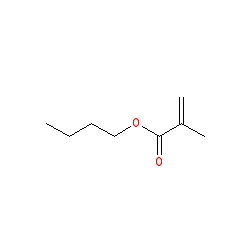
Poly(n-butyl methacrylate), identified by CAS number 9003-63-8, is a versatile thermoplastic acrylic resin synthesized from the polymerization of n-butyl methacrylate monomers. Characterized by its excellent clarity, flexibility, and inherent resistance to ultraviolet degradation, this polymer serves as a critical component in various industrial formulations. Unlike its more rigid counterpart, poly(methyl methacrylate), this material exhibits a lower glass transition temperature, providing a softer and more elastic profile that is highly valued in applications requiring durability without brittleness.
In industrial and research settings, poly(n-butyl methacrylate) is appreciated for its broad solubility in organic solvents, including aromatic hydrocarbons, esters, and ketones. This solubility allows for easy incorporation into liquid systems, where it acts as a film-former or binder. The material is generally handled as solid beads or in solution, maintaining stability under standard storage conditions. Its chemical stability and compatibility with other resins make it a preferred choice for developing high-performance coatings and specialized adhesive systems.