
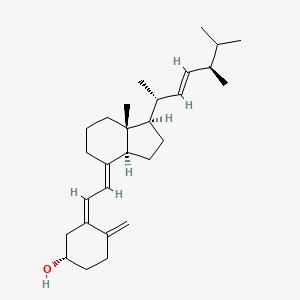
Vitamin D2, scientifically known as ergocalciferol, is a fat-soluble secosteroid belonging to the vitamin D family. It is synthesized through the photochemical activation of ergosterol, a sterol found in fungi, yeast, and certain plants, when exposed to ultraviolet radiation. Chemically, it is characterized by its crystalline structure and its solubility in organic solvents like ethanol and oils, while remaining insoluble in water. This material is highly sensitive to environmental factors such as oxygen, light, and elevated temperatures, which necessitates specialized handling and storage protocols to prevent degradation.
In industrial and research contexts, ergocalciferol serves as a vital raw material for the development of diverse chemical formulations. Its unique molecular structure makes it a subject of extensive study in organic synthesis and biochemistry. As a high-purity compound, it is utilized across various sectors to ensure consistent quality in end-products. Its role as a stable precursor allows manufacturers to integrate it into complex delivery systems, ranging from oil-based solutions to dry powder premixes, depending on the specific requirements of the application.