English | 中文 | Español

Reagent Grade

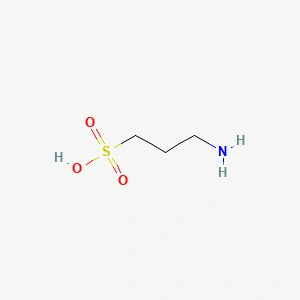
Homotaurine

Homotaurine, also known as 3-aminopropane-1-sulfonic acid or tramiprosate, is a sulfonic acid compound used in pharmaceutical and nutritional research. It is a naturally occurring sulfonic acid found in seaweed and is involved in neurological and metabolic pathways. This compound is used as a building block in the synthesis of active pharmaceutical ingredients and dietary supplements.
Homotaurine Read More »

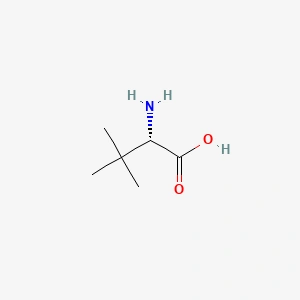
L-tert-Leucine

L-tert-Leucine is a branched-chain amino acid used as a building block in peptide synthesis and pharmaceutical research. It contains a tert-butyl side chain that provides steric hindrance and improves stability in peptide sequences. This compound is widely used in the synthesis of active pharmaceutical ingredients and specialty chemicals. It is supplied as a white crystalline

L-tert-Leucine Read More »

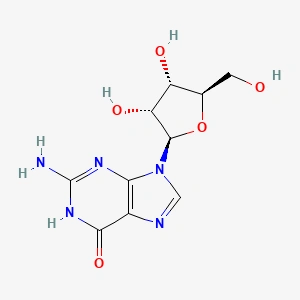
Guanosine

Guanosine is a purine nucleoside composed of guanine attached to a ribose sugar. It is an important building block in nucleic acid research and is used in the synthesis of nucleotide analogues. Guanosine is also involved in cellular signaling and energy transfer pathways. It is supplied as a white crystalline powder with high purity and

Guanosine Read More »

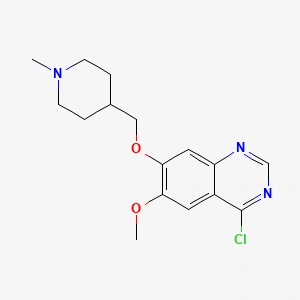
Vandetanib Impurity 1

Vandetanib Impurity 1 (CAS: 264208-72-2) is a specialized quinazoline derivative characterized by specific chloro, methoxy, and methylpiperidinyl-methoxy substituents on its core ring structure. It typically presents as a white to off-white powder under standard laboratory conditions. As a specifically identified and characterized pharmaceutical impurity, it represents a critical reference material for rigorous quality control and

Vandetanib Impurity 1 Read More »

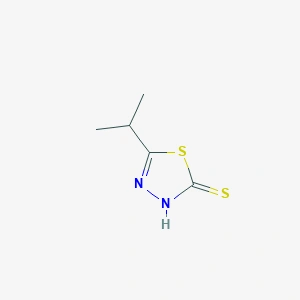
5-Isopropyl-1,3,4-thiadiazole-2-thiol

5-Isopropyl-1,3,4-thiadiazole-2-thiol (CAS: 37663-52-8) is a specialized heterocyclic organic compound featuring a five-membered thiadiazole ring substituted with an isopropyl group and a highly reactive thiol moiety. It generally presents as a white to pale yellow solid under standard conditions. This specific structural configuration provides unique coordinating abilities and distinct reactivity profiles that are highly suitable for

5-Isopropyl-1,3,4-thiadiazole-2-thiol Read More »

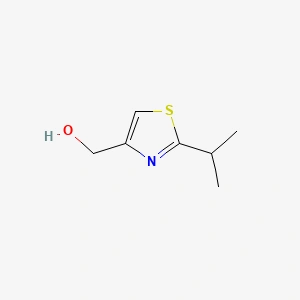
(2-Isopropylthiazol-4-yl)methanol

(2-Isopropylthiazol-4-yl)methanol (CAS: 133047-45-7) is a specialized heterocyclic compound featuring both a thiazole ring and an isopropyl substituent. It typically presents as a colorless to light yellow liquid or low-melting solid under standard laboratory conditions. This unique structural arrangement, combining a nitrogen-sulfur heterocycle with a versatile hydroxyl group, makes it a highly valuable building block in

(2-Isopropylthiazol-4-yl)methanol Read More »

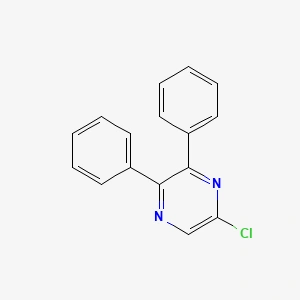
5-Chloro-2,3-diphenylpyrazine

5-Chloro-2,3-diphenylpyrazine, identified by CAS: 41270-66-0, is a specialized heterocyclic organic compound belonging to the pyrazine family. It features a pyrazine core substituted with two phenyl groups at the 2 and 3 positions and a chlorine atom at the 5 position. This specific substitution pattern makes it a valuable precursor in the synthesis of more complex

5-Chloro-2,3-diphenylpyrazine Read More »

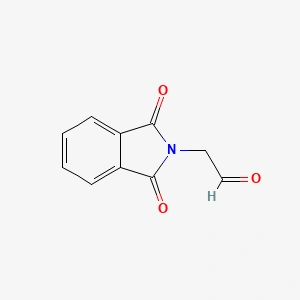
Phthalimidoacetaldehyde

Phthalimidoacetaldehyde (CAS: 2913-97-5) is a specialized organic intermediate that features a phthalimide protecting group linked to an acetaldehyde functional unit. It is widely recognized as a stable equivalent of aminoacetaldehyde, a compound that is notoriously difficult to handle in its unprotected form due to its tendency to undergo self-condensation. By masking the amine as a

Phthalimidoacetaldehyde Read More »

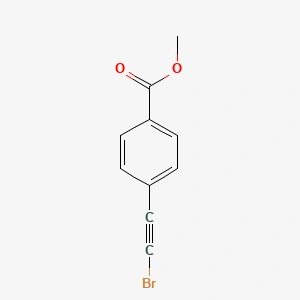
Methyl 4-(bromoethynyl)benzoate

Methyl 4-(bromoethynyl)benzoate, identified by CAS: 225928-10-9, is a specialized organic building block characterized by its terminal bromoalkyne group attached to a benzoate moiety. This compound serves as a versatile intermediate in modern synthetic chemistry, particularly in the construction of complex conjugated systems and rigid-rod molecular architectures. Its structural features make it highly reactive in metal-catalyzed

Methyl 4-(bromoethynyl)benzoate Read More »

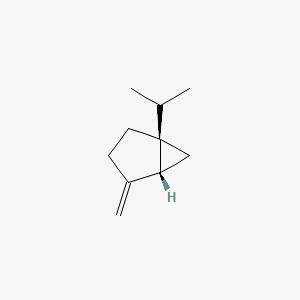
(+)-Sabinene

(+)-Sabinene, identified by CAS: 2009-00-9, is a natural bicyclic monoterpene found in a variety of essential oils, most notably those derived from black pepper, nutmeg, and marjoram. It is characterized by its distinct spicy, woody, and peppery aroma, which makes it a valuable component in the fragrance and flavor industries. As a chiral molecule, the

(+)-Sabinene Read More »

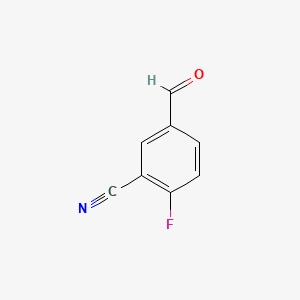
2-Fluoro-5-formylbenzonitrile

2-Fluoro-5-formylbenzonitrile, identified by CAS 218301-22-5, is a specialized organic intermediate characterized by the presence of both a nitrile group and an aldehyde (formyl) group on a fluorinated benzene ring. This unique substitution pattern makes it a highly reactive and valuable building block in modern synthetic chemistry. The electron-withdrawing nature of the cyano and fluoro groups,

2-Fluoro-5-formylbenzonitrile Read More »

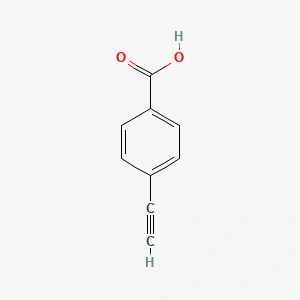
4-Ethynylbenzoic acid

4-Ethynylbenzoic acid (CAS: 10602-00-3) is a specialized organic building block that features both a carboxylic acid group and a terminal alkyne functional group attached to a benzene ring at the para position. This unique bifunctional structure makes it an essential intermediate in the field of organic synthesis, enabling the creation of complex molecular frameworks through

4-Ethynylbenzoic acid Read More »

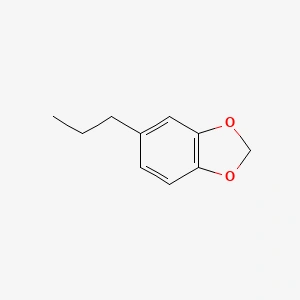
Dihydrosafrole

Dihydrosafrole (CAS: 94-58-6), also known as 5-propyl-1,3-benzodioxole, is a chemical compound belonging to the benzodioxole class, specifically representing the saturated derivative of safrole. It is characterized by the presence of a methylenedioxy group fused to a benzene ring that carries a propyl side chain. This structure makes it a stable aromatic ether with specific chemical

Dihydrosafrole Read More »

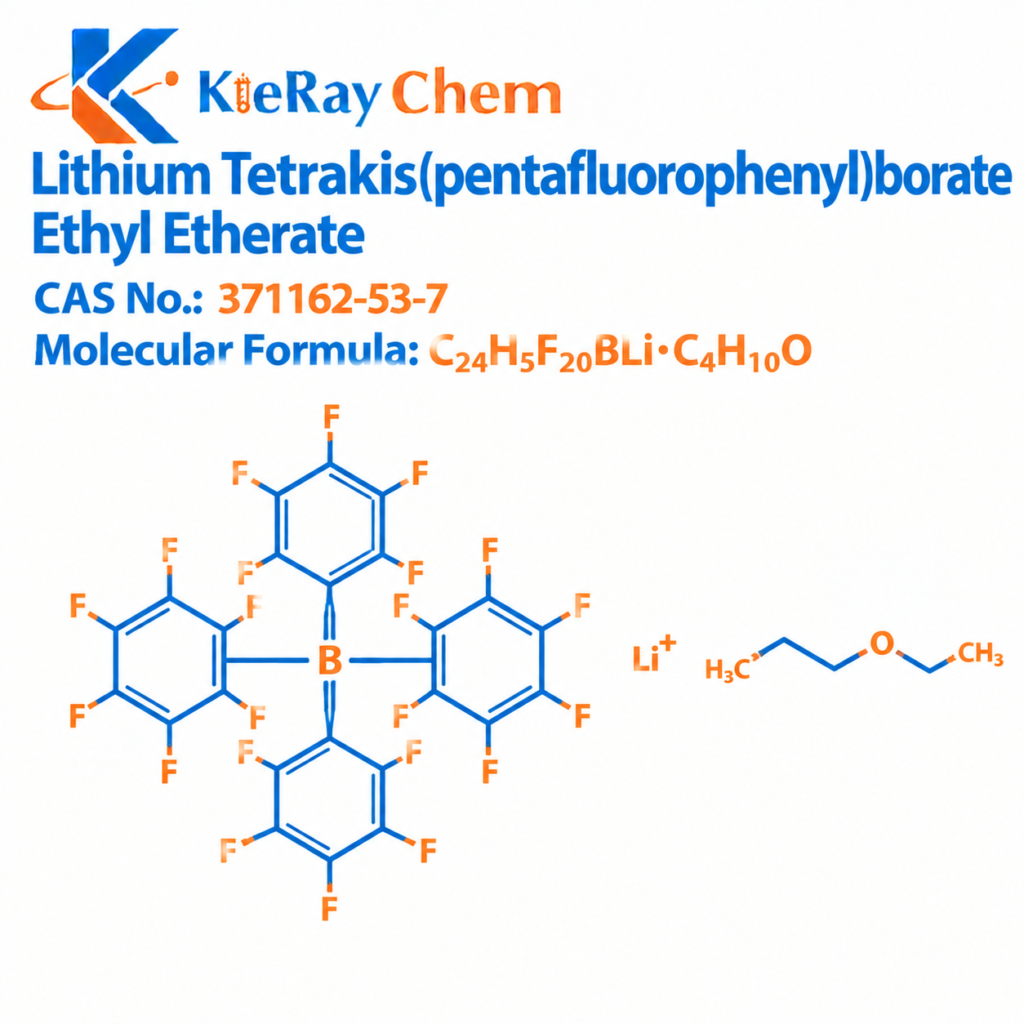
Lithium Tetrakis(pentafluorophenyl)borate Ethyl Etherate

Lithium Tetrakis(pentafluorophenyl)borate Ethyl Etherate (CAS:371162-53-7) is a weakly coordinating anion salt used to generate highly active cationic metal complexes. It is essential in homogeneous catalysis, polymerization and organometallic chemistry, where its stable, non-coordinating borate anion dramatically enhances catalyst activity and selectivity. Quality is locked down at every stage: production follows standardized parameters, and each Reagent

Lithium Tetrakis(pentafluorophenyl)borate Ethyl Etherate Read More »

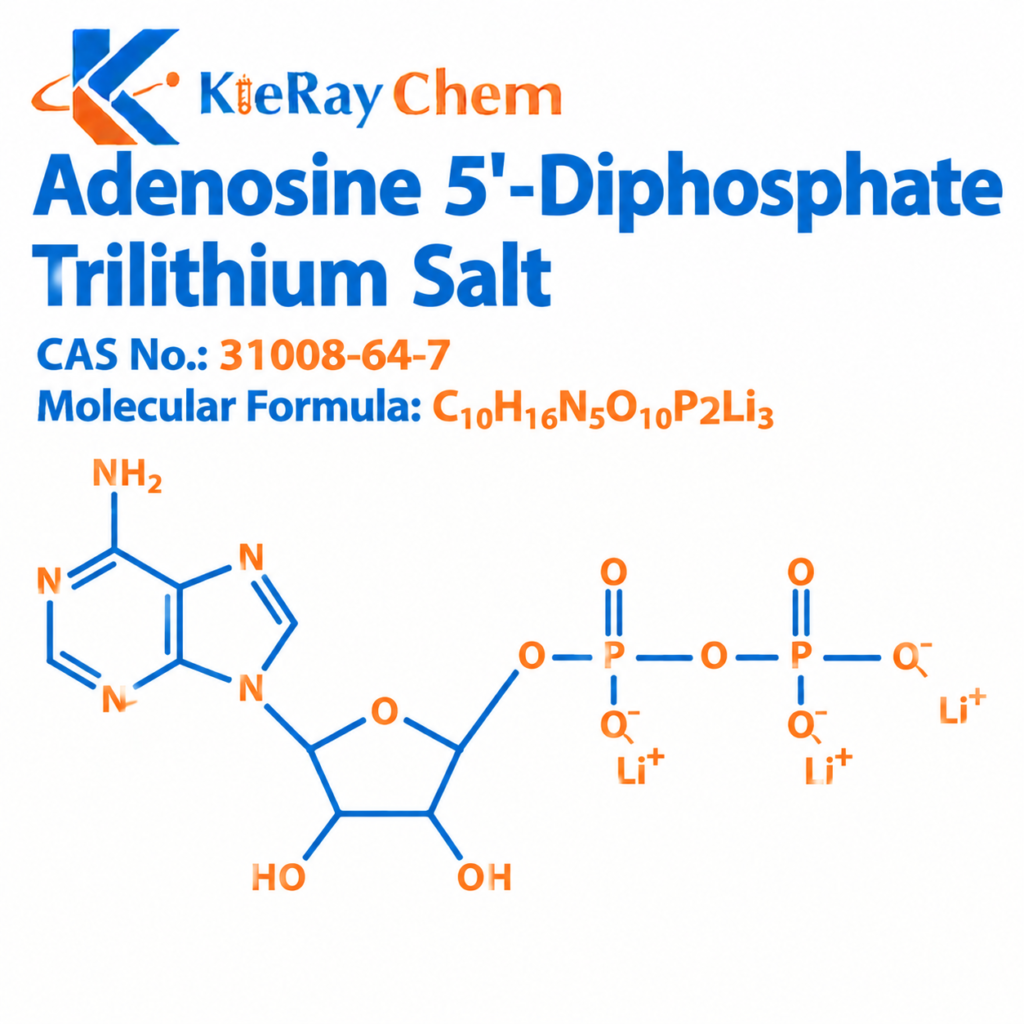
Adenosine 5′-Diphosphate Trilithium Salt

Adenosine 5′-Diphosphate Trilithium Salt (CAS:31008-64-7) is the highly water-soluble trilithium form of the essential energy metabolite ADP. It is widely used as a biochemical reagent in enzyme assays, cell biology and pharmaceutical research, where its defined stoichiometry and clean solubility profile support reproducible experiments and formulation development. As a Reagent Grade product, this material is

Adenosine 5′-Diphosphate Trilithium Salt Read More »

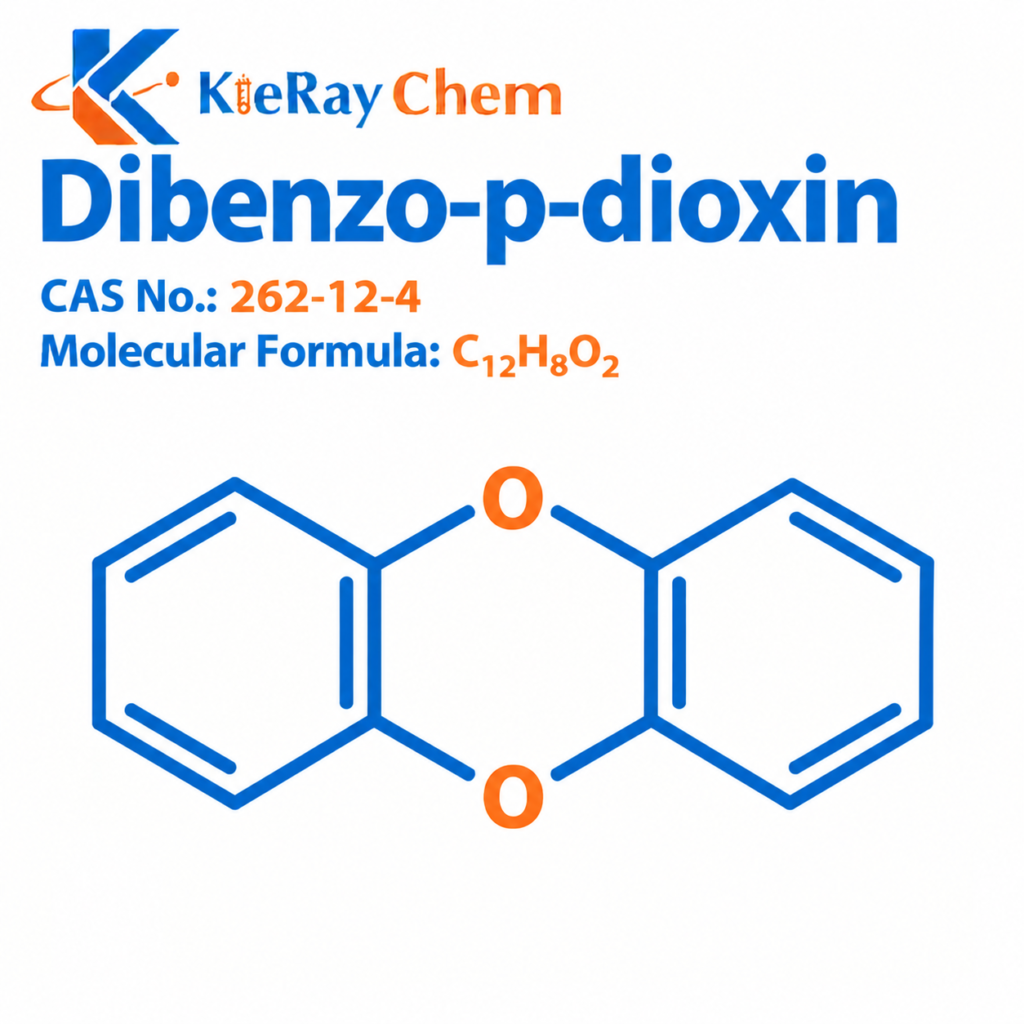
Dibenzo-p-dioxin

Dibenzo-p-dioxin (CAS:262-12-4) is the parent tricyclic ether of the dioxin family, composed of two benzene rings joined through a 1,4-dioxin bridge. It is used as an analytical reference standard, a research chemical for toxicology and environmental studies, and a synthetic building block, supplied as a high-purity crystalline solid. The Reagent Grade specification is maintained by

Dibenzo-p-dioxin Read More »

REQUEST A QUOTE

Product Inquiry — Popup Form