English | 中文 | Español

Chemical Products

Coco Betaine 68424 94 2 Structure 1024x768

Coco Betaine

Coco betaine (CAS 68424-94-2), chemically known as coco alkyldimethyl betaine, is a zwitterionic amphoteric surfactant derived from natural coconut oil fatty acids. Featuring both positive and negative charge centers within its molecular structure, it demonstrates exceptional compatibility with anionic, cationic, and nonionic surfactants across wide pH ranges. Coco betaine is widely celebrated in personal care
Coco Betaine Read More »

Potassium N Sulfoglucosamine 31284 96 5 Structure

Potassium N-sulfoglucosamine

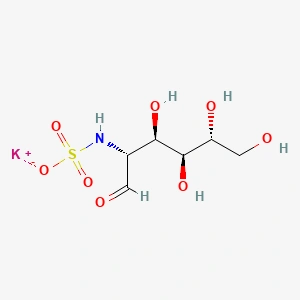
Potassium N-sulfoglucosamine (CAS 31284-96-5) is a specialized sulfated glucosamine derivative stabilized as a potassium salt, playing a significant role in carbohydrate biochemistry and glycosaminoglycan synthesis. Featuring a unique N-sulfate modification on the glucosamine skeleton, this highly water-soluble compound closely mimics structural motifs found in naturally occurring heparin and heparan sulfate molecules. The inclusion of potassium

Potassium N-sulfoglucosamine Read More »

2 5 Bisbenzoic Acid 35480 52 5 Structure

2,5-bisbenzoic Acid

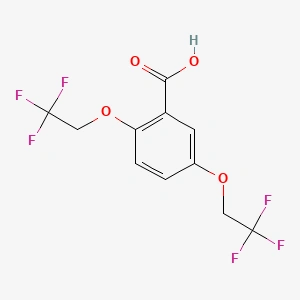
2,5-Bis(2,2,2-trifluoroethoxy)benzoic acid (CAS 35480-52-5) is a fluorinated aromatic carboxylic acid derivative characterized by two trifluoroethoxy side chains attached to a central benzene ring core. The presence of multiple strong carbon-fluorine bonds imparts exceptional thermal stability, lipophilicity, and unique electronic properties to the chemical architecture. This solid crystalline material serves as an indispensable organic synthesis intermediate,

2,5-bisbenzoic Acid Read More »

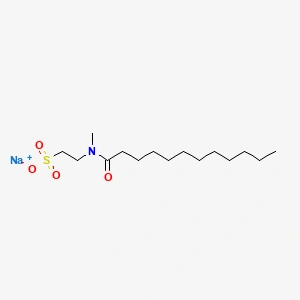
Sodium Lauroyl Methyl Taurate 4337 75 1 Structure

Sodium lauroyl methyl taurate

Sodium lauroyl methyl taurate (CAS 4337-75-1) is a high-performance, biodegradable anionic surfactant synthesized from coconut-derived fatty acids and methyl taurine. Characterized by its mild nature and excellent aqueous solubility across broad pH ranges, this acyl taurate surfactant produces a rich, creamy, and stable lather even in the presence of hard water and natural sebum. Unlike

Sodium lauroyl methyl taurate Read More »

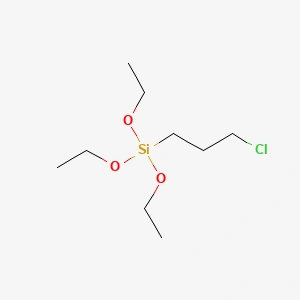
Triethoxysilane 5089 70 3 Structure

triethoxysilane

2-(3,4-Epoxycyclohexyl)ethyltriethoxysilane (CAS 5089-70-3) is a bifunctional organosilane coupling agent featuring a reactive cycloaliphatic epoxide group at one end and hydrolyzable ethoxy groups attached to silicon at the other. The ethoxysilane functionality readily hydrolyzes in moisture to form reactive silanol groups that bind covalently to inorganic substrates such as silica, metals, and glass. Simultaneously, the ring-strained

triethoxysilane Read More »

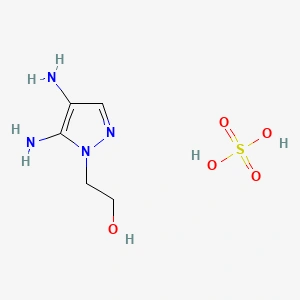
4 5 Diamino 1 Pyrazole Sulfate 155601 30 2 Structure

4,5-Diamino-1-pyrazole sulfate

4,5-Diamino-1-(2-hydroxyethyl)pyrazole sulfate (CAS 155601-30-2) is a specialized heterocyclic aromatic amine salt utilized predominantly as a primary intermediate in oxidative hair-dye formulations. Structurally featuring a pyrazole ring substituted with primary amine groups and a hydroxyethyl chain, this compound serves as an effective developer precursor. During the hair-coloring process, it reacts oxidatively with secondary couplers in the

4,5-Diamino-1-pyrazole sulfate Read More »

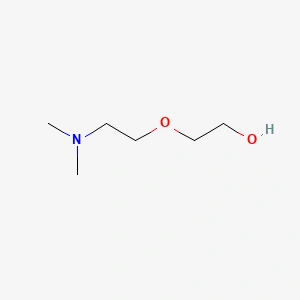
2 Ethoxy Ethanol 1704 62 7 Structure

2-ethoxy)ethanol

2-[2-(Dimethylamino)ethoxy]ethanol (CAS 1704-62-7) is a multifunctional organic compound containing both tertiary amine and ether-alcohol functional groups. This clear liquid exhibits strong alkalinity, high water solubility, and excellent catalytic properties due to the presence of the active amino nitrogen center. It is frequently employed as an intermediate in chemical synthesis, acting as a building block for

2-ethoxy)ethanol Read More »

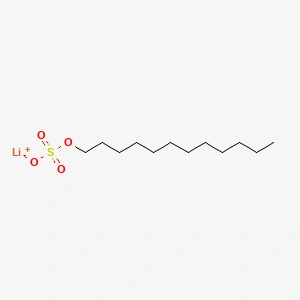
Lithium Dodecyl Sulphate 2044 56 6 Structure

Lithium dodecyl sulphate

Lithium dodecyl sulphate (CAS 2044-56-6), commonly abbreviated as LDS, is an anionic surfactant and detergent characterized by a 12-carbon alkyl chain attached to a lithium sulfate group. It functions similarly to sodium dodecyl sulfate but possesses distinct solubility and precipitation profiles, particularly remaining soluble at lower temperatures where other salts precipitate out. In biochemical and

Lithium dodecyl sulphate Read More »

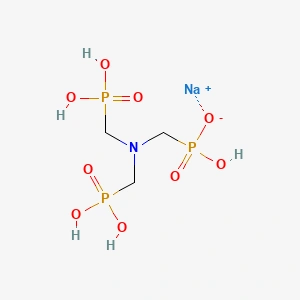
Sodium Aminotris 20592 85 2 Structure

Sodium aminotris

Sodium amino-tris(methylenesulphonate) (CAS 20592-85-2), often referenced as an amino tris(methylene phosphonic acid) sodium salt, is a potent organophosphonic acid derivative functioning primarily as a scale inhibitor and chelating agent. This water-soluble compound exhibits exceptional threshold inhibition capabilities, preventing the precipitation and deposition of mineral scales such as calcium carbonate, calcium sulfate, and barium sulfate on

Sodium aminotris Read More »

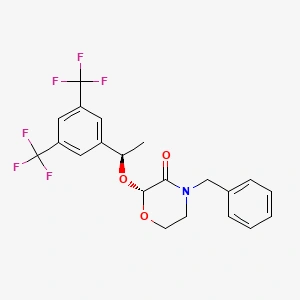
4 Benzyl 2 1 3 5 Bisphenyl Ethoxy Morpholin 3 One 287930 75 0 Structure

-4-benzyl-2-[-1-[3,5-bisphenyl]ethoxy]morpholin-3-one

(2R)-4-Benzyl-2-{(1R)-1-[3,5-bis(trifluoromethyl)phenyl]ethoxy}morpholin-3-one (CAS 287930-75-0) is a complex chiral organic molecule containing morpholinone and bis(trifluoromethyl)phenyl structural motifs. It is primarily recognized as a critical advanced pharmaceutical intermediate used in the stereoselective synthesis of active pharmaceutical ingredients, most notably neurokinin-1 receptor antagonists such as aprepitant. The molecule’s defined stereocenters and robust functional architecture require rigorous synthesis and purification

-4-benzyl-2-[-1-[3,5-bisphenyl]ethoxy]morpholin-3-one Read More »

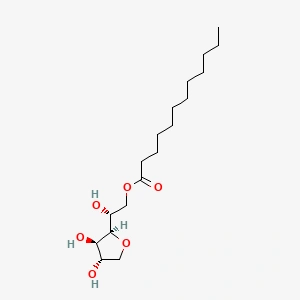
Sorbitan Monododecanoate 1338 39 2 Structure

Sorbitan monododecanoate

Sorbitan monododecanoate (CAS 1338-39-2), commonly known as sorbitan monolaurate, is a non-ionic surfactant synthesized via the esterification of sorbitol with lauric acid. This amphiphilic molecule features a hydrophilic sorbitan head group paired with a hydrophobic laurate hydrocarbon tail, yielding a low hydrophilic-lipophilic balance value suitable for water-in-oil emulsions. It appears as a viscous amber liquid

Sorbitan monododecanoate Read More »

Sorbitan Monooctadecanoate 1338 41 6 Structure

Sorbitan monooctadecanoate

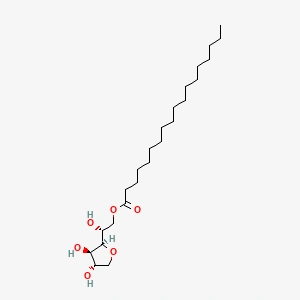
Sorbitan monooctadecanoate (CAS 1338-41-6), widely recognized as sorbitan monostearate, is a non-ionic surfactant derived from the esterification of sorbitol with stearic acid. This lipophilic compound typically manifests as a cream-colored to tan waxy solid or bead form with a low hydrophilic-lipophilic balance, making it highly effective at stabilizing water-in-oil systems. Its primary function relies on

Sorbitan monooctadecanoate Read More »

1 Propanethiol 3 14814 09 6 Structure

1-Propanethiol, 3–

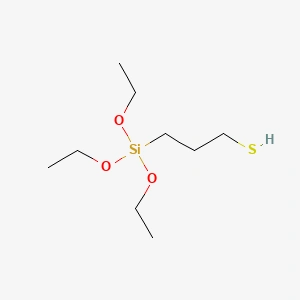
(3-Mercaptopropyl)triethoxysilane (CAS 14814-09-6) is an organosilane coupling agent featuring both hydrolyzable ethoxysilyl groups and a reactive thiol functional moiety. This dual-reactivity allows it to bridge organic polymers and inorganic substrates like silica, glass, and metals through stable covalent bonding. The ethoxy groups hydrolyze in the presence of moisture to form silanol networks that anchor firmly

1-Propanethiol, 3– Read More »

Glucosamine Sulfate 14999 43 0 Structure

Glucosamine Sulfate

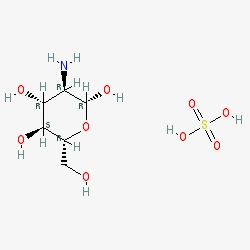
Glucosamine sulfate (CAS 14999-43-0) is an amino sugar naturally synthesized in the human body and produced commercially as a vital pharmaceutical and nutraceutical raw material. Chemically, it consists of a glucose molecule where a hydroxyl group has been replaced by an amine group, bound with sulfate ions to enhance stability and bioavailability. It serves as

Glucosamine Sulfate Read More »

image failed

Isoamyl Bromide

Isoamyl Bromide (CAS: 107-82-4) is a carefully characterized chemical raw material supplied for professional manufacturing and formulation work. It is identified by its established chemical name, CAS reference and defined quality profile, allowing technical teams to evaluate it within controlled procurement and production systems. The material can contribute to synthesis, formulation, processing, surface treatment or

Isoamyl Bromide Read More »

Polysilicic Acid Ethyl Ester 11099 06 2 Structure 1024x1024

Polysilicic Acid Ethyl Ester

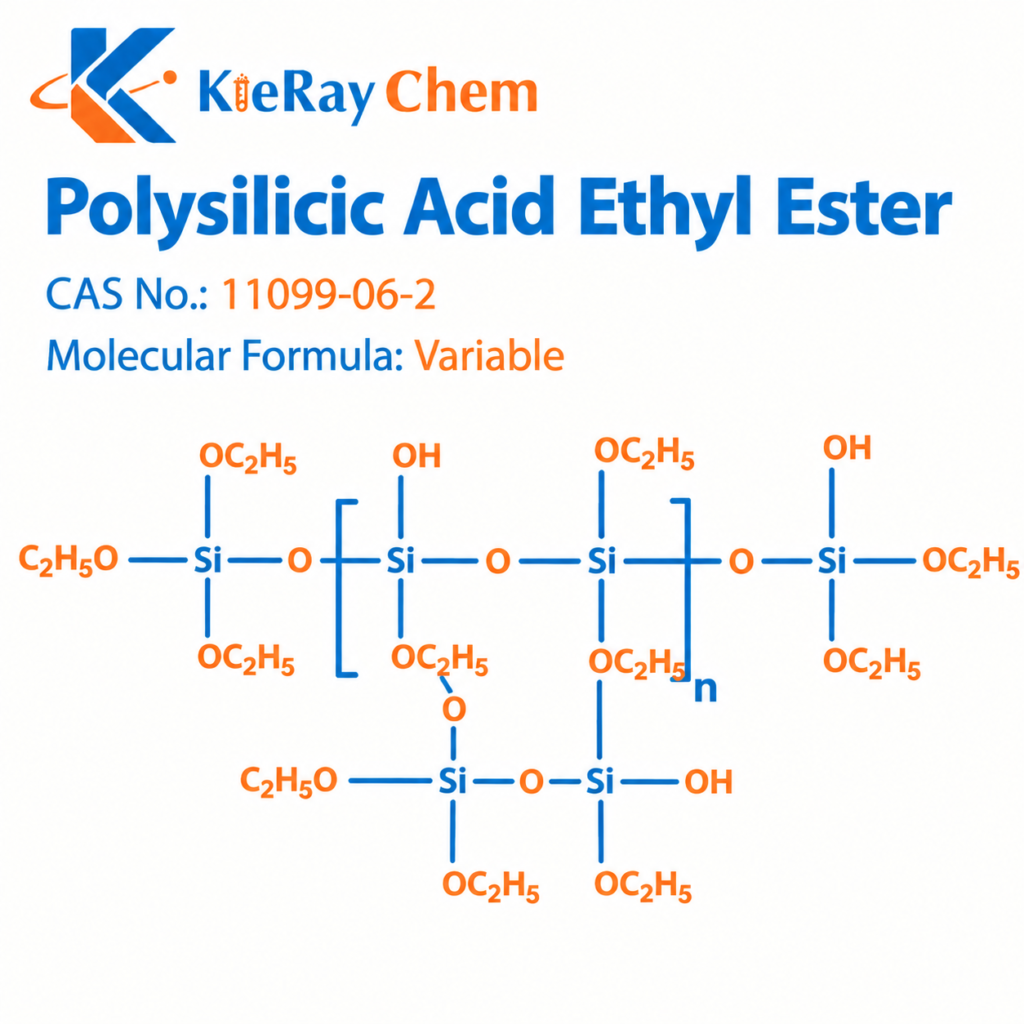
Polysilicic Acid Ethyl Ester (CAS: 11099-06-2) is a carefully characterized chemical raw material supplied for professional manufacturing and formulation work. It is identified by its established chemical name, CAS reference and defined quality profile, allowing technical teams to evaluate it within controlled procurement and production systems. The material can contribute to synthesis, formulation, processing, surface

Polysilicic Acid Ethyl Ester Read More »

REQUEST A QUOTE

Product Inquiry — Popup Form