English | 中文 | Español

Chemical Products

Benzotetronic Acid 1076 38 6 Structure

Benzotetronic acid

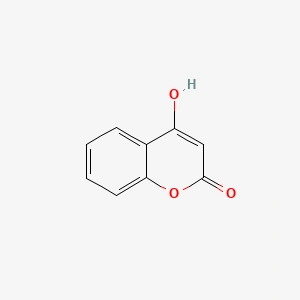
Benzotetronic acid, also widely known as 4-hydroxycoumarin, is a significant organic compound characterized by its bicyclic structure consisting of a benzene ring fused to a lactone ring with a hydroxyl group at the 4-position. It typically appears as a white to pale yellow crystalline powder. This compound serves as a vital building block in organic

Benzotetronic acid Read More »
Aldehyde M N A 110 41 8 Structure

Aldehyde M.N.A.

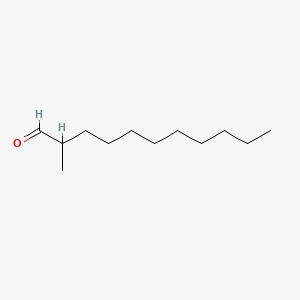
Aldehyde M.N.A., chemically known as 2-Methylundecanal or C-12 MNA, is a high-impact synthetic aliphatic aldehyde widely recognized in the fragrance industry. This colorless to pale yellow liquid is characterized by its intense, fresh, and slightly waxy aroma, which carries distinct citrus and floral undertones reminiscent of orange peel and rose. Its chemical structure provides a

Aldehyde M.N.A. Read More »

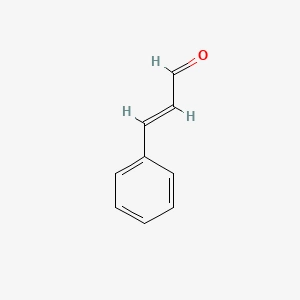
Cinnamaldehyde 104 55 2 Structure

cinnamaldehyde

Cinnamaldehyde, identified by CAS number 104-55-2, is a naturally occurring organic compound primarily responsible for the characteristic flavor and aroma of cinnamon. Chemically classified as a phenylpropanoid, it typically appears as a pale yellow, viscous liquid. It is the major constituent of cinnamon bark oil and is widely recognized for its distinct, spicy-sweet olfactory profile.

cinnamaldehyde Read More »

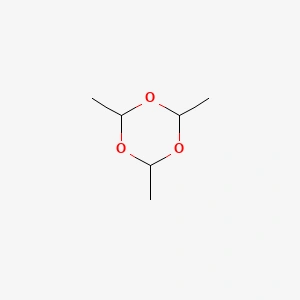
Aldehyde Para 123 63 7 Structure

Aldehyde (para)

Paraldehyde, identified by CAS 123-63-7, is a cyclic trimer of acetaldehyde characterized as a colorless to yellowish liquid with a distinct, pungent odor. It is formed through the acid-catalyzed polymerization of acetaldehyde and exhibits unique solubility properties, being miscible with most organic solvents while showing moderate solubility in water. As a stable form of acetaldehyde,

Aldehyde (para) Read More »

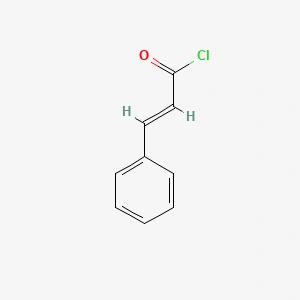
Cinnamoyl Chloride 102 92 1 Structure

Cinnamoyl chloride

Cinnamoyl chloride, identified by CAS number 102-92-1, is a versatile organic compound characterized as the acid chloride derivative of cinnamic acid. It typically appears as a yellow liquid or a low-melting crystalline solid with a pungent odor. As an acyl halide, it exhibits significant reactivity, particularly towards nucleophiles like alcohols, amines, and water. Due to

Cinnamoyl chloride Read More »

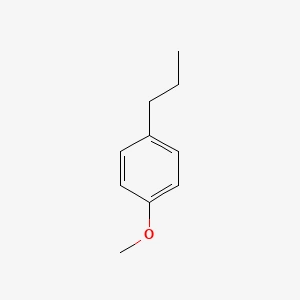
4 Propylanisole 104 45 0 Structure

4-Propylanisole

4-Propylanisole, identified by CAS number 104-45-0, is an organic ether derivative characterized by a benzene ring substituted with a methoxy group and a propyl chain at the para position. This compound typically presents as a clear, colorless to pale yellow liquid and is widely recognized for its distinct sweet, spicy, and balsamic aroma, which closely

4-Propylanisole Read More »

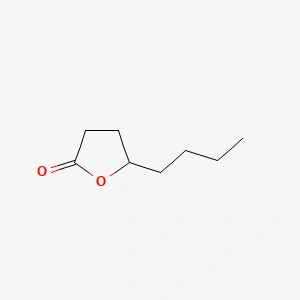
4 Hydroxyoctanoic Acid Lactone 104 50 7 Structure

4-Hydroxyoctanoic acid lactone

4-Hydroxyoctanoic acid lactone, also recognized by the common name gamma-octalactone, is a cyclic ester belonging to the lactone family. Identified by CAS 104-50-7, this compound is characterized by its distinctively sweet, creamy, and coconut-like aroma profile, often accompanied by subtle fruity undertones reminiscent of apricot or peach. Physically, it presents as a colorless to pale

4-Hydroxyoctanoic acid lactone Read More »

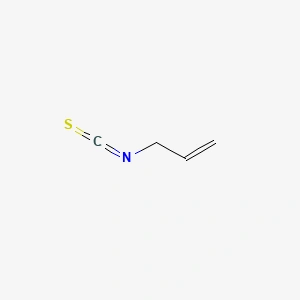
Isothiocyanic Acid Allyl Ester 57 06 7 Structure

Isothiocyanic acid allyl ester

Isothiocyanic acid allyl ester, commonly known as allyl isothiocyanate (AITC), is a versatile organosulfur compound characterized by its sharp, pungent odor and pale yellow liquid appearance. Naturally occurring in various cruciferous vegetables like mustard, horseradish, and wasabi, this chemical is synthesized for industrial use due to its potent biological activity and distinct sensory profile. As

Isothiocyanic acid allyl ester Read More »

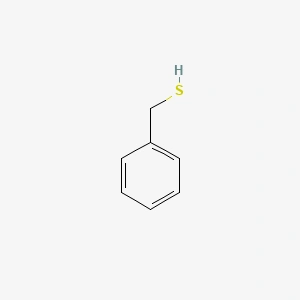
Toluene Alpha Thiol 100 53 8 Structure

Toluene-alpha-thiol

Toluene-alpha-thiol, also widely recognized by its common name benzyl mercaptan, is a significant organosulfur compound characterized by its distinct, pungent odor resembling leeks or garlic. Structurally, it consists of a benzyl group attached to a thiol functional group, making it a versatile building block in organic chemistry. This clear to pale yellow liquid is valued

Toluene-alpha-thiol Read More »

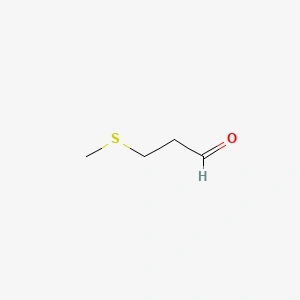
3 Methylmercaptopropyl Aldehyde 3268 49 3 Structure

3-Methylmercaptopropyl aldehyde

3-Methylmercaptopropyl aldehyde, commonly known as methional, is a significant organosulfur compound identified by CAS 3268-49-3. This colorless to yellowish liquid is characterized by its potent and distinctive aroma, often described as reminiscent of boiled potatoes, meat, or onions. Chemically, it is an aldehyde containing a thioether group, which contributes to its high reactivity and unique

3-Methylmercaptopropyl aldehyde Read More »

Dimethyl Sulfide 75 18 3 Structure

dimethyl sulfide

Dimethyl sulfide (CAS 75-18-3), commonly known as DMS, is a volatile organosulfur compound characterized by its distinct, pungent odor. As the simplest thioether, it exists as a colorless liquid at room temperature with a notably low boiling point. This chemical is naturally occurring, often associated with the smell of the sea and certain cooked vegetables,

dimethyl sulfide Read More »

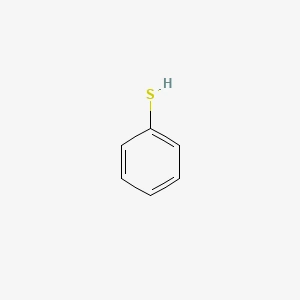
Benzene Thiol 108 98 5 Structure

benzene thiol

Benzene thiol, commonly referred to as thiophenol, is an organosulfur compound with the chemical formula C6H5SH. It presents as a colorless to slightly yellowish liquid characterized by a distinct and pervasive odor typical of thiols. As the simplest aromatic thiol, it serves as a fundamental building block in organic chemistry, offering a reactive sulfhydryl group

benzene thiol Read More »

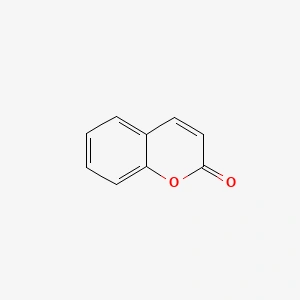
Coumarin 91 64 5 Structure

coumarin

Coumarin, identified by CAS 91-64-5, is a naturally occurring aromatic organic chemical compound belonging to the benzopyrone chemical class. It is characterized by its distinct, pleasant odor reminiscent of newly mown hay or vanilla, and it typically appears as a colorless to white crystalline solid. As a versatile heterocyclic molecule, it serves as a fundamental

coumarin Read More »

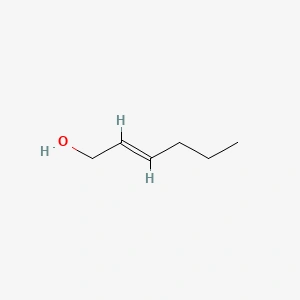
2 Hexen 1 Ol 928 95 0 Structure

2-Hexen-1-ol

2-Hexen-1-ol, identified by CAS number 928-95-0, is a versatile unsaturated primary alcohol characterized by its distinct green, leafy, and slightly fruity aroma. Naturally occurring in various fruits, vegetables, and tea leaves, this six-carbon compound serves as a critical building block in organic synthesis and the formulation of aromatic compounds. It typically presents as a colorless

2-Hexen-1-ol Read More »

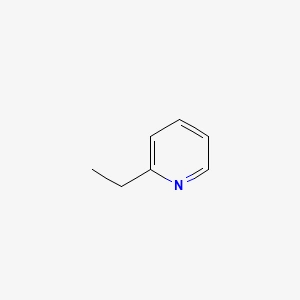
2 Ethylpyridine 100 71 0 Structure

2-Ethylpyridine

2-Ethylpyridine, identified by CAS number 100-71-0, is a versatile heterocyclic organic compound belonging to the alkylpyridine family. It appears as a clear, colorless to pale yellow liquid with a distinct, pungent aroma characteristic of pyridine derivatives. As a fundamental building block in organic chemistry, this molecule features an ethyl group at the second position of

2-Ethylpyridine Read More »

Thialdine 638 17 5 Structure

Thialdine

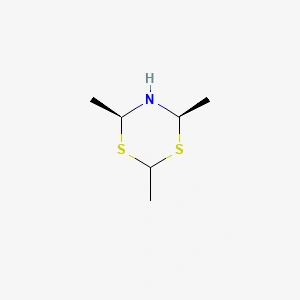
Thialdine, identified by CAS number 638-17-5, is a heterocyclic organic compound belonging to the 1,3,5-dithiazine family. Chemically known as 5,6-dihydro-2,4,6-trimethyl-1,3,5-dithiazine, this substance typically presents as a white to pale yellow crystalline solid. It is characterized by its unique molecular structure, which incorporates both sulfur and nitrogen atoms within a six-membered ring, contributing to its distinct

Thialdine Read More »

REQUEST A QUOTE

Product Inquiry — Popup Form