English | 中文 | Español

Chemical Products

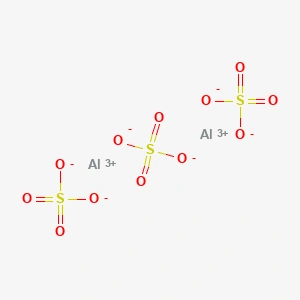
Aluminum Sulfate 10043 01 3 Structure

Aluminum Sulfate

Aluminum Sulfate (CAS: 10043-01-3), also called alum, is a white crystalline inorganic salt widely recognized as one of the most cost-effective and dependable coagulants in water treatment. When dissolved in water, it hydrolyzes to form positively charged aluminum species that neutralize the charge of suspended colloidal particles, causing them to aggregate into flocs that settle
Aluminum Sulfate Read More »

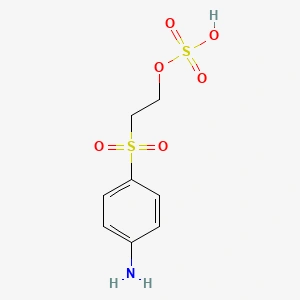
Ethanol 2 Sulfonyl 1 2494 89 5 Structure

Ethanol, 2-sulfonyl)-, 1-

Ethanol, 2-(sulfonyl)-, 1-substituted derivative (CAS: 2494-89-5) is a functionalized aromatic organic compound combining an ethanol side chain with a sulfonyl-bearing aromatic ring. This structure makes it a versatile intermediate in fine chemical synthesis, where the hydroxyl group offers a handle for esterification, etherification, and oxidation, while the sulfonyl moiety contributes polarity, thermal stability, and reactive

Ethanol, 2-sulfonyl)-, 1- Read More »

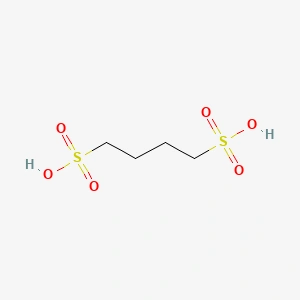
Butane 1 4 Disulfonic Acid 27665 39 0 Structure

Butane-1,4-disulfonic acid

Butane-1,4-disulfonic acid (CAS: 27665-39-0) is a short-chain aliphatic disulfonic acid featuring two strongly acidic sulfonic acid groups separated by a flexible four-carbon spacer. This water-soluble compound serves as a versatile building block and functional additive in fine chemical synthesis, surfactant manufacturing, and specialty polymer applications. Its dual acidic functionality enables it to act as a

Butane-1,4-disulfonic acid Read More »

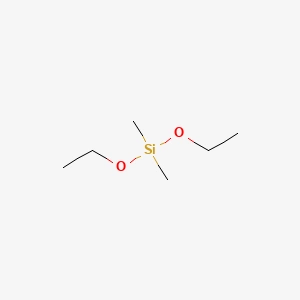
Diethoxydimethylsilane 78 62 6 Structure

Diethoxydimethylsilane

Diethoxydimethylsilane (CAS: 78-62-6) is a reactive organosilane featuring two hydrolyzable ethoxy groups attached to a silicon center carrying two methyl groups. This clear, moisture-sensitive liquid hydrolyzes in the presence of water to form silanol species that can condense onto silica, glass, metal, and mineral surfaces, while its two methyl substituents impart hydrophobicity and low surface

Diethoxydimethylsilane Read More »

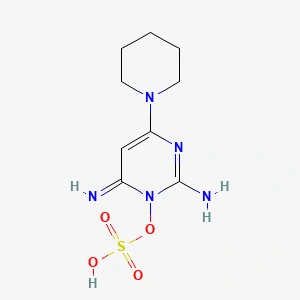
1 6 Dihydro 6 Imino 4 1 2 Pyrimidinamine 83701 22 8 Structure

1,6-Dihydro-6-imino-4–1–2-pyrimidinamine

1,6-Dihydro-6-imino-4-(substituted)-2-pyrimidinamine (CAS: 83701-22-8) is a specialized heterocyclic organic compound built on a substituted pyrimidine scaffold bearing an imino functionality at the 6-position. This aromatic diamine-type intermediate is valued in fine chemical synthesis for its rich nitrogen chemistry and its capacity to undergo condensation, substitution, and cyclization reactions at multiple reactive sites. The pyrimidine core is

1,6-Dihydro-6-imino-4–1–2-pyrimidinamine Read More »

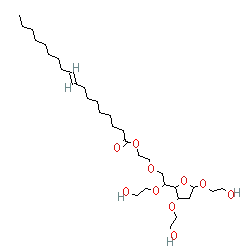
Polysorbate 80 9005 65 6 Structure

Polysorbate 80

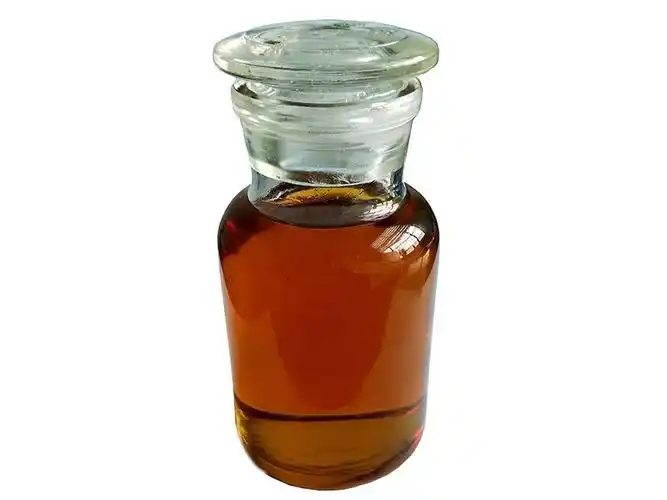
Polysorbate 80 (CAS: 9005-65-6), also known as Tween 80, is a non-ionic surfactant produced by ethoxylating sorbitan monooleate with approximately 20 ethylene oxide units. This amber-colored, water-dispersible liquid combines a hydrophilic polyoxyethylene head with lipophilic oleate tails, giving it an excellent balance for emulsifying, solubilizing, and dispersing a wide range of hydrophobic substances in aqueous

Polysorbate 80 Read More »

Polysorbate 85 9005 70 3 Structure

Polysorbate 85

Polysorbate 85 (CAS: 9005-70-3), also known as Tween 85, is a non-ionic surfactant derived from the ethoxylation of sorbitan trioleate, carrying approximately 20 polyoxyethylene units. Compared with its monoester counterparts, its three oleate chains give it a more lipophilic character, making it especially effective at emulsifying and solubilizing heavy oils and hydrophobic materials in aqueous

Polysorbate 85 Read More »

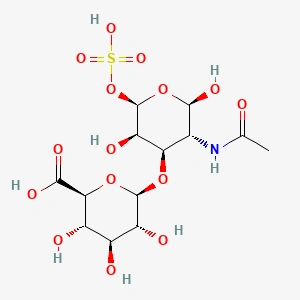
Chondroitin Sulfate 9007 28 7 Structure

Chondroitin Sulfate

Chondroitin Sulfate (CAS: 9007-28-7) is a naturally occurring sulfated glycosaminoglycan composed of repeating disaccharide units of N-acetylgalactosamine and glucuronic acid. Extracted and purified from animal cartilage under strict quality controls, this white to off-white powder is a structural component of cartilage, bone, skin, and connective tissue, where it provides elasticity, water retention, and resistance to

Chondroitin Sulfate Read More »

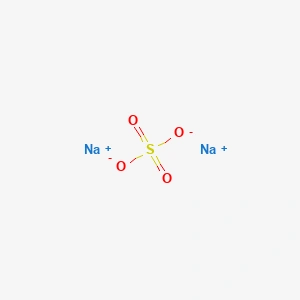
Sodium Sulfate 7757 82 6 Structure

Sodium Sulfate

Sodium Sulfate (CAS: 7757-82-6) is a white crystalline inorganic salt widely used across industrial, food, and consumer sectors. Composed of sodium and sulfate ions, this water-soluble compound occurs naturally in mineral deposits and brines, and is also recovered as a by-product of chemical processing. Its value lies in a combination of high purity, chemical stability,

Sodium Sulfate Read More »

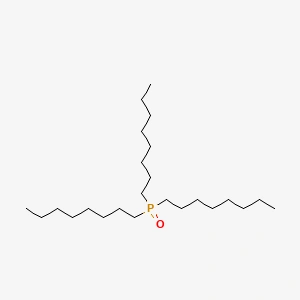
Trioctylphosphine Oxide 78 50 2 Structure

Trioctylphosphine oxide

Trioctylphosphine oxide (CAS: 78-50-2), commonly known as TOPO, is a high-purity organophosphorus compound featuring a polar phosphoryl group balanced by three hydrophobic octyl chains. This structure gives it outstanding affinity for metal ions combined with excellent solubility in organic solvents, making it one of the most versatile extractants and metal-complexing agents available. TOPO forms stable

Trioctylphosphine oxide Read More »

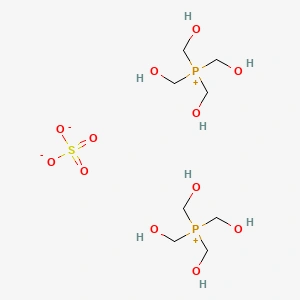
Tetrakisphosphonium Sulfate 55566 30 8 Structure

Tetrakisphosphonium sulfate

Tetrakis(hydroxymethyl)phosphonium sulfate (CAS 55566-30-8), commonly known as THPS, is a powerful organophosphorus biocide and industrial chemical agent. Appearing as a clear, colorless-to-straw-colored aqueous solution, THPS is renowned for its rapid, broad-spectrum antimicrobial activity against sulfate-reducing bacteria, algae, and fungi. It operates by penetrating bacterial cell walls and denaturing essential cellular proteins and enzymes. A major

Tetrakisphosphonium sulfate Read More »

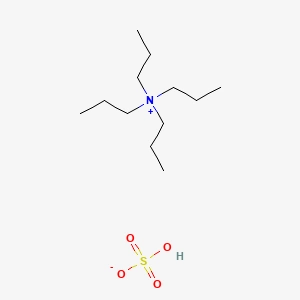
Tetrapropylammonium Hydrogen Sulfate 56211 70 2 Structure

Tetrapropylammonium hydrogen sulfate

Tetrapropylammonium hydrogen sulfate (CAS 56211-70-2) is a quaternary ammonium salt widely utilized as a phase transfer catalyst and ionic reagent in advanced organic synthesis and analytical chemistry. Consisting of a bulky, symmetrical tetrapropylammonium cation paired with a acidic hydrogen sulfate anion, this crystalline solid exhibits excellent solubility in both polar aqueous phases and organic solvent

Tetrapropylammonium hydrogen sulfate Read More »

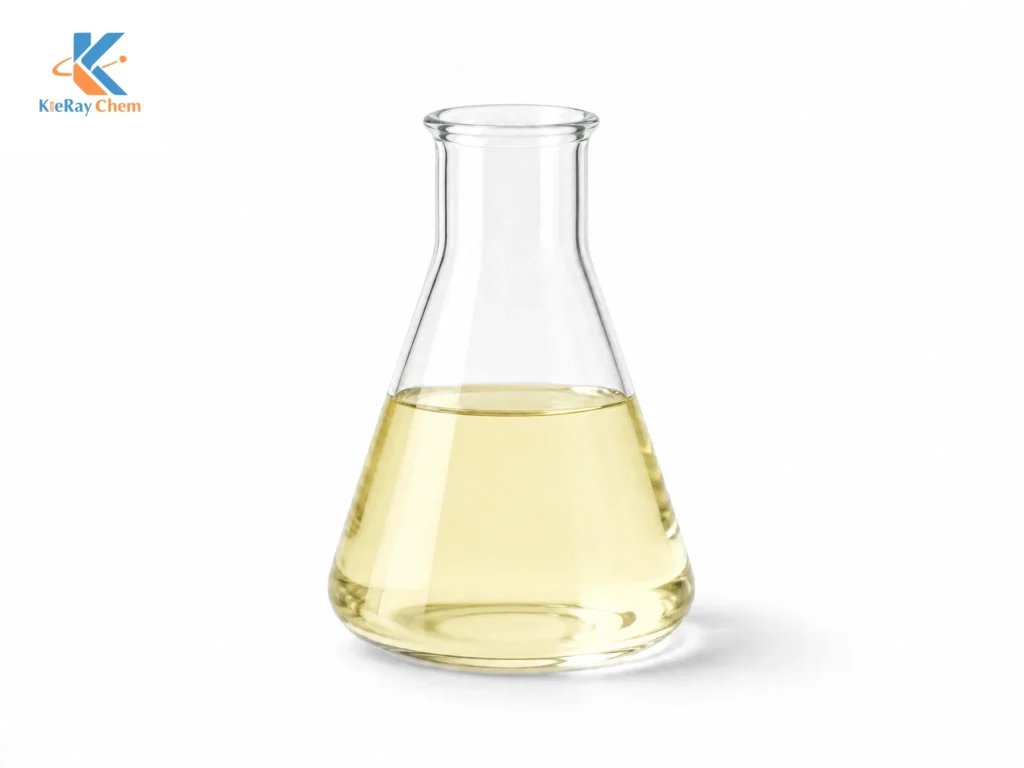
Coco Betaine 68424 94 2 Structure 1024x768

Coco Betaine

Coco betaine (CAS 68424-94-2), chemically known as coco alkyldimethyl betaine, is a zwitterionic amphoteric surfactant derived from natural coconut oil fatty acids. Featuring both positive and negative charge centers within its molecular structure, it demonstrates exceptional compatibility with anionic, cationic, and nonionic surfactants across wide pH ranges. Coco betaine is widely celebrated in personal care

Coco Betaine Read More »

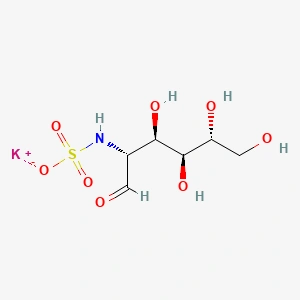
Potassium N Sulfoglucosamine 31284 96 5 Structure

Potassium N-sulfoglucosamine

Potassium N-sulfoglucosamine (CAS 31284-96-5) is a specialized sulfated glucosamine derivative stabilized as a potassium salt, playing a significant role in carbohydrate biochemistry and glycosaminoglycan synthesis. Featuring a unique N-sulfate modification on the glucosamine skeleton, this highly water-soluble compound closely mimics structural motifs found in naturally occurring heparin and heparan sulfate molecules. The inclusion of potassium

Potassium N-sulfoglucosamine Read More »

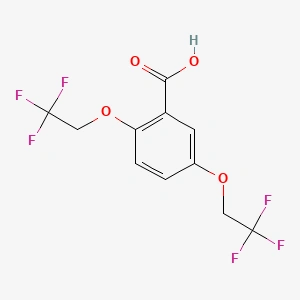
2 5 Bisbenzoic Acid 35480 52 5 Structure

2,5-bisbenzoic Acid

2,5-Bis(2,2,2-trifluoroethoxy)benzoic acid (CAS 35480-52-5) is a fluorinated aromatic carboxylic acid derivative characterized by two trifluoroethoxy side chains attached to a central benzene ring core. The presence of multiple strong carbon-fluorine bonds imparts exceptional thermal stability, lipophilicity, and unique electronic properties to the chemical architecture. This solid crystalline material serves as an indispensable organic synthesis intermediate,

2,5-bisbenzoic Acid Read More »

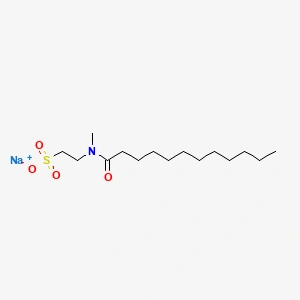
Sodium Lauroyl Methyl Taurate 4337 75 1 Structure

Sodium lauroyl methyl taurate

Sodium lauroyl methyl taurate (CAS 4337-75-1) is a high-performance, biodegradable anionic surfactant synthesized from coconut-derived fatty acids and methyl taurine. Characterized by its mild nature and excellent aqueous solubility across broad pH ranges, this acyl taurate surfactant produces a rich, creamy, and stable lather even in the presence of hard water and natural sebum. Unlike

Sodium lauroyl methyl taurate Read More »

REQUEST A QUOTE

Product Inquiry — Popup Form