English | 中文 | Español

Chemical Products

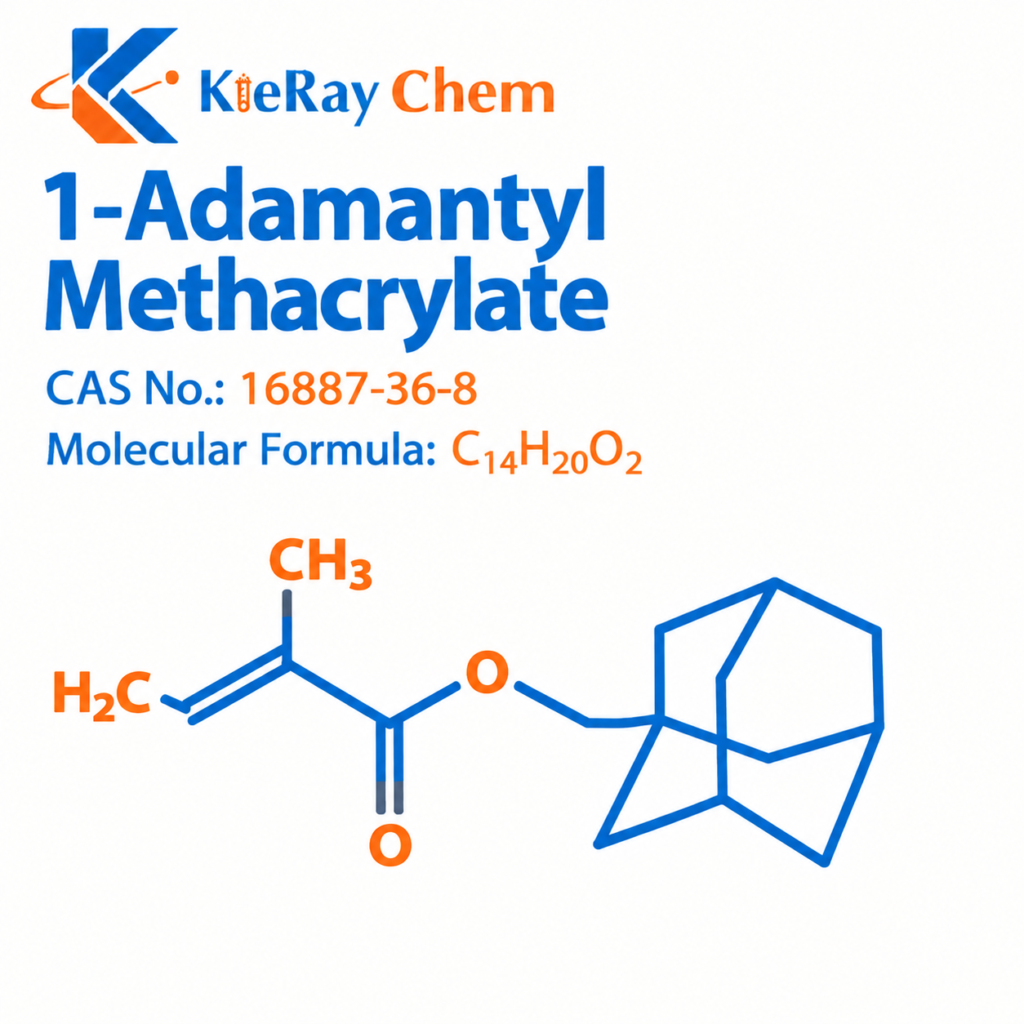
1 Adamantyl Methacrylate 16887 36 8 Structure 1024x1024

1-Adamantyl Methacrylate

1-Adamantyl Methacrylate (CAS 16887-36-8) is a sterically hindered methacrylate monomer featuring an adamantyl pendant group that delivers enhanced rigidity, hydrophobicity and thermal stability to polymer networks. With molecular formula C14H20O2, it is commonly supplied as a stabilized monomer (often with MEHQ) for radical polymerization and copolymer formulations. 1-Adamantyl Methacrylate is used in specialty coatings, high-performance

1-Adamantyl Methacrylate Read More »
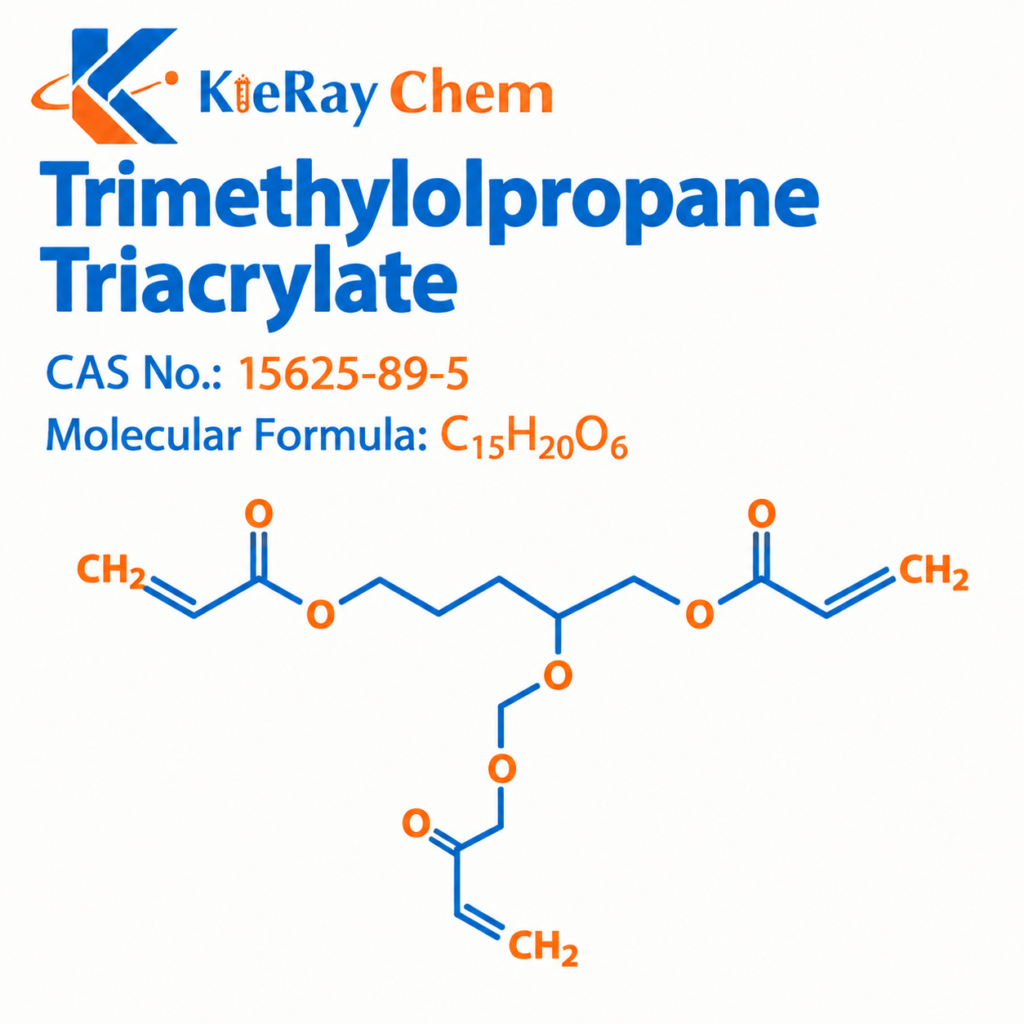
Trimethylolpropane Triacrylate 15625 89 5 Structure 1024x1024

Trimethylolpropane Triacrylate

Trimethylolpropane Triacrylate (TMPTA) CAS 15625-89-5 is a trifunctional acrylic monomer used extensively as a reactive diluent and crosslinker in UV/EB-curable coatings, inks, adhesives and composite resins. With three acrylate groups, TMPTA imparts high crosslink density, solvent resistance and mechanical strength to cured networks, delivering rapid cure response and outstanding hardness. It is commonly employed where

Trimethylolpropane Triacrylate Read More »

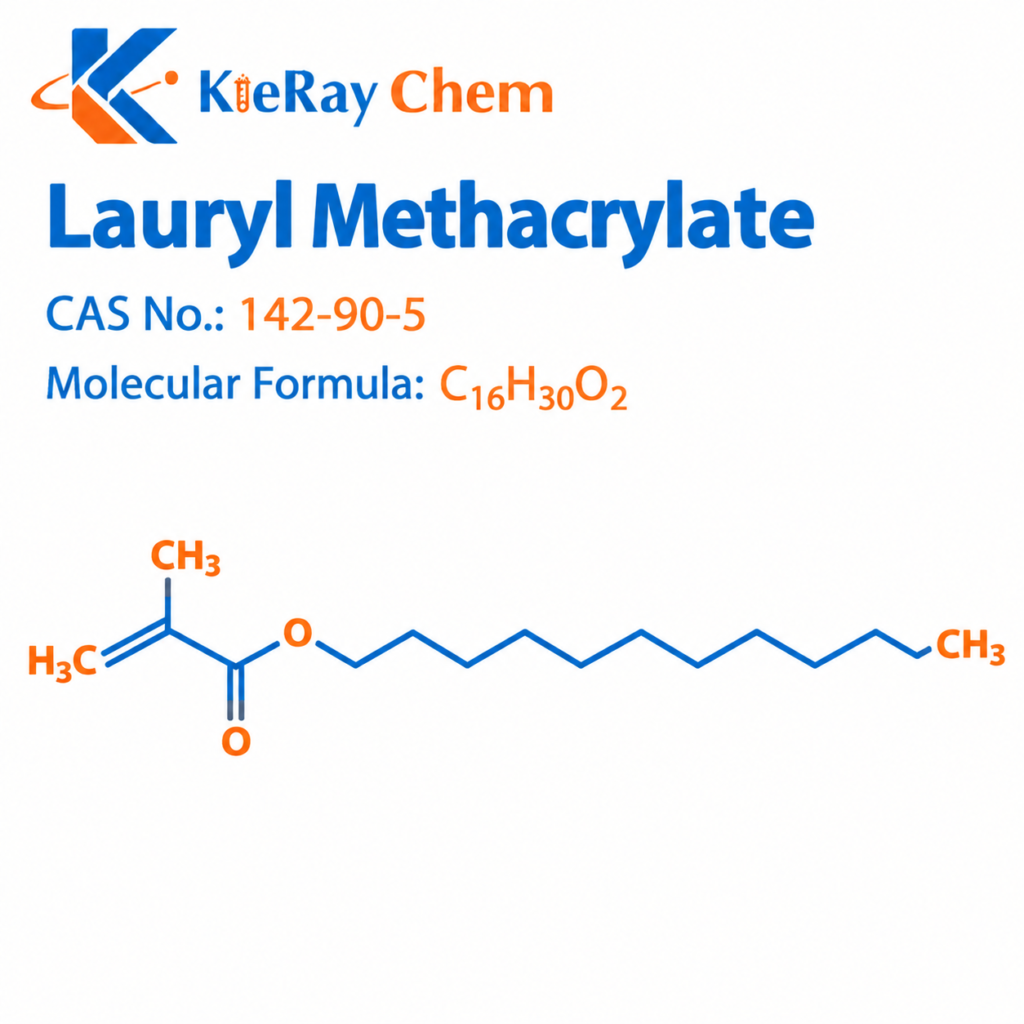
Lauryl Methacrylate 142 90 5 Structure 1024x1024

Lauryl Methacrylate

Dodecyl Methacrylate (commonly called Lauryl Methacrylate) CAS 142-90-5 is a long-chain alkyl methacrylate monomer used to impart hydrophobicity, flexibility and low surface energy to polymers and copolymers. Its lauryl side chain provides excellent water repellency, enhanced substrate wetting and improved flexibility in emulsion and solventborne coatings, pressure-sensitive adhesives and specialty polymers. When copolymerized with styrenics,

Lauryl Methacrylate Read More »

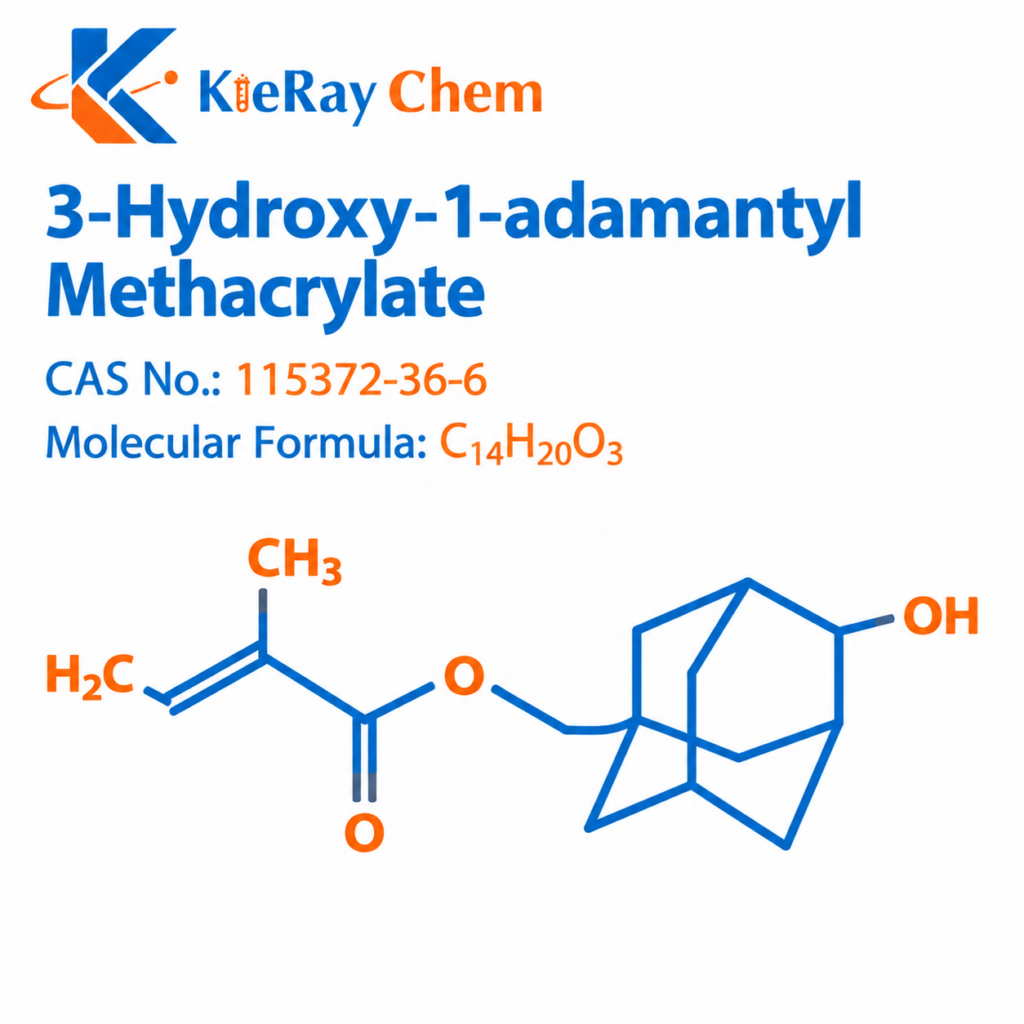
3 Hydroxy 1 Adamantyl Methacrylate 115372 36 6 Structure 1024x1024

3-Hydroxy-1-adamantyl Methacrylate

3-Hydroxyadamantan-1-yl methacrylate (HAMA) CAS 115372-36-6 is a methacrylate monomer bearing an adamantane-derived rigid bicyclic scaffold with a pendant hydroxyl group. The bulky adamantyl group imparts increased glass transition temperature, rigidity and hydrophobic character to polymers, while the methacrylate functionality enables free-radical polymerization for coatings, adhesives and specialty resins. The hydroxyl group offers additional sites for

3-Hydroxy-1-adamantyl Methacrylate Read More »
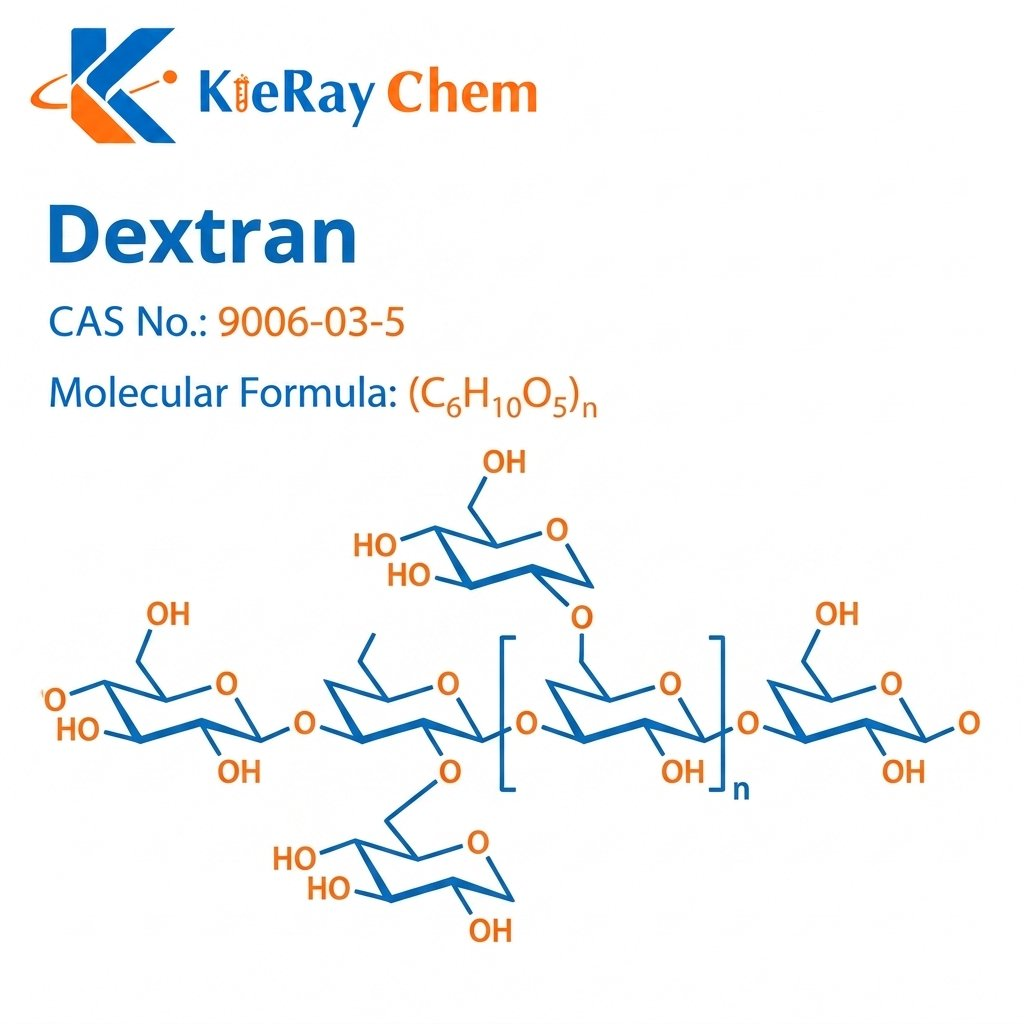
image failed

Butyl Acrylate

n-Butyl Isocyanate CAS 111-36-4 is a simple aliphatic isocyanate used as an intermediate in organic synthesis and specialty chemical manufacture. The reagent is reactive toward nucleophiles such as alcohols and amines to form urethanes and ureas, enabling its use in small-molecule derivatization, polymer modification and the synthesis of tailored intermediates. Because of its reactivity, n-Butyl

Butyl Acrylate Read More »

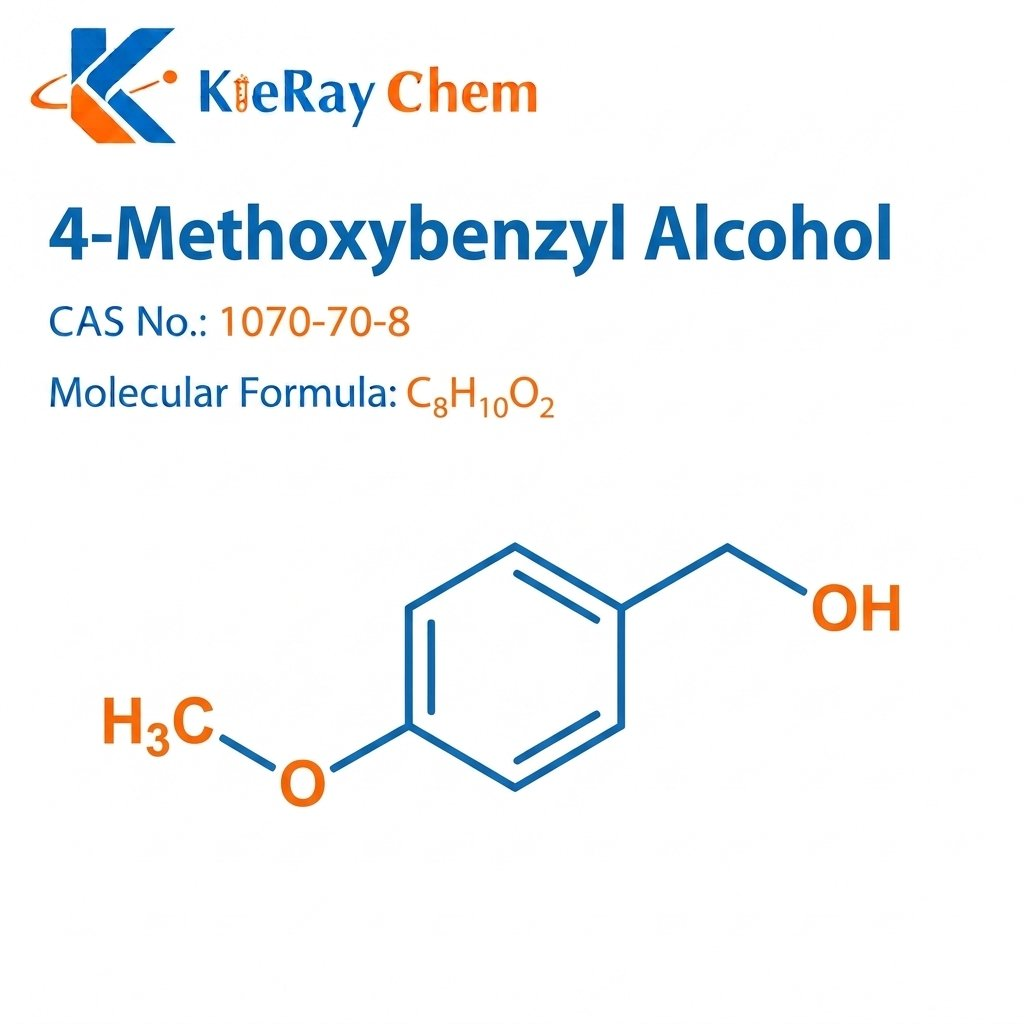
4 Methoxybenzyl Alcohol 1070 70 8 Structure

4-Methoxybenzyl Alcohol

1,4-Butanediol diacrylate CAS 1070-70-8 is a difunctional acrylic monomer (diacrylate) widely used in UV/EB curable coatings, inks and adhesives. It provides crosslinkable acrylate functionality that enables rapid cure, high crosslink density and excellent hardness in cured films. As a flexible aliphatic diacrylate, it imparts toughness and elongation while maintaining good adhesion and low shrinkage compared

4-Methoxybenzyl Alcohol Read More »

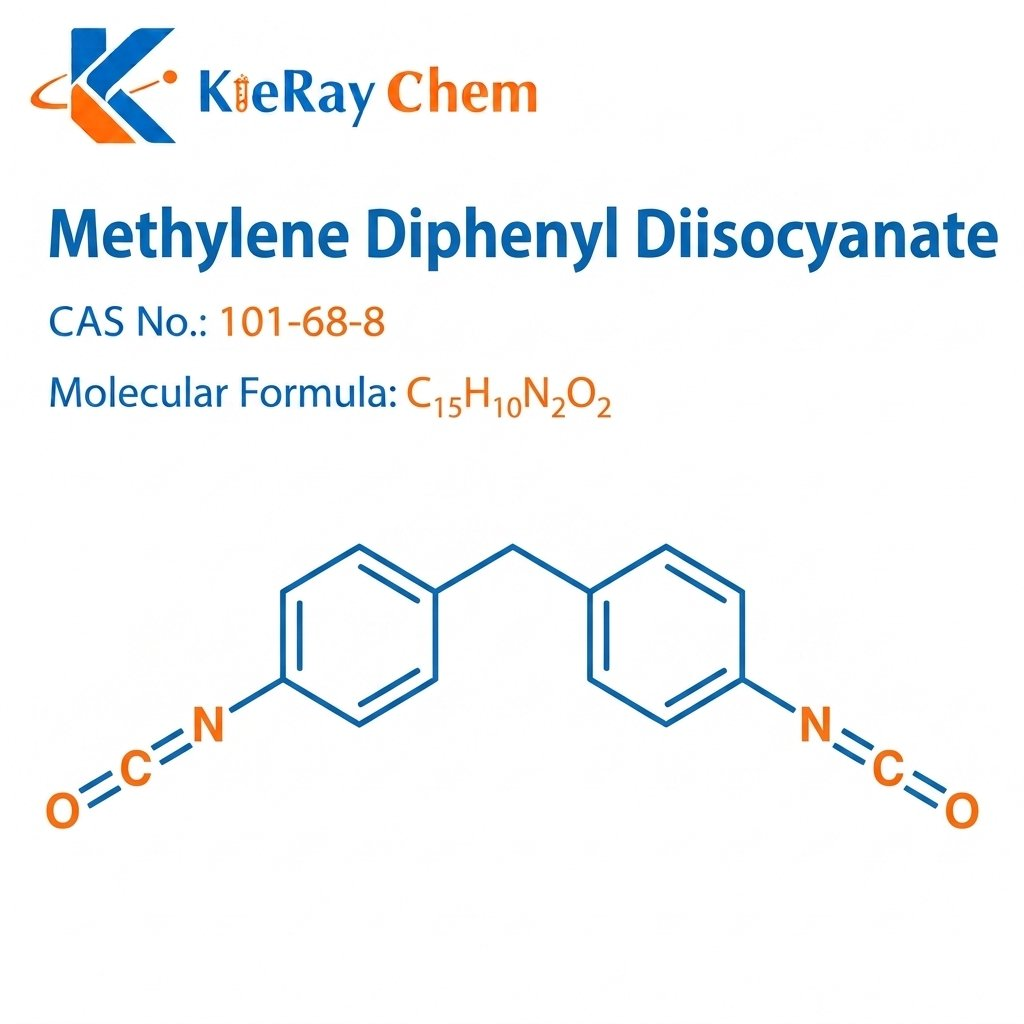
Methylene Diphenyl Diisocyanate 101 68 8 Structure

Methylene Diphenyl Diisocyanate

4,4′-Methylenebis(phenyl isocyanate) (commonly called MDI) CAS 101-68-8 is a primary diisocyanate used extensively as a reactive intermediate in the production of polyurethanes, prepolymers and specialty isocyanate derivatives. MDI provides rigid aromatic backbone segments that impart mechanical strength, thermal stability and chemical resistance to polyurethane foams, elastomers, coatings and adhesives. It is typically handled under controlled

Methylene Diphenyl Diisocyanate Read More »

Dextran 9004 54 0 Structure

Dextran

Chlorinated Rubber CAS 9006-03-5 is a modified rubber polymer produced by chlorination of polyisoprene or synthetic rubber backbones to introduce chlorine functionalities along the chain. The resulting chlorinated rubber offers improved chemical resistance, adhesion to metal substrates and good film-forming properties. It is commonly used in anti-corrosion coatings, primers, paints and specialty adhesives where solvent

Dextran Read More »

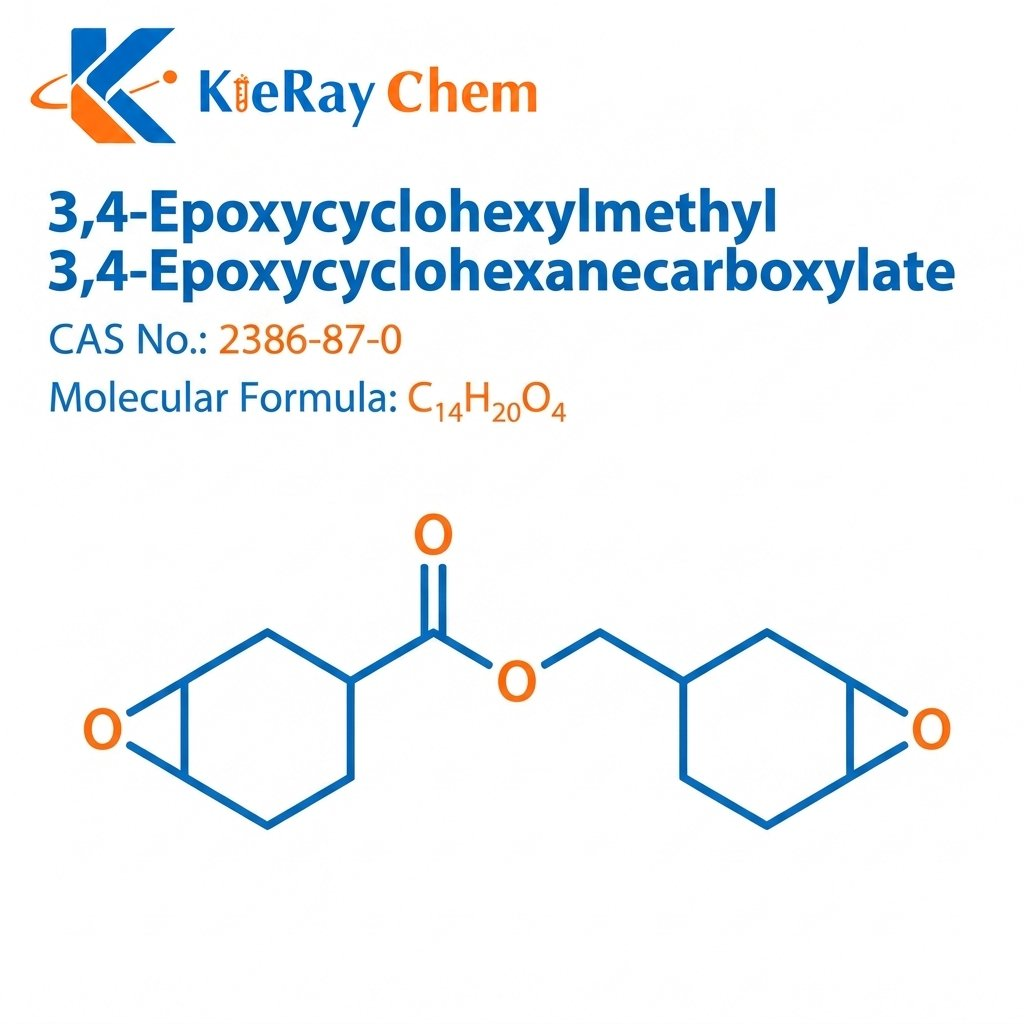
34 Epoxycyclohexylmethyl 34 Epoxycyclohexanecarboxylate 2386 87 0 Structure

3,4-Epoxycyclohexylmethyl 3,4-Epoxycyclohexanecarboxylate

3,4-Epoxycyclohexylmethyl 3,4-epoxycyclohexane carboxylate (ERL-4221) CAS 2386-87-0 is a difunctional cycloaliphatic epoxy monomer widely used in high-performance thermoset formulations. The molecule contains two 3,4-epoxycyclohexyl moieties linked via an ester bridge, delivering low-viscosity, highly reactive epoxy functionality with excellent UV and thermal stability. ERL-4221 is favored for coatings, laminates, adhesives and composite matrices where weathering resistance, low

3,4-Epoxycyclohexylmethyl 3,4-Epoxycyclohexanecarboxylate Read More »

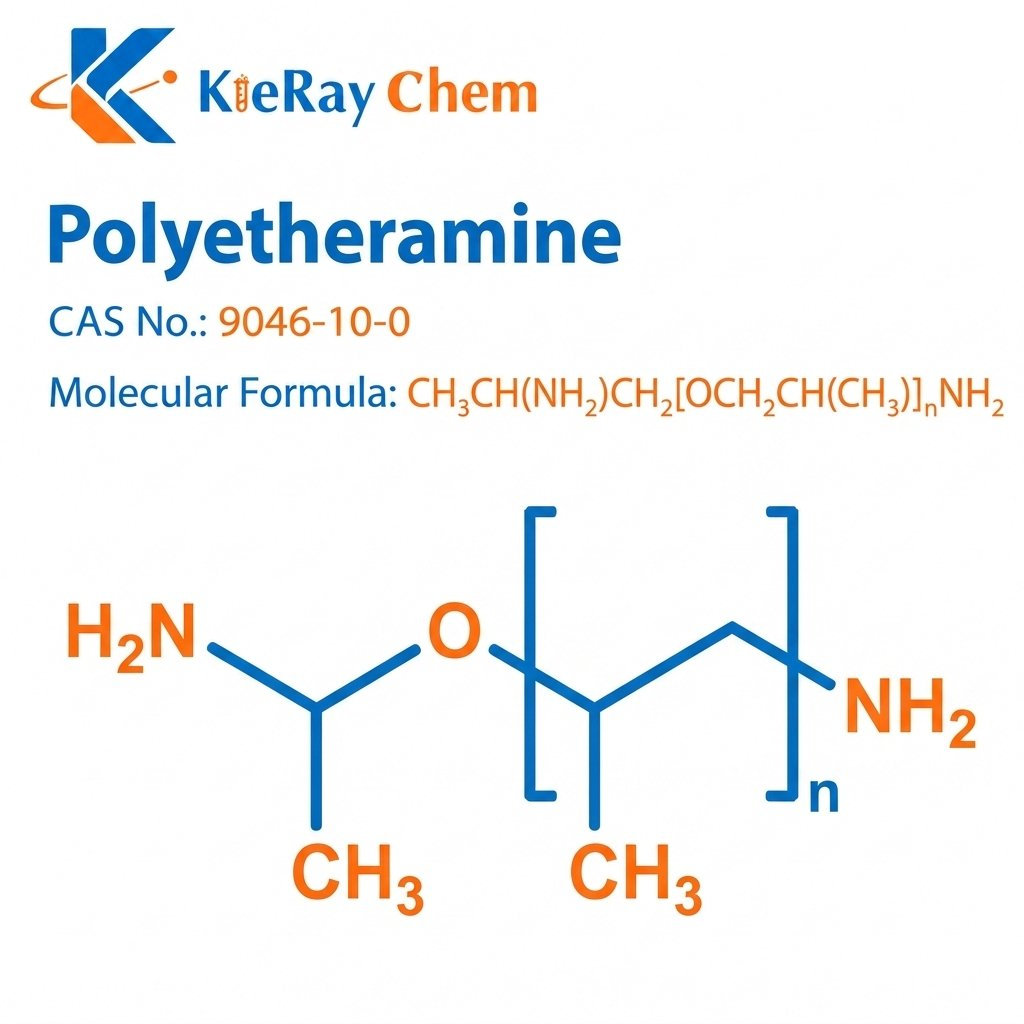
Polyetheramine 9046 10 0 Structure

Polyetheramine

Trans-3,4-Pyrrolidinediol CAS 9046-10-0 is a small, dihydroxy-functionalized pyrrolidine derivative used primarily as an organic intermediate in pharmaceutical and specialty chemical synthesis. The compound presents two vicinal hydroxyl groups on a pyrrolidine ring, providing useful reactivity for etherification, esterification, protection/deprotection chemistry, and as a chiral building block in the preparation of active pharmaceutical ingredients and fine

Polyetheramine Read More »

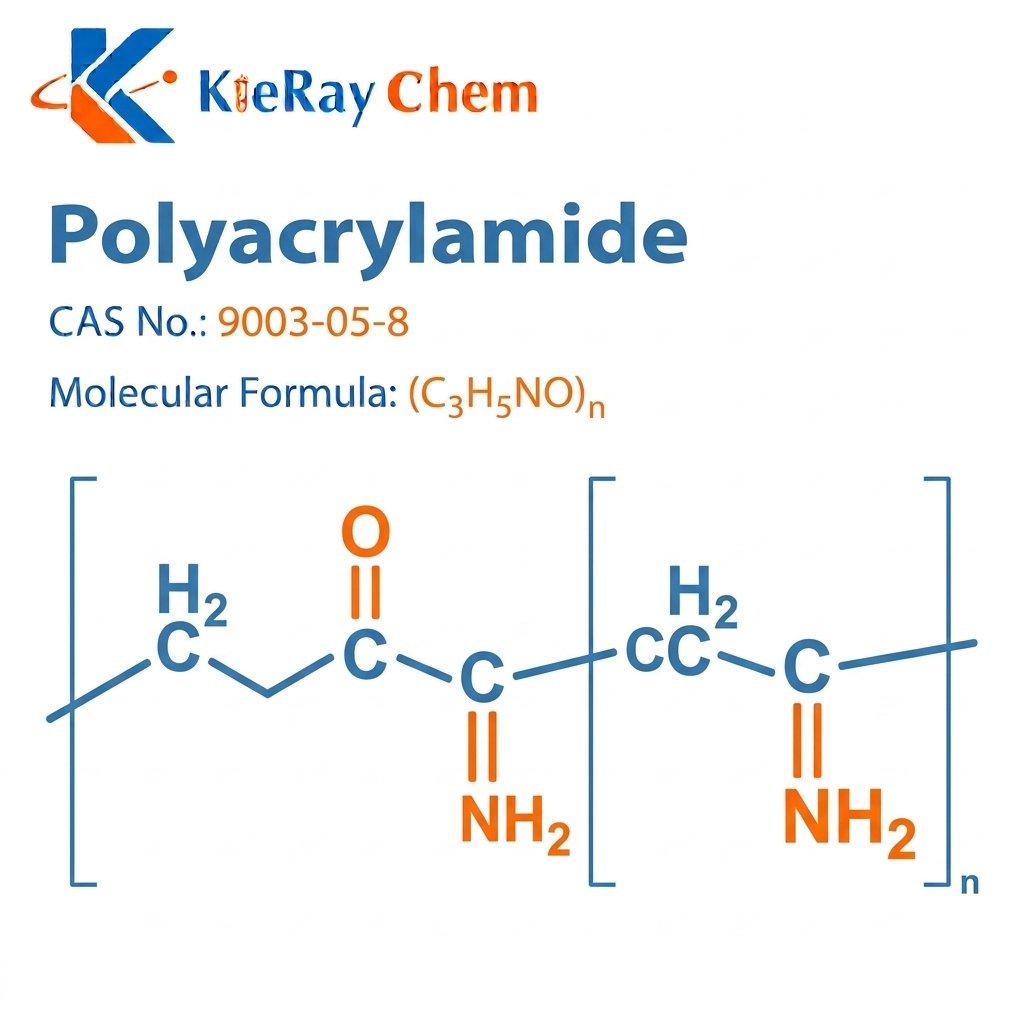
Polyacrylamide 9003 05 8 Structure

Polyacrylamide

Polyacrylamide (CAS 9003-05-8) is a water-soluble synthetic polymer formed from acrylamide monomers. Available in anionic, cationic and nonionic grades and in a range of molecular weights, polyacrylamide is widely used for flocculation, thickening, dewatering and enhanced oil recovery. As a high-molecular-weight polymer, it imparts viscosity and promotes particle aggregation in aqueous systems, improving clarification, settling

Polyacrylamide Read More »

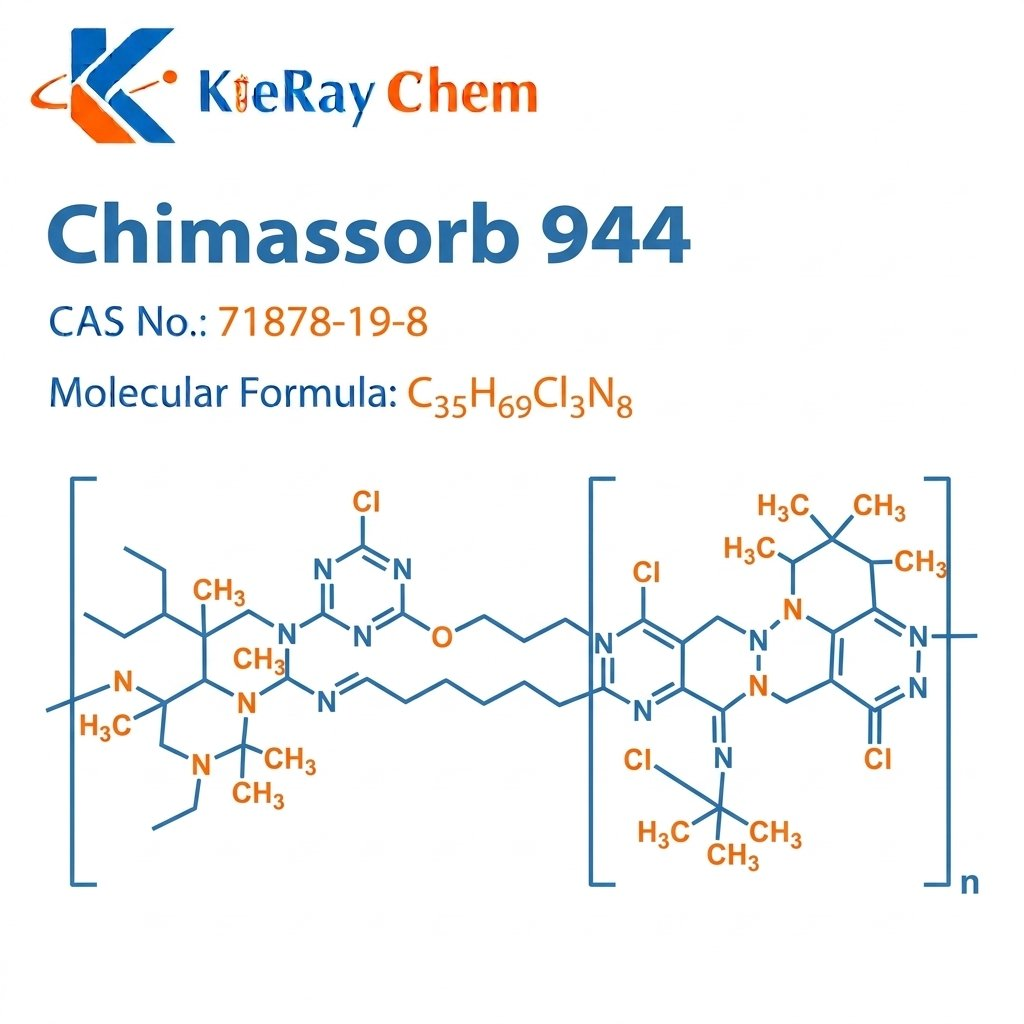
Chimassorb 944 71878 19 8 Structure

Chimassorb 944

Chimassorb 944 (CAS 71878-19-8) is a polymeric hindered amine light stabilizer (HALS) designed to protect polymers and coatings from photodegradation. As a high-molecular-weight HALS blend, Chimassorb 944 scavenges photo-generated free radicals and inhibits the chain reactions responsible for color change, cracking and loss of mechanical properties under UV exposure. It is commonly used in outdoor-grade

Chimassorb 944 Read More »

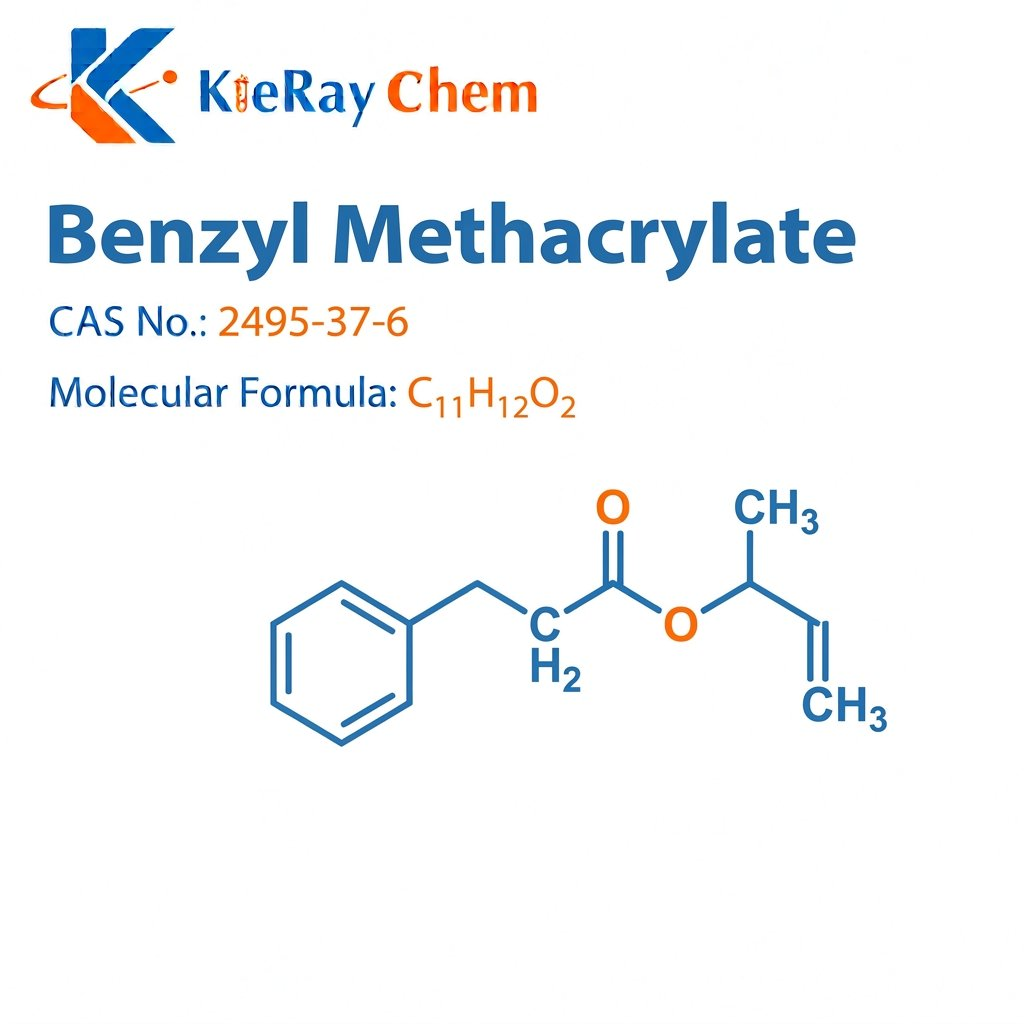
Benzyl Methacrylate 2495 37 6 Structure

Benzyl Methacrylate

Benzyl methacrylate (CAS 2495-37-6) is a methacrylate monomer bearing a benzyl ester substituent. It is a clear, low-viscosity monomer commonly used as a comonomer in acrylic resins, specialty coatings and adhesives to impart hardness, gloss and improved adhesion to substrates. The benzyl moiety increases the refractive index and can modify polymer Tg and mechanical properties

Benzyl Methacrylate Read More »
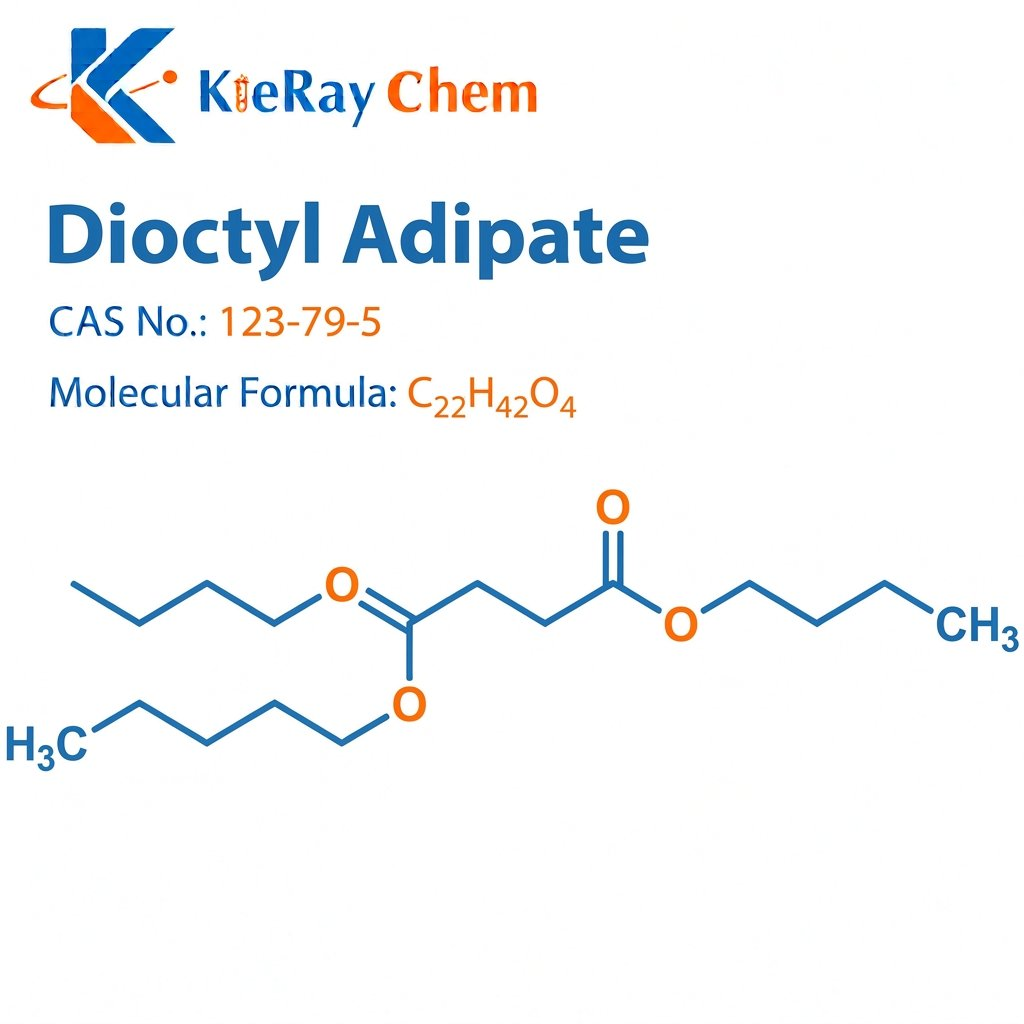
Dioctyl Adipate 123 79 5 Structure

Dioctyl Adipate

Dioctyl adipate (CAS 123-79-5), commonly abbreviated DOA, is a dialkyl ester of adipic acid widely used as a plasticizer, lubricant and emollient. With a relatively low glass transition depression and good low-temperature flexibility, DOA is favored in PVC and other flexible polymer applications where softness and cold performance are important. It is also used in

Dioctyl Adipate Read More »

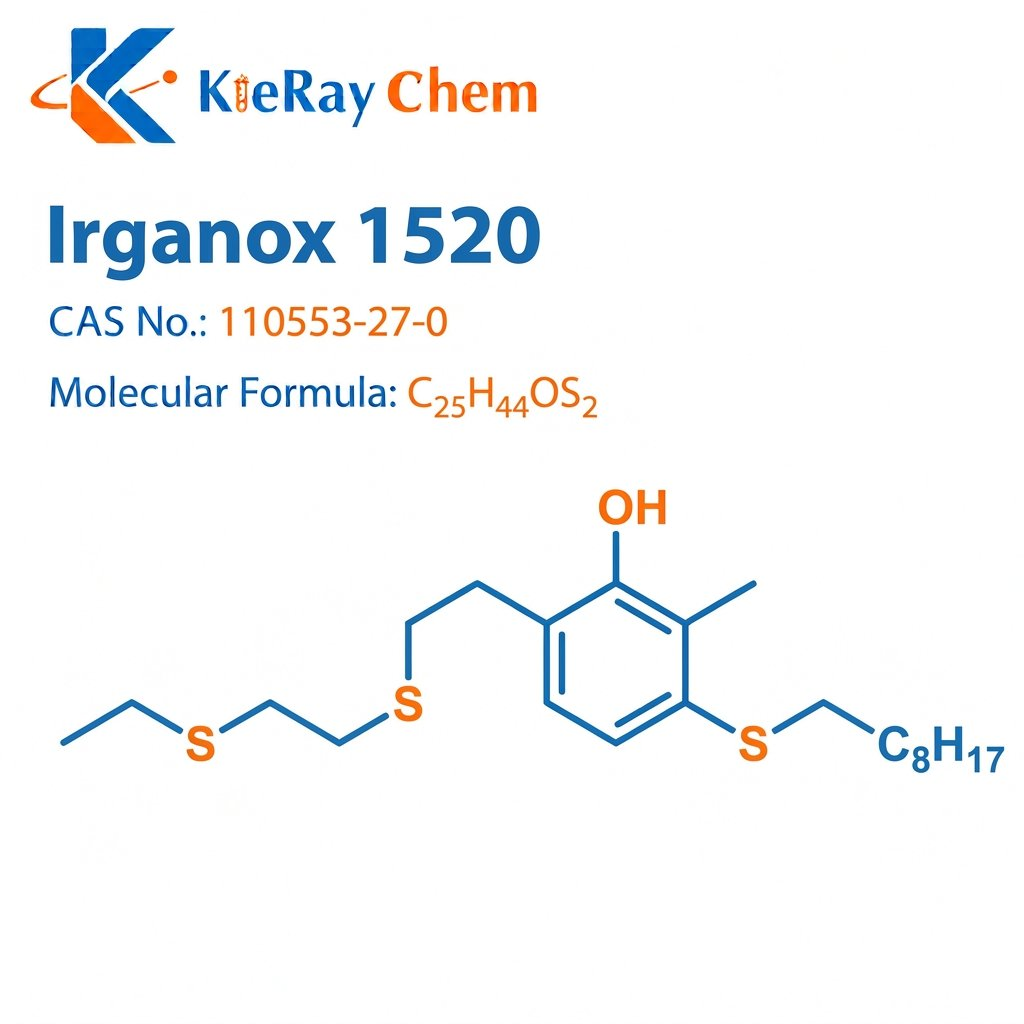
Irganox 1520 110553 27 0 Structure

Irganox 1520

Irganox 1520 (CAS 110553-27-0) is a sterically hindered phenolic antioxidant commonly used as a stabilizer in polymers, lubricants and fuel systems where long-term thermal and oxidative stability is required. The molecule contains bulky alkylthio substituents that help trap free radicals and interrupt oxidative chain reactions, thereby protecting base polymers and oils from discoloration, embrittlement and

Irganox 1520 Read More »

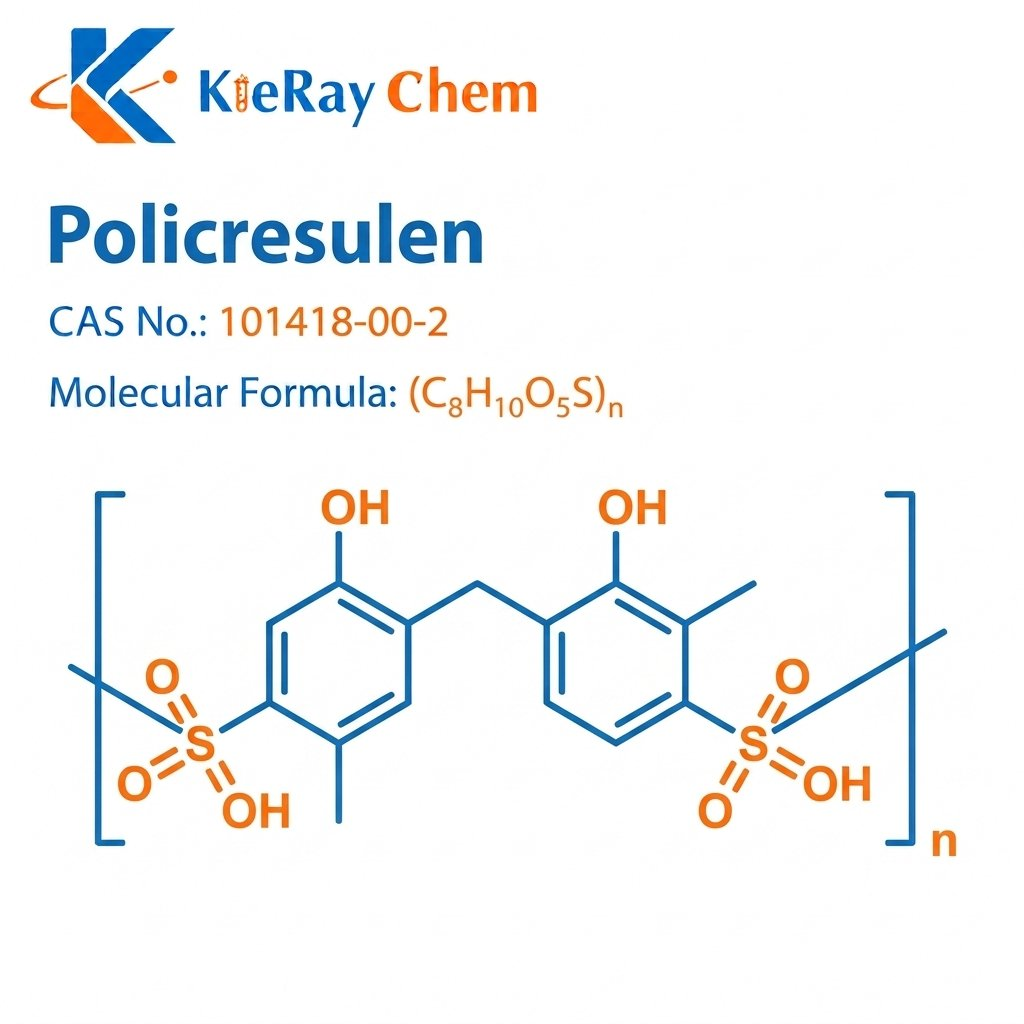
Policresulen 101418 00 2 Structure

Policresulen

Policresulen (CAS 101418-00-2) is a polymeric phenolic-sulfonic compound traditionally used in topical medical and personal care products for its antiseptic and hemostatic properties. Typically offered as a reddish-brown solution, Policresulen exhibits astringent, antimicrobial and selective coagulating actions on necrotic tissue, which has led to its use in certain gynecological and wound-care formulations under appropriate regulatory

Policresulen Read More »

REQUEST A QUOTE

Product Inquiry — Popup Form