English | 中文 | Español

Chemical Products

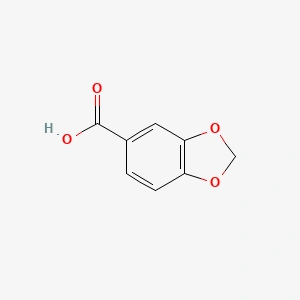
PIPERONYLIC ACID

Piperonylic acid, identified by CAS number 94-53-1, is a carboxylic acid derivative of 1,3-benzodioxole, often referred to as heliotropic acid. This organic compound typically presents as a white to off-white crystalline solid and is structurally characterized by the presence of a methylenedioxy group attached to a benzene ring with a carboxylic acid functional group. It
PIPERONYLIC ACID Read More »

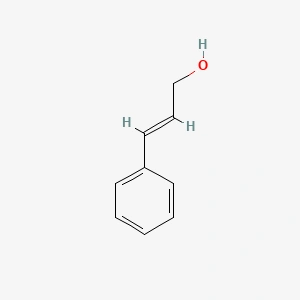
Propenoic acid, 3-phenyl-, (trans)-

Propenoic acid, 3-phenyl-, (trans)-, commonly identified by the CAS number 104-54-1, is a naturally occurring organic compound characterized by its white crystalline appearance and distinct, honey-like balsamic aroma. As a carboxylic acid derived from the phenylpropanoid pathway, it serves as a fundamental building block in various biochemical and industrial processes. Its structural stability and specific

Propenoic acid, 3-phenyl-, (trans)- Read More »

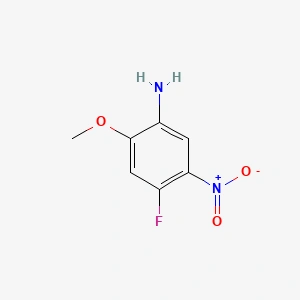
4-fluoro-2-methoxy-5-nitro-aniline

4-fluoro-2-methoxy-5-nitro-aniline, identified by CAS 1075705-01-9, is a highly specialized aromatic compound characterized by its complex substitution pattern on the benzene ring. This yellow to orange crystalline solid features an amino group, a methoxy group, a nitro group, and a fluorine atom, making it a versatile building block in organic chemistry. Its unique electronic properties, driven

4-fluoro-2-methoxy-5-nitro-aniline Read More »

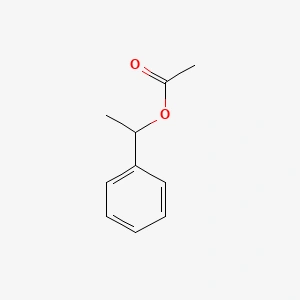
1-Phenylethyl acetate

1-Phenylethyl acetate, identified by CAS number 93-92-5, is a versatile organic ester commonly known in the industry as styrallyl acetate. This colorless liquid is characterized by its distinctively sharp, green, and floral aroma, which often carries fruity undertones reminiscent of gardenia, rhubarb, and apricot. Its chemical structure, consisting of an acetate group bonded to a

1-Phenylethyl acetate Read More »

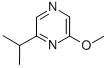
2 methoxy 6 isopropylpyrazine 93905 03 4 structure

2-Methoxy-6-isopropylpyrazine

2-Methoxy-6-isopropylpyrazine, identified by CAS number 93905-03-4, is a specialized heterocyclic aromatic compound belonging to the alkylpyrazine family. This chemical is distinguished by its potent organoleptic properties, exhibiting a characteristically intense earthy, nutty, and green aroma often associated with raw vegetables like bell peppers and peas. As a clear to pale yellow liquid, it possesses a

2-Methoxy-6-isopropylpyrazine Read More »

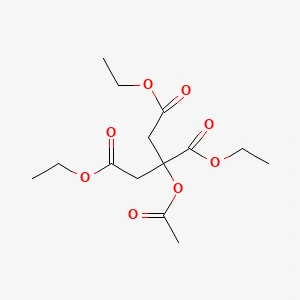
Acetyl triethyl citrate

Acetyl triethyl citrate, identified by CAS 77-89-4, is a versatile organic ester derived from the acetylation of triethyl citrate. It presents as a clear, colorless, and odorless liquid characterized by its high boiling point and low volatility. As a derivative of citric acid, this compound is highly regarded for its excellent compatibility with a wide

Acetyl triethyl citrate Read More »

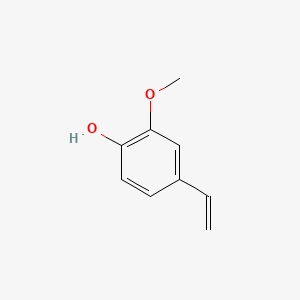
4-Vinylguaiacol

4-Vinylguaiacol, identified by CAS number 7786-61-0, is a naturally occurring phenolic compound renowned for its distinct aromatic profile. Chemically known as 2-methoxy-4-vinylphenol, it presents as a colorless to pale yellow liquid or crystalline solid depending on ambient temperature. It is a key volatile component found in various fermented and roasted products, such as roasted coffee,

4-Vinylguaiacol Read More »

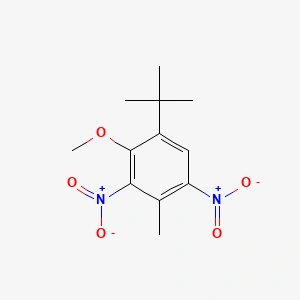
4-tert-Butyl-2,6-dinitro-3-methoxytoluene

Musk ambrette, identified by CAS number 83-66-9, is a prominent synthetic nitro-musk compound recognized for its intense and persistent fragrance profile. It typically appears as pale yellow crystals or a crystalline powder, exhibiting a characteristic musk odor with distinct floral and ambrette-seed-like undertones. Chemically known as 2,6-dinitro-3-methoxy-4-tert-butyltoluene, this compound is prized for its excellent fixative

4-tert-Butyl-2,6-dinitro-3-methoxytoluene Read More »

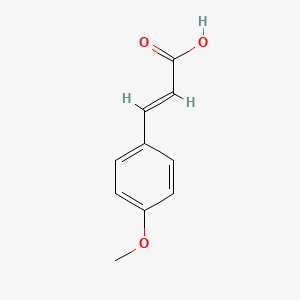
4-Methoxycinnamic acid

4-Methoxycinnamic acid, identified by CAS number 830-09-1, is a substituted cinnamic acid derivative characterized by a methoxy group at the para position of the benzene ring. It typically appears as a white to pale yellow crystalline powder. As an organic compound, it serves as a foundational building block in various chemical syntheses due to its

4-Methoxycinnamic acid Read More »

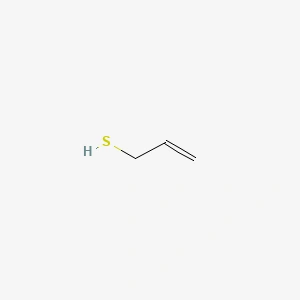
2-Propene-1-thiol

2-Propene-1-thiol, commonly referred to as allyl mercaptan, is an organosulfur compound characterized by its distinct, pungent odor reminiscent of garlic and onions. Identified by CAS number 870-23-5, this clear to pale yellow liquid is a highly reactive thiol featuring a terminal alkene group. Its dual functionality makes it a versatile building block in organic chemistry,

2-Propene-1-thiol Read More »

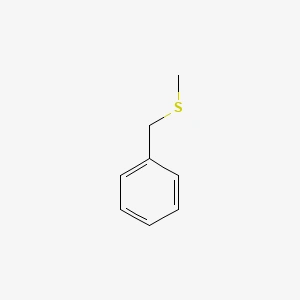
Benzyl methyl sulfide

Benzyl methyl sulfide, identified by CAS number 766-92-7, is an organosulfur compound characterized by a thioether linkage connecting a methyl group and a benzyl group. It typically appears as a clear to pale yellow liquid with a distinct, pungent odor characteristic of sulfides. As a stable thioether, it serves as a versatile building block in

Benzyl methyl sulfide Read More »

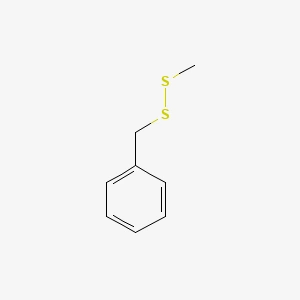
Benzyl methyl disulfide

Benzyl methyl disulfide, identified by CAS number 699-10-5, is a specialized organosulfur compound characterized by its distinct unsymmetrical disulfide bridge connecting a benzyl group and a methyl group. This clear to pale yellow liquid is recognized for its potent and characteristic sulfurous aroma, which is often associated with natural volatile components found in Allium species

Benzyl methyl disulfide Read More »

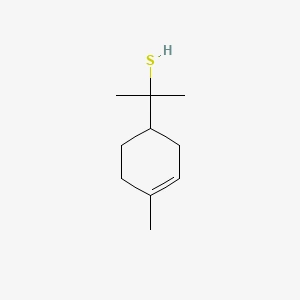
1-p-Menthene-8-thiol

1-p-Menthene-8-thiol, commonly known as grapefruit mercaptan, is a highly potent organosulfur compound with the CAS registry number 71159-90-5. Structurally related to limonene, this terpene thiol is recognized as one of the most powerful aroma chemicals in existence, possessing an incredibly low odor detection threshold. In its concentrated form, the substance exhibits a sharp, sulfurous profile,

1-p-Menthene-8-thiol Read More »

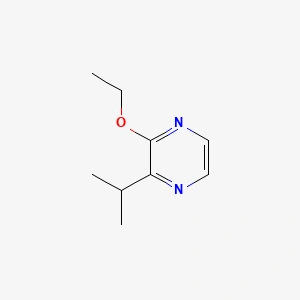
Pyrazine, 2-ethoxy-3-(1-methylethyl)-

Pyrazine, 2-ethoxy-3-(1-methylethyl)-, also known as 2-ethoxy-3-isopropylpyrazine, is a specialized heterocyclic aromatic compound belonging to the pyrazine family. This chemical is distinguished by the presence of both an ethoxy group and an isopropyl substituent on the pyrazine ring, a configuration that imparts significant organoleptic potency. In its physical form, it is typically a colorless to pale

Pyrazine, 2-ethoxy-3-(1-methylethyl)- Read More »

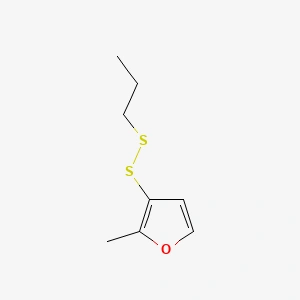
2-methyl-3-(propyldisulfanyl)furan

2-methyl-3-(propyldisulfanyl)furan, identified by CAS 61197-09-9, is a specialized organosulfur compound characterized by a furan ring substituted with a propyldisulfanyl group. This colorless to pale yellow liquid is highly valued in the chemical and flavor industries for its potent and distinctive organoleptic properties. As a member of the furanoid disulfide family, it exhibits a complex aromatic

2-methyl-3-(propyldisulfanyl)furan Read More »

REQUEST A QUOTE

Product Inquiry — Popup Form