English | 中文 | Español

Chemical Products

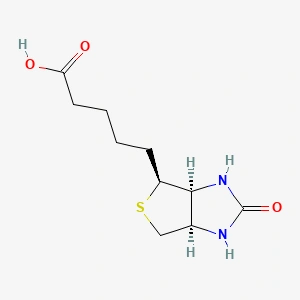
Biotin 58 85 5 Structure

Biotin

Biotin, identified by CAS number 58-85-5, is a water-soluble B-complex vitamin essential for various metabolic processes across diverse biological systems. Chemically, it is a heterocyclic, sulfur-containing monocarboxylic acid that typically appears as a white to off-white crystalline powder. It is recognized for its high stability under standard storage conditions, though it remains sensitive to extreme
Biotin Read More »

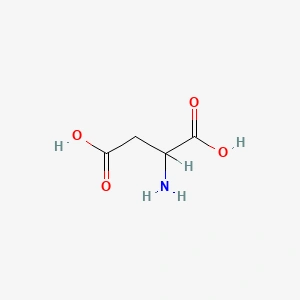
DL Aspartic Acid 617 45 8 Structure

DL-Aspartic acid

DL-Aspartic acid, identified by CAS number 617-45-8, is a racemic mixture comprising equal parts of the D- and L-enantiomers of aspartic acid. This non-essential amino acid typically presents as a white crystalline powder or colorless crystals. It is characterized by its dual carboxylic acid functional groups and a primary amine group, which contribute to its

DL-Aspartic acid Read More »

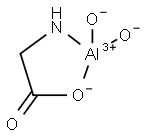
aluminum glycinate 13682 92 3 structure

Aluminum Glycinate

Aluminum Glycinate, identified by CAS 13682-92-3, is a specialized chemical compound consisting of aluminum and the amino acid glycine. It typically appears as a white, odorless, and crystalline powder with a slightly sweet taste. Chemically, it is recognized for its stability and its ability to act as a buffering agent, maintaining specific pH levels in

Aluminum Glycinate Read More »

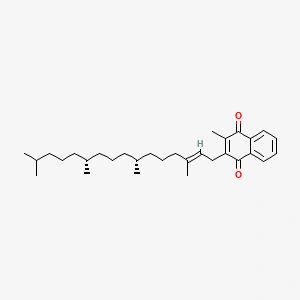
Phylloquinone Vitamin K1 84 80 0 Structure

Phylloquinone (Vitamin K1)

Phylloquinone, widely recognized as Vitamin K1, is a naturally occurring fat-soluble compound belonging to the naphthoquinone family. Chemically identified by its 2-methyl-1,4-naphthoquinone structure with a long isoprenoid side chain, it typically presents as a viscous, amber-colored oil. This substance is sensitive to ultraviolet light and oxidation, necessitating careful handling and storage in light-protected, airtight environments

Phylloquinone (Vitamin K1) Read More »

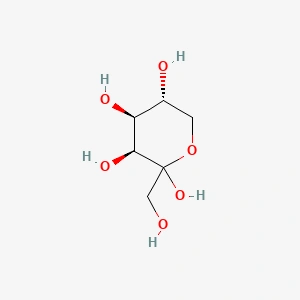
D Tagatose 87 81 0 Structure

D-Tagatose

D-Tagatose, identified by CAS 87-81-0, is a naturally occurring monosaccharide and a functional ketohexose that serves as a rare sugar isomer of D-galactose. It is typically found in small quantities in dairy products and is produced industrially through the enzymatic isomerization of galactose. As a white, odorless crystalline powder, it exhibits high solubility in water

D-Tagatose Read More »

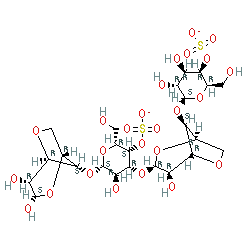
Sulfated Oligosaccharide 11114 20 8 Structure

Sulfated Oligosaccharide

Sulfated Oligosaccharide, identified by CAS 11114-20-8, represents a diverse class of anionic carbohydrates characterized by the presence of sulfate ester groups attached to the saccharide backbone. These compounds are typically derived from natural sources, such as marine algae, or through the controlled synthetic modification of oligosaccharides. Chemically, they exhibit high water solubility and a strong

Sulfated Oligosaccharide Read More »

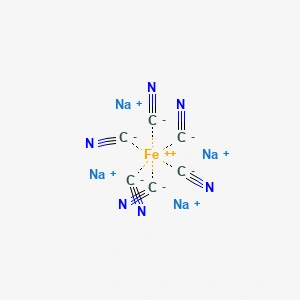
Sodium Ferrocyanide 13601 19 9 Structure

Sodium ferrocyanide

Sodium ferrocyanide, identified by CAS 13601-19-9 and often referred to as yellow prussiate of soda, is a coordination compound of iron and sodium. It typically appears as yellow monoclinic crystals or powder and is highly soluble in water but insoluble in alcohol. While it contains cyanide groups, these are strongly bonded to the central iron

Sodium ferrocyanide Read More »

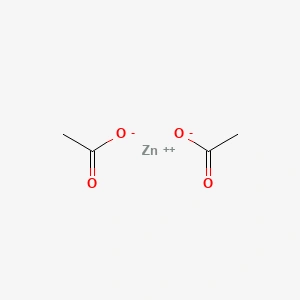
Zinc Acetate 557 34 6 Structure

Zinc acetate

Zinc acetate, identified by CAS number 557-34-6, is the anhydrous zinc salt of acetic acid. It typically appears as a white crystalline solid or powder and is distinguished by its excellent solubility in water and various organic solvents. This solubility profile allows it to act as an effective source of zinc ions in aqueous and

Zinc acetate Read More »

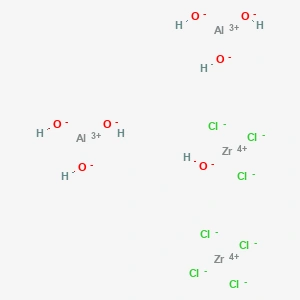
Aluminum Zirconium Chlorohydrate 57158 29 9 Structure

Aluminum zirconium chlorohydrate

Aluminum zirconium chlorohydrate, identified by CAS 57158-29-9, is a high-performance inorganic compound widely utilized for its astringent and coagulating properties. It typically exists as a complex mixture of aluminum and zirconium salts, characterized by its ability to form stable aqueous solutions. The material is valued in industrial and chemical research for its unique ionic structure,

Aluminum zirconium chlorohydrate Read More »

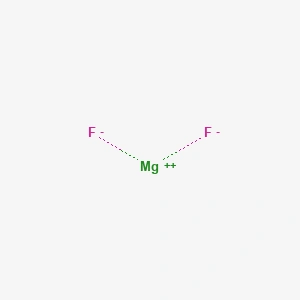
Magnesium Fluoride 7783 40 6 Structure

Magnesium fluoride

Magnesium fluoride, identified by CAS number 7783-40-6, is an inorganic compound appearing as a white, crystalline powder or as transparent crystals. This salt is characterized by its exceptional physical and chemical stability, remaining insoluble in water and most organic solvents while showing slight solubility in dilute acids. Its crystal structure is typically tetragonal, similar to

Magnesium fluoride Read More »

Strontium Fluoride 7783 48 4 Structure

Strontium fluoride

Strontium fluoride (CAS 7783-48-4) is a stable inorganic compound appearing as a white crystalline solid or fine powder. As a member of the alkaline earth halide family, it exhibits a high melting point and possesses a cubic crystal structure analogous to that of fluorite. It is characterized by its low solubility in water and exceptional

Strontium fluoride Read More »

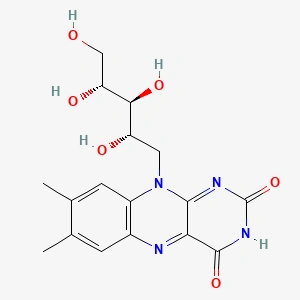
Riboflavin Vitamin B2 83 88 5 Structure

Riboflavin (Vitamin B2)

Riboflavin, also known as Vitamin B2, is a water-soluble micronutrient essential for cellular metabolism. Chemically identified as 7,8-dimethyl-10-(D-ribo-2,3,4,5-tetrahydroxypentyl)isoalloxazine, it typically presents as a yellow to orange-yellow crystalline powder. This compound is characterized by its distinct fluorescence and sensitivity to light, particularly in the ultraviolet spectrum, which necessitates careful handling and storage in opaque containers to

Riboflavin (Vitamin B2) Read More »

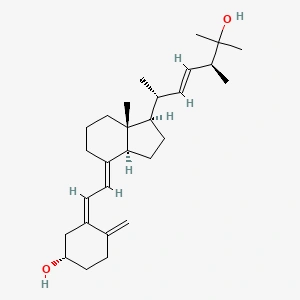
25 Hydroxyvitamin D2 21343 40 8 Structure

25-Hydroxyvitamin D2

25-Hydroxyvitamin D2, identified by CAS number 21343-40-8, is a crucial metabolic intermediate of Vitamin D2, also known as ergocalciferol. This compound is synthesized in the liver through the hydroxylation of Vitamin D2 by the enzyme 25-hydroxylase. As a major circulating form of Vitamin D2, it serves as a primary indicator for assessing nutritional status and

25-Hydroxyvitamin D2 Read More »

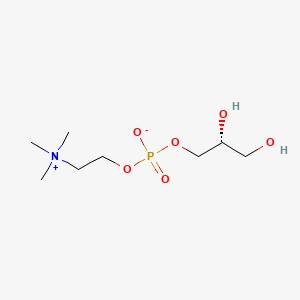
Choline Alfoscerate 28319 77 9 Structure

Choline alfoscerate

Choline alfoscerate, identified by CAS number 28319-77-9, is a naturally occurring choline compound and a critical phospholipid metabolite. Chemically known as L-alpha-glycerylphosphorylcholine, it serves as a highly bioavailable precursor to the neurotransmitter acetylcholine. The substance is characterized by its significant water solubility and hygroscopic properties, requiring stringent storage conditions in cool, dry environments to prevent

Choline alfoscerate Read More »

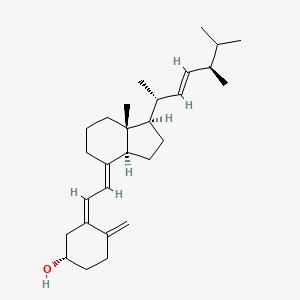
Vitamin D2 Ergocalciferol 50 14 6 Structure

Vitamin D2 (Ergocalciferol)

Vitamin D2, scientifically known as ergocalciferol, is a fat-soluble secosteroid belonging to the vitamin D family. It is synthesized through the photochemical activation of ergosterol, a sterol found in fungi, yeast, and certain plants, when exposed to ultraviolet radiation. Chemically, it is characterized by its crystalline structure and its solubility in organic solvents like ethanol

Vitamin D2 (Ergocalciferol) Read More »

REQUEST A QUOTE

Product Inquiry — Popup Form