English | 中文 | Español

Chemical Products

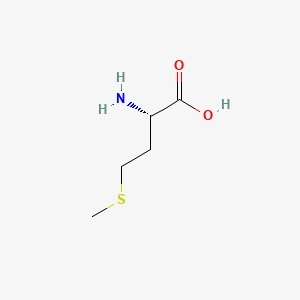
L Methionine 63 68 3 Structure

L-methionine

L-methionine, identified by CAS number 63-68-3, is a naturally occurring, sulfur-containing essential amino acid that plays a fundamental role in biological protein synthesis. As one of the two sulfur-bearing amino acids, it serves as a critical building block for various physiological processes and is characterized by its distinct thioether side chain. In its pure form,
L-methionine Read More »

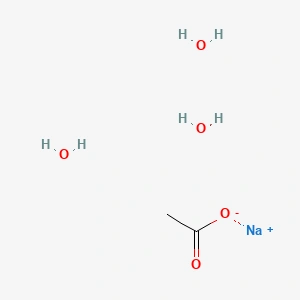
Sodium Acetate Trihydrate 6131 90 4 Structure

Sodium acetate trihydrate

Sodium acetate trihydrate, identified by CAS number 6131-90-4, is the trihydrate form of the sodium salt of acetic acid. It typically appears as colorless, transparent crystals or a white crystalline powder. This compound is highly soluble in water and exhibits a slightly alkaline pH in solution. As a versatile chemical reagent, it is valued for

Sodium acetate trihydrate Read More »

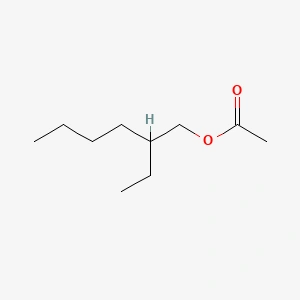
2 Ethylhexyl Acetate 103 09 3 Structure

2‑Ethylhexyl acetate

2-Ethylhexyl acetate, identified by CAS 103-09-3, is a high-boiling ester characterized by its clear liquid appearance and a distinctive, mild fruity aroma. As a derivative of 2-ethylhexanol and acetic acid, this compound exhibits a low rate of evaporation and excellent solvency for a wide range of organic materials. Its chemical stability and hydrophobic nature make

2‑Ethylhexyl acetate Read More »

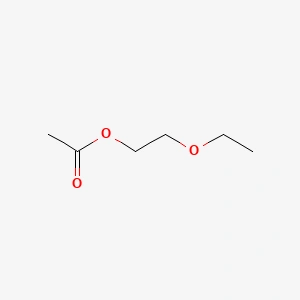
2 Ethoxyethyl Acetate 111 15 9 Structure

2‑Ethoxyethyl acetate

2-Ethoxyethyl acetate, identified by CAS number 111-15-9 and often referred to as Cellosolve acetate, is a versatile organic compound belonging to the glycol ether ester family. This clear, colorless liquid is characterized by its mild, ether-like odor and its ability to act as a high-boiling, slow-evaporating solvent. It possesses a unique molecular structure that combines

2‑Ethoxyethyl acetate Read More »

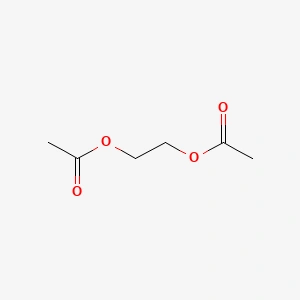
Glycol Diacetate 111 55 7 Structure

Glycol diacetate

Glycol diacetate, also known as ethylene glycol diacetate or 1,2-diacetoxyethane, is a clear, colorless liquid characterized by a mild, pleasant ester-like odor. As a high-boiling oxygenated solvent, it exhibits low volatility and a high flash point, making it a safer alternative to more volatile organic compounds in various industrial settings. Its chemical structure, featuring two

Glycol diacetate Read More »

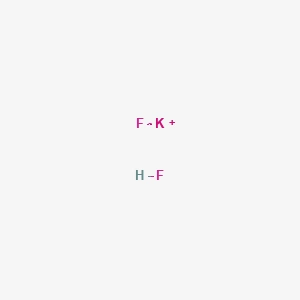
Potassium Bifluoride 7789 29 9 Structure

Potassium bifluoride

Potassium bifluoride, identified by CAS 7789-29-9, is an inorganic compound appearing as a colorless or white crystalline solid. Characterized by its acidic nature and high solubility in water, this salt is a stable source of hydrogen fluoride. It is primarily valued for its ability to act as a flux and a chemical reagent in various

Potassium bifluoride Read More »

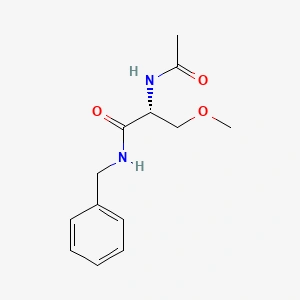
Lacosamide 175481 36 4 Structure

Lacosamide

Lacosamide, identified by the CAS number 175481-36-4, is a functionalized amino acid derivative chemically known as (R)-2-acetamido-N-benzyl-3-methoxypropionamide. This compound typically appears as a white to off-white crystalline powder and exhibits favorable solubility in both aqueous and organic media. It is characterized by its high purity levels and stable molecular structure, making it a reliable building

Lacosamide Read More »

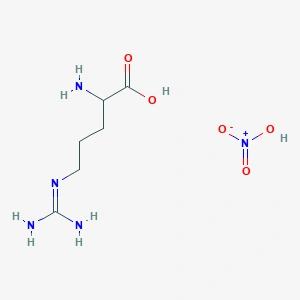
Arginine Nitrate 223253 05 2 Structure

Arginine nitrate

Arginine nitrate, identified by CAS number 223253-05-2, is a specialty salt formed by the combination of the amino acid L-arginine and nitric acid. This compound is typically presented as a white, crystalline powder with high water solubility, making it suitable for various aqueous formulations and dry-mix applications. Its chemical structure integrates the physiological benefits of

Arginine nitrate Read More »

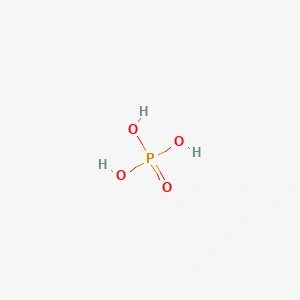
Phosphoric Acid 7664 38 2 Structure

Phosphoric acid

Phosphoric acid, identified by CAS number 7664-38-2, is a fundamental inorganic mineral acid frequently encountered as a clear, colorless, and odorless liquid. In its pure anhydrous form, it exists as a white crystalline solid, though it is most commonly utilized in aqueous solutions of varying concentrations. As a triprotic acid, it exhibits unique chemical characteristics,

Phosphoric acid Read More »

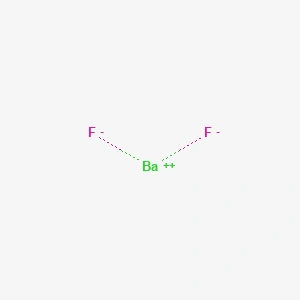
Barium Fluoride 7787 32 8 Structure

Barium fluoride

Barium fluoride, identified by CAS number 7787-32-8, is an inorganic compound appearing as a white crystalline powder or transparent cubic crystal. It is characterized by its relatively low solubility in water and high stability under various environmental conditions. As an alkaline earth metal halide, it possesses a high density and a wide bandgap, making it

Barium fluoride Read More »

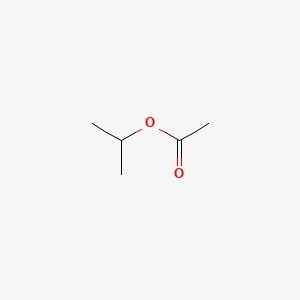
Isopropyl Acetate 108 21 4 Structure

Isopropyl acetate

Isopropyl acetate, identified by CAS number 108-21-4, is a clear, colorless liquid ester characterized by its distinct fruity odor. As a fast-evaporating organic solvent, it is produced through the esterification of acetic acid and isopropanol. Its chemical profile features a low boiling point and moderate polarity, making it highly effective at dissolving a wide variety

Isopropyl acetate Read More »

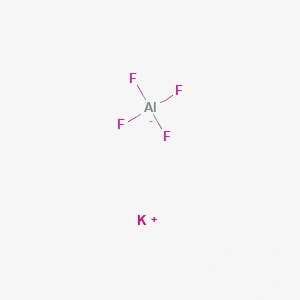
Potassium Tetrafluoroaluminate 14484 69 6 Structure

Potassium tetrafluoroaluminate

Potassium tetrafluoroaluminate, identified by CAS number 14484-69-6, is a specialized inorganic compound primarily utilized as a fluxing agent in metallurgical processes. Often appearing as a white or light gray crystalline powder, this salt is characterized by its stable chemical profile and its ability to lower the melting point of oxide layers on metal surfaces. Its

Potassium tetrafluoroaluminate Read More »

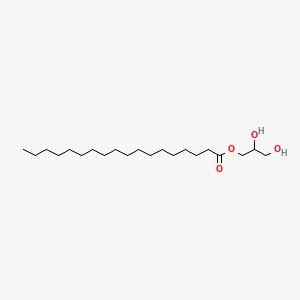
Glyceryl Monostearate 31566 31 1 Structure

Glyceryl monostearate

Glyceryl monostearate, identified by CAS 31566-31-1, is a versatile organic compound widely utilized as a non-ionic surfactant and emulsifying agent. Chemically, it is a glycerol ester of stearic acid, typically appearing as a white, waxy, or flaky solid. Its amphiphilic nature, featuring both hydrophilic hydroxyl groups and a lipophilic hydrocarbon chain, allows it to effectively

Glyceryl monostearate Read More »

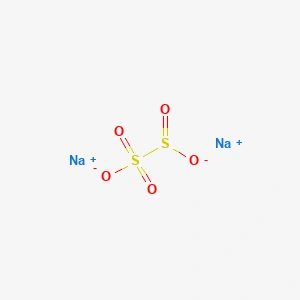
Sodium Metabisulfite 7681 57 4 Structure

Sodium metabisulfite

Sodium metabisulfite, identified by CAS number 7681-57-4, is an inorganic chemical compound consisting of sodium, sulfur, and oxygen. Commonly appearing as a white crystalline powder or granular solid, it possesses a distinct, pungent sulfurous odor. As a potent reducing agent, it is highly valued for its ability to prevent oxidation and inhibit the growth of

Sodium metabisulfite Read More »

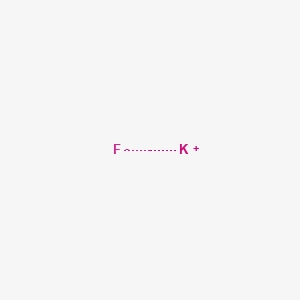
Potassium Fluoride 7789 23 3 Structure

Potassium fluoride

Potassium fluoride, identified by CAS number 7789-23-3, is a prominent inorganic salt that serves as a primary source of fluoride ions in various industrial and laboratory settings. Typically appearing as a white, crystalline powder or solid, it is highly soluble in water and exhibits hygroscopic properties, meaning it readily absorbs moisture from the atmosphere. As

Potassium fluoride Read More »

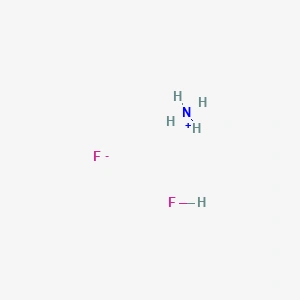
Ammonium Bifluoride 1341 49 7 Structure

Ammonium bifluoride

Ammonium bifluoride, identified by CAS number 1341-49-7, is a versatile inorganic compound characterized by its white, crystalline appearance and strong acidic properties. As an acid salt derived from ammonium and hydrogen fluoride, it is highly soluble in water and exhibits significant reactivity toward silicate-based materials. This chemical is valued for its ability to provide a

Ammonium bifluoride Read More »

REQUEST A QUOTE

Product Inquiry — Popup Form