English | 中文 | Español

Chemical Products

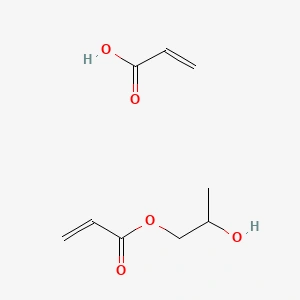
Acrylic Acid 2 Hydroxypropyl Acrylate 1 1 55719 33 0 Structure

Acrylic acid / 2‑Hydroxypropyl acrylate (1:1)

CAS 55719-33-0, chemically identified as a combination of acrylic acid and 2-hydroxypropyl acrylate in a 1:1 ratio, serves as a versatile monomeric building block in polymer chemistry. This compound integrates the reactive carboxylic acid group of acrylic acid with the hydroxyl functionality of the acrylate ester. This dual-functional nature allows for the synthesis of polymers

Acrylic acid / 2‑Hydroxypropyl acrylate (1:1) Read More »
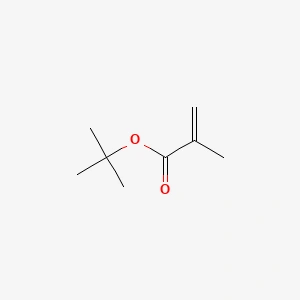
Tert Butyl Methacrylate 585 07 9 Structure

tert-Butyl Methacrylate

tert-Butyl Methacrylate, identified by CAS number 585-07-9, is a versatile methacrylic ester characterized by a bulky tert-butyl side group. This clear, colorless liquid serves as a critical monomer in the synthesis of specialized acrylic resins and copolymers. Its unique molecular structure, featuring a hindered ester group, imparts distinct physical and chemical properties to the resulting

tert-Butyl Methacrylate Read More »

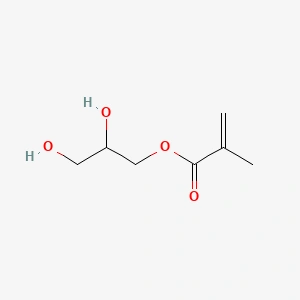
2 3 Dihydroxypropyl Methacrylate Glycerol Monomethacrylate 5919 74 4 Structure

2,3‑Dihydroxypropyl Methacrylate (Glycerol Monomethacrylate)

2,3-Dihydroxypropyl Methacrylate, commonly known as Glycerol Monomethacrylate (GMMA), is a versatile functional monomer characterized by its methacrylate ester group and a vicinal diol side chain. This chemical structure imparts significant hydrophilic properties and high reactivity, making it a valuable building block in polymer science. As a clear, low-viscosity liquid, it is typically stabilized with inhibitors

2,3‑Dihydroxypropyl Methacrylate (Glycerol Monomethacrylate) Read More »

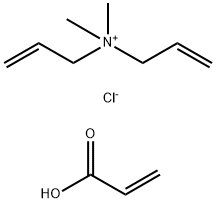
polyquaternium 22 53694 17 0 structure

Polyquaternium-22

Polyquaternium-22, identified by CAS 53694-17-0, is a high-charge density cationic polymer widely utilized across various industrial sectors. It typically appears as a colorless to pale yellow, viscous liquid and is characterized by its excellent solubility in water. As a linear homopolymer formed from diallyldimethylammonium chloride monomers, it functions as a potent polyelectrolyte, maintaining its cationic

Polyquaternium-22 Read More »

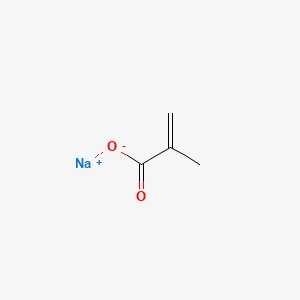
Sodium Methacrylate 5536 61 8 Structure

Sodium methacrylate

Sodium methacrylate, identified by CAS number 5536-61-8, is the sodium salt of methacrylic acid. It typically presents as a white, crystalline solid or powder and is highly soluble in aqueous environments. As a functional monomer, it possesses a reactive vinyl group and a hydrophilic carboxylate group, making it a versatile building block for the synthesis

Sodium methacrylate Read More »

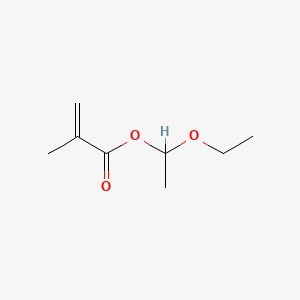
1 Ethoxyethyl Methacrylate 51920 52 6 Structure

1-Ethoxyethyl methacrylate

1-Ethoxyethyl methacrylate, identified by CAS 51920-52-6, is a specialized monomer characterized by its unique acetal linkage. As a derivative of methacrylic acid, it features an ethoxyethyl protecting group that imparts specific chemical reactivity, most notably its sensitivity to acidic environments. This clear, liquid monomer is valued in advanced material science for its ability to undergo

1-Ethoxyethyl methacrylate Read More »

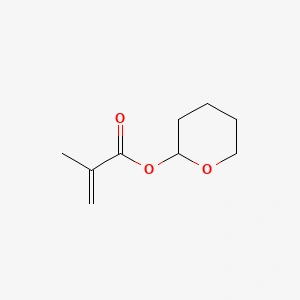
Tetrahydropyranyl Methacrylate 52858 59 0 Structure

Tetrahydropyranyl methacrylate

Tetrahydropyranyl methacrylate, identified by CAS number 52858-59-0, is a specialized monomer characterized by the presence of an acid-labile tetrahydropyranyl protecting group attached to a methacrylate backbone. This clear, colorless to pale yellow liquid is highly valued in advanced polymer chemistry due to its unique reactivity profile. The molecule allows for the synthesis of polymers that

Tetrahydropyranyl methacrylate Read More »

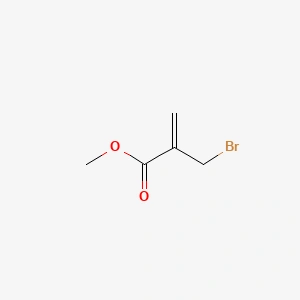
Methyl 2 Bromomethyl Acrylate 4224 69 5 Structure

Methyl 2-(bromomethyl)acrylate

Methyl 2-(bromomethyl)acrylate, identified by CAS number 4224-69-5, is a highly reactive organic compound belonging to the class of alpha-substituted acrylic esters. It typically appears as a colorless to pale yellow liquid and is characterized by the presence of a bromomethyl group adjacent to the acrylate moiety. This bifunctional structure makes it a potent electrophile, capable

Methyl 2-(bromomethyl)acrylate Read More »

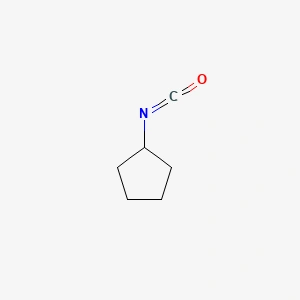
Cyclopentyl Isocyanate 4747 71 1 Structure

Cyclopentyl isocyanate

Cyclopentyl isocyanate, identified by CAS number 4747-71-1, is a versatile organic building block characterized by the presence of a reactive isocyanate functional group attached to a five-membered carbocyclic ring. This clear to pale yellow liquid serves as a critical intermediate in the synthesis of various nitrogen-containing compounds. Its unique alicyclic structure provides a specific steric

Cyclopentyl isocyanate Read More »

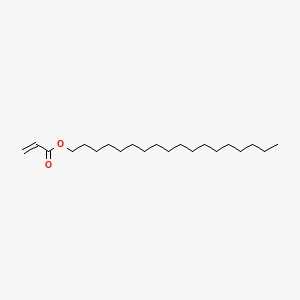
Octadecyl Acrylate 4813 57 4 Structure

Octadecyl acrylate

Octadecyl acrylate, identified by CAS 4813-57-4, is a long-chain monofunctional monomer characterized by its eighteen-carbon linear alkyl side chain attached to an acrylate ester group. Often referred to as stearyl acrylate, this compound appears as a waxy solid or a clear liquid depending on the ambient temperature, owing to its melting point near 30-35°C. Its

Octadecyl acrylate Read More »

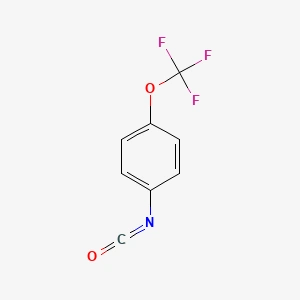
4 Trifluoromethoxy Phenyl Isocyanate 35037 73 1 Structure

4-(trifluoromethoxy)phenyl isocyanate

4-(Trifluoromethoxy)phenyl isocyanate, identified by CAS number 35037-73-1, is a specialized organofluorine building block characterized by the presence of a reactive isocyanate group and a trifluoromethoxy substituent on a benzene ring. This clear to pale yellow liquid is highly valued in synthetic chemistry for its ability to introduce the trifluoromethoxy moiety, which is known to significantly

4-(trifluoromethoxy)phenyl isocyanate Read More »

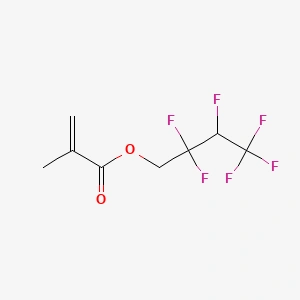
2 2 3 4 4 4 Hexafluorobutyl Methacrylate 36405 47 7 Structure

2,2,3,4,4,4-hexafluorobutyl methacrylate

2,2,3,4,4,4-hexafluorobutyl methacrylate, identified by CAS number 36405-47-7, is a high-performance fluorinated monomer characterized by its unique chemical structure, which incorporates a hexafluorinated butyl side chain attached to a methacrylate backbone. This clear, colorless liquid is prized for its ability to impart exceptional properties to resulting polymers, including enhanced thermal stability, chemical resistance, and low surface

2,2,3,4,4,4-hexafluorobutyl methacrylate Read More »

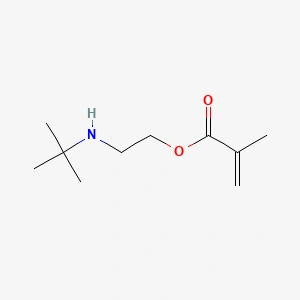
Tert Butylaminoethyl Methacrylate 3775 90 4 Structure

tert-Butylaminoethyl methacrylate

tert-Butylaminoethyl methacrylate, commonly identified by CAS number 3775-90-4, is a versatile amino-functional monomer characterized by its methacrylate backbone and a bulky tert-butylamine side chain. This clear, colorless to pale yellow liquid is highly reactive and typically contains a polymerization inhibitor to ensure stability during storage and transport. Its unique structure allows it to participate in

tert-Butylaminoethyl methacrylate Read More »

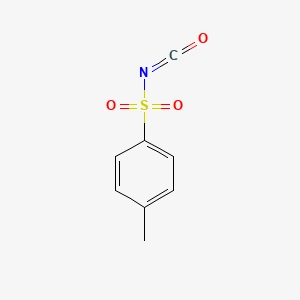
P Toluenesulfonyl Isocyanate 4083 64 1 Structure

p-Toluenesulfonyl isocyanate

p-Toluenesulfonyl isocyanate, commonly referred to by its CAS number 4083-64-1 or the acronym PTSI, is a highly reactive organic compound belonging to the sulfonyl isocyanate family. It typically appears as a clear, colorless to pale yellow liquid characterized by a distinct, sharp odor. Due to its unique chemical structure, which combines a sulfonyl group with

p-Toluenesulfonyl isocyanate Read More »

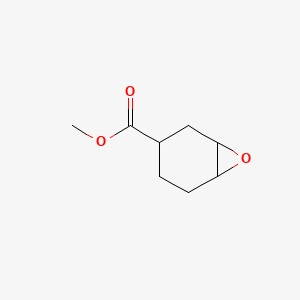
Methyl 3 4 Epoxycyclohexanecarboxylate 41088 52 2 Structure

Methyl 3,4-epoxycyclohexanecarboxylate

Methyl 3,4-epoxycyclohexanecarboxylate, identified by CAS number 41088-52-2, is a cycloaliphatic epoxy resin monomer characterized by its unique alicyclic structure and reactive ester functionality. As a low-viscosity liquid, it serves as a critical building block in advanced polymer chemistry. Its chemical architecture provides high reactivity toward cationic polymerization, making it a preferred choice for systems requiring

Methyl 3,4-epoxycyclohexanecarboxylate Read More »

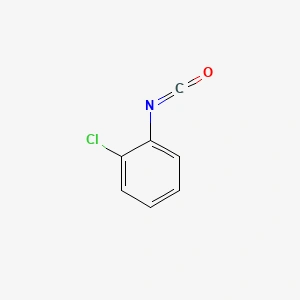
O Chlorophenyl Isocyanate 3320 83 0 Structure

o-chlorophenyl isocyanate

o-Chlorophenyl isocyanate, identified by CAS number 3320-83-0, is a highly reactive organic compound belonging to the aromatic isocyanate family. Characterized as a colorless to pale yellow liquid with a sharp, irritating odor, this molecule features a chlorine atom at the ortho position of the phenyl ring, which significantly influences its chemical reactivity and physical properties

o-chlorophenyl isocyanate Read More »

REQUEST A QUOTE

Product Inquiry — Popup Form