English | 中文 | Español

Chemical Products

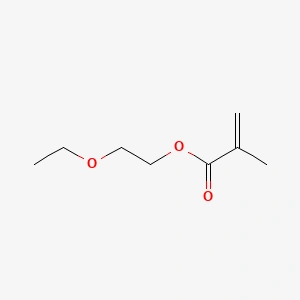
2 Ethoxyethyl Methacrylate 2370 63 0 Structure

2-Ethoxyethyl methacrylate

2-Ethoxyethyl methacrylate, identified by CAS number 2370-63-0, is a versatile monofunctional methacrylate monomer characterized by its low volatility and relatively low odor profile compared to shorter-chain alkyl methacrylates. As a clear, colorless liquid, it serves as a critical building block in the synthesis of specialized acrylic polymers. The presence of the ethoxy group in its

2-Ethoxyethyl methacrylate Read More »
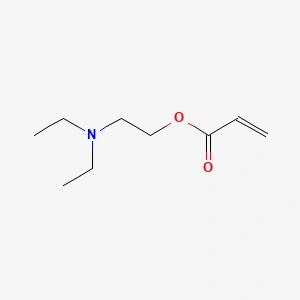
2 Diethylaminoethyl Acrylate 2426 54 2 Structure

2-(Diethylamino)ethyl acrylate

2-(Diethylamino)ethyl acrylate, identified by CAS 2426-54-2, is a versatile functional monomer characterized by its tertiary amine group and reactive acrylate moiety. It typically appears as a clear, colorless to light yellow liquid and is known for its ability to introduce cationic functionality into polymer chains. This chemical structure allows it to participate in radical polymerization,

2-(Diethylamino)ethyl acrylate Read More »

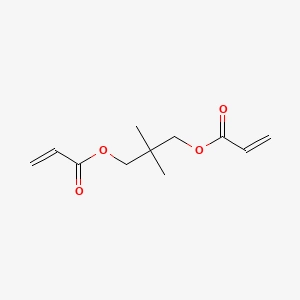
Neopentyl Glycol Diacrylate 2223 82 7 Structure

Neopentyl glycol diacrylate

Neopentyl glycol diacrylate, identified by CAS number 2223-82-7, is a prominent bifunctional monomer characterized by its low viscosity and high reactivity. As a clear, colorless liquid, it serves as an essential building block in the formulation of radiation-curable systems. Its chemical structure, featuring two acrylate groups attached to a neopentyl backbone, allows for efficient cross-linking

Neopentyl glycol diacrylate Read More »

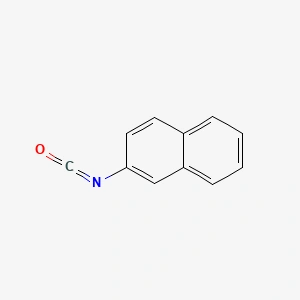
2 Naphthyl Isocyanate 2243 54 1 Structure

2-Naphthyl isocyanate

2-Naphthyl isocyanate, identified by CAS number 2243-54-1, is a specialized organic compound belonging to the isocyanate family. Structurally, it consists of a naphthalene ring system substituted with a highly reactive isocyanate functional group at the 2-position. This crystalline solid is recognized for its distinct reactivity profile, particularly its ability to undergo addition reactions with various

2-Naphthyl isocyanate Read More »

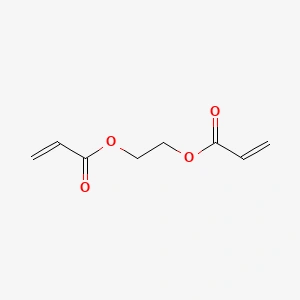
Ethylene Diacrylate 2274 11 5 Structure

Ethylene diacrylate

Ethylene diacrylate, identified by CAS number 2274-11-5, is a bifunctional monomer characterized by its two reactive acrylate groups. As a clear, colorless liquid, it serves as a versatile building block in the synthesis of various polymeric materials. Its chemical structure, featuring an ethylene bridge between two ester functionalities, allows it to participate effectively in free-radical

Ethylene diacrylate Read More »

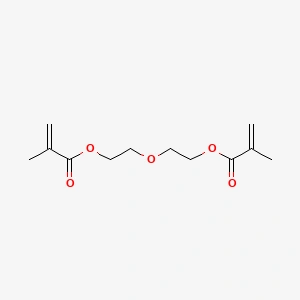
Diethylene Glycol Dimethacrylate 2358 84 1 Structure

Diethylene glycol dimethacrylate

Diethylene glycol dimethacrylate, identified by CAS number 2358-84-1, is a versatile bifunctional monomer characterized by its low viscosity and high reactivity. As a methacrylic ester, it serves as an essential cross-linking agent in various polymerization processes. The molecule features two methacrylate groups separated by a diethylene glycol spacer, which imparts a unique balance of flexibility

Diethylene glycol dimethacrylate Read More »

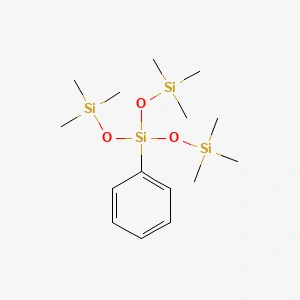
Phenyltristrimethylsiloxysilane 2116 84 9 Structure

Phenyltris(trimethylsiloxy)silane

Phenyltris(trimethylsiloxy)silane, identified by CAS 2116-84-9, is a high-purity organosilicon compound characterized by its unique molecular structure featuring a central silicon atom bonded to a phenyl group and three trimethylsiloxy units. This specific arrangement confers excellent thermal stability and a high refractive index compared to standard dimethyl siloxanes. It typically presents as a clear, colorless to

Phenyltris(trimethylsiloxy)silane Read More »

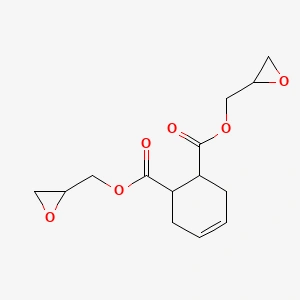
Diglycidyl 4 Cyclohexene 12 Dicarboxylate 21544 03 6 Structure

Diglycidyl 4-cyclohexene-1,2-dicarboxylate

Diglycidyl 4-cyclohexene-1,2-dicarboxylate, identified by CAS number 21544-03-6, is a high-performance cycloaliphatic epoxy resin characterized by its low viscosity and excellent reactivity. As a bifunctional epoxy monomer, it features two glycidyl groups attached to a cyclohexene ring structure via ester linkages. This unique molecular architecture provides a balance of structural rigidity and chemical flexibility, making it

Diglycidyl 4-cyclohexene-1,2-dicarboxylate Read More »

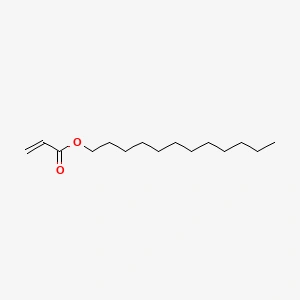
Dodecyl Acrylate 2156 97 0 Structure

Dodecyl acrylate

Dodecyl acrylate, identified by CAS number 2156-97-0 and also known as lauryl acrylate, is a monofunctional monomer characterized by a long-chain hydrophobic alkyl group. This clear, low-volatility liquid belongs to the acrylate ester family and serves as a vital building block in the synthesis of various polymers and copolymers. Its long hydrocarbon chain provides unique

Dodecyl acrylate Read More »

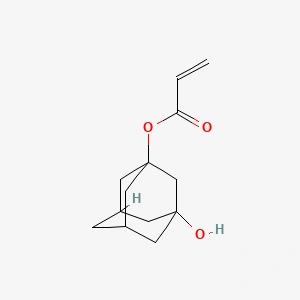
3 Hydroxy 1 Adamantyl Acrylate 216581 76 9 Structure

3-Hydroxy-1-adamantyl acrylate

3-Hydroxy-1-adamantyl acrylate, identified by CAS number 216581-76-9, is a specialized monomer that integrates the robust, three-dimensional structure of the adamantane cage with a reactive acrylate functional group. This unique molecular architecture provides a high degree of thermal stability and mechanical rigidity, which are highly sought after in advanced material science. The presence of the hydroxyl

3-Hydroxy-1-adamantyl acrylate Read More »

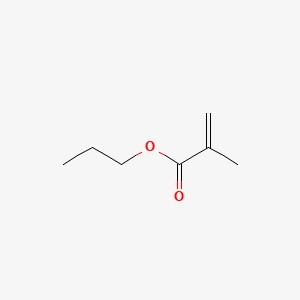
N Propyl Methacrylate 2210 28 8 Structure

n-Propyl methacrylate

n-Propyl methacrylate, identified by CAS number 2210-28-8, is a clear, colorless liquid ester derived from methacrylic acid. As a versatile monomer, it is characterized by its ability to undergo radical polymerization, forming polymers with specific physical properties that bridge the gap between methyl and butyl methacrylates. Its molecular structure provides a balance of flexibility and

n-Propyl methacrylate Read More »

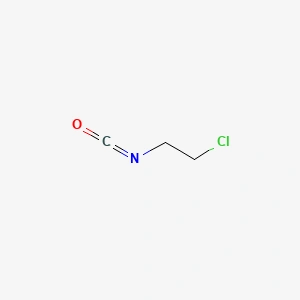
2 Chloroethyl Isocyanate 1943 83 5 Structure

2-Chloroethyl isocyanate

2-Chloroethyl isocyanate, identified by CAS number 1943-83-5, is a versatile and highly reactive organic intermediate characterized by the presence of both an isocyanate functional group and a terminal chlorine atom on an ethyl chain. This bifunctional nature makes it an essential building block in synthetic chemistry, as it allows for sequential or simultaneous reactions at

2-Chloroethyl isocyanate Read More »

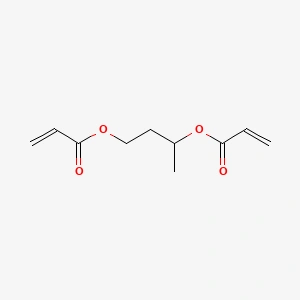
13 Butanediol Diacrylate 19485 03 1 Structure

1,3-Butanediol diacrylate

1,3-Butanediol diacrylate, identified by CAS number 19485-03-1, is a bifunctional monomer widely utilized in radiation-curable systems due to its efficient reactive properties. As a clear, low-viscosity liquid, it functions effectively as a reactive diluent, facilitating the adjustment of formulation viscosity without compromising the final performance of the cured material. Its chemical structure, featuring two acrylate

1,3-Butanediol diacrylate Read More »

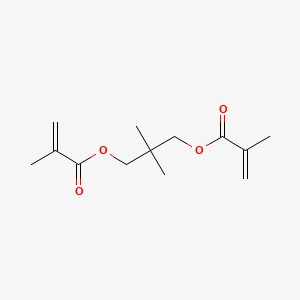
Neopentyl Glycol Dimethacrylate 1985 51 9 Structure

Neopentyl glycol dimethacrylate

Neopentyl glycol dimethacrylate, identified by CAS 1985-51-9, is a low-viscosity, difunctional methacrylic monomer characterized by its unique branched structure. As a clear, colorless liquid, it exhibits excellent stability and low volatility, making it a preferred choice for various polymerization processes. The presence of two reactive methacrylate groups allows it to function as an efficient cross-linking

Neopentyl glycol dimethacrylate Read More »

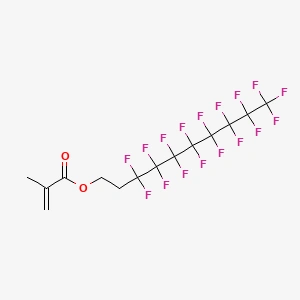
2 Perfluorooctylethyl Methacrylate 1996 88 9 Structure

2-(Perfluorooctyl)ethyl methacrylate

2-(Perfluorooctyl)ethyl methacrylate, identified by CAS number 1996-88-9, is a high-performance fluorinated monomer characterized by its long perfluorinated alkyl chain and reactive methacrylate functional group. This clear, colorless liquid serves as a critical building block in the synthesis of specialized fluoropolymers. Its unique molecular structure imparts exceptional chemical stability and significantly reduces the surface energy of

2-(Perfluorooctyl)ethyl methacrylate Read More »
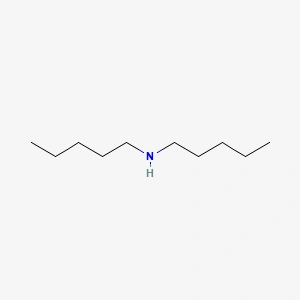
Dipentylamine 2050 92 2 Structure

Dipentylamine

Dipentylamine, identified by CAS number 2050-92-2, is a secondary aliphatic amine characterized by two five-carbon pentyl chains attached to a central nitrogen atom. Also referred to as diamylamine, this compound typically appears as a colorless to pale yellow liquid with a distinct, pungent ammoniacal odor. It exhibits the typical reactivity of secondary amines, serving as

Dipentylamine Read More »

REQUEST A QUOTE

Product Inquiry — Popup Form