English | 中文 | Español

Chemical Products

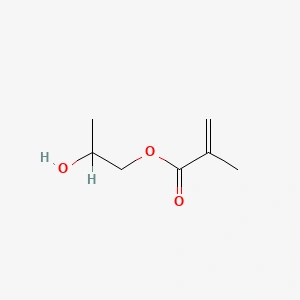
2 Hydroxypropyl Methacrylate 923 26 2 Structure

2-Hydroxypropyl methacrylate

2-Hydroxypropyl methacrylate (HPMA) is a clear, colorless liquid monomer characterized by its dual functionality, possessing both a polymerizable vinyl group and a reactive hydroxyl group. This unique structure makes it a versatile building block in polymer chemistry, enabling the synthesis of copolymers with tailored chemical and physical properties. It is typically stabilized with inhibitors to

2-Hydroxypropyl methacrylate Read More »
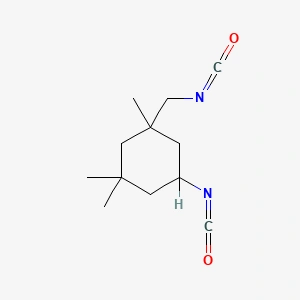
Isophorone Diisocyanate 4098 71 9 Structure

Isophorone diisocyanate

Isophorone diisocyanate (IPDI), identified by CAS 4098-71-9, is a high-performance cycloaliphatic diisocyanate widely utilized in the production of specialized polyurethane systems. It is characterized by its clear, liquid state at room temperature and possesses two distinct isocyanate groups with differing reactivity levels. This unique chemical structure allows for precise control during polymerization, making it a

Isophorone diisocyanate Read More »

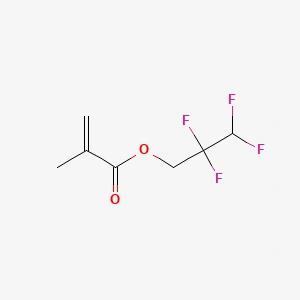
2233 Tetrafluoropropyl Methacrylate 45102 52 1 Structure

2,2,3,3-Tetrafluoropropyl methacrylate

2,2,3,3-Tetrafluoropropyl methacrylate (CAS 45102-52-1) is a specialized fluorinated monomer belonging to the methacrylate ester family. It is characterized by the presence of a tetrafluoropropyl group, which imparts unique physicochemical properties to the resulting polymers. This clear, colorless liquid is primarily utilized in precision polymer synthesis where low surface energy and enhanced chemical resistance are required.

2,2,3,3-Tetrafluoropropyl methacrylate Read More »
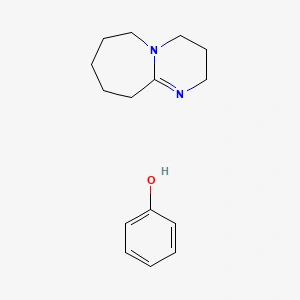
DBU Phenol Salt 57671 19 9 Structure

DBU phenol salt

DBU phenol salt, identified by CAS 57671-19-9, is a specialized chemical raw material widely utilized as a latent catalyst in various industrial polymerization processes. It is a salt formed by the reaction of 1,8-diazabicyclo[5.4.0]undec-7-ene (DBU) with phenol. This combination results in a compound that exhibits reduced basicity and reactivity at room temperature compared to free

DBU phenol salt Read More »

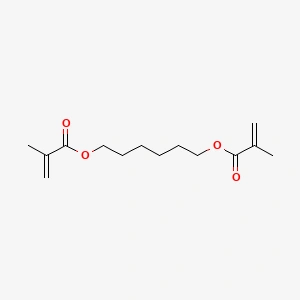
1 6 Hexanediol Dimethacrylate 6606 59 3 Structure

1,6-Hexanediol dimethacrylate

1,6-Hexanediol dimethacrylate, identified by CAS number 6606-59-3, is a bifunctional methacrylic monomer characterized by its low viscosity and high reactivity. This aliphatic monomer features a six-carbon chain between two methacrylate groups, which imparts a unique balance of flexibility and crosslinking density to resulting polymer networks. It is typically supplied as a clear, colorless liquid and

1,6-Hexanediol dimethacrylate Read More »

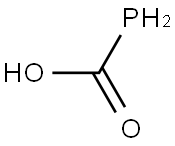
phosphino carboxylic acid 71050 62 9 structure

Phosphino carboxylic acid

Phosphino carboxylic acid (PCA), identified by CAS number 71050-62-9, is a versatile organophosphorus compound widely utilized as a high-performance scale inhibitor and dispersant in aqueous systems. It combines the structural benefits of both phosphonic acid and carboxylic acid groups, providing exceptional stabilization of calcium carbonate, calcium sulfate, and other mineral scales. Its molecular architecture allows

Phosphino carboxylic acid Read More »

Quaternized Fatty Acid Triethanolamine Ester 91995 81 2 Structure

Quaternized fatty acid triethanolamine ester

Quaternized fatty acid triethanolamine ester, commonly identified by CAS 91995-81-2, is a prominent cationic surfactant belonging to the esterquat family. This chemical is synthesized through the esterification of triethanolamine with long-chain fatty acids, followed by quaternization using a methylating agent. The resulting compound exhibits a unique amphiphilic structure, characterized by a positively charged quaternary ammonium

Quaternized fatty acid triethanolamine ester Read More »

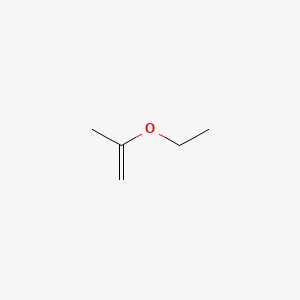
2 Ethoxypropene 926 66 9 Structure

2-Ethoxypropene

2-Ethoxypropene, identified by CAS number 926-66-9, is a versatile enol ether characterized by its high reactivity and utility in organic synthesis. As a clear, volatile liquid, it serves as a valuable building block for the construction of complex molecular frameworks. Its chemical structure, featuring an ethoxy group attached to a propene backbone, makes it an

2-Ethoxypropene Read More »

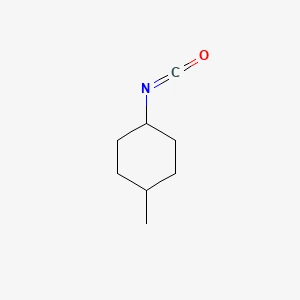
Trans 4 Methylcyclohexyl Isocyanate 32175 00 1 Structure

trans-4-Methylcyclohexyl isocyanate

trans-4-Methylcyclohexyl isocyanate (CAS 32175-00-1) is a specialized organic building block characterized by its cyclohexane core and a reactive isocyanate functional group. The trans-configuration of the methyl substituent provides specific stereochemical properties that are often critical in fine chemical synthesis. As a member of the isocyanate family, this compound exhibits high reactivity toward nucleophilic species, making

trans-4-Methylcyclohexyl isocyanate Read More »

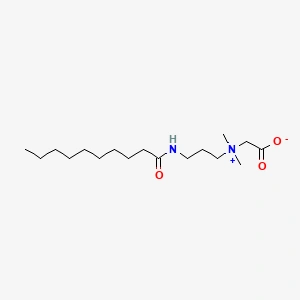
Decanoylamide Propylbetaine 73772 45 9 Structure

Decanoylamide propylbetaine

Decanoylamide propylbetaine, identified by CAS 73772-45-9, is a high-performance amphoteric surfactant derived from decanoic acid. As a member of the amidopropyl betaine family, it exhibits a unique zwitterionic character, allowing it to function effectively across a broad pH spectrum. This chemical raw material is prized for its ability to enhance foam stability and viscosity while

Decanoylamide propylbetaine Read More »

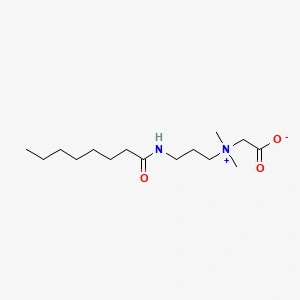
Caprylamidopropyl Betaine 73772 46 0 Structure

Caprylamidopropyl betaine

Caprylamidopropyl betaine (CAS 73772-46-0) is a high-purity amphoteric surfactant derived from caprylic acid, a short-chain fatty acid. It belongs to the amidopropyl betaine family and is characterized by its excellent solubility and stability across a wide pH range. Unlike longer-chain analogs, this C8-based surfactant offers unique performance characteristics, particularly in terms of foam quality and

Caprylamidopropyl betaine Read More »

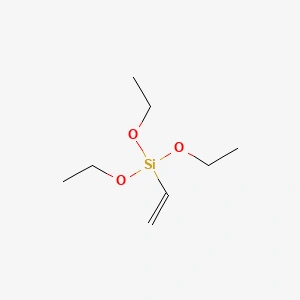
Vinyltriethoxysilane 78 08 0 Structure

Vinyltriethoxysilane

Vinyltriethoxysilane, identified by CAS 78-08-0, is a versatile organosilicon monomer characterized by the presence of a reactive vinyl group and three hydrolyzable ethoxy groups. As a bifunctional silane, it serves as a critical bridge between inorganic substrates and organic polymer matrices. The molecule’s dual reactivity allows it to participate in radical polymerization through its vinyl

Vinyltriethoxysilane Read More »

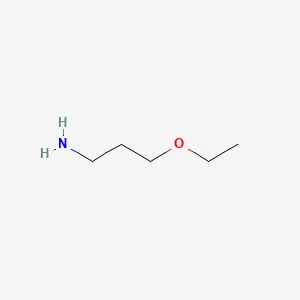
3 Ethoxypropylamine 6291 85 6 Structure

3-Ethoxypropylamine

3-Ethoxypropylamine, identified by CAS number 6291-85-6, is a versatile primary amine characterized by the presence of an ethoxy group attached to a three-carbon propyl chain. This bifunctional molecule combines the reactivity of a primary amino group with the solubility and solvent-like properties of an ether linkage. It typically appears as a clear, colorless to pale

3-Ethoxypropylamine Read More »

Disodium Monopolyoxyethylene Alkyl Sulfosuccinate 68911 93 3 Structure 1024x768

Disodium mono(polyoxyethylene alkyl) sulfosuccinate

Disodium mono(polyoxyethylene alkyl) sulfosuccinate, identified by CAS number 68911-93-3, is a versatile anionic surfactant belonging to the sulfosuccinate class. It is characterized by its ethoxylated alkyl chain, which imparts a unique balance of hydrophilicity and lipophilicity. This chemical structure results in a material that exhibits excellent surface activity while maintaining a profile of low toxicity

Disodium mono(polyoxyethylene alkyl) sulfosuccinate Read More »

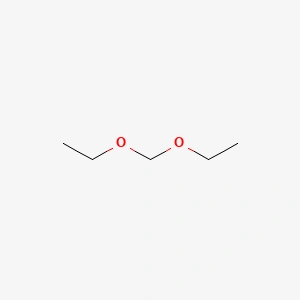
Diethoxymethane 462 95 3 Structure

Diethoxymethane

Diethoxymethane, commonly referred to as formaldehyde diethyl acetal or ethylal, is a versatile organic compound characterized by its stable acetal structure. As a clear, colorless liquid with a relatively low boiling point, it serves as an efficient solvent and reagent across a broad spectrum of chemical processes. Its chemical stability under neutral and basic conditions,

Diethoxymethane Read More »

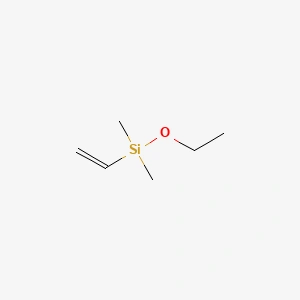
Ethoxydimethylvinylsilane 5356 83 2 Structure

Ethoxydimethylvinylsilane

Ethoxydimethylvinylsilane, identified by CAS number 5356-83-2, is a versatile organosilicon monomer characterized by the presence of both a reactive vinyl group and a hydrolyzable ethoxy group. This bifunctional structure makes it a valuable intermediate in the synthesis of specialized silicone polymers and organic-inorganic hybrid materials. As a clear, colorless liquid, it exhibits the typical reactivity

Ethoxydimethylvinylsilane Read More »

REQUEST A QUOTE

Product Inquiry — Popup Form