English | 中文 | Español

Chemical Products

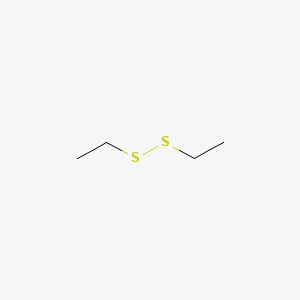
DIETHYL DISULFIDE 110 81 6 Structure

DIETHYL DISULFIDE

Diethyl disulfide, identified by CAS number 110-81-6, is an organic sulfur compound belonging to the disulfide class. It is characterized as a colorless to pale yellow liquid with a distinct, potent sulfurous or garlic-like odor. Chemically, it consists of two ethyl groups linked by a disulfide bridge, providing it with unique reactivity patterns, particularly in
DIETHYL DISULFIDE Read More »

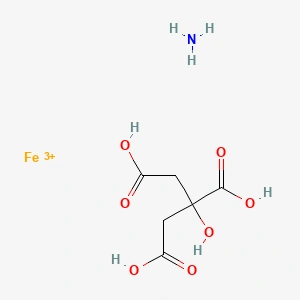
FERRIC AMMONIUM CITRATE 1185 57 5 Structure

FERRIC AMMONIUM CITRATE

Ferric Ammonium Citrate, identified by CAS number 1185-57-5, is a complex coordination compound composed of iron, ammonia, and citric acid. It typically presents as either reddish-brown or green scales or powder, depending on the specific iron content and oxidation state. This chemical is highly soluble in water and is notably characterized by its significant photosensitivity,

FERRIC AMMONIUM CITRATE Read More »

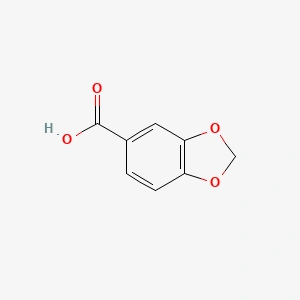
PIPERONYLIC ACID 94 53 1 Structure

PIPERONYLIC ACID

Piperonylic acid, identified by CAS number 94-53-1, is a carboxylic acid derivative of 1,3-benzodioxole, often referred to as heliotropic acid. This organic compound typically presents as a white to off-white crystalline solid and is structurally characterized by the presence of a methylenedioxy group attached to a benzene ring with a carboxylic acid functional group. It

PIPERONYLIC ACID Read More »

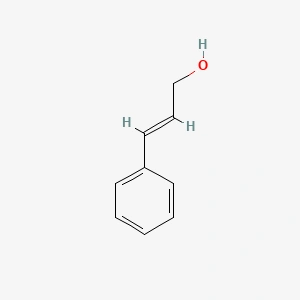
Propenoic Acid 3 Phenyl Trans 104 54 1 Structure

Propenoic acid, 3-phenyl-, (trans)-

Propenoic acid, 3-phenyl-, (trans)-, commonly identified by the CAS number 104-54-1, is a naturally occurring organic compound characterized by its white crystalline appearance and distinct, honey-like balsamic aroma. As a carboxylic acid derived from the phenylpropanoid pathway, it serves as a fundamental building block in various biochemical and industrial processes. Its structural stability and specific

Propenoic acid, 3-phenyl-, (trans)- Read More »

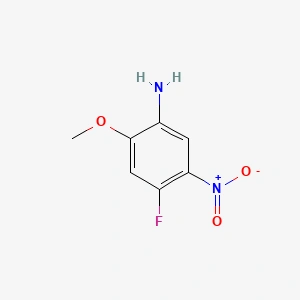
4 Fluoro 2 Methoxy 5 Nitro Aniline 1075705 01 9 Structure

4-fluoro-2-methoxy-5-nitro-aniline

4-fluoro-2-methoxy-5-nitro-aniline, identified by CAS 1075705-01-9, is a highly specialized aromatic compound characterized by its complex substitution pattern on the benzene ring. This yellow to orange crystalline solid features an amino group, a methoxy group, a nitro group, and a fluorine atom, making it a versatile building block in organic chemistry. Its unique electronic properties, driven

4-fluoro-2-methoxy-5-nitro-aniline Read More »

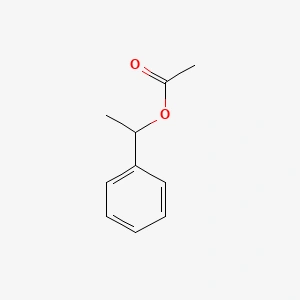
1 Phenylethyl Acetate 93 92 5 Structure

1-Phenylethyl acetate

1-Phenylethyl acetate, identified by CAS number 93-92-5, is a versatile organic ester commonly known in the industry as styrallyl acetate. This colorless liquid is characterized by its distinctively sharp, green, and floral aroma, which often carries fruity undertones reminiscent of gardenia, rhubarb, and apricot. Its chemical structure, consisting of an acetate group bonded to a

1-Phenylethyl acetate Read More »

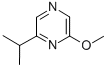
2 methoxy 6 isopropylpyrazine 93905 03 4 structure

2-Methoxy-6-isopropylpyrazine

2-Methoxy-6-isopropylpyrazine, identified by CAS number 93905-03-4, is a specialized heterocyclic aromatic compound belonging to the alkylpyrazine family. This chemical is distinguished by its potent organoleptic properties, exhibiting a characteristically intense earthy, nutty, and green aroma often associated with raw vegetables like bell peppers and peas. As a clear to pale yellow liquid, it possesses a

2-Methoxy-6-isopropylpyrazine Read More »

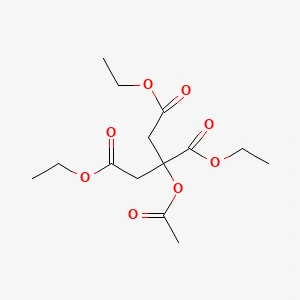
Acetyl Triethyl Citrate 77 89 4 Structure

Acetyl triethyl citrate

Acetyl triethyl citrate, identified by CAS 77-89-4, is a versatile organic ester derived from the acetylation of triethyl citrate. It presents as a clear, colorless, and odorless liquid characterized by its high boiling point and low volatility. As a derivative of citric acid, this compound is highly regarded for its excellent compatibility with a wide

Acetyl triethyl citrate Read More »

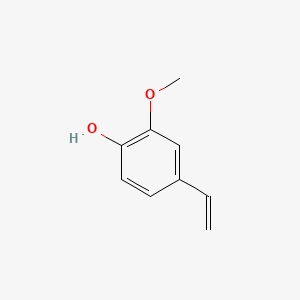
4 Vinylguaiacol 7786 61 0 Structure

4-Vinylguaiacol

4-Vinylguaiacol, identified by CAS number 7786-61-0, is a naturally occurring phenolic compound renowned for its distinct aromatic profile. Chemically known as 2-methoxy-4-vinylphenol, it presents as a colorless to pale yellow liquid or crystalline solid depending on ambient temperature. It is a key volatile component found in various fermented and roasted products, such as roasted coffee,

4-Vinylguaiacol Read More »

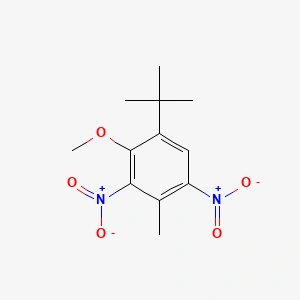
Musk Ambrette 83 66 9 Structure

4-tert-Butyl-2,6-dinitro-3-methoxytoluene

Musk ambrette, identified by CAS number 83-66-9, is a prominent synthetic nitro-musk compound recognized for its intense and persistent fragrance profile. It typically appears as pale yellow crystals or a crystalline powder, exhibiting a characteristic musk odor with distinct floral and ambrette-seed-like undertones. Chemically known as 2,6-dinitro-3-methoxy-4-tert-butyltoluene, this compound is prized for its excellent fixative

4-tert-Butyl-2,6-dinitro-3-methoxytoluene Read More »

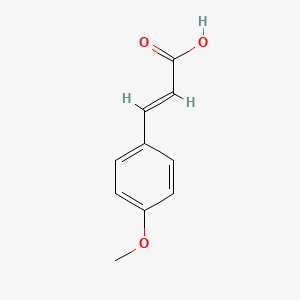
4 Methoxycinnamic Acid 830 09 1 Structure

4-Methoxycinnamic acid

4-Methoxycinnamic acid, identified by CAS number 830-09-1, is a substituted cinnamic acid derivative characterized by a methoxy group at the para position of the benzene ring. It typically appears as a white to pale yellow crystalline powder. As an organic compound, it serves as a foundational building block in various chemical syntheses due to its

4-Methoxycinnamic acid Read More »

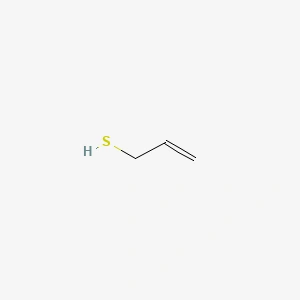
2 Propene 1 Thiol 870 23 5 Structure

2-Propene-1-thiol

2-Propene-1-thiol, commonly referred to as allyl mercaptan, is an organosulfur compound characterized by its distinct, pungent odor reminiscent of garlic and onions. Identified by CAS number 870-23-5, this clear to pale yellow liquid is a highly reactive thiol featuring a terminal alkene group. Its dual functionality makes it a versatile building block in organic chemistry,

2-Propene-1-thiol Read More »

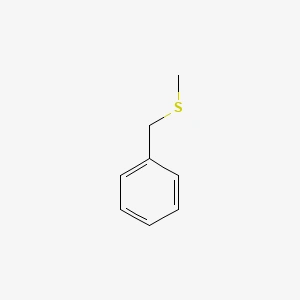
Benzyl Methyl Sulfide 766 92 7 Structure

Benzyl methyl sulfide

Benzyl methyl sulfide, identified by CAS number 766-92-7, is an organosulfur compound characterized by a thioether linkage connecting a methyl group and a benzyl group. It typically appears as a clear to pale yellow liquid with a distinct, pungent odor characteristic of sulfides. As a stable thioether, it serves as a versatile building block in

Benzyl methyl sulfide Read More »

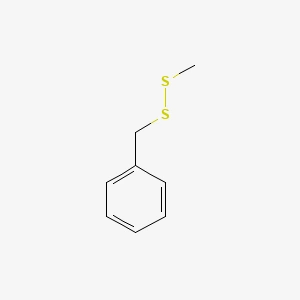
Benzyl Methyl Disulfide 699 10 5 Structure

Benzyl methyl disulfide

Benzyl methyl disulfide, identified by CAS number 699-10-5, is a specialized organosulfur compound characterized by its distinct unsymmetrical disulfide bridge connecting a benzyl group and a methyl group. This clear to pale yellow liquid is recognized for its potent and characteristic sulfurous aroma, which is often associated with natural volatile components found in Allium species

Benzyl methyl disulfide Read More »

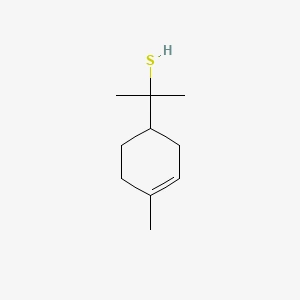
1 P Menthene 8 Thiol 71159 90 5 Structure

1-p-Menthene-8-thiol

1-p-Menthene-8-thiol, commonly known as grapefruit mercaptan, is a highly potent organosulfur compound with the CAS registry number 71159-90-5. Structurally related to limonene, this terpene thiol is recognized as one of the most powerful aroma chemicals in existence, possessing an incredibly low odor detection threshold. In its concentrated form, the substance exhibits a sharp, sulfurous profile,

1-p-Menthene-8-thiol Read More »

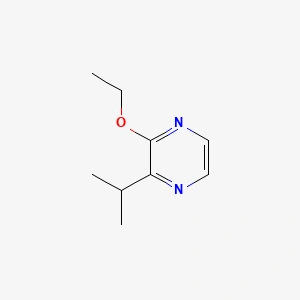
Pyrazine 2 Ethoxy 3 1 Methylethyl 72797 16 1 Structure

Pyrazine, 2-ethoxy-3-(1-methylethyl)-

Pyrazine, 2-ethoxy-3-(1-methylethyl)-, also known as 2-ethoxy-3-isopropylpyrazine, is a specialized heterocyclic aromatic compound belonging to the pyrazine family. This chemical is distinguished by the presence of both an ethoxy group and an isopropyl substituent on the pyrazine ring, a configuration that imparts significant organoleptic potency. In its physical form, it is typically a colorless to pale

Pyrazine, 2-ethoxy-3-(1-methylethyl)- Read More »

REQUEST A QUOTE

Product Inquiry — Popup Form