English | 中文 | Español

Chemical Products

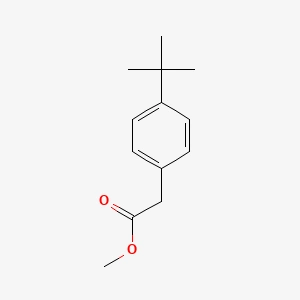
Methyl P Tert Butylphenylacetate 3549 23 3 Structure

Methyl p-tert-butylphenylacetate

Methyl p-tert-butylphenylacetate, identified by CAS 3549-23-3, is a synthetic ester widely utilized in the flavor and fragrance industry. It is characterized by its distinct honey-like, floral, and sweet aroma, often described as having nuances of rose, chocolate, and fruit. This compound typically appears as a clear, colorless to pale yellow liquid at room temperature and

Methyl p-tert-butylphenylacetate Read More »
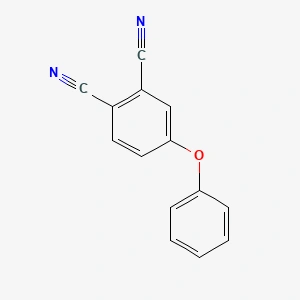
4 Phenoxyphthalonitrile 38791 62 7 Structure

4-Phenoxyphthalonitrile

4-Phenoxyphthalonitrile, identified by CAS: 38791-62-7, is a specialized organic intermediate belonging to the phthalonitrile family. It is characterized by the presence of a phenoxy group attached to the dicyanobenzene core, which significantly influences its reactivity and the physical properties of its derivatives. This compound is primarily utilized as a building block in the synthesis of

4-Phenoxyphthalonitrile Read More »

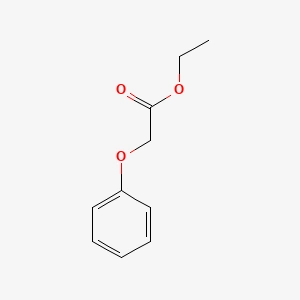
Ethyl Phenoxyacetate 2555 49 9 Structure

Ethyl phenoxyacetate

Ethyl phenoxyacetate, identified by CAS: 2555-49-9, is a versatile organic ester formed by the condensation of phenoxyacetic acid and ethanol. It is widely recognized for its distinct aromatic profile, which features sweet, honey-like, and floral notes accompanied by balsamic undertones. As a clear liquid at room temperature, it is highly valued in the chemical industry

Ethyl phenoxyacetate Read More »

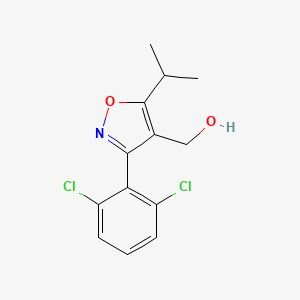
3 2 6 Dichlorophenyl 5 Isopropylisoxazol 4 Yl Methanol 278597 30 1 Structure

[3-(2,6-Dichlorophenyl)-5-isopropylisoxazol-4-yl]methanol

[3-(2,6-Dichlorophenyl)-5-isopropylisoxazol-4-yl]methanol (CAS: 278597-30-1) is a specialized organic intermediate primarily utilized in the synthesis of complex heterocyclic compounds. It features an isoxazole core substituted with a bulky 2,6-dichlorophenyl group and an isopropyl moiety, providing a specific spatial configuration essential for biological activity in medicinal chemistry. This compound serves as a critical building block for the development

[3-(2,6-Dichlorophenyl)-5-isopropylisoxazol-4-yl]methanol Read More »

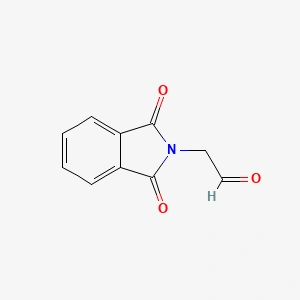
Phthalimidoacetaldehyde 2913 97 5 Structure

Phthalimidoacetaldehyde

Phthalimidoacetaldehyde (CAS: 2913-97-5) is a specialized organic intermediate that features a phthalimide protecting group linked to an acetaldehyde functional unit. It is widely recognized as a stable equivalent of aminoacetaldehyde, a compound that is notoriously difficult to handle in its unprotected form due to its tendency to undergo self-condensation. By masking the amine as a

Phthalimidoacetaldehyde Read More »

Lenthionine 292 46 6 Structure

Lenthionine

Lenthionine, identified by CAS: 292-46-6, is a cyclic organosulfur compound that serves as the primary aroma-contributing constituent in shiitake mushrooms. It is characterized by its unique seven-membered ring structure containing five sulfur atoms and two methylene groups. This compound is formed through enzymatic reactions when the mushroom tissue is damaged or dried, resulting in the

Lenthionine Read More »

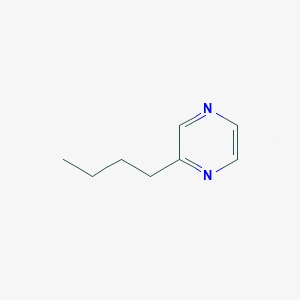
2 Butylpyrazine 29460 91 1 Structure

2-Butylpyrazine

2-Butylpyrazine (CAS: 29460-91-1) is a heterocyclic aromatic organic compound characterized by its distinct odor profile. As a member of the pyrazine family, it is naturally found in various heat-treated foods, where it contributes significantly to the complex sensory characteristics of roasted, toasted, or fried products. The compound is valued for its ability to impart specific

2-Butylpyrazine Read More »

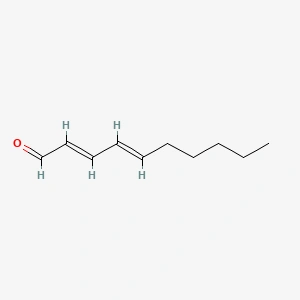
Trans Trans 2 4 Decadienal 25152 84 5 Structure

trans,trans-2,4-Decadienal

trans,trans-2,4-Decadienal, identified by CAS: 25152-84-5, is a powerful unsaturated aliphatic aldehyde renowned for its distinctive fatty, oily, and chicken-like aroma. This compound occurs naturally in a wide variety of food sources, most notably in cooked poultry, citrus oils, and oxidized fats. It is considered a primary odorant in fried foods and is essential for achieving

trans,trans-2,4-Decadienal Read More »

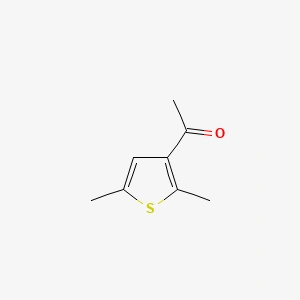
3 Acetyl 2 5 Dimethylthiophene 2530 10 1 Structure

3-Acetyl-2,5-dimethylthiophene

3-Acetyl-2,5-dimethylthiophene (CAS 2530-10-1) is a specialized heterocyclic aromatic compound belonging to the thiophene family. It is recognized for its potent and distinctive organoleptic properties, often described as having a roasted, nutty, and savory aroma profile. This compound is widely utilized in the flavor and fragrance industry to impart complex notes to various formulations. Due to

3-Acetyl-2,5-dimethylthiophene Read More »

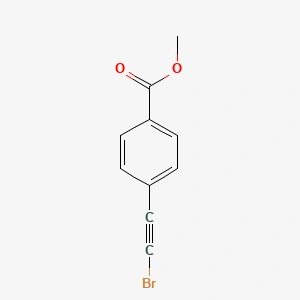
Methyl 4 Bromoethynyl Benzoate 225928 10 9 Structure

Methyl 4-(bromoethynyl)benzoate

Methyl 4-(bromoethynyl)benzoate, identified by CAS: 225928-10-9, is a specialized organic building block characterized by its terminal bromoalkyne group attached to a benzoate moiety. This compound serves as a versatile intermediate in modern synthetic chemistry, particularly in the construction of complex conjugated systems and rigid-rod molecular architectures. Its structural features make it highly reactive in metal-catalyzed

Methyl 4-(bromoethynyl)benzoate Read More »

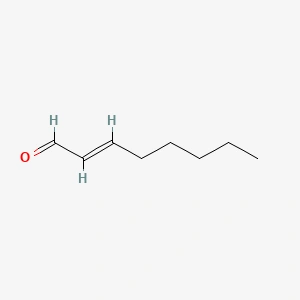
Trans 2 Octenal 2363 89 5 Structure

trans-2-Octenal

trans-2-Octenal, identified by the CAS: 2363-89-5, is an alpha,beta-unsaturated aldehyde that occurs naturally in various plant and animal sources, including mushrooms, tea, and cooked meats. It is characterized by a distinctive fatty, green, and slightly nutty aroma, which becomes reminiscent of cucumbers or citrus at lower concentrations. This versatile chemical is highly valued in the

trans-2-Octenal Read More »

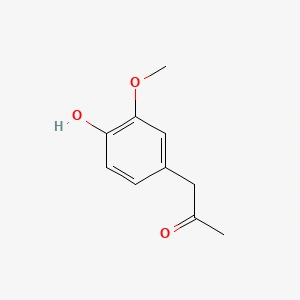
Guaiacylacetone 2503 46 0 Structure

Guaiacylacetone

Guaiacylacetone (CAS: 2503-46-0) is a phenolic ketone that serves as a versatile building block in the chemical industry. It is structurally related to vanillin and is often used as a precursor in the synthesis of various biologically active molecules and fine chemicals. The presence of both a methoxy and a hydroxy group on the benzene

Guaiacylacetone Read More »

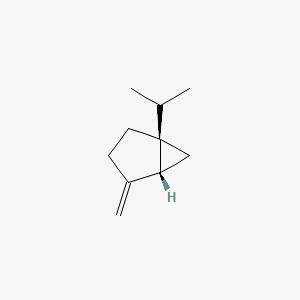
Sabinene 2009 00 9 Structure

(+)-Sabinene

(+)-Sabinene, identified by CAS: 2009-00-9, is a natural bicyclic monoterpene found in a variety of essential oils, most notably those derived from black pepper, nutmeg, and marjoram. It is characterized by its distinct spicy, woody, and peppery aroma, which makes it a valuable component in the fragrance and flavor industries. As a chiral molecule, the

(+)-Sabinene Read More »

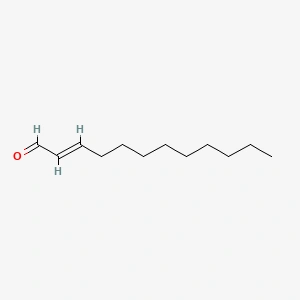
Trans 2 Dodecenal 20407 84 5 Structure

trans-2-Dodecenal

trans-2-Dodecenal, identified by CAS: 20407-84-5, is an unsaturated aliphatic aldehyde known for its distinct and powerful organoleptic properties. It occurs naturally in various botanical sources, most notably in coriander leaves (cilantro) and Eryngium foetidum, where it serves as a primary contributor to the characteristic pungent, green, and soapy aroma. In its isolated commercial form, it

trans-2-Dodecenal Read More »

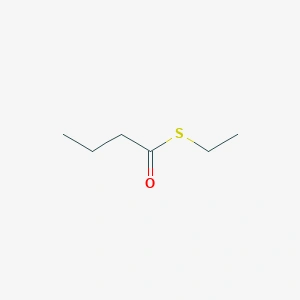
S Ethyl Butanethioate 20807 99 2 Structure

S-Ethyl butanethioate

S-Ethyl butanethioate (CAS: 20807-99-2) is a sulfur-containing organic compound belonging to the thioester family. It is characterized by its distinct odor profile, which is often described as fruity, tropical, or sulfurous, depending on the concentration. This chemical serves as a specialized building block in organic synthesis and is particularly valued in the creation of complex

S-Ethyl butanethioate Read More »

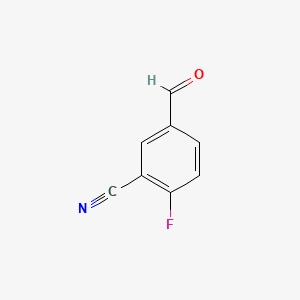
2 Fluoro 5 Formylbenzonitrile 218301 22 5 Structure

2-Fluoro-5-formylbenzonitrile

2-Fluoro-5-formylbenzonitrile, identified by CAS 218301-22-5, is a specialized organic intermediate characterized by the presence of both a nitrile group and an aldehyde (formyl) group on a fluorinated benzene ring. This unique substitution pattern makes it a highly reactive and valuable building block in modern synthetic chemistry. The electron-withdrawing nature of the cyano and fluoro groups,

2-Fluoro-5-formylbenzonitrile Read More »

REQUEST A QUOTE

Product Inquiry — Popup Form