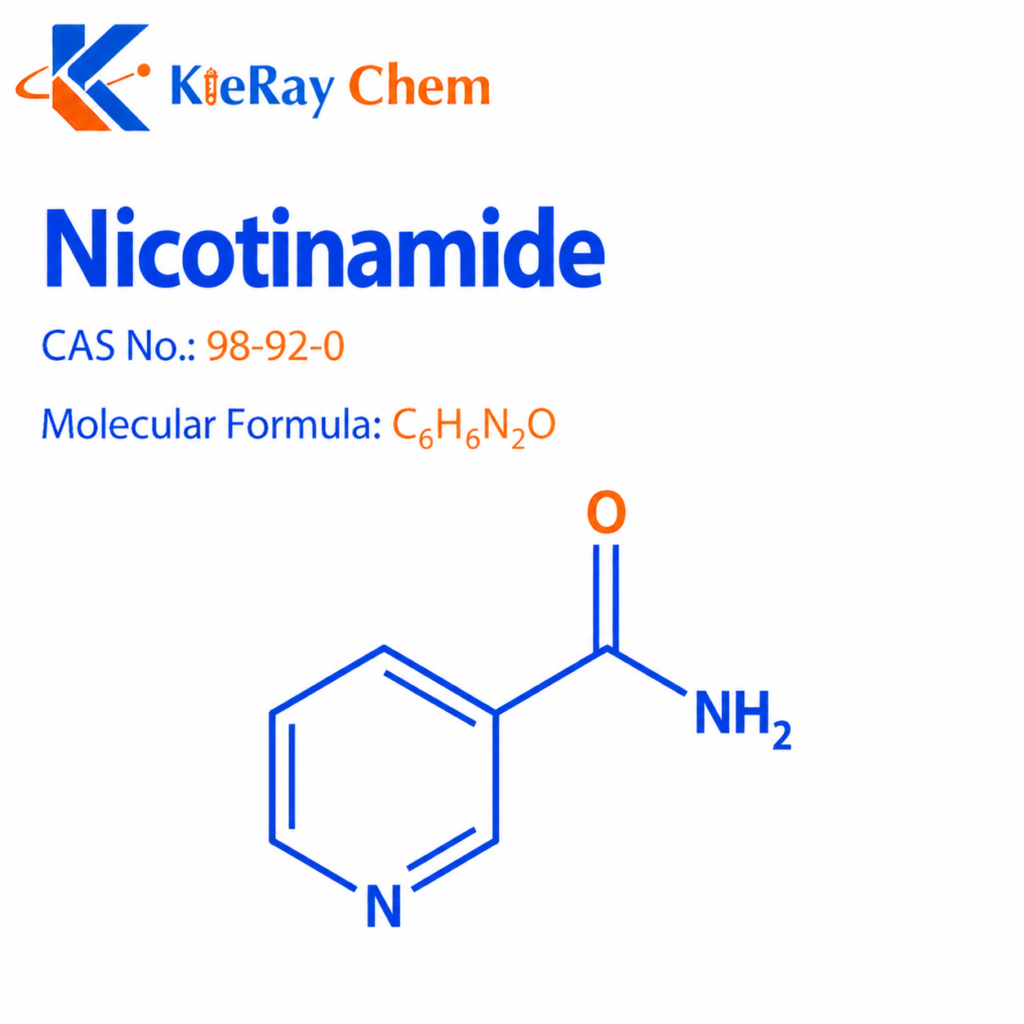
Chapter 1: Fundamental Knowledge of Niacinamide(CAS: 98-92-0)
1.1 Chemical and Regulatory Profile
- INCI Name: Niacinamide
- CAS No.: 98-92-0
- Chemical Description: Niacinamide / Vitamin B3 Derivative
- Physical Appearance: White crystalline powder, highly water-soluble.
- Stability Profile: Robust chemical stability; exhibits optimal stability within a pH range of 5.0 – 7.0.
1.2 Overview and Origin
Niacinamide is a highly versatile, water-soluble vitamin-class active ingredient rather than a hormone, steroid, or an acid. It offers a clinically proven, gold-standard balance of exceptional safety and high efficacy, making it a classic, multi-functional staple within modern cosmetic formulations targeting brightening, oil-control, and barrier repair.
1.3 Core Efficacy Matrix & Mechanisms of Action
- Melanosome Transfer Inhibition & Radiance Enhancement
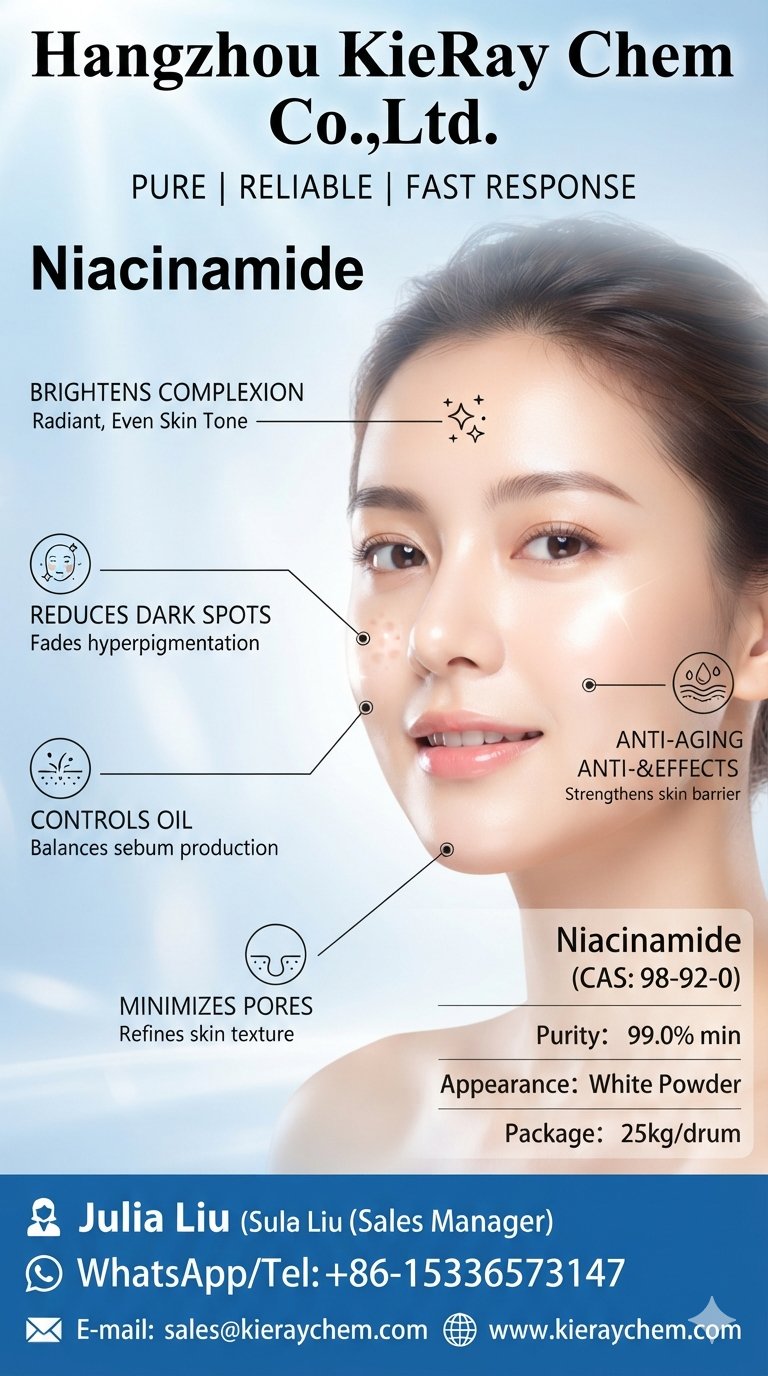
It interferes with the transfer of melanosomes from melanocytes to keratinocytes, effectively reducing visible pigment accumulation. It clinically improves dullness, post-inflammatory hyperpigmentation (PIH/acne marks), dark spots, and uneven skin tone through a gentle whitening pathway ideal for long-term complexion maintenance. - Sebum Regulation & Pore Refinement
By acting directly on the sebaceous glands, it significantly reduces the sebum excretion rate (SER). This directly addresses surface oiliness, enlarged pores, and recurrent blackheads, making it a preferred active for oil-control serums, toners, and lightweight matting emulsions. - Skin Barrier Optimization & Repair
It upregulates the endogenous synthesis of sphingolipids (specifically Ceramides), free fatty acids, and cholesterol within the stratum corneum. This strengthens the integrity of the extracellular lipid matrix, significantly minimizing Transepidermal Water Loss (TEWL) while soothing dryness and erythema (redness). - Anti-Inflammatory & Anti-Acne Stabilization
It exhibits potent anti-inflammatory properties that soothe acne-related irritation and redness, making it highly effective in balancing formulas designed for oily, acne-prone, or congested skin types.
Chapter 2: Advanced Molecular Mechanisms and Cellular Pathways of Niacinamide
While Chapter 1 outlines the foundational properties of Niacinamide, understanding its precise cellular pathways is critical for advanced cosmetic formulation. Niacinamide (Nicotinamide) serves as an essential precursor to the coenzymes Nicotinamide Adenine Dinucleotide (NAD+) and Nicotinamide Adenine Dinucleotide Phosphate (NADP+). These coenzymes drive over 400 biochemical reactions in cells, fueling the energy-dependent pathways that regulate hyperpigmentation, lipid synthesis, sebum control, and inflammation.
2.1 The Brightening Pathway: Melanosome Transfer Inhibition
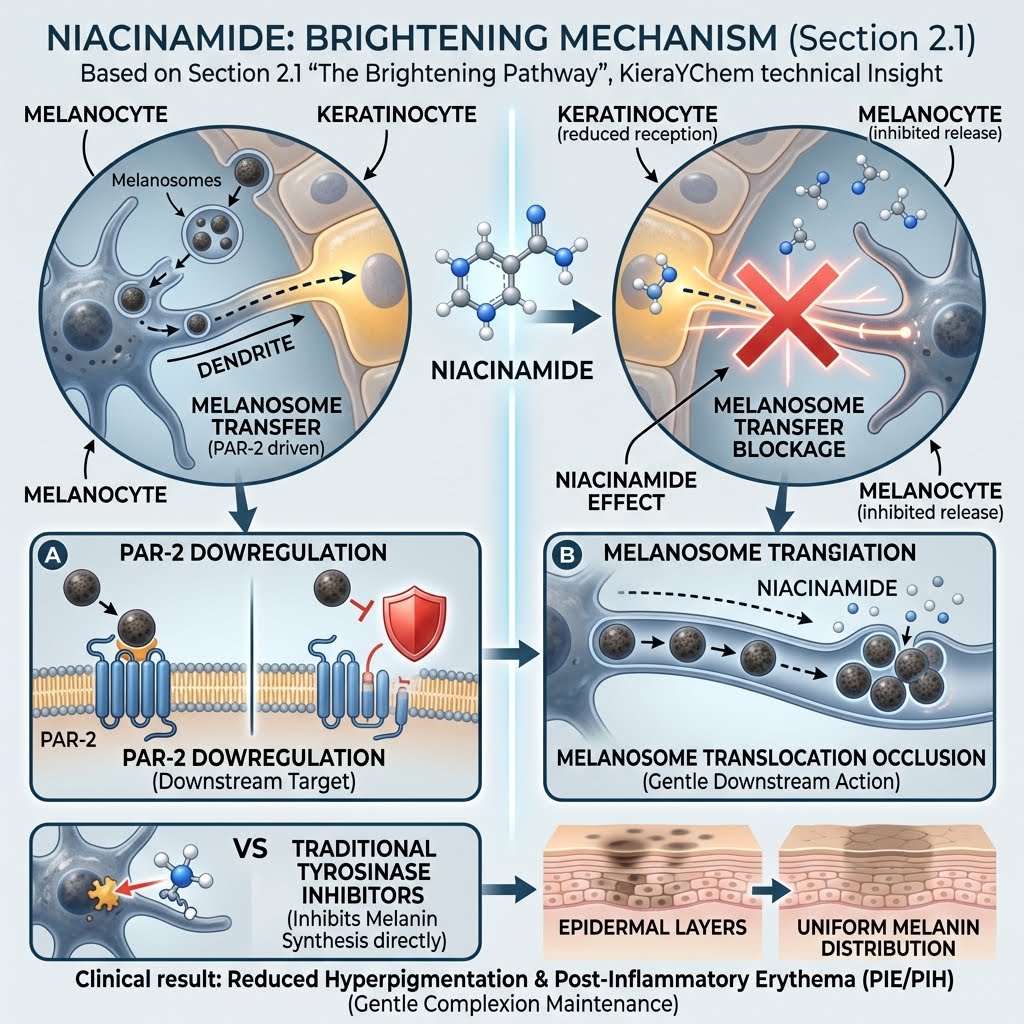
Unlike traditional skin-lightening actives (such as Arbutin or Hydroquinone) that act as direct tyrosinase inhibitors to halt melanin production, Niacinamide operates downstream. It leaves the melanin synthesis process intact but prevents the hyperpigmentation from reaching the visible layers of the skin.
2.1.1 PAR-2 Receptor Downregulation
Melanin is produced in specialized cells called melanocytes and packaged into micro-vesicles called melanosomes. To become visible as a dark spot or uneven tone, these melanosomes must be transferred along dendritic extensions into surrounding keratinocytes (surface skin cells). This translocation relies on the activation of Protease-Activated Receptor 2 (PAR-2) located on the membrane of keratinocytes.
Niacinamide downregulates PAR-2 expression, effectively blocking the docking and internalization of melanosomes. Clinical studies demonstrate that this pathway reduces melanosome transfer by up to 35–68%, making it an exceptionally gentle yet highly effective mechanism for fading post-inflammatory hyperpigmentation (PIH) and dark spots.
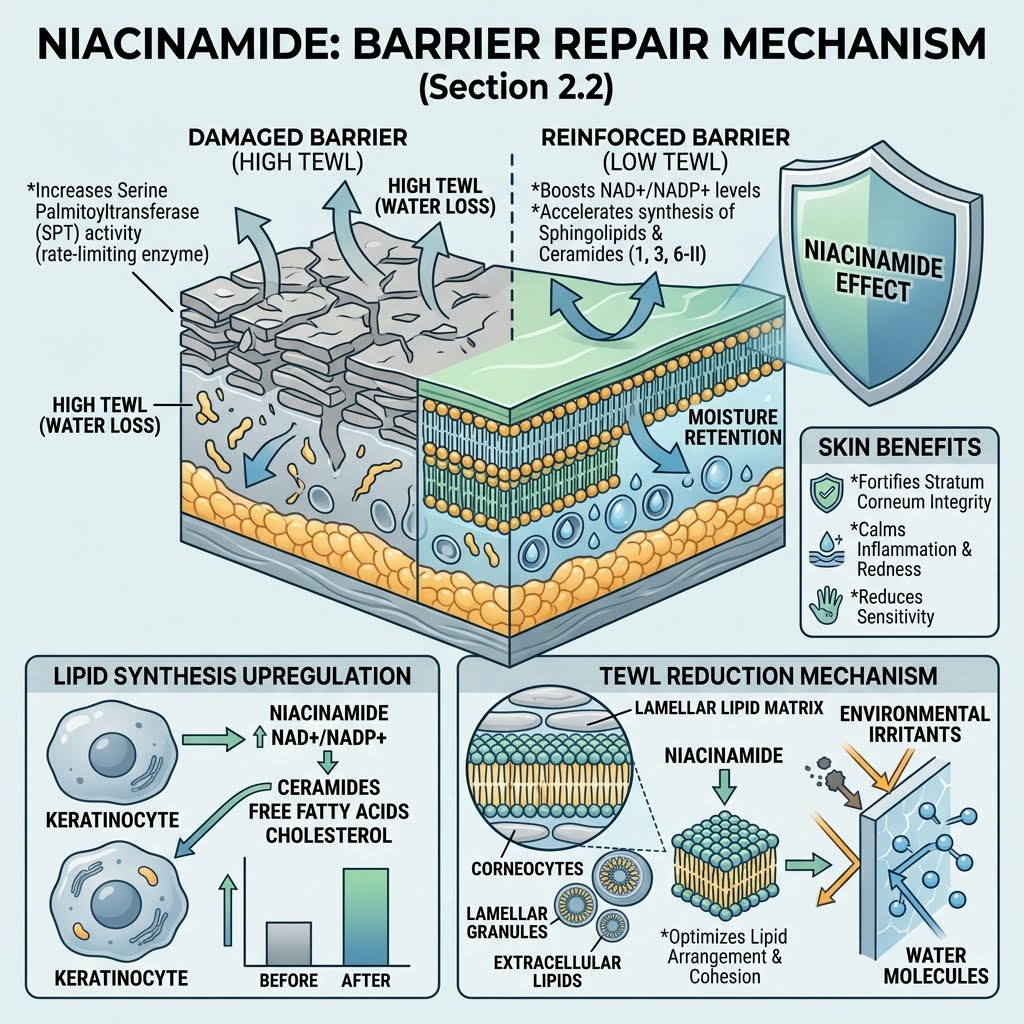
2.2 The Barrier Pathway: Endogenous Lipid Upregulation and TEWL Reduction
The stratum corneum relies on a lamellar lipid matrix composed of Ceramides, Cholesterol, and Free Fatty Acids to maintain a functional permeability barrier. Niacinamide dramatically reinforces this matrix by stimulating the skin’s internal synthesis machinery.
2.2.1 Acceleration of Sphingolipid Synthesis
By raising cellular levels of NADP+, Niacinamide acts as a biochemical catalyst that upregulates Serine Palmitoyltransferase (SPT), the rate-limiting enzyme responsible for de novo ceramide synthesis. This leads to a targeted increase in crucial barrier components, including Ceramide 1, 2, and 5, as well as glucosylceramides and sphingomyelin.
2.2.2 Keratinocyte Differentiation and Envelope Structural Integrity
Beyond lipids, Niacinamide accelerates the synthesis of structural proteins, including involucrin, filaggrin, and keratin. This process optimizes the differentiation of basal keratinocytes into fully mature corneocytes, creating a more cohesive cornified envelope. This combined lipid and protein reinforcement optimizes structural density, minimizing Transepidermal Water Loss (TEWL) and increasing the skin’s resistance to environmental irritants.
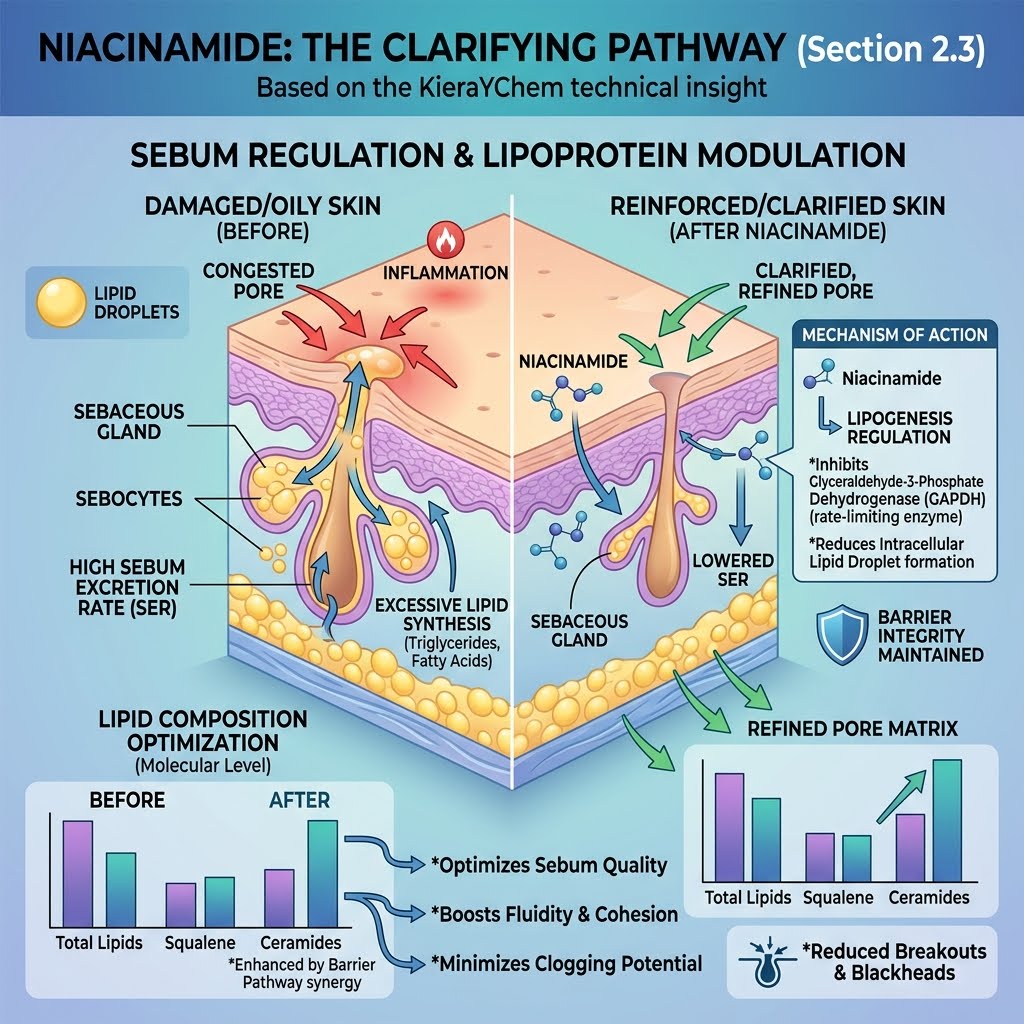
2.3 The Clarifying Pathway: Sebum Regulation and Pore Refinement
Oily skin and enlarged pores are driven by overactive sebaceous glands, often triggered by hormonal fluctuations or lipid imbalances. Niacinamide targets this process at the cellular level.
2.3.1 Modulation of Lipogenesis
Niacinamide regulates sebum production by modifying the lipogenesis pathways inside sebocytes (sebum-producing cells). It influences the synthesis of triglycerides and fatty acids—the primary components of sebum—without wiping out the skin’s natural moisture profile. It functions as a sebum modulator rather than a harsh drying agent, lowering the overall Sebum Excretion Rate (SER).
2.3.2 Retention of Interstitial Fluid
Pores appear enlarged when a high volume of sebum stretches the follicular wall, or when the surrounding extracellular matrix loses density due to dehydration. By reducing excess oil while simultaneously increasing hydration via the ceramide pathway, Niacinamide tightens the pore matrix. It prevents follicular congestion, which stops the cycle of recurrent blackheads and micro-comedones.
2.4 The Soothing Pathway: Anti-Inflammatory Cascades and Cytokine Mitigation
Inflammatory skin conditions like acne vulgaris, rosacea, and barrier sensitivity involve an overproduction of pro-inflammatory signals. Niacinamide serves as an effective cellular calming agent.
2.4.1 Inhibition of Cyclic AMP Phosphodiesterase
Niacinamide suppresses the activity of cyclic AMP (cAMP) phosphodiesterase, an enzyme that regulates inflammatory responses within leukocytes and cutaneous cells. By modifying this cascade, Niacinamide controls the release of pro-inflammatory cytokines, specifically Interleukin-1α (IL-1α), Interleukin-6 (IL-6), Interleukin-8 (IL-8), and Tumor Necrosis Factor-alpha (TNF-α).
2.4.2 Mast Cell Stabilization and ROS Scavenging
Niacinamide prevents mast cell degranulation, which reduces histamine release and limits instant erythema (redness) and itching. Additionally, as an essential building block of NAD(P)H, it works as an indirect antioxidant. It helps scavenge Reactive Oxygen Species (ROS) generated by UV exposure and pollution, protecting cellular DNA and membranes from oxidative stress, while calming the redness associated with acne and rosacea.
Chapter 3: Formulation Synergy and Molecular Interaction Matrix
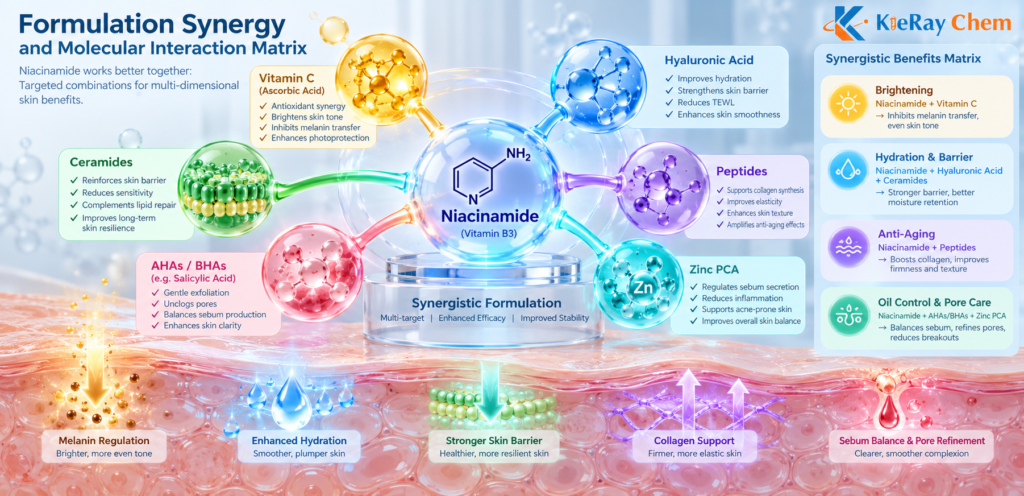
To achieve clinical efficacy that surpasses the limitations of single-agent formulations, cosmetic scientists systematically pair Niacinamide with complementary hero actives. Due to its exceptional capacity to modulate cellular metabolism, suppress inflammatory cascades, and upregulate barrier lipids, Niacinamide frequently serves as a “structural stabilizer” and “irritation buffer” within complex, multi-ingredient delivery systems.
This chapter examines the molecular synergies, chemical interactions, and precise formulating parameters governing the blending of Niacinamide with Retinol, Salicylic Acid, and other industry-standard actives.
3.1 The Age-Defying Powerhouse: Niacinamide + Retinol
3.1.1 Mechanisms of Synergy
Retinol (Vitamin A) remains the gold standard in anti-aging therapy due to its ability to stimulate dermal fibroblast proliferation and accelerate cellular turnover. However, its clinical utilization is notoriously limited by “Retinol Induced Dermatitis”—characterized by a dramatic surge in Transepidermal Water Loss (TEWL), desquamation (peeling), localized erythema, and severe pruritus.
- The Irritation Buffer Pathway: Niacinamide pre-emptively mitigates Retinol-induced barrier destruction by upregulating Serine Palmitoyltransferase (SPT) to stimulate de novo ceramide synthesis. This physically fortifies the stratum corneum prior to retinoid exposure.
- Dual-Channel Cellular Synergy: While Retinol binds to nuclear retinoid receptors to drive deep collagen transcription, Niacinamide—acting as the essential precursor to NAD+/NADP+—replenishes the intracellular adenosine triphosphate (ATP) pool required to fuel this energy-intensive cellular regeneration and DNA repair process.
3.1.2 Formulation Specifications & Processing
- Optimal Synergy Ratios: 2.0% – 4.0% Niacinamide + 0.1% – 0.3% Pure Retinol.
- pH Compatibility Alignment: Retinol exhibits optimal structural stability in near-neutral environments (pH 6.0 – 6.5), seamlessly aligning with Niacinamide’s stable window (pH 5.0 – 7.0). Formulators should buffer the final vehicle to pH 6.0 ± 0.2.
- Processing SOP: Retinol is highly vulnerable to photo-oxidation and thermal degradation. It must be utilized in encapsulated formats (e.g., liposomes or polymeric microcapsules) and introduced exclusively during the post-cooling phase (< 40°C) under vacuum and yellow-light protection.
3.2 The Clarifying & Pore-Refining Duo: Niacinamide + Salicylic Acid (BHA)
3.2.1 Mechanisms of Synergy
For acne-prone and severely sebaceous skin types, lipophilic Salicylic Acid (BHA) penetrates deep into the lipid-rich follicular infundibulum to dissolve hardened sebum plugs (comedones) and desquamate hyperkeratotic lining cells.
- Dual-Track Sebum Regulation: While Salicylic Acid acts as a physical clearing agent inside the pore lumen, Niacinamide downregulates the Sebum Excretion Rate (SER) directly at the sebaceous gland level, stopping excess lipid production at the source.
- Anti-Inflammatory & PIH Prevention: Salicylic Acid’s aggressive keratolytic action can induce localized micro-inflammation. Niacinamide suppresses downstream inflammatory cytokines (such as IL-8 and TNF-α) to soothe this irritation. Concurrently, it blocks downstream melanosome transfer, preventing the formation of Post-Inflammatory Hyperpigmentation (PIH/acne marks) as lesions heal.
3.2.2 Formulation Specifications & Processing
- Optimal Synergy Ratios: 2.0% – 3.0% Niacinamide + 0.5% – 2.0% Salicylic Acid.
- Chemical Compatibility Challenge: Free Salicylic Acid requires a highly acidic vehicle (pH < 4.0) to maintain its un-ionized, bioavailable state. However, this level of acidity induces rapid acid hydrolysis of Niacinamide into Nicotinic Acid.
- Technical Engineering Solutions:
- Utilize supramolecular time-release matrices or hydrophilic derivatives (such as Sodium Salicylate or Betaine Salicylate) to allow the formulation pH to sit at a safe equilibrium of pH 5.0 – 5.5.
- Implement a dual-chamber delivery mechanism or a split clinical regimen (BHA in the morning, Vitamin B3 at night).
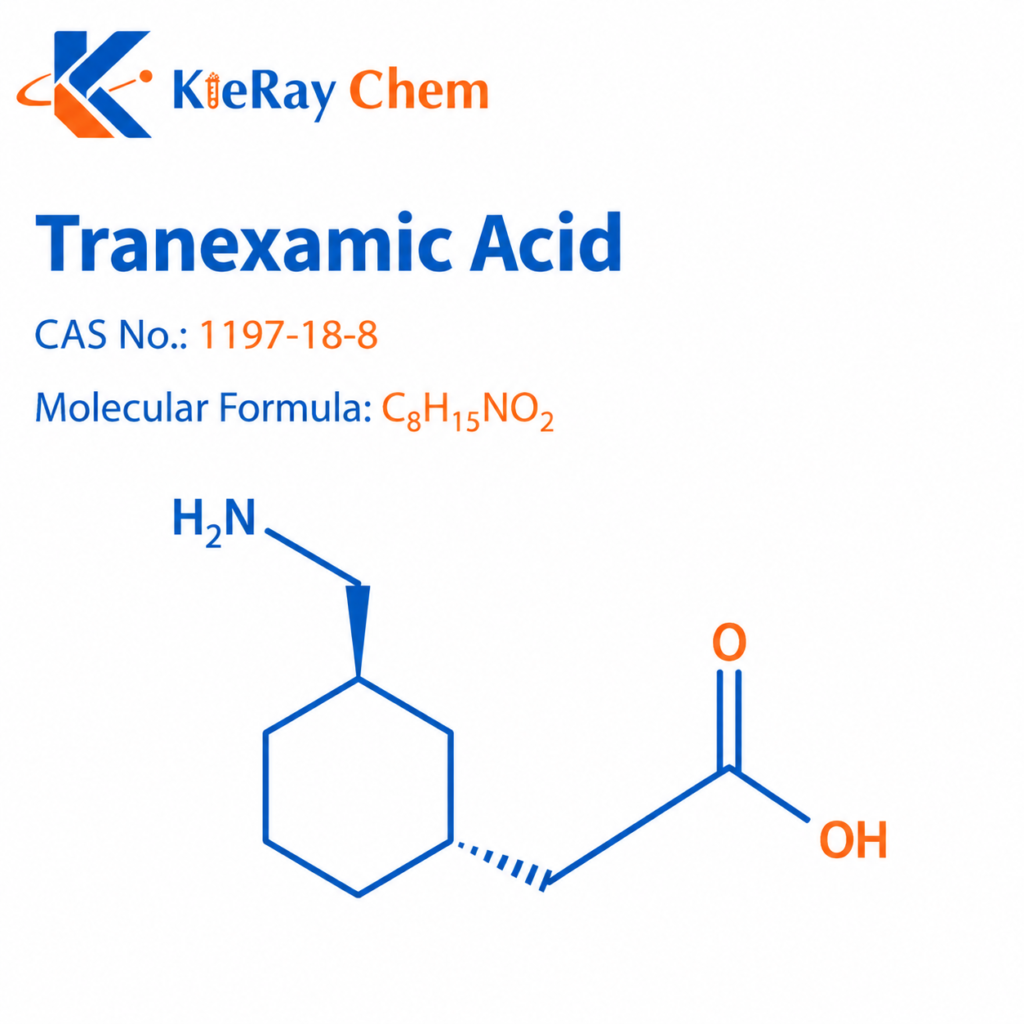
3.3 The Hyperpigmentation Eradicator: Niacinamide + Tranexamic Acid
3.3.1 Mechanisms of Synergy
This pairing forms a classic, multi-pathway depigmentation matrix targeting melano-dynamics at opposing cellular stages.
- Upstream Attenuation: Tranexamic Acid operates at the upstream phase of melanogenesis. By inhibiting the plasminogen-plasmin pathway, it breaks the signaling loop between UV-damaged keratinocytes and melanocytes, suppressing the initial triggers that cause melanin overproduction.
- Downstream Occlusion: Niacinamide stands guard at the downstream phase, blockading those melanosomes that are already synthesized from climbing up the dendritic structures into visible epidermal layers. This dual-action mechanism targets stubborn chloasma, melasma, and solar lentigines with high safety and zero irritation.
3.3.2 Formulation Specifications & Processing
- Optimal Synergy Ratios: 3.0% – 5.0% Niacinamide + 2.0% – 3.0% Tranexamic Acid.
- pH Compatibility Alignment: Both actives are highly water-soluble, highly resilient, and maintain peak physical and chemical stability in simple water-based vehicles (such as essences and clarifying toners) buffered to pH 5.5 – 6.5.
3.4 Formulation Synergy Matrix
| Active Pairing | Target Molecular Mechanism | Optimal Formulation pH Window | Clinical Target & Skin Indication |
|---|---|---|---|
| Niacinamide + Retinol | Ceramide upregulation + Dermal collagen matrix restructuring | pH 6.0 – 6.5 | Mature skin, photo-aging, static fine lines, loss of structural elasticity |
| Niacinamide + Salicylic Acid | Sebum excretion rate reduction + Intra-pore lipophilic desquamation | pH 5.0 – 5.5 (Requires encapsulated/BHA) | Severe oily skin, micro-comedones, follicular congestion, recurring blackheads |
| Niacinamide + Tranexamic Acid | Upstream melanocyte signaling blockade + Downstream melanosome transport occlusion | pH 5.5 – 6.5 | Stubborn melasma, localized dark spots, post-inflammatory hyperpigmentation (PIH) |
Chapter 4: Industrial Compounding Protocols & Manufacturing Pitfalls
When scaling up Niacinamide formulations from a laboratory bench to mass scale manufacturing, process engineers and quality control (QC) teams frequently encounter hidden physicochemical hurdles. While Niacinamide is generally considered a robust and highly water-soluble crystalline molecule, industrial-scale bulk production exposes vulnerabilities such as cold-temperature crystallization, impurity-driven chromophore coloration, and severe batch hydrolysis.
This chapter analyzes the primary scale-up challenges, chemical cross-reactions, and definitive engineering corrective actions required to ensure batch-to-batch stability.
4.1 Cold-Temperature Crystallization and Solubility Drop (“White Crystal Precipitation”)
4.1.1 The Industrial Mechanism
Niacinamide is highly soluble in ambient water (approximately 100g/100mL at 25°C). However, its thermodynamic solubility curve drops sharply as temperature decreases. In mass commercial products—such as high-potency “10% or 20% Niacinamide booster serums”—the solution approaches near-saturation points. When commercial batches encounter winter supply chains, cold storage warehouses, or unheated transport vehicles dropping down to 0°C to 4°C, the molecule rapidly undergoes nucleated crystallization, dropping fine white needle-like crystals to the bottom of the packaging.
4.1.2 Compounding Preventative Protocols
- Hydrotrope & Polyol Integration: Formulators must lower the freezing point and break up structural water clusters by incorporating complex polyol matrices. A minimum threshold of 5.0% to 10.0% of a mixed-polyol system (e.g., Propylene Glycol paired with Butylene Glycol or Methyl Gluceth-20) acts as an essential co-solvent and crystal growth inhibitor.
- Solubilizer Synergy: Including small fractions (0.5%–1.0%) of non-ionic surfactants or hydrotropes—such as Dimethyl Isosorbide (DMI) or Ethoxydiglycol—can disrupt the orderly stacking of Niacinamide crystal lattices under low-temperature duress, keeping the compound in a stable, isotropic liquid phase.
4.2 Impurity-Driven Discoloration (“The Chromophore Discoloration Reaction”)
4.2.1 The Nicotinic Acid / Heavy Metal Complexation
Raw Niacinamide powder often carries a trace byproduct from manufacturing synthesis: Nicotinic Acid (Niacin). International regulatory guidelines cap this residual impurity at < 100–200 ppm. However, if the raw material batch contains elevated levels, or if early-stage batch hydrolysis occurs, free Nicotinic Acid functions as a potent bidentate chelating ligand.
- The Discoloration Route: When the compounding water contains trace metal contamination (such as Fe³⁺ ions from aging stainless steel mixing vessels or raw botanicals), the Nicotinic Acid binds with the metal to create a coordination complex. This chemical formation creates a highly visible, yellowish-brown chromophore that can turn a transparent serum into an unappealing yellow or amber shade over time.
4.2.2 The Schiff Base Cross-Reaction
If Niacinamide is co-formulated with aldehydes, raw reducing sugars, or specific fragrance components (like vanillin or citral), it can undergo a condensation reaction. This process forms an unstable Schiff Base conjugated system, leading to batch yellowing and severe odor shifting under accelerated stability testing.
4.2.3 Factory Corrective Actions (SOPs)
- Deionized Water Standardization: Ensure the compounding system utilizes ultra-pure water with a conductivity profile of < 1.0 μS/cm, completely removing trace iron, copper, and manganese ions.
- Chelating Agent Deployment: Always incorporate a robust chelating system, such as 0.05% – 0.1% Disodium EDTA or Tetrasodium Glutamate Diacetate, into the early water phase to instantly bind and deactivate trace metallic contaminants.
- Raw Material Screening: Mandate a raw material certificate of analysis (COA) specifying “Low Nicotinic Acid Grade” (<100 ppm) for any formulations utilizing Niacinamide at concentrations exceeding 3.0%.
4.3 Inadvertent Hydrolysis and pH Drift Issues
4.3.1 The In-Tank Chemical Degradation
In automated bulk cosmetic production, processing timelines can sometimes extend due to mechanical bottlenecks or filtration delays. If a batch containing Niacinamide is kept at high temperatures (> 75°C) for several hours inside the holding tank, chemical hydrolysis will begin.
- The Danger Layer: Niacinamide hydrolyzes into Nicotinic Acid and free Ammonium ions. The generation of Nicotinic Acid shifts the entire formula pH downward into a highly acidic zone. Once a consumer applies this degraded, acidic batch, the high concentration of Nicotinic Acid triggers sudden cutaneous vascular dilation, causing mass skin flushing, burning sensations, and hives.
4.3.2 Manufacturing Mitigation Guidelines
- The Cold-Addition Protocol: In hot-process manufacturing (such as O/W creams or thick emulsions), never add Niacinamide powder during the initial water phase at 80°C. Instead, melt and emulsify your oil and water phases first. Cool the main vessel down below 45°C (Post-Addition Phase) before pumping in a pre-dissolved Niacinamide-water solution.
- pH Buffering Control: Do not rely on simple pH adjusters like Sodium Hydroxide or Citric Acid alone. High-potency Niacinamide batches must use a stable buffer network, such as Sodium Citrate / Citric Acid or Potassium Phosphate, to permanently hold the formulation within a strict stabilization window of pH 5.5 to 6.5.
4.4 Mass-Scale Manufacturing Troubleshooting Checklist
The matrix below serves as an operational troubleshooting standard for plant managers and factory compounders:
| Industrial Production Defect | Likely Root Cause | Factory Floor Corrective Action (SOP) |
|---|---|---|
| Needle-like sedimentation at bottom of filling lines | Saturated solution collapse caused by cold temperature drop during winter storage. | Introduce 3% Propylene Glycol + 2% DMI as crystal disruptors; warm batch to 40°C to re-solubilize. |
| Transparent toner shifts to light yellow after 1 month | Complexation of Nicotinic Acid with trace Fe³⁺ ions from batching equipment or botanical raw materials. | Upgrade water system filtration; increase Disodium EDTA dosage to 0.1%; mandate low-niacin raw material raw inputs. |
| Batch pH drops from 6.0 to 4.2 under stability tests | High-temperature processing degradation or lack of an integrated chemical buffering matrix. | Move Niacinamide to post-addition phase below 45°C; incorporate a Sodium Citrate / Citric Acid buffering grid. |