Chapter 1: Technological Foundations and Formulation Economics of Sodium PCA in Skincare OEM/ODM
1.1 Chemical Profile and Structural Properties of the Raw Material
1.1.1 Nomenclature and Classification
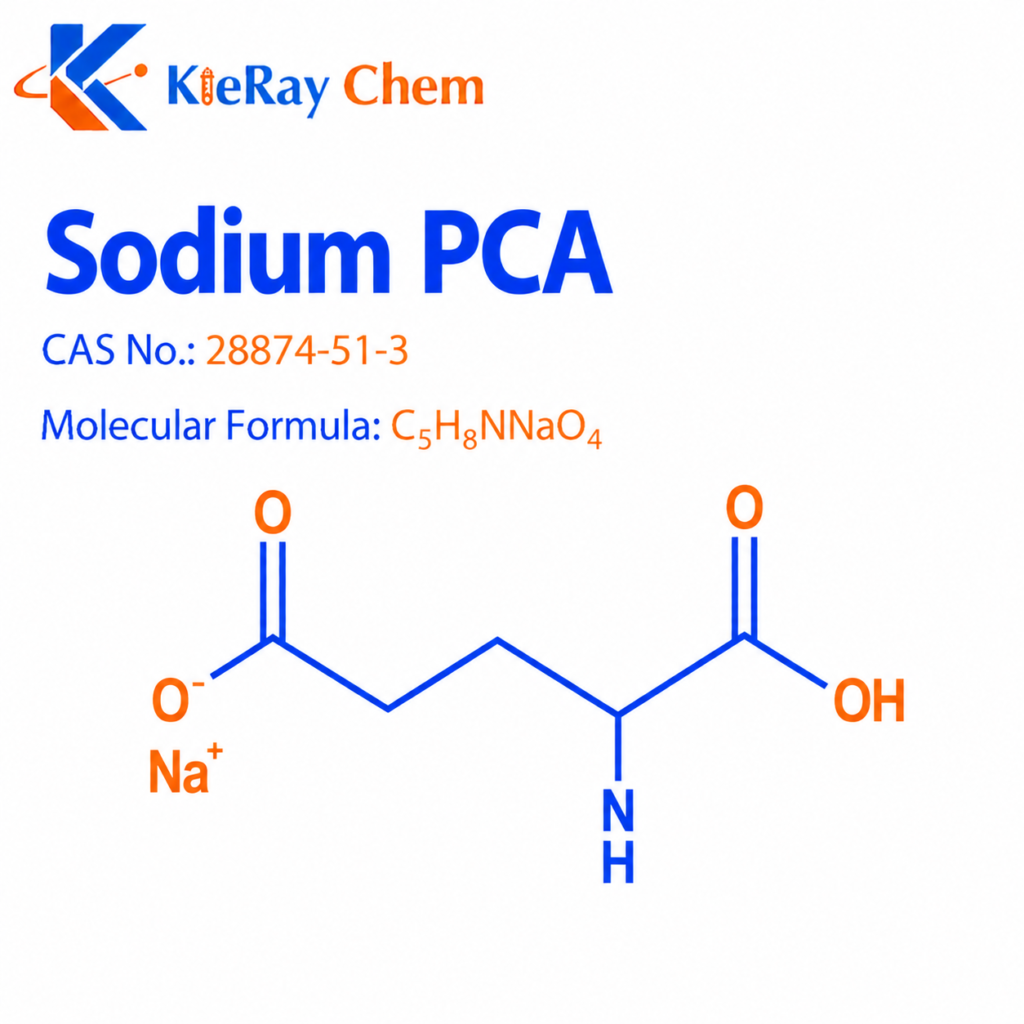
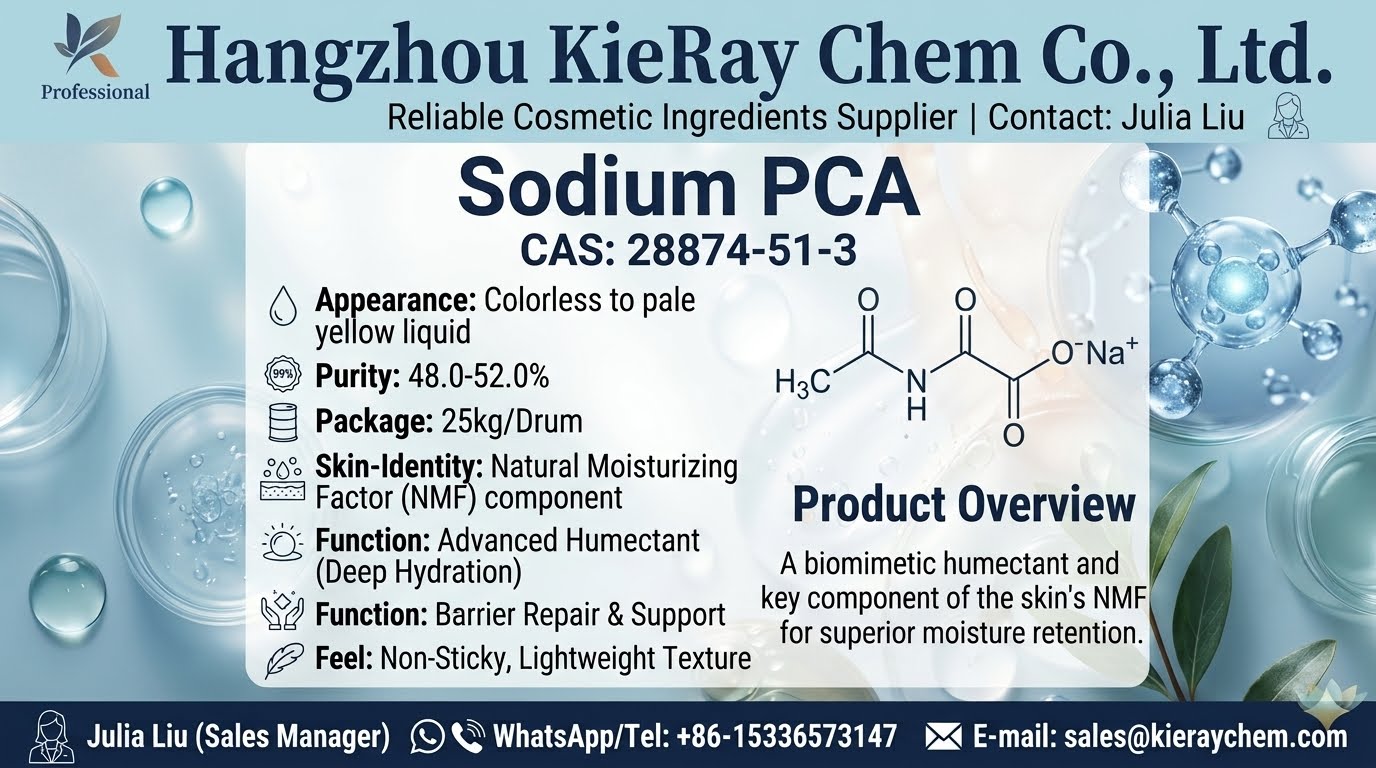
- INCI Nomenclature: Sodium PCA (Sodium Pyrrolidone Carboxylic Acid).
- CAS No.: 28874-51-3
- Chemical Classification: Derived from L-glutamic acid, serving as a primary component of the skin’s Natural Moisturizing Factor (NMF).
- Functional Categorization: Biomimetic humectant and epidermal barrier reparative agent.
1.1.2 Molecular Mechanism and Source Dualism
- Endogenous Synthesis: Sodium PCA constitute approximately 12% of the endogenous NMF within the stratum corneum, synthesized via the proteolysis of filaggrin.
- Industrial Synthesis: Manufactured through high-purity catalytic cyclization of L-glutamic acid, yielding a nature-identical structure with superior batch-to-batch stability and chemical purity.
- Biocompatibility: Features high physiological affinity, eliminating immunological rejection and lowering irritation thresholds across vulnerable demographic cohorts.
1.2 Mechanistic Evaluation of Core Efficacy
1.2.1 Hydrophilic Kinetics and Textural Optimization
- Hygroscopic Capacity: The pyrrolidone ring structure acts as a highly efficient osmotic regulator, actively binding atmospheric moisture and establishing a sustained 6-to-8-hour hydration reservoir.
- Rheological Advantage: Delivers profound hydration without increasing formulation viscosity, eliminating the tackiness or heavy film-forming aesthetics associated with traditional polyols like glycerin.
1.2.2 Barrier Restoration and Homeostasis
- NMF Replenishment: Exogenous application replenishes depleted NMF levels induced by seasonal dermatoses, retinoid/acid resurfacing, or post-procedural laser therapies.
- Desquamation Regulation: Normalizes corneocyte desquamation by maintaining optimal hydrolytic enzyme activity within the extracellular matrix, reducing transepidermal water loss (TEWL).
1.2.3 Dermatological Safety Profile
- Biomimetic pH: Exhibits an acidic equilibrium compatible with the acid mantle of human skin (pH 4.5–6.0).
- Hypoallergenic Substitution: Acts as an ideal, non-irritating alternative to propylene glycol, significantly mitigating transcutaneous penetration irritation in reactive skin types.
1.3 Strategic Advantages in Cosmetic Manufacturing (OEM/ODM)
1.3.1 Market Positioning in Sensitive Skincare
- Demographic Target: Directly addresses the hyper-growth sensitive skincare segment, which impacts over 40% of the global consumer base.
- Product Differentiation: Enables contract manufacturers to formulate clean-label, minimalist claims for infant care, gestational skincare, and post-procedure recovery matrices.
1.3.2 Formulation Versatility and Process Simplification
- Phase Compatibility: Exhibits high solubility in aqueous systems and seamless dispersion across oil-in-water (O/W) and water-in-oil (W/O) emulsion matrices.
- Thermal Stability: Requires no specialized thermal processing; it can be incorporated cold (ambient temperature), optimizing manufacturing energy consumption and reducing throughput time.
1.4 Clinical Application Scenarios and Target Matrices
1.4.1 Reactive Dermatitis Frameworks
- Application: Soothing toners, barrier-repair emulsions, and post-procedure recovery creams.
- Claim Architecture: Dermatologist-tested, zero-irritation, anti-sting, and active redness reduction.
1.4.2 Pediatric and Maternal Topicals
- Application: Infant body lotions, pediatric barrier balms, and stretch-mark preventative creams.
- Claim Architecture: Food-grade origin, bio-mimetic safety, tear-free, and stripping-free hydration.
1.4.3 Medical Aesthetic Aftercare
- Application: Post-laser recovery serums, post-chemical peel sheet masks, and epidermal soothing gels.
- Claim Architecture: Accelerated re-epithelialization, immediate desensitization, and transepidermal water loss mitigation.
1.4.4 High-Performance Daily Humectants
- Application: All-season gel-creams, weightless body milks, and non-comedogenic daily lotions.
- Claim Architecture: Non-greasy finish, 8-hour continuous hydration, and non-comedogenic skin-breathing textures.
Chapter 2: Molecular Mechanisms of Action and Dermatological Pharmacology
2.1 Thermodynamic Moisture Absorption and Osmotic Regulation
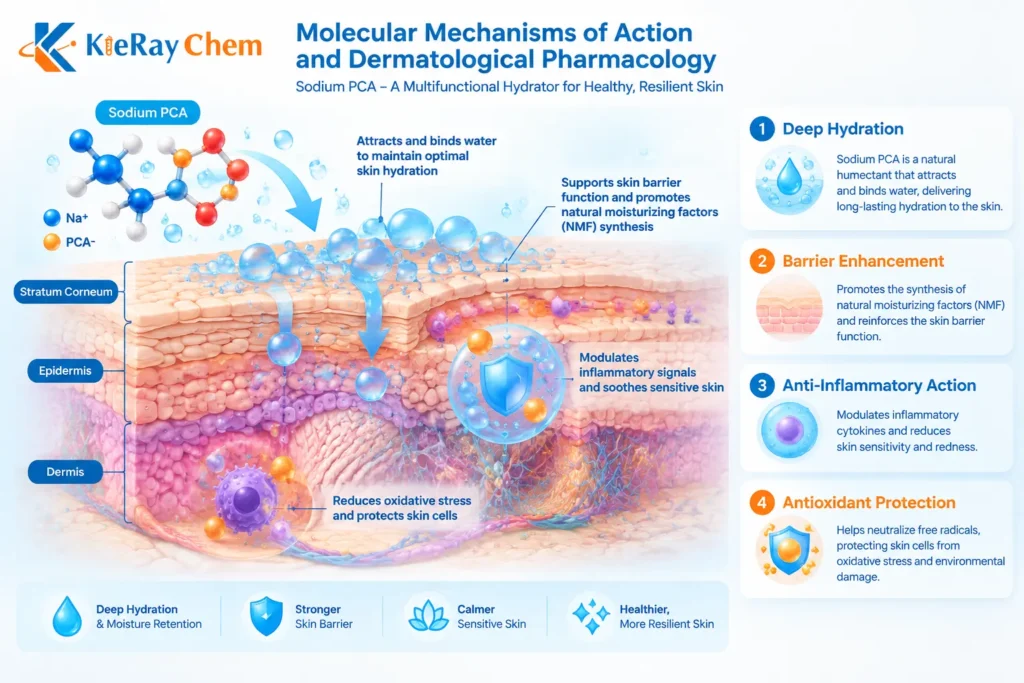
- Hydrogen-Bonding Synergy: Sodium PCA possesses a highly hydrophilic cyclic amide structure (pyrrolidone ring) featuring specific carbonyl (=O) and amino (-NH) groups. These groups function as powerful hydrogen-bond acceptors and donors, allowing a single molecule of Sodium PCA to coordinate multiple water molecules simultaneously, creating a dynamic, highly ordered hydration shell.
- Hygroscopic Equilibrium: Operating as a highly efficient osmotic regulator, it establishes a hygroscopic gradient. This gradient actively captures vaporized moisture from the ambient atmosphere and shifts it into the dehydrated upper layers of the stratum corneum, maintaining localized moisture equilibrium even under low relative humidity conditions.
2.2 Biomimetic Integration and Intercellular Matrix Homoeostasis
- Endogenous NMF Substitution: As a primary native constituent comprising approximately 12% of the skin’s Natural Moisturizing Factor (NMF), exogenously applied Sodium PCA seamlessly integrates into the intercellular lamellar lipids. It bypasses cellular rejection mechanisms, directly compensating for the genetic or environmental down-regulation of filaggrin proteolysis.
- Corneocyte Swelling and Structural Packing: By filling the hydrophilic gaps between corneocytes, it induces physiological swelling of the keratinocytes. This optimal volumetric expansion reorganizes the physical spacing of the stratum corneum, closing structural fissures and optimizing the structural density of the physical skin barrier.
2.3 Biophysical Mitigation of Transepidermal Water Loss (TEWL)
- Micro-Occlusive Hydration Networks: Rather than forming a synthetic, heavy macromolecular film on the skin surface, Sodium PCA constructs a microscopic, breathable hydration lattice within the extracellular matrix. This lattice provides non-comedogenic moisture retention, slowing down passive water evaporation without altering cellular respiration or trapping sebum.
- Dynamic Elasticity Enhancement: The intense hydration of the keratin matrix lowers the glass transition temperature of the stratum corneum. This biophysical alteration transforms brittle, dehydrated skin surfaces into highly flexible, elastic structures, significantly reducing the occurrence of micro-cracks and subsequent environmental micro-irritations.
2.4 Enzymatic Cascade Stabilization and Desquamation Regulation
- Corneodesmosome Cleavage Activation: Orderly desquamation depends heavily on the activity of hydrolytic enzymes, specifically stratum corneum chymotryptic enzyme (SCCE/KLK7) and stratum corneum tryptic enzyme (SCTE/KLK5). Sodium PCA maintains the critical localized water threshold required to catalyze these enzymes, facilitating the clean cleavage of corneodesmosomes.
- Hyperkeratosis Prevention: By preventing the premature arrest of enzymatic degradation caused by localized dehydration, it eliminates abnormal corneocyte cohesion. This regularized shedding cycle suppresses the clinical onset of xerosis, scaling, and roughness, promoting a smoother and more refined skin texture.
2.5 Acid Mantle Fortification and Microbiome Symbiosis
- Physiological Buffer Capacity: Characterized by an inherent weak acidity, Sodium PCA acts as a natural biochemical buffer that reinforces the protective acid mantle of the skin, typically maintaining an optimal pH range between 4.5 and 6.0.
- Antimicrobial Barrier Support: By stabilizing this acidic microenvironment, it creates an unfavorable habitat for pathogenic colonization (e.g., Staphylococcus aureus or Cutibacterium acnes). Concurrently, it preserves the viability of beneficial skin commensals, supporting the biological defense mechanisms of the cutaneous barrier.
Chapter 3: Formulation Synergy, Compatibility Engineering, and Bio-active Cascades
3.1 Advanced Interfacial Compatibility and Processing Rheology
- Electrolyte Tolerance Profile: Sodium PCA (CAS No. 28874-51-3) is a highly polar, ionized sodium salt of pyrrolidone carboxylic acid. In formulation engineering, its high ionic strength can compress the electrical double layer of traditional polymeric thickeners, such as cross-linked polyacrylates (Carbomers). To maintain structural rheology, it must be paired with salt-tolerant rheology modifiers like Xanthan Gum (CAS No. 11138-66-2), Sclerotium Gum (CAS No. 39464-87-4), or ammonium acryloyldimethyltaurate/VP copolymer.
- Emulsion Phase Versatility: The high water solubility and thermodynamic stability of Sodium PCA allow for straightforward cold-process manufacturing. It exhibits zero thermal degradation up to standard compounding temperatures (80 degrees Celsius), permitting its addition into either the aqueous phase prior to emulsification or during the post-emulsification cooling phase (less than 40 degrees Celsius) across O/W, W/O, and silicone-based (W/Si) systems.
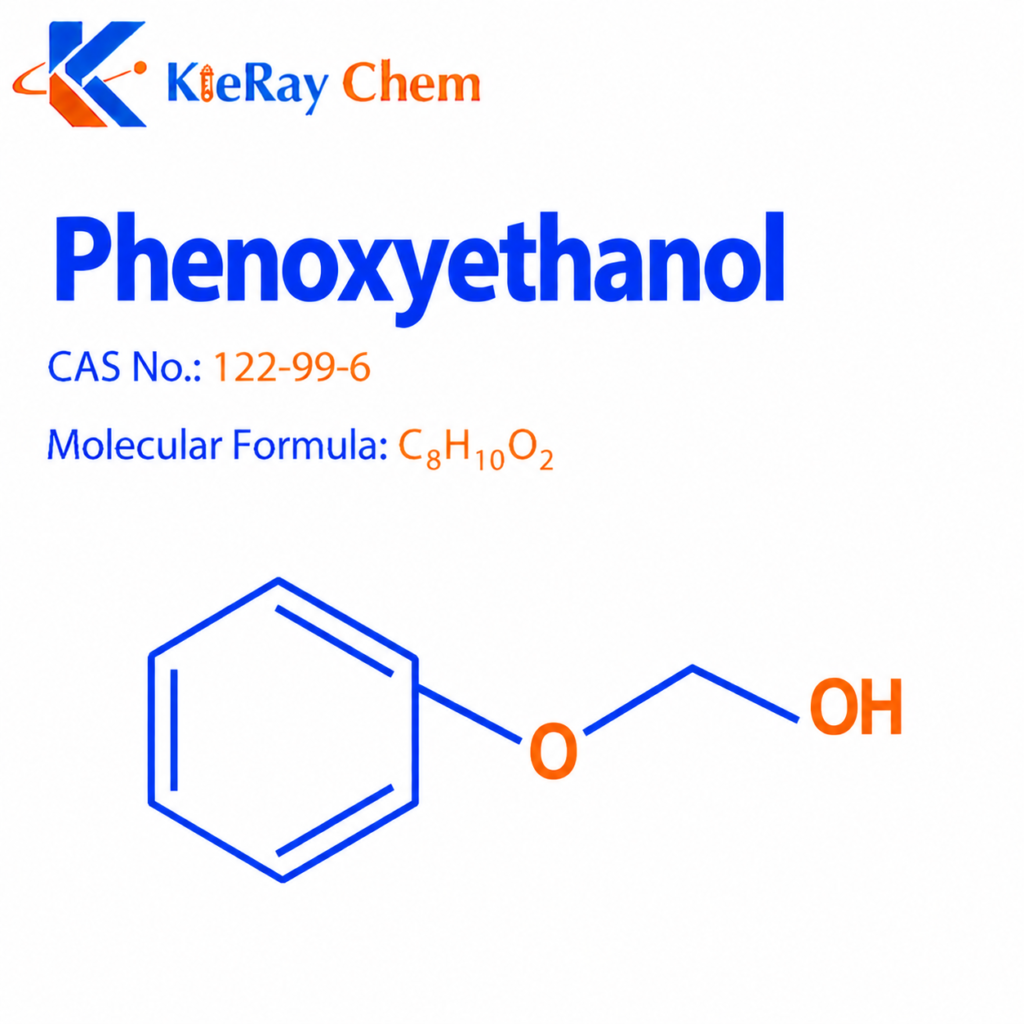
- Preservative and Solvent Optimization: Utilizing Sodium PCA as a biomimetic humectant allows formulators to reduce or entirely substitute traditional, irritating short-chain glycols, such as Propylene Glycol (CAS No. 57-55-6). Furthermore, its excellent water-binding capacity reduces free water activity (aw) in the formulation, which synergistically boosts the broad-spectrum antimicrobial efficacy of organic acids like Phenoxyethanol (CAS No. 122-99-6).
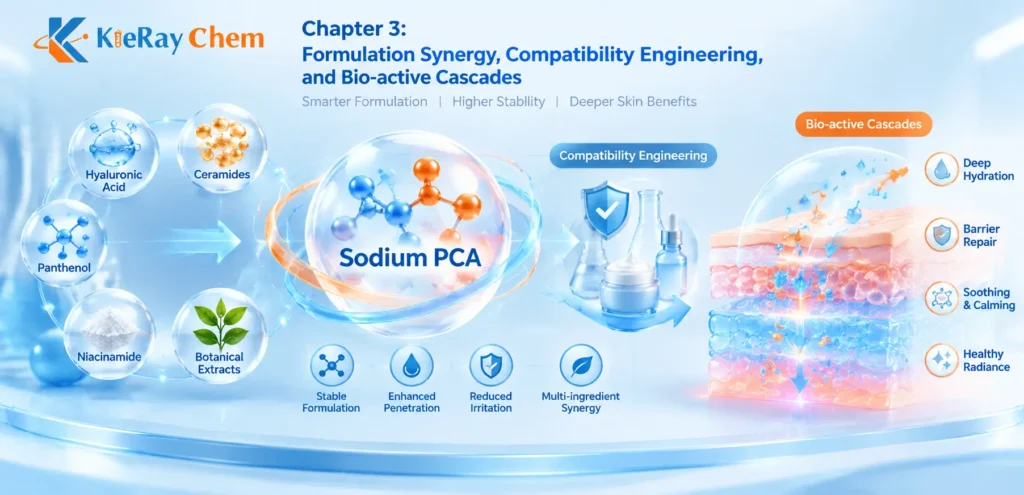
3.2.1 The Barrier Reconstruction Cascade: Sodium PCA + Ceramide NP
- Mechanistic Synergy: While Sodium PCA (CAS No. 28874-51-3) saturates the hydrophilic intra-corneocyte spaces to optimize cell volume, Ceramide NP (CAS No. 100403-19-8) reorganizes the hydrophobic extracellular lamellar lipid bilayers.
- Clinical Outcome: This combined action creates a comprehensive “lipid-aqueous dual-layer” shield. It effectively repairs structural damage caused by retinoid therapies, chemical peels, or environmental stress, lowering transepidermal water loss (TEWL) far more effectively than using either ingredient alone.
3.2.2 The Neurogenic Soothing Cascade: Sodium PCA + Panthenol
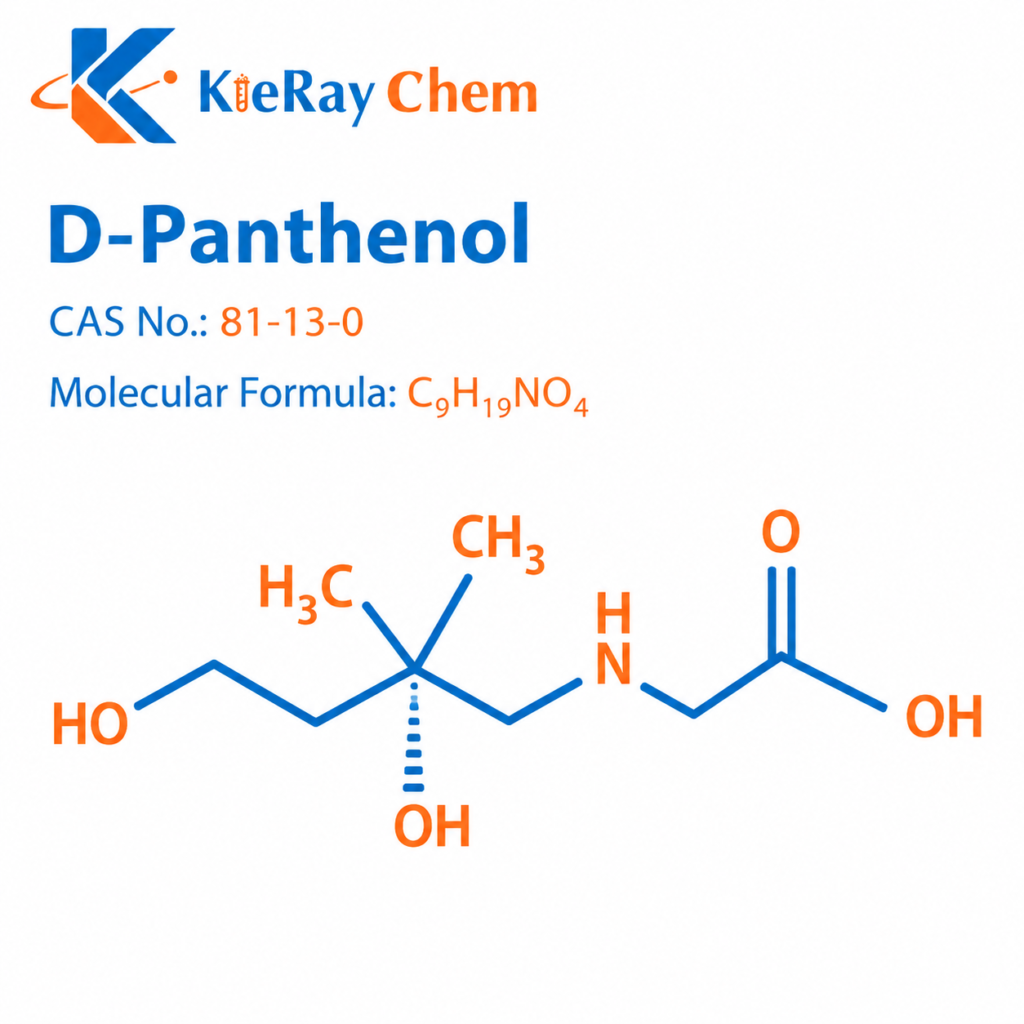
- Mechanistic Synergy: Sodium PCA provides immediate hydration to parched epidermal nerve endings, while Panthenol (CAS No. 81-13-0 / 16485-10-2) metabolizes into pantothenic acid (Vitamin B5) inside the skin. This conversion accelerates cellular mitosis and repairs damaged epithelial tissues.
- Clinical Outcome: This combination rapidly suppresses erythema (redness) and reduces stinging or burning sensations. It is highly suitable for seasonal dermatitis care, hyper-reactive skin conditions, and post-procedure medical aesthetic aftercare.
3.2.3 The Multi-Depth Macromolecular Cascade: Sodium PCA + Sodium Hyaluronate
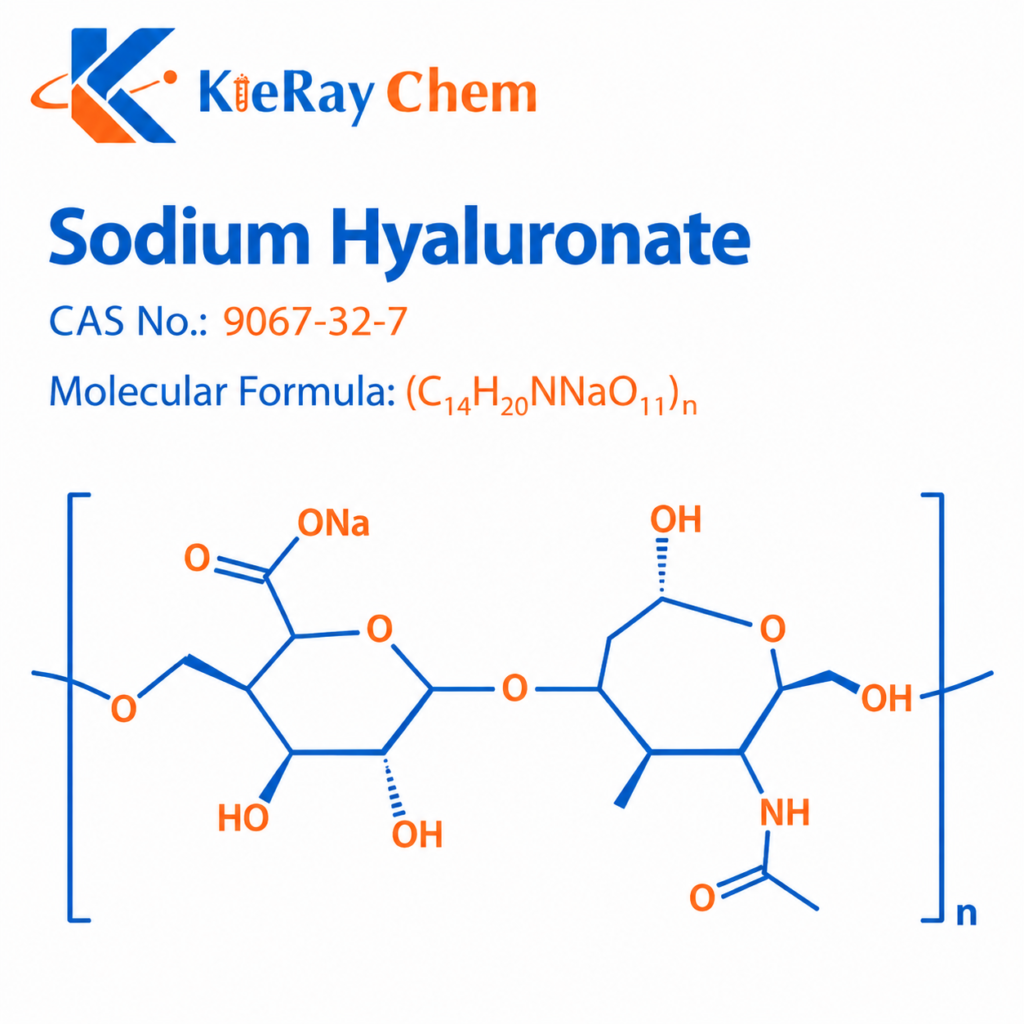
- Mechanistic Synergy: High-molecular-weight Sodium Hyaluronate (CAS No. 9067-32-7) forms a breathable, macro-occlusive humectant film on the surface of the stratum corneum to capture ambient moisture. Simultaneously, the low-molecular-weight Sodium PCA penetrates deeper into the intercellular micro-fissures of the skin matrix.
- Clinical Outcome: This dual-action approach establishes a tiered hydration network, delivering instant surface plumpness while maintaining continuous moisture reserves in the deeper layers of the stratum corneum for up to 8 hours.
3.2.4 The Osmoprotective Resilience Cascade: Sodium PCA + Betaine + Allantoin
- Mechanistic Synergy: Combining Sodium PCA with Betaine (CAS No. 107-43-7) and Allantoin (CAS No. 97-59-6) forms a highly compatible osmoprotective matrix. Betaine regulates intracellular osmotic pressure during dehydration stress, while Allantoin promotes cell proliferation and removes dead tissue.
- Clinical Outcome: This blend significantly reduces irritation caused by surfactant systems in rinse-off products (such as cleansers and shampoos). It maintains skin barrier integrity during cleansing and leaves a soft, non-stripping after-feel.
3.3 Clinical Application Matrices and OEM/ODM Formulation Benchmarks
| Target Market | Core Application | Complementary Actives (with CAS Numbers) | Expected Claims |
|---|---|---|---|
| Reactive / Sensitive Skincare | Barrier-Repair Emulsions, Anti-Sting Toners | Ceramide NP (CAS No. 100403-19-8) Panthenol (CAS No. 81-13-0) | Corticosteroid-free relief, 24-hour anti-redness, immediate desensitization. |
| Pediatric & Maternal Care | Infant Body Milks, Tear-Free Cleansing Gels | Betaine (CAS No. 107-43-7) Allantoin (CAS No. 97-59-6) | Biomimetic safety, zero-eye irritation, hypoallergenic barrier fortification. |
| Medical Aesthetic Aftercare | Post-Laser Sheet Masks, Soothing Recovery Serums | Sodium Hyaluronate (CAS No. 9067-32-7) Centella Asiatica Extract (CAS No. 84696-21-9) | Accelerated re-epithelialization, dynamic TEWL mitigation, post-peel recovery. |
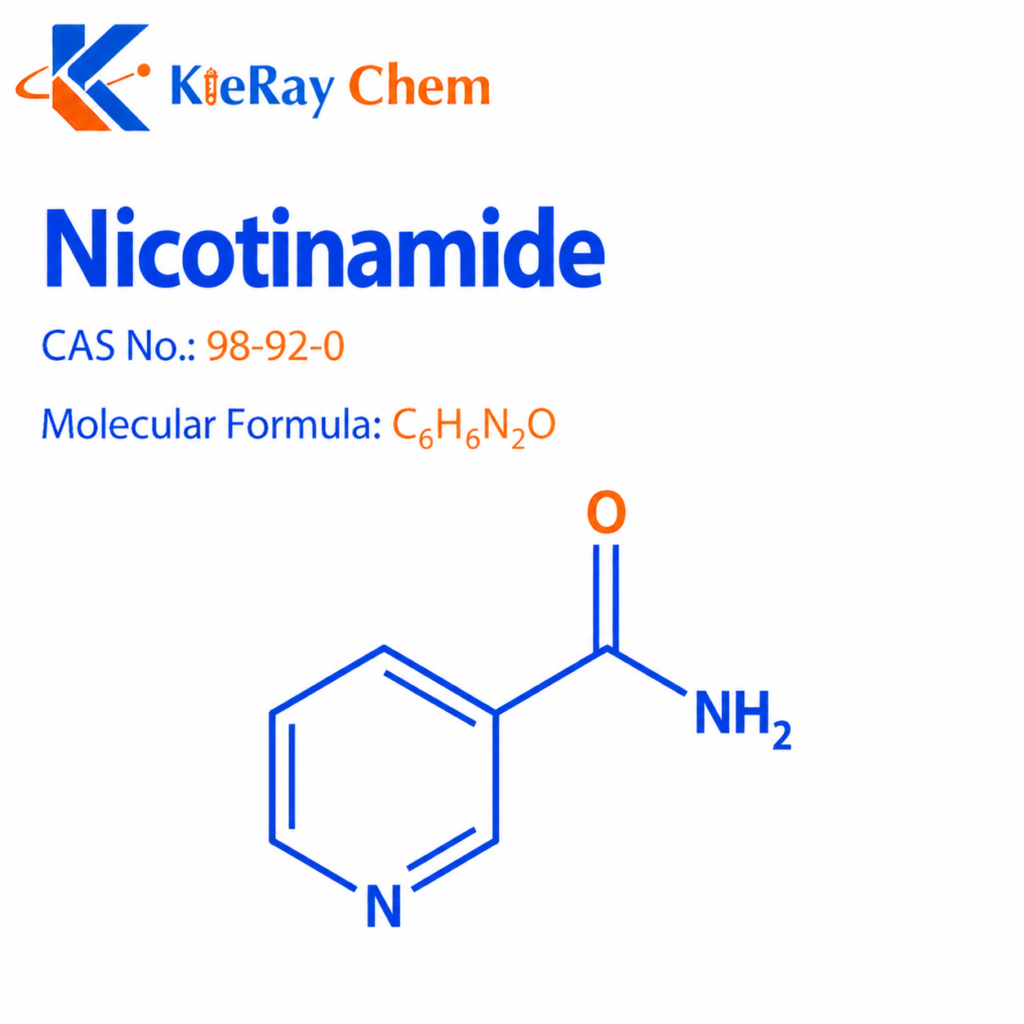
| High-Performance Daily Hydration | Weightless Gel-Creams, All-Season Body Lotions | Glycerin (CAS No. 56-81-5) Niacinamide (CAS No. 98-92-0) | Non-comedogenic skin-breathing texture, 8-hour continuous hydration, radiance boost. |
Chapter 4: Common Formulation Pitfalls and Corrective Technical Strategies
4.1 Viscosity Collapse in Polymeric Systems and Viscosifier Selection
- The Pitfall: Formulators frequently attempt to incorporate Sodium PCA (CAS No. 28874-51-3) directly into standard gel or cream matrices structured with traditional polyacrylic acid polymers, such as Carbomer (CAS No. 9003-01-4) or Sodium Acrylates Copolymer. Due to its nature as a highly ionized electrolyte, Sodium PCA compresses the electrical double layer of these polymers. This causes the localized polymer chains to coil, leading to an immediate loss of viscosity, emulsion breaking, or complete phase separation.
- The Correction: Substitute salt-sensitive thickeners with high-performance, electrolyte-tolerant rheology modifiers. Formulators should utilize Ammonium Acryloyldimethyltaurate/VP Copolymer (CAS No. 334362-22-4), Xanthan Gum (CAS No. 11138-66-2), or Sclerotium Gum (CAS No. 39464-87-4). Alternatively, incorporating non-ionic associative thickeners can stabilize the emulsion network against electrolyte-induced syneresis without compromising textural aesthetics.
4.2 Raw Material Discoloration Kinetics and High-Temperature Storage Degradation
- The Pitfall: In high-temperature manufacturing environments or during accelerated stability testing (50°C), formulations containing high inputs of industrial-grade Sodium PCA often exhibit gradual yellowing. This discoloration is primarily caused by trace organic impurities, such as residual free L-glutamic acid, undergoing trace Maillard-like side reactions or oxidative degradation when exposed to UV light and heat over extended periods.
- The Correction: Specify the use of cosmetic-grade Sodium PCA with a certified purity threshold exceeding 99.0% and minimal residual amino acid fractions. Additionally, incorporate a chelating agent such as Disodium EDTA (CAS No. 139-33-3) or Tetrasodium Glutamate Diacetate (CAS No. 51981-21-6) at 0.1%–0.2% w/w to bind trace heavy metal catalysts, and package the final product in opaque, UV-protected, or airless containers to block light transmission.
4.3 Over-Reliance on Humectancy and the Absence of Occlusive Balance
- The Pitfall: A common miscalculation in OEM/ODM product design is deploying Sodium PCA as a standalone hydrating agent in high concentrations (above 5.0% w/w) for extremely dry or arid climates. Because Sodium PCA is highly hygroscopic and lacks intrinsic occlusive properties, using it without an oil phase in low-humidity environments can cause it to draw moisture out of the deeper epidermal layers, inadvertently accelerating transepidermal water loss (TEWL) once the superficial water evaporates.
- The Correction: Establish a balanced, multi-dimensional moisture network by coupling the hygroscopic humectancy of Sodium PCA with biomimetic occlusive lipids. Formulations must include intercellular lipid replenishers, such as Squalane (CAS No. 111-01-3), Caprylic/Capric Triglyceride (CAS No. 65381-09-1), or Ceramide NP (CAS No. 100403-19-8), to seal the surface and lock the captured water molecules inside the stratum corneum.
4.4 Disregard for pH-Dependent Hydrolysis and Buffer Capacities
- The Pitfall: Introducing Sodium PCA into highly acidic formulations (such as AHA/BHA chemical peels with a pH below 3.5) or highly alkaline systems (such as traditional stearic acid saponified cleansers with a pH above 8.5) often destabilizes the molecule. Extreme pH environments can induce partial ring-opening hydrolysis of the pyrrolidone ring, reverting it back to L-glutamic acid salt, which significantly reduces its targeted water-binding efficiency and alters the targeted skin feel.
- The Correction: Maintain the final formulation within the physiological and chemically stable pH window of 4.5 to 7.0. If the system contains other active ingredients that fluctuate in pH during shelf life, integrate a robust biological buffering system, such as a Citric Acid (CAS No. 77-92-9) / Sodium Citrate (CAS No. 6132-04-3) matrix, to clamp the pH within the optimal equilibrium zone of Sodium PCA.
4.5 Summary Matrix of Technical Pitfalls and Industrial Solutions
| Chemical Conflict | Root Biochemical Cause | Industrial Corrective Action |
|---|---|---|
| Emulsion Thinning / Carbomer Collapse | Electrolyte charge compression on polyacrylate backbones. | Transition to non-ionic or salt-tolerant polymers (e.g., Xanthan Gum, Ammonium Acryloyldimethyltaurate/VP Copolymer). |
| Thermal Yellowing / Chromophore Formation | Oxidation of residual free amino acid impurities. | Source high-purity raw materials (>99%), introduce chelators, and utilize UV-opaque primary packaging. |
| Rebound Dehydration in Dry Climates | Pure hygroscopicity without hydrophobic moisture trapping. | Pair with biomimetic occlusives (e.g., Squalane, Ceramide NP) to establish a comprehensive lipid-aqueous shield. |
| Ring-Opening Structural Hydrolysis | Ring degradation triggered by extreme acidic or alkaline environments. | Incorporate a Citric Acid/Sodium Citrate buffer system to lock the formulation within a stable pH range of 4.5–7.0. |