English | 中文 | Español

Industrial Grade

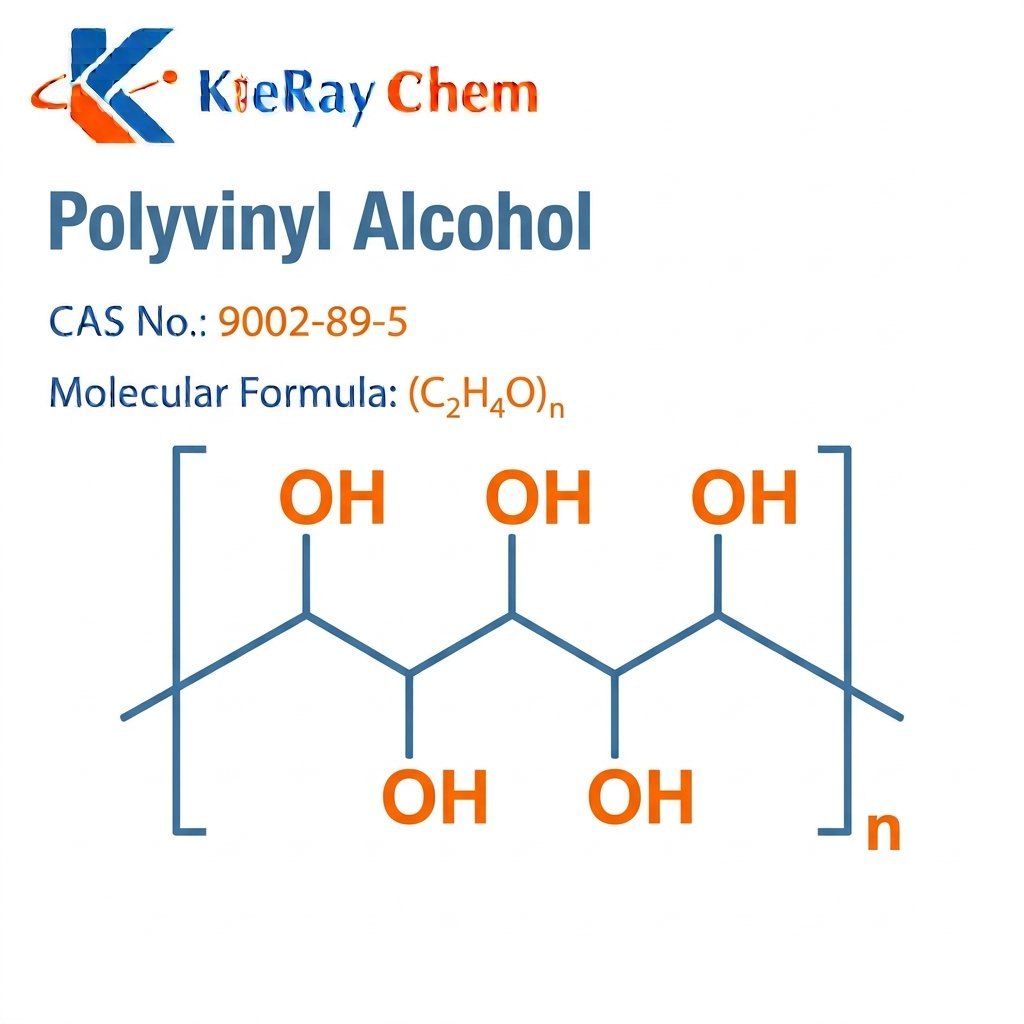
Polyvinyl Alcohol

Polyvinyl alcohol (CAS 9002-89-5) is a water-soluble synthetic polymer composed of repeating vinyl alcohol units (formula (C2H4O)n). It is produced by hydrolysis of polyvinyl acetate and is supplied in grades that differ by degree of hydrolysis and molecular weight (viscosity). Polyvinyl alcohol forms flexible films, exhibits good adhesive properties, and offers excellent chemical resistance to
Polyvinyl Alcohol Read More »

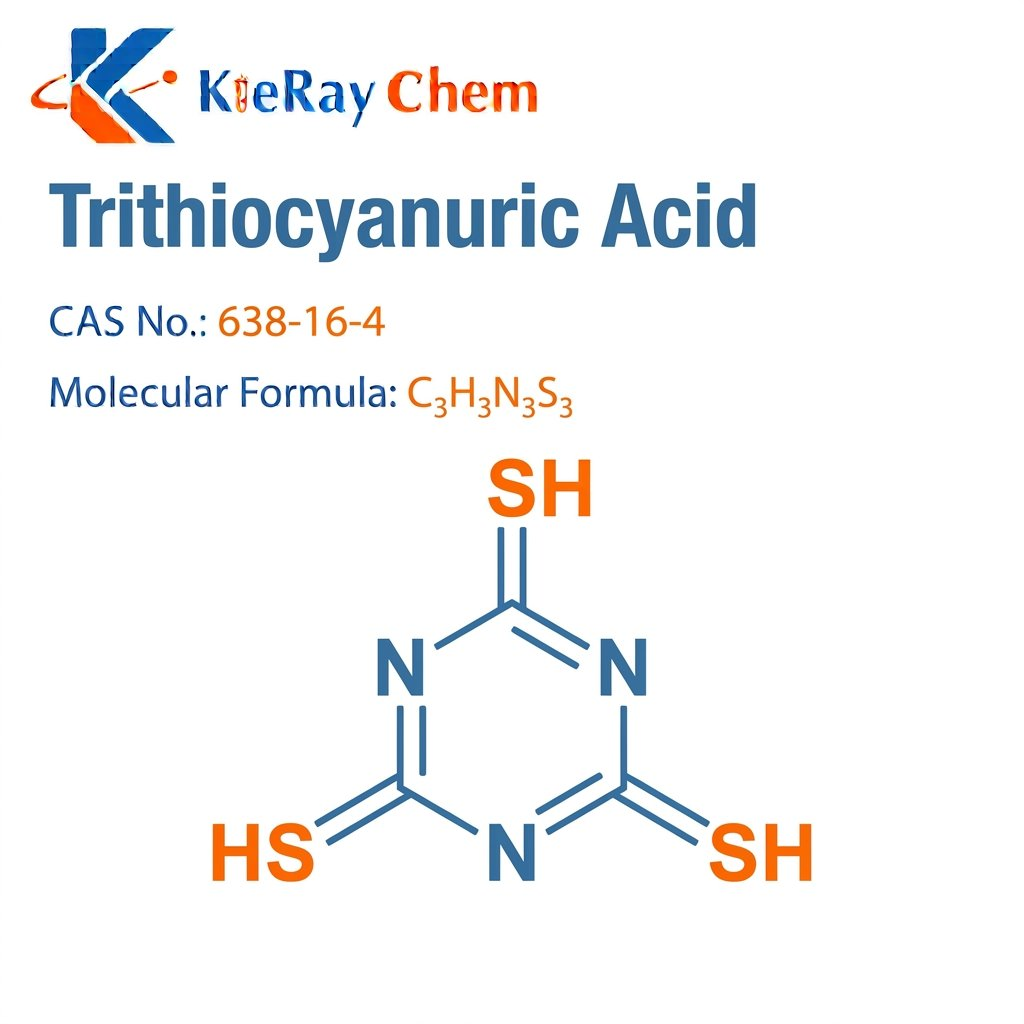
Trithiocyanuric Acid

Trithiocyanuric acid (CAS 638-16-4) is a sulfur-rich heterocyclic compound with the molecular formula C3H3N3S3. Often encountered as a pale yellow to brown crystalline powder, Trithiocyanuric acid is used in specialty chemical synthesis, metal chelation and as a functional intermediate in various industrial processes. The material is valued for its multiple thiol-like sites and its ability

Trithiocyanuric Acid Read More »

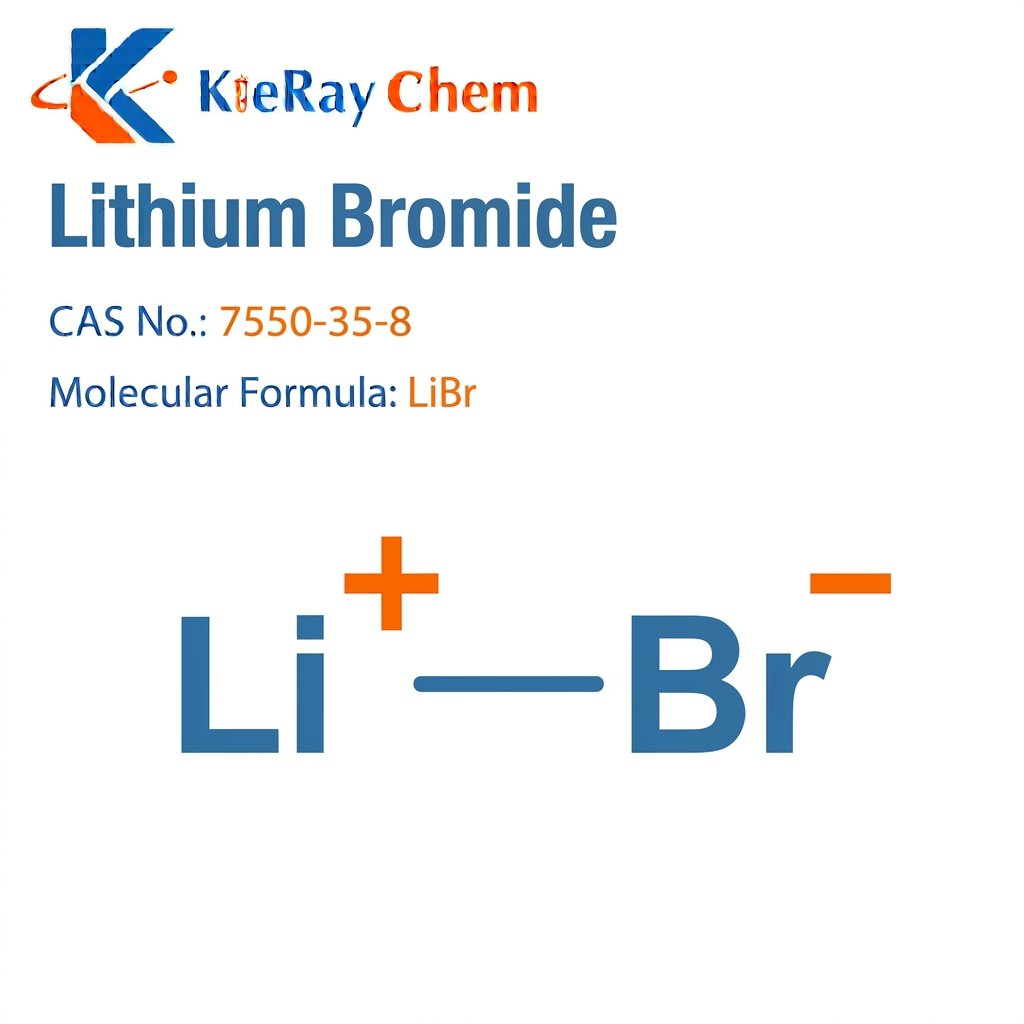
Lithium Bromide

Lithium bromide (CAS 7550-35-8) is a hygroscopic lithium salt used in a range of industrial and research applications including absorption refrigeration, electrolyte formulation, and specialty organic synthesis. In the electronics and materials sectors LiBr is used as a lithium source and as a processing aid where controlled ionic strength and solubility behavior are needed. The

Lithium Bromide Read More »

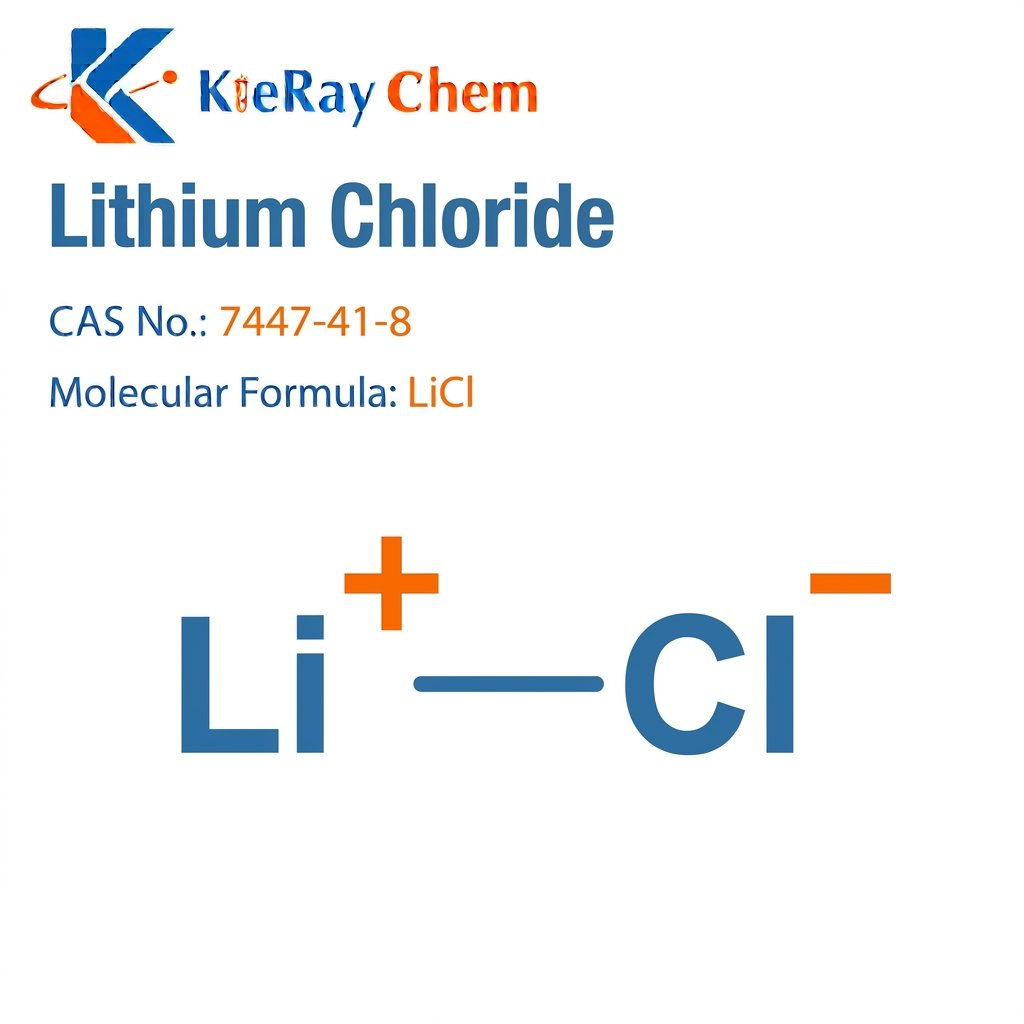
Lithium Chloride

Lithium chloride (CAS 7447-41-8) is a hygroscopic inorganic salt with broad use across electrochemical applications, specialty organic synthesis, and materials processing. As a high-purity salt, LiCl is employed in electrolyte formulations, lithium-ion battery research, and as a lithium source in chemical synthesis. Its high solubility in polar solvents and ability to influence ionic strength make

Lithium Chloride Read More »

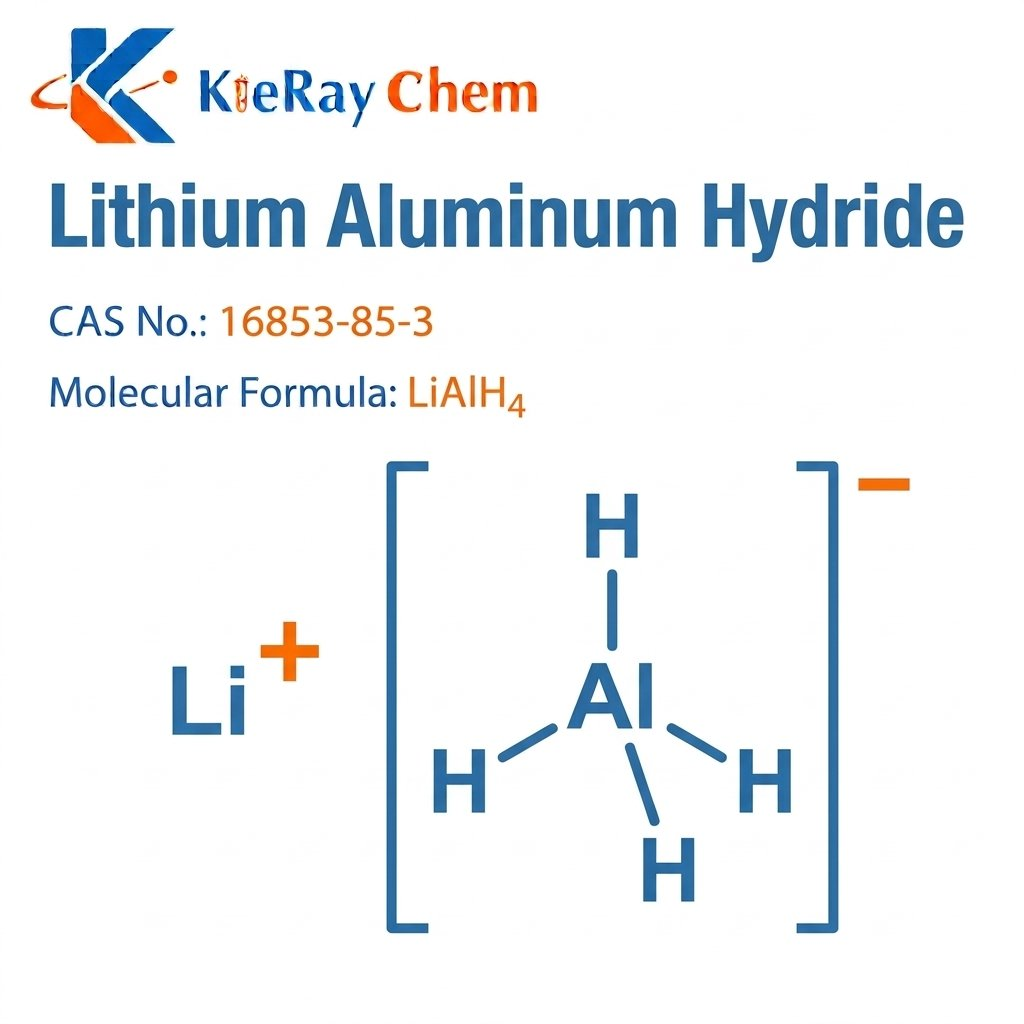
Lithium Aluminum Hydride

Lithium aluminum hydride (LiAlH4, CAS 16853-85-3) is a powerful, widely used hydride reducing agent applied in the reduction of carbonyl compounds, nitro groups, and other reducible functionalities. As a solid powder, LiAlH4 reacts vigorously with protic solvents and moisture, delivering hydride for rapid and often high-yielding reductions. It is a standard reagent in both academic

Lithium Aluminum Hydride Read More »

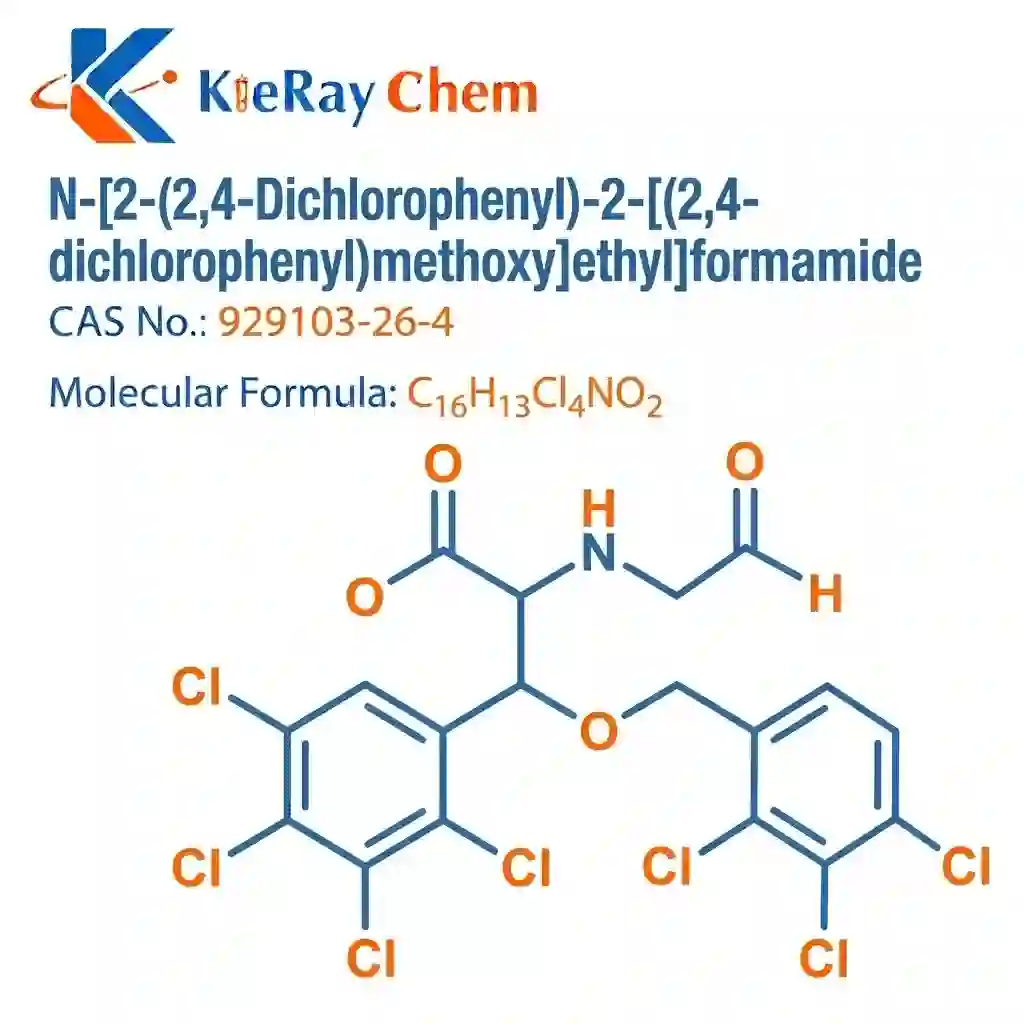
N-[2-(2,4-Dichlorophenyl)-2-[(2,4-dichlorophenyl)methoxy]ethyl]formamide

9,10-Dibromo-2-phenylanthracene (CAS 929103-26-4) is a halogenated polycyclic aromatic intermediate used in the preparation of substituted anthracene derivatives for organic electronic materials, photochemical studies, and advanced organic synthesis. The dibromo substitution at the 9,10-positions creates reactive sites for cross-coupling or functional group interconversion, enabling the construction of larger conjugated systems or the introduction of donor/acceptor substituents.

N-[2-(2,4-Dichlorophenyl)-2-[(2,4-dichlorophenyl)methoxy]ethyl]formamide Read More »

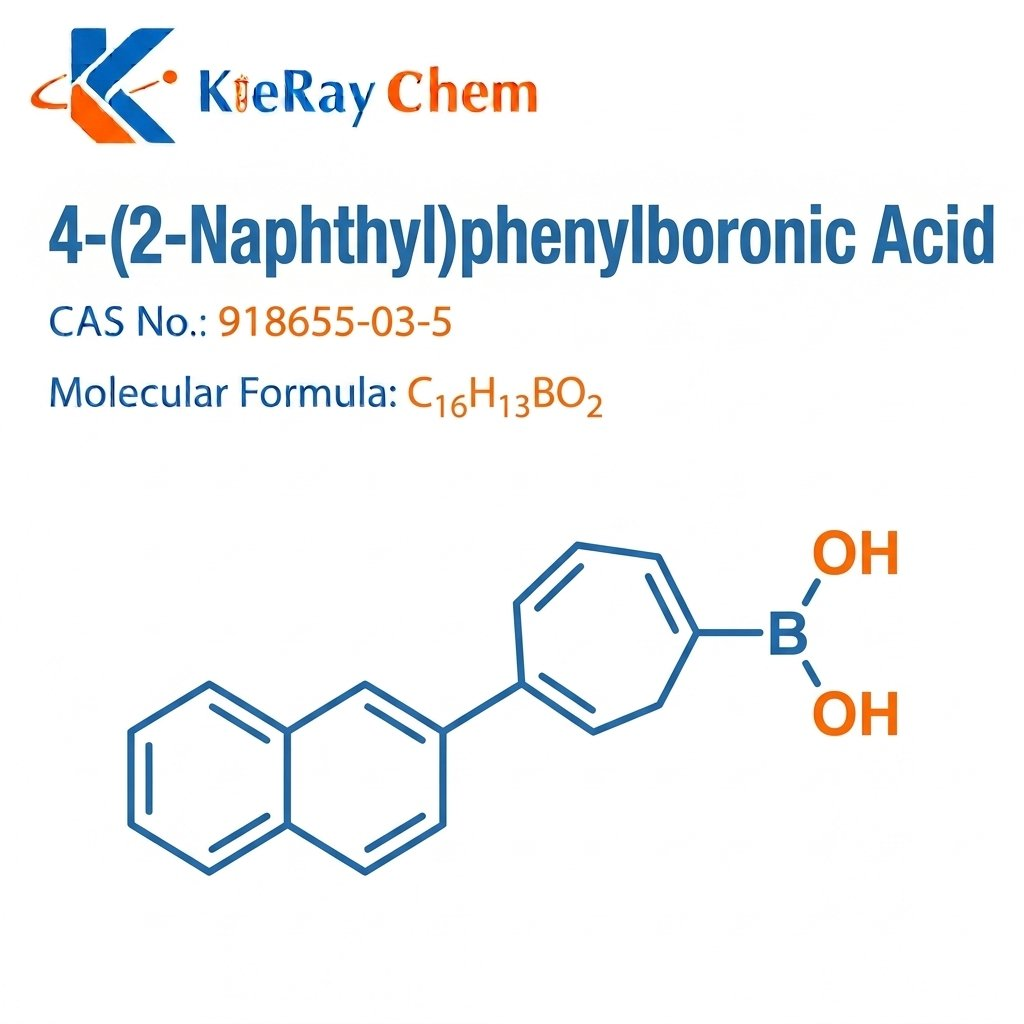
4-(2-Naphthyl)phenylboronic Acid

(4-(Naphthalen-2-yl)phenyl)boronic acid (CAS 918655-03-5) is a diaryl boronic acid used extensively as a coupling partner in Suzuki–Miyaura cross-coupling and related palladium-catalyzed transformations. The naphthyl-phenyl scaffold provides a rigid, conjugated unit that is useful in the synthesis of polyaromatic compounds, pharmaceuticals, and organic materials. This boronic acid is typically supplied as a high-purity white crystalline powder

4-(2-Naphthyl)phenylboronic Acid Read More »

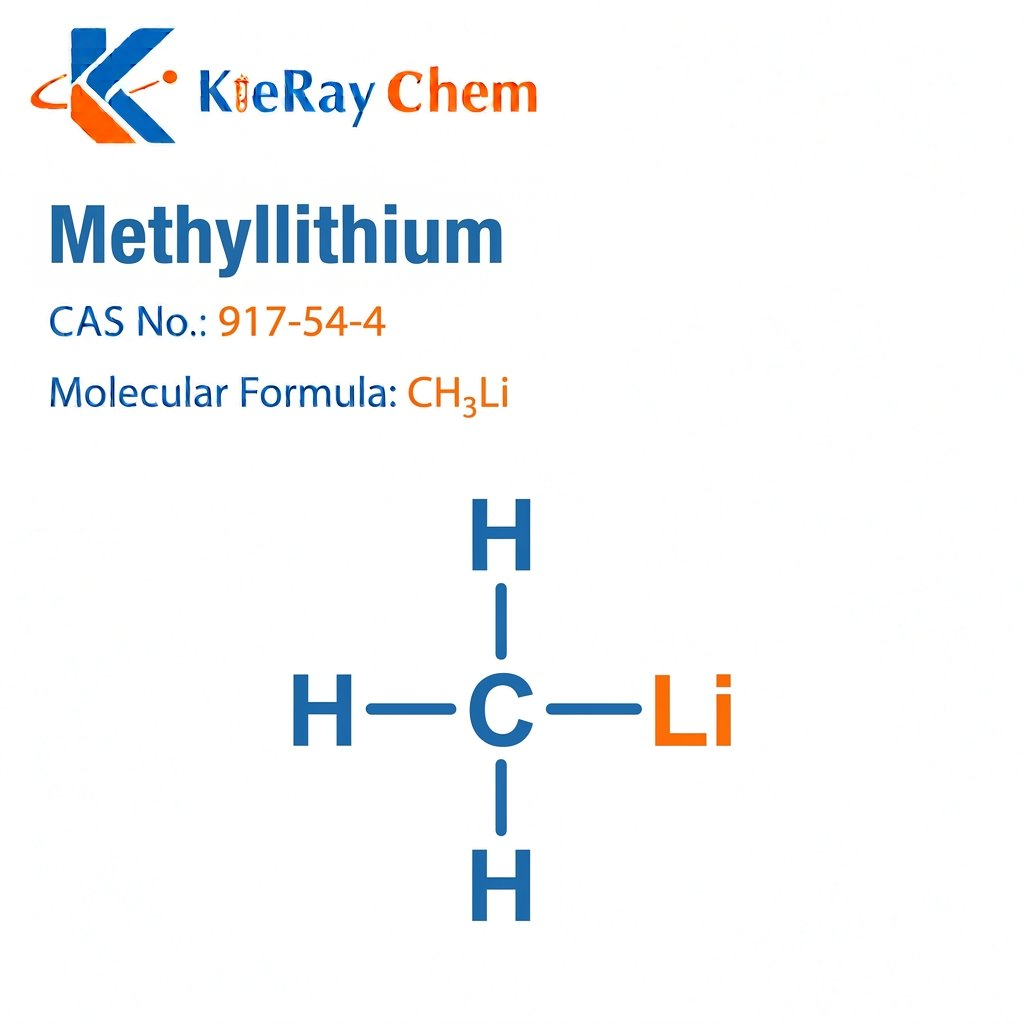
Methyllithium

Methyllithium (1.6 M in hexane, CAS 917-54-4) is a widely used organolithium reagent for deprotonation, nucleophilic additions, and metalation reactions in organic synthesis. Provided as a standardized solution in hydrocarbon solvent, this reagent offers reproducible reactivity for forming carbon–carbon bonds, preparing organometallic intermediates, and effecting reductions or alkylations. Because neat methyllithium is pyrophoric, the solution

Methyllithium Read More »

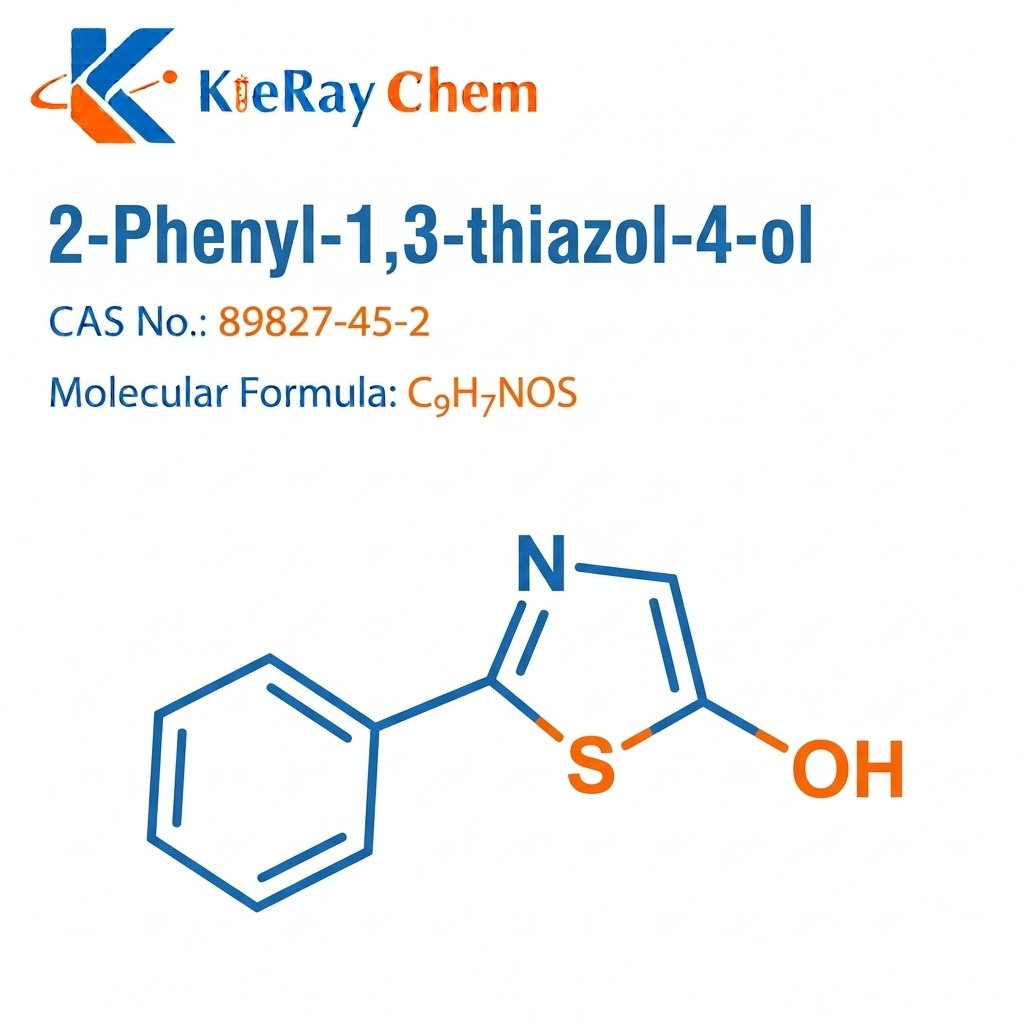
2-Phenyl-1,3-thiazol-4-ol

4-Bromodibenzofuran (CAS 89827-45-2) is a halogenated aromatic intermediate used in the synthesis of functionalized heterocycles, OLED materials, pharmaceuticals, and agrochemicals. The bromine substituent at the 4-position makes this dibenzofuran derivative a valuable substrate for cross-coupling reactions (Suzuki, Stille, Negishi) and for introducing further functional groups through palladium-catalyzed processes. It is typically supplied as a solid

2-Phenyl-1,3-thiazol-4-ol Read More »

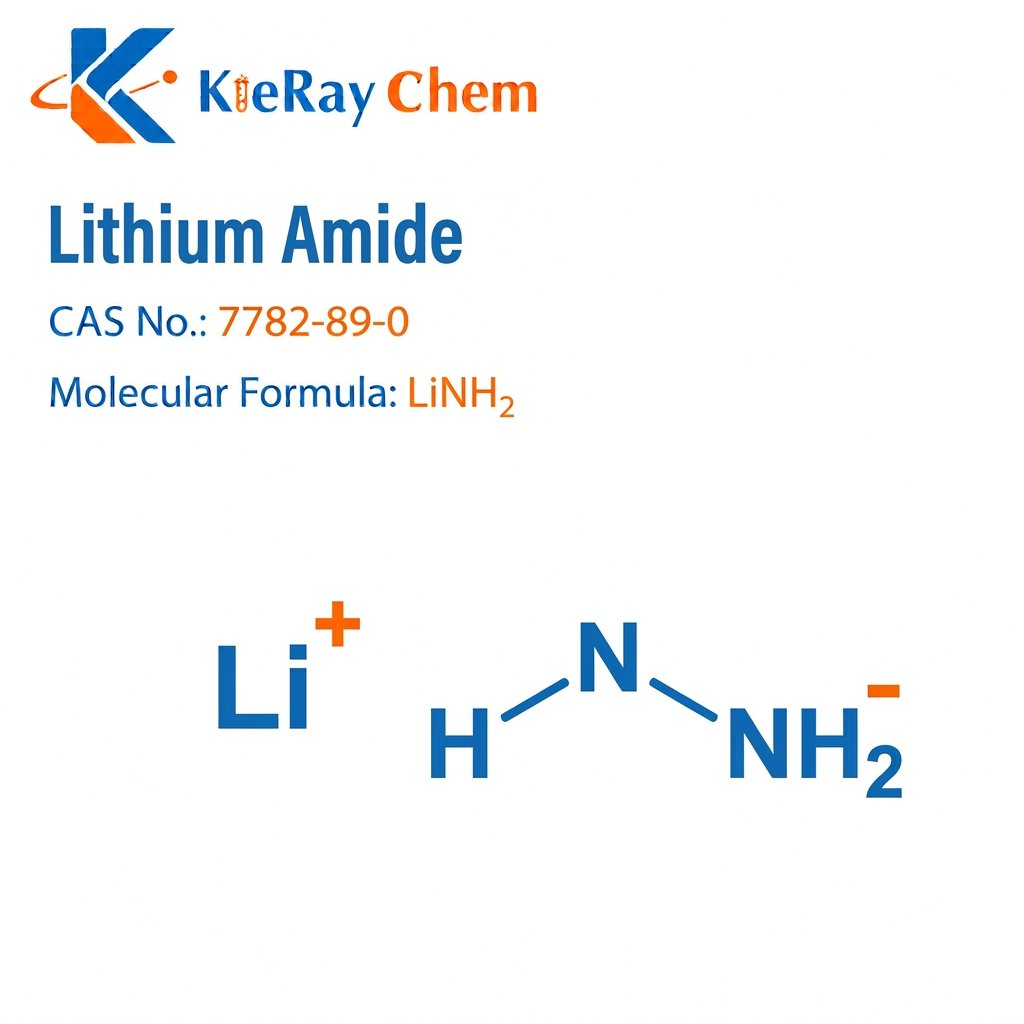
Lithium Amide

Lithium amide (CAS 7782-89-0), frequently referred to as lithamide or LiNH2, is a strong, non-nucleophilic lithium base used extensively in synthetic organic chemistry and industrial processes. The solid reagent is a powerful deprotonating agent for generating carbanions and for carrying out condensations, metalations, and ring-forming reactions. It is commonly supplied as a dry powder and

Lithium Amide Read More »

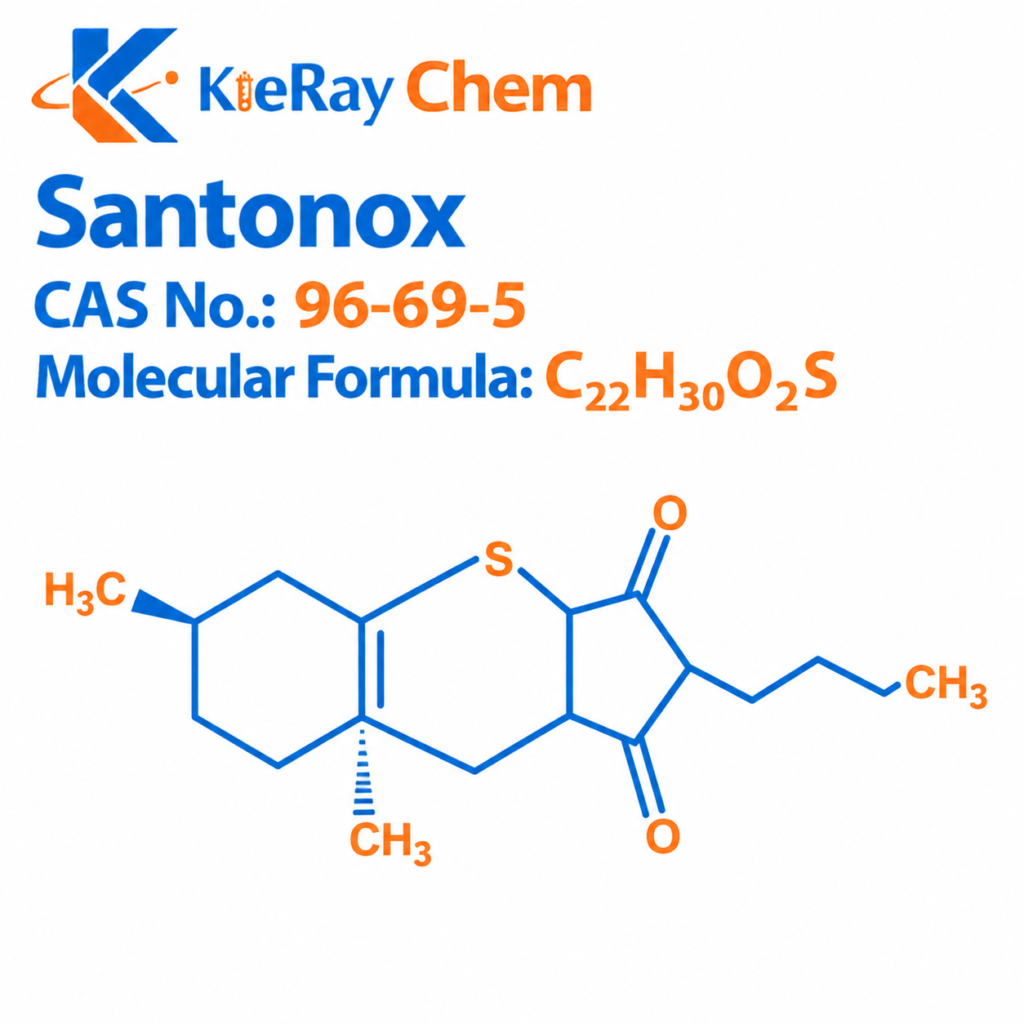
Santonox

Santonox (CAS: 96-69-5) is a commercially important chemical raw material used in industrial chemical formulations and performance-focused manufacturing applications. It is valued for its defined or controlled composition, dependable processing behavior, and ability to support consistent quality in demanding industrial formulations. The material is identified by the molecular formula C₂₂H₃₀O₂S and a molecular weight of

Santonox Read More »

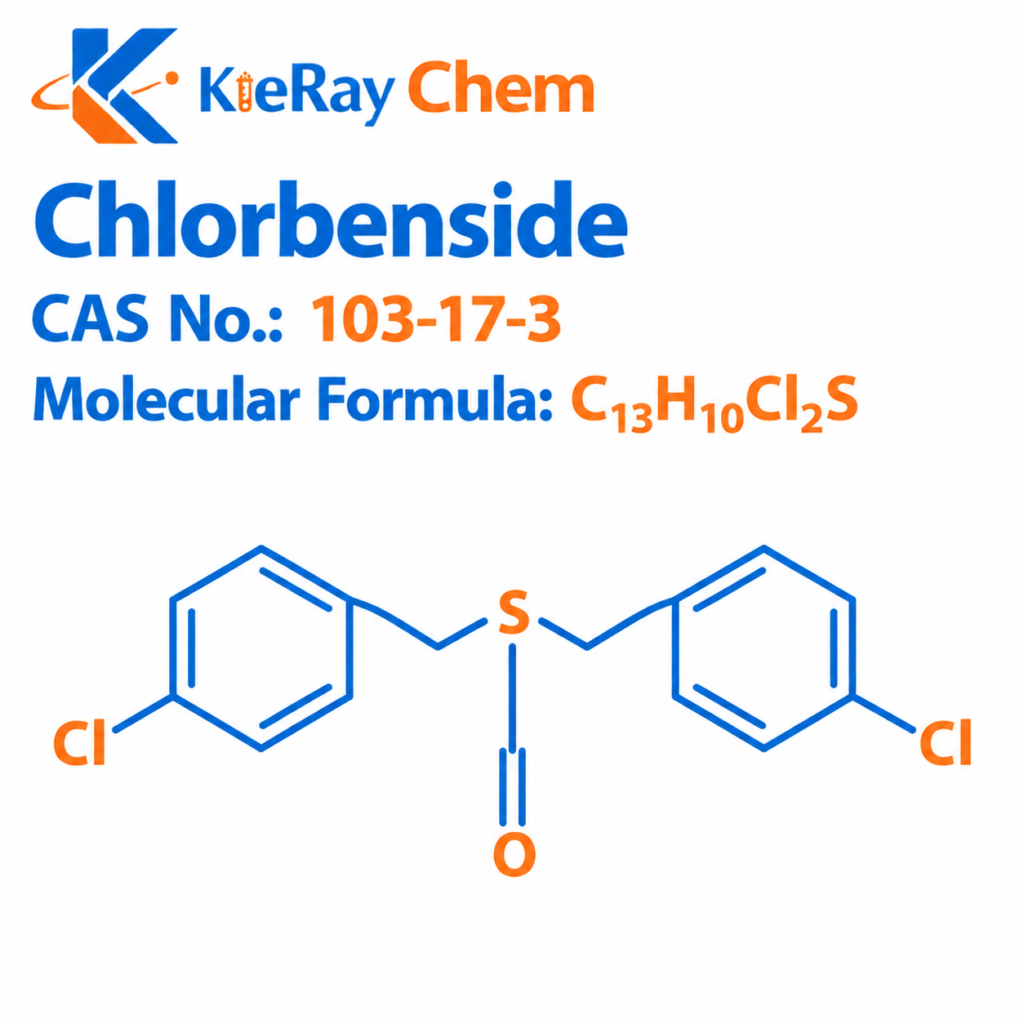
Chlorbenside

Chlorbenside (CAS: 103-17-3) is a commercially important chemical raw material used in acaricide and chemical intermediate. It is valued for its defined or controlled composition, dependable processing behavior, and ability to support consistent quality in demanding industrial formulations. The material is identified by the molecular formula C₁₃H₁₀Cl₂S and a molecular weight of approximately 269.2 g/mol

Chlorbenside Read More »

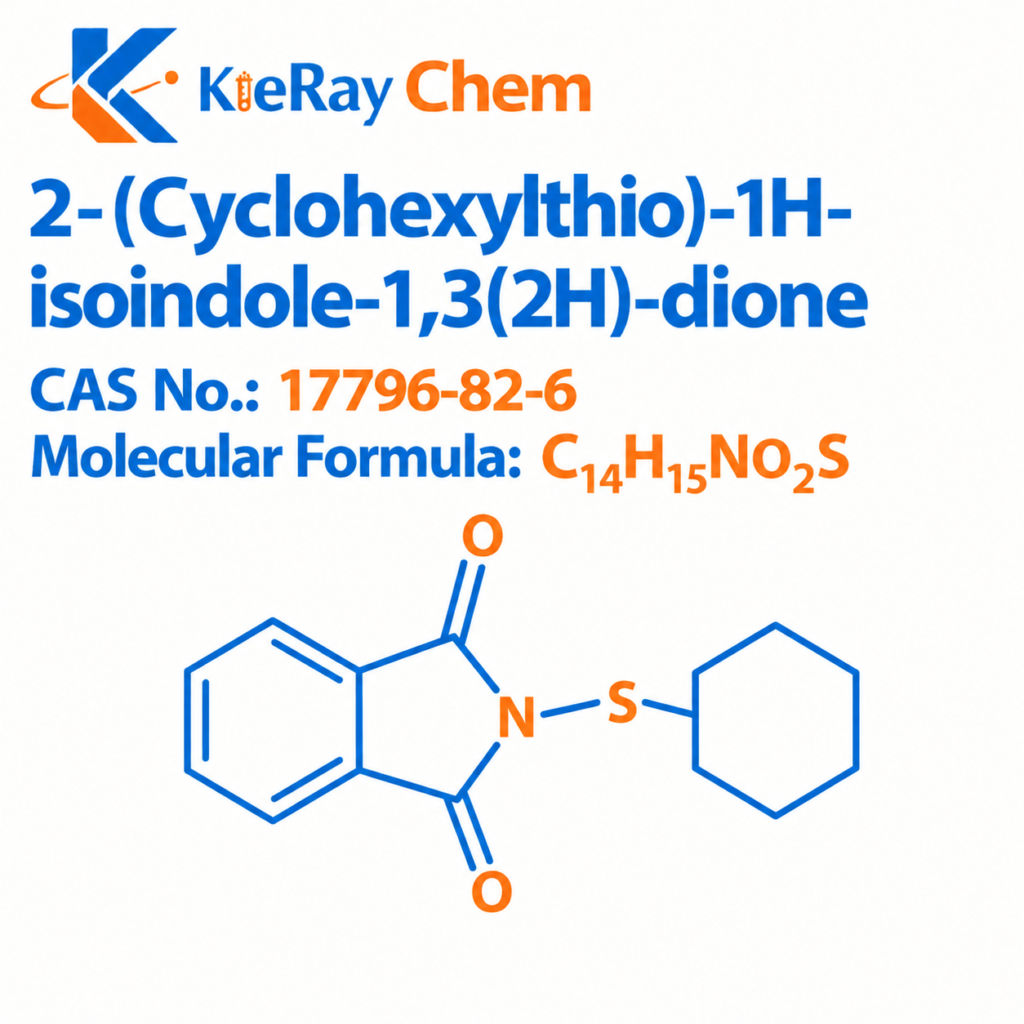
2-(Cyclohexylthio)-1H-isoindole-1,3(2H)-dione

2-(Cyclohexylthio)-1H-isoindole-1,3(2H)-dione (CAS: 17796-82-6) is a commercially important chemical raw material used in industrial chemical formulations and performance-focused manufacturing applications. It is valued for its defined or controlled composition, dependable processing behavior, and ability to support consistent quality in demanding industrial formulations. The material is identified by the molecular formula C₁₄H₁₅NO₂S and a molecular weight of

2-(Cyclohexylthio)-1H-isoindole-1,3(2H)-dione Read More »

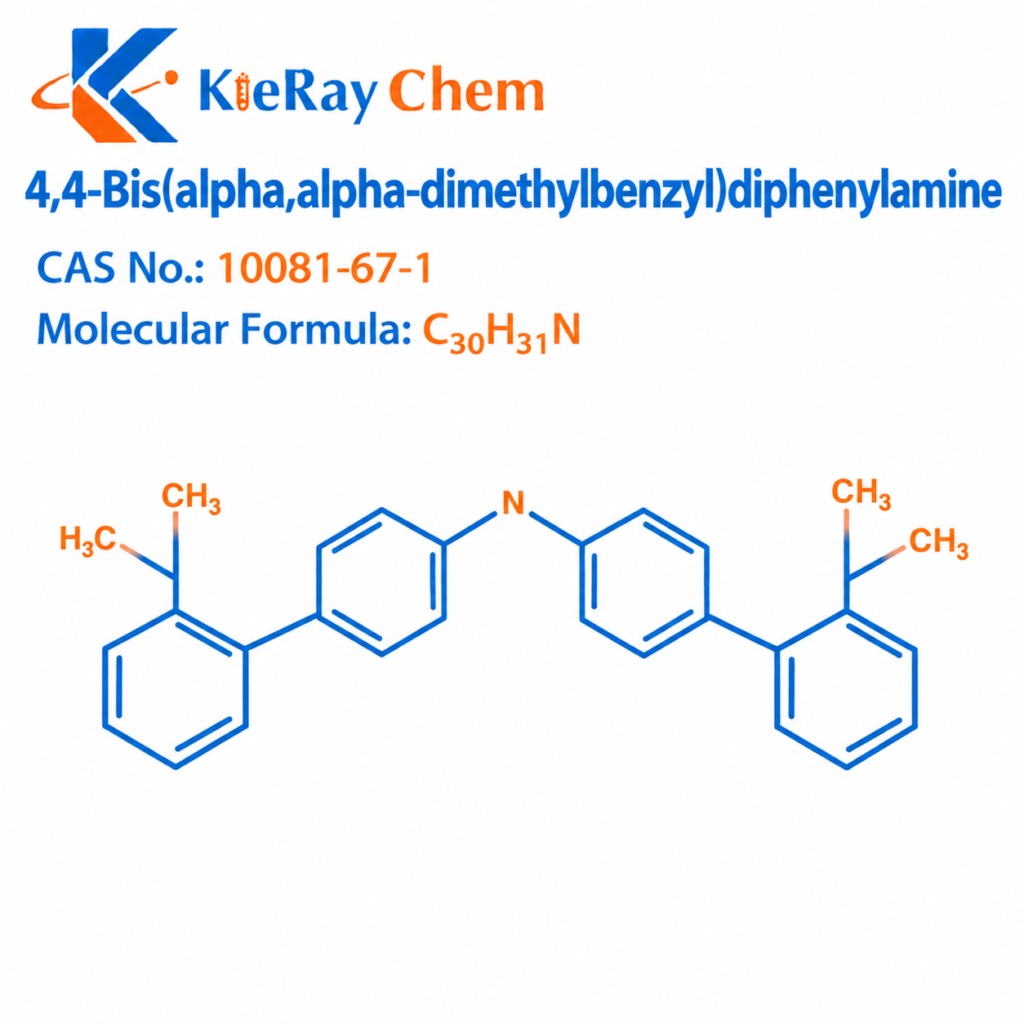
4,4-Bis(alpha,alpha-dimethylbenzyl)diphenylamine

4,4-Bis(alpha,alpha-dimethylbenzyl)diphenylamine (CAS: 10081-67-1) is a commercially important chemical raw material used in rubber antioxidant and polymer stabilizer. It is valued for its defined or controlled composition, dependable processing behavior, and ability to support consistent quality in demanding industrial formulations. The material is identified by the molecular formula C₃₀H₃₁N and a molecular weight of approximately 405.6

4,4-Bis(alpha,alpha-dimethylbenzyl)diphenylamine Read More »

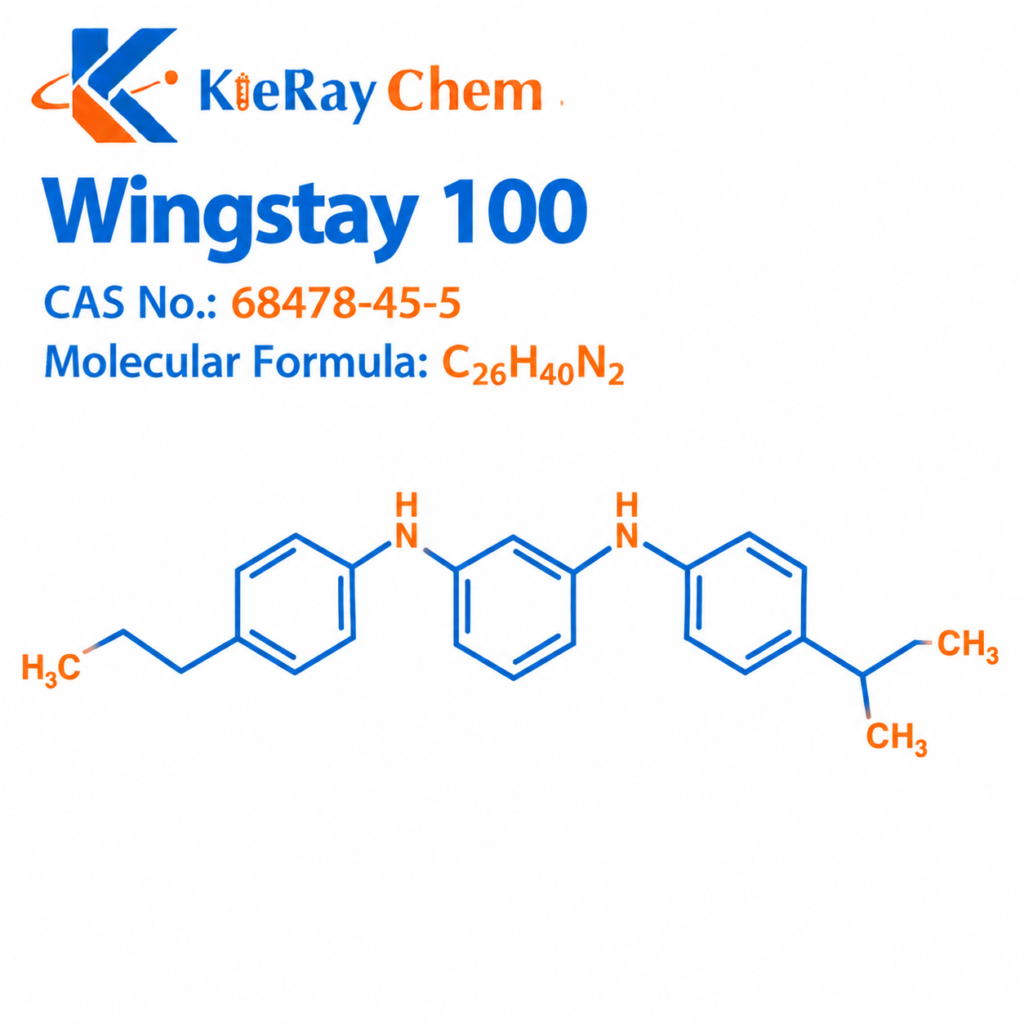
Wingstay 100

Wingstay 100 (CAS: 68478-45-5) is a commercially important chemical raw material used in rubber antioxidant and antiozonant. It is valued for its defined or controlled composition, dependable processing behavior, and ability to support consistent quality in demanding industrial formulations. The material is identified by the molecular formula C₂₆H₄₀N₂ and a molecular weight of approximately 380.61

Wingstay 100 Read More »

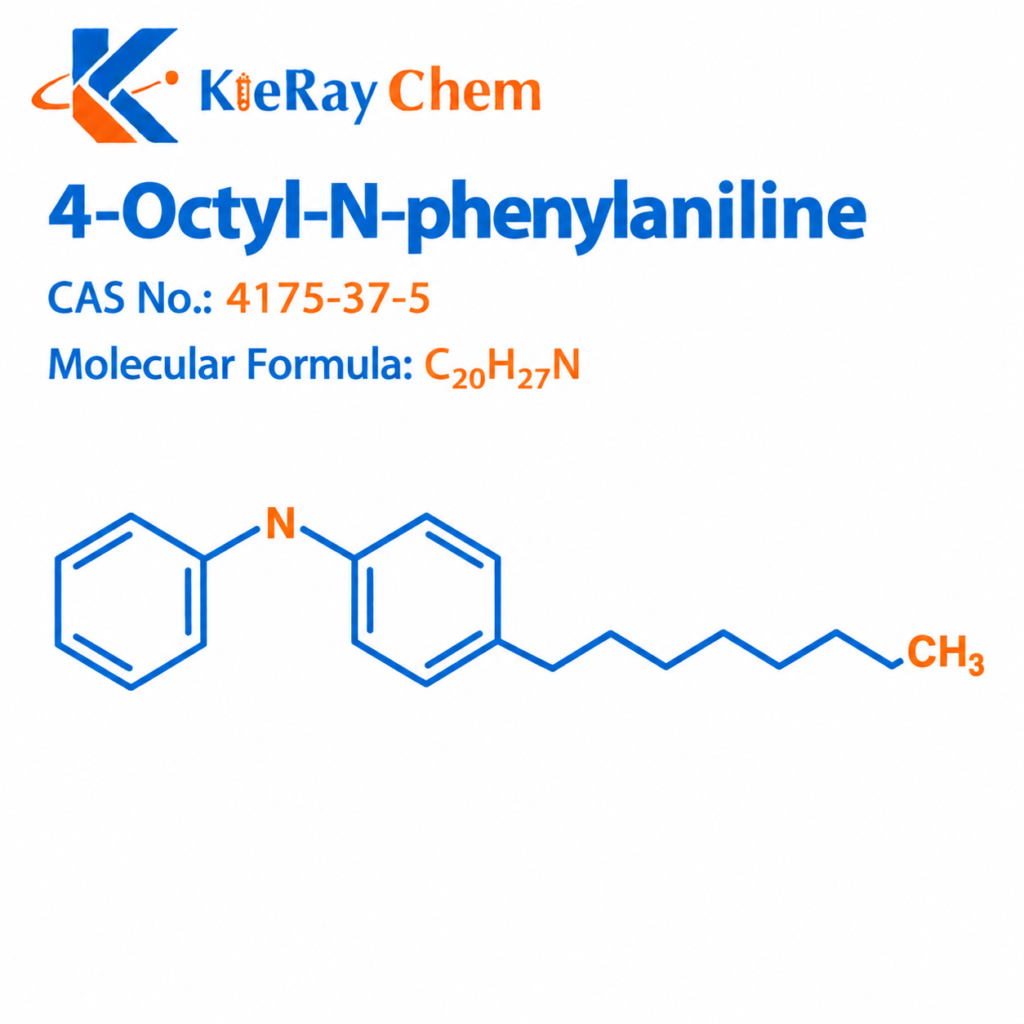
4-Octyl-N-phenylaniline

4-Octyl-N-phenylaniline (CAS: 4175-37-5) is a commercially important chemical raw material used in industrial chemical formulations and performance-focused manufacturing applications. It is valued for its defined or controlled composition, dependable processing behavior, and ability to support consistent quality in demanding industrial formulations. The material is identified by the molecular formula C₂₀H₂₇N and a molecular weight of

4-Octyl-N-phenylaniline Read More »

REQUEST A QUOTE

Product Inquiry — Popup Form