English | 中文 | Español

Industrial Grade

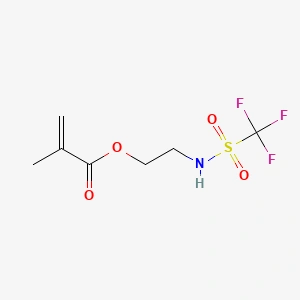
2 Trifluoromethylsulfonamido Ethyl Methacrylate 314756 98 4 Structure

2-(Trifluoromethylsulfonamido)ethyl methacrylate

2-(Trifluoromethylsulfonamido)ethyl methacrylate, identified by CAS 314756-98-4, is a specialized fluorinated monomer that integrates a reactive methacrylate group with a trifluoromethylsulfonamide moiety. This unique chemical structure imparts distinctive properties to the resulting polymers, notably high thermal stability and chemical resistance. The presence of the trifluoromethyl group significantly lowers the surface energy of materials, while the sulfonamide

2-(Trifluoromethylsulfonamido)ethyl methacrylate Read More »
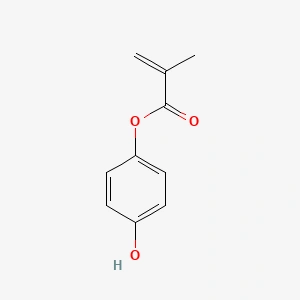
4 Hydroxyphenyl Methacrylate 31480 93 0 Structure

4-Hydroxyphenyl methacrylate

4-Hydroxyphenyl methacrylate, identified by CAS number 31480-93-0, is a specialized bifunctional monomer featuring both a polymerizable methacrylate group and a reactive phenolic hydroxyl group. This unique molecular structure allows for the incorporation of phenolic functionality into polymer backbones, providing a versatile platform for further chemical modification or specific surface interactions. As a white to off-white

4-Hydroxyphenyl methacrylate Read More »
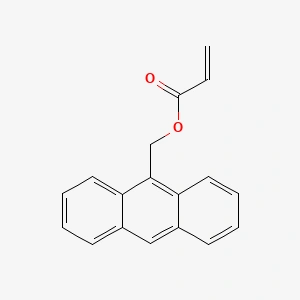
9 Anthracenylmethyl Acrylate 31645 34 8 Structure

9-Anthracenylmethyl acrylate

9-Anthracenylmethyl acrylate, identified by CAS number 31645-34-8, is a specialized monomer that integrates a polycyclic aromatic hydrocarbon—anthracene—with a reactive acrylate functional group. This yellow to light-orange crystalline solid is highly valued in material science due to its unique combination of optical properties and polymerizable nature. The presence of the anthracene moiety imparts strong fluorescence and

9-Anthracenylmethyl acrylate Read More »

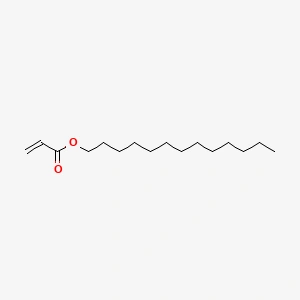
Tridecyl Acrylate 3076 04 8 Structure

Tridecyl acrylate

Tridecyl acrylate, identified by CAS number 3076-04-8, is a monofunctional monomer characterized by its long aliphatic chain. As an ester of acrylic acid, it exhibits the typical reactivity of the acrylate group, allowing it to undergo radical polymerization or Michael addition. The presence of the C13 alkyl chain imparts significant hydrophobicity and low surface tension

Tridecyl acrylate Read More »

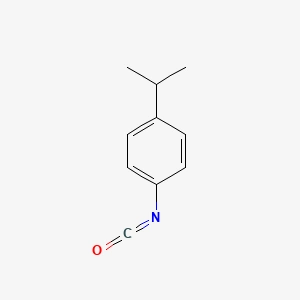
4 Isopropylphenyl Isocyanate 31027 31 3 Structure

4-Isopropylphenyl isocyanate

4-Isopropylphenyl isocyanate, identified by CAS number 31027-31-3, is a versatile organic building block characterized by a reactive isocyanate functional group attached to a para-isopropyl substituted benzene ring. This aromatic isocyanate typically appears as a clear to light yellow liquid and is valued for its specific reactivity profile, which is influenced by the electron-donating nature of

4-Isopropylphenyl isocyanate Read More »

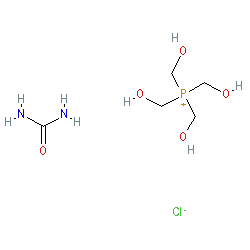
Tetrakishydroxymethylphosphonium Chloride Urea Polymer 27104 30 9 Structure

Tetrakis(hydroxymethyl)phosphonium chloride urea polymer

Tetrakis(hydroxymethyl)phosphonium chloride urea polymer, identified by CAS 27104-30-9, is a specialized organophosphorus compound widely recognized for its efficacy as a durable flame retardant. This polymer is typically synthesized through the condensation of tetrakis(hydroxymethyl)phosphonium chloride (THPC) with urea, resulting in a pre-polymerized structure that facilitates superior bonding with cellulosic substrates. In its industrial form, it is

Tetrakis(hydroxymethyl)phosphonium chloride urea polymer Read More »

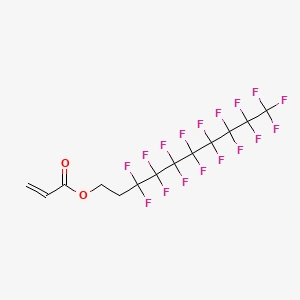
1H1H2H2H Heptadecafluorodecyl Acrylate 27905 45 9 Structure

1H,1H,2H,2H-Heptadecafluorodecyl acrylate

1H,1H,2H,2H-Heptadecafluorodecyl acrylate, identified by CAS number 27905-45-9, is a high-performance fluorinated monomer characterized by its long-chain perfluorinated tail and reactive acrylate functional group. This clear, colorless liquid serves as a critical building block in the synthesis of specialized polymers that require extreme surface properties. The presence of seventeen fluorine atoms provides the resulting materials with

1H,1H,2H,2H-Heptadecafluorodecyl acrylate Read More »

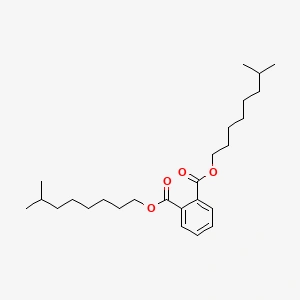
Diisononyl Phthalate 28553 12 0 Structure

Diisononyl phthalate

Diisononyl phthalate (DINP), identified by CAS number 28553-12-0, is a versatile high-molecular-weight phthalate ester characterized as a clear, oily liquid with minimal odor. This chemical is synthesized through the esterification of phthalic anhydride with isononyl alcohol, resulting in a substance known for its low volatility and exceptional thermal stability. Its chemical structure provides a robust

Diisononyl phthalate Read More »

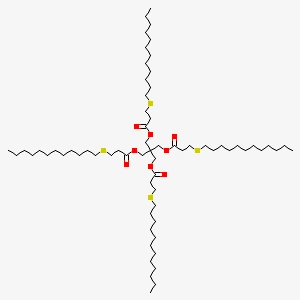
Pentaerythritol Tetrakis 3 Laurylthiopropionate 29598 76 3 Structure

Pentaerythritol tetrakis(3-laurylthiopropionate)

Pentaerythritol tetrakis(3-laurylthiopropionate), identified by CAS number 29598-76-3, is a high-performance, sulfur-containing secondary antioxidant widely utilized in the polymer industry. Chemically, it is a thioester characterized by its high molecular weight and low volatility, which contribute to its exceptional long-term thermal stability and resistance to extraction. This compound typically appears as a white crystalline powder or

Pentaerythritol tetrakis(3-laurylthiopropionate) Read More »

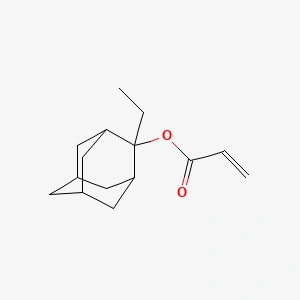
2 Ethyl 2 Adamantyl Acrylate 303186 14 3 Structure

2-Ethyl-2-adamantyl acrylate

2-Ethyl-2-adamantyl acrylate, identified by CAS 303186-14-3, is a high-performance specialty monomer characterized by its bulky, tricyclic adamantane framework. This chemical structure features an acrylate group attached to a tertiary carbon center on the adamantyl cage, which also bears an ethyl substituent. The combination of the rigid adamantane moiety and the reactive acrylate functionality results in

2-Ethyl-2-adamantyl acrylate Read More »

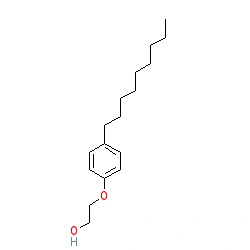
Nonylphenol Ethoxylate 26027 38 3 Structure

Nonylphenol ethoxylate

Nonylphenol ethoxylate, identified by CAS 26027-38-3, is a prominent class of nonionic surfactants characterized by a hydrophobic nonylphenol group attached to a hydrophilic polyoxyethylene chain. This amphiphilic structure allows the molecule to effectively reduce surface tension between disparate phases, making it a versatile component in various chemical formulations. The physical properties, such as solubility and

Nonylphenol ethoxylate Read More »

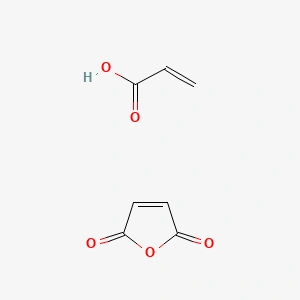
Acrylic Acid Maleic Anhydride Copolymer 26677 99 6 Structure

Acrylic acid-maleic anhydride copolymer

Acrylic acid-maleic anhydride copolymer, identified by CAS 26677-99-6, is a high-performance polyelectrolyte characterized by the synergistic properties of its constituent monomers. This copolymer features a high density of carboxylic acid groups, which facilitates exceptional chelating and dispersing capabilities. It typically appears as a clear to slightly amber liquid or a white powder, depending on the

Acrylic acid-maleic anhydride copolymer Read More »

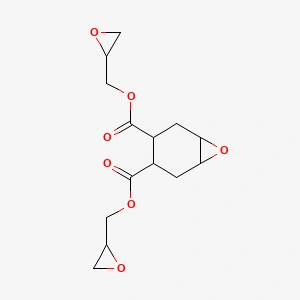
45 Epoxytetrahydrophthalic Acid Diglycidyl Ester 25293 64 5 Structure

4,5-Epoxytetrahydrophthalic acid diglycidyl ester

4,5-Epoxytetrahydrophthalic acid diglycidyl ester, identified by CAS number 25293-64-5, is a specialized cycloaliphatic epoxy resin characterized by its unique multi-functional epoxy structure. This compound features both glycidyl ester groups and an internal epoxy group on the cyclohexane ring, providing a high degree of reactivity and cross-linking density upon curing. As a clear to pale yellow

4,5-Epoxytetrahydrophthalic acid diglycidyl ester Read More »

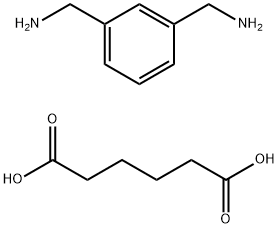
polyadipic acid co m xylylenediamine 25718 70 1 structure

Poly(adipic acid-co-m-xylylenediamine)

Poly(adipic acid-co-m-xylylenediamine), commonly referred to as MXD6, is a high-performance semi-aromatic polyamide synthesized from adipic acid and meta-xylylenediamine. This crystalline thermoplastic is distinguished by its unique molecular architecture, which incorporates aromatic rings into the polymer backbone. This structure imparts superior gas barrier properties, high mechanical strength, and excellent thermal stability compared to conventional aliphatic polyamides.

Poly(adipic acid-co-m-xylylenediamine) Read More »

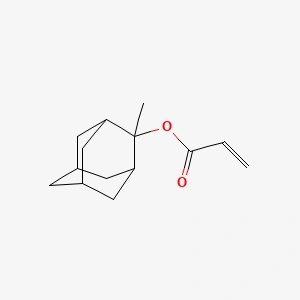
2 Methyladamantan 2 Yl Acrylate 249562 06 9 Structure

2-Methyladamantan-2-yl acrylate

2-Methyladamantan-2-yl acrylate, identified by CAS 249562-06-9, is a high-performance specialty monomer characterized by its bulky, rigid adamantane cage structure. This alicyclic acrylate is prized in advanced material science for its ability to impart exceptional thermal stability and mechanical strength to resulting polymers. The presence of the adamantyl group provides a high carbon-to-hydrogen ratio, which is

2-Methyladamantan-2-yl acrylate Read More »

REQUEST A QUOTE

Product Inquiry — Popup Form