English | 中文 | Español

Industrial Grade

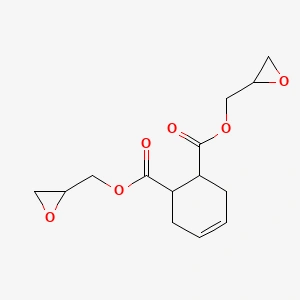
Diglycidyl 4 Cyclohexene 12 Dicarboxylate 21544 03 6 Structure

Diglycidyl 4-cyclohexene-1,2-dicarboxylate

Diglycidyl 4-cyclohexene-1,2-dicarboxylate, identified by CAS number 21544-03-6, is a high-performance cycloaliphatic epoxy resin characterized by its low viscosity and excellent reactivity. As a bifunctional epoxy monomer, it features two glycidyl groups attached to a cyclohexene ring structure via ester linkages. This unique molecular architecture provides a balance of structural rigidity and chemical flexibility, making it

Diglycidyl 4-cyclohexene-1,2-dicarboxylate Read More »
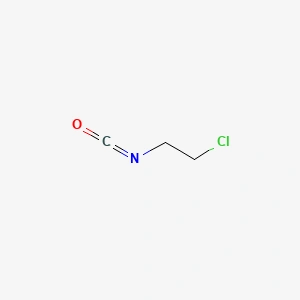
2 Chloroethyl Isocyanate 1943 83 5 Structure

2-Chloroethyl isocyanate

2-Chloroethyl isocyanate, identified by CAS number 1943-83-5, is a versatile and highly reactive organic intermediate characterized by the presence of both an isocyanate functional group and a terminal chlorine atom on an ethyl chain. This bifunctional nature makes it an essential building block in synthetic chemistry, as it allows for sequential or simultaneous reactions at

2-Chloroethyl isocyanate Read More »

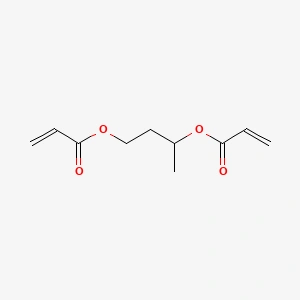
13 Butanediol Diacrylate 19485 03 1 Structure

1,3-Butanediol diacrylate

1,3-Butanediol diacrylate, identified by CAS number 19485-03-1, is a bifunctional monomer widely utilized in radiation-curable systems due to its efficient reactive properties. As a clear, low-viscosity liquid, it functions effectively as a reactive diluent, facilitating the adjustment of formulation viscosity without compromising the final performance of the cured material. Its chemical structure, featuring two acrylate

1,3-Butanediol diacrylate Read More »

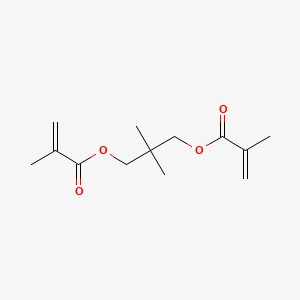
Neopentyl Glycol Dimethacrylate 1985 51 9 Structure

Neopentyl glycol dimethacrylate

Neopentyl glycol dimethacrylate, identified by CAS 1985-51-9, is a low-viscosity, difunctional methacrylic monomer characterized by its unique branched structure. As a clear, colorless liquid, it exhibits excellent stability and low volatility, making it a preferred choice for various polymerization processes. The presence of two reactive methacrylate groups allows it to function as an efficient cross-linking

Neopentyl glycol dimethacrylate Read More »

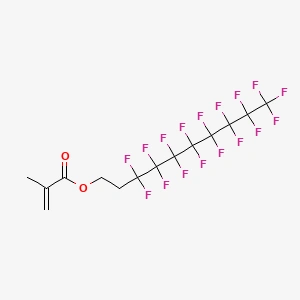
2 Perfluorooctylethyl Methacrylate 1996 88 9 Structure

2-(Perfluorooctyl)ethyl methacrylate

2-(Perfluorooctyl)ethyl methacrylate, identified by CAS number 1996-88-9, is a high-performance fluorinated monomer characterized by its long perfluorinated alkyl chain and reactive methacrylate functional group. This clear, colorless liquid serves as a critical building block in the synthesis of specialized fluoropolymers. Its unique molecular structure imparts exceptional chemical stability and significantly reduces the surface energy of

2-(Perfluorooctyl)ethyl methacrylate Read More »

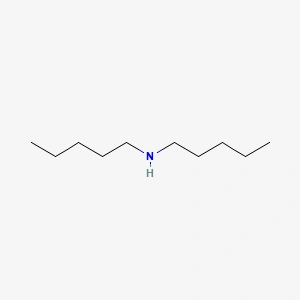
Dipentylamine 2050 92 2 Structure

Dipentylamine

Dipentylamine, identified by CAS number 2050-92-2, is a secondary aliphatic amine characterized by two five-carbon pentyl chains attached to a central nitrogen atom. Also referred to as diamylamine, this compound typically appears as a colorless to pale yellow liquid with a distinct, pungent ammoniacal odor. It exhibits the typical reactivity of secondary amines, serving as

Dipentylamine Read More »

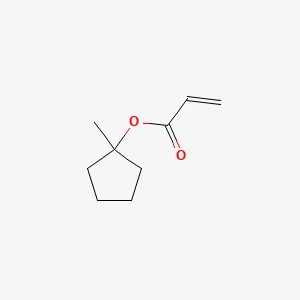
1 Methylcyclopentyl Acrylate 178889 49 1 Structure

1-Methylcyclopentyl acrylate

1-Methylcyclopentyl acrylate, identified by CAS 178889-49-1, is a specialized acrylate monomer featuring a tertiary alicyclic ester group. This colorless to pale yellow liquid is characterized by its unique bulky structure, which imparts specific physical and chemical properties to the resulting polymers. As a member of the acrylate family, it exhibits high reactivity under radical polymerization

1-Methylcyclopentyl acrylate Read More »

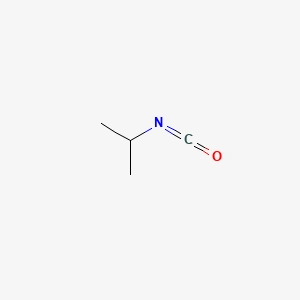
Isopropyl Isocyanate 1795 48 8 Structure

Isopropyl isocyanate

Isopropyl isocyanate, identified by CAS number 1795-48-8, is a highly reactive organic compound belonging to the isocyanate functional group. It typically presents as a colorless to slightly yellowish liquid characterized by a sharp, pungent odor. As a low molecular weight aliphatic isocyanate, it exhibits significant volatility and flammability, requiring stringent handling protocols and specialized storage

Isopropyl isocyanate Read More »

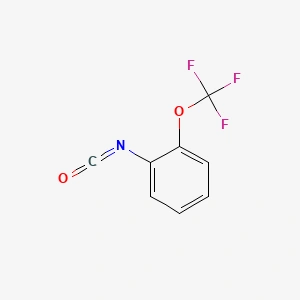
2 Trifluoromethoxyphenyl Isocyanate 182500 26 1 Structure

2-(Trifluoromethoxy)phenyl isocyanate

2-(Trifluoromethoxy)phenyl isocyanate, identified by CAS 182500-26-1, is a specialized organofluorine building block characterized by the presence of both a highly reactive isocyanate functional group and a trifluoromethoxy substituent at the ortho position of the benzene ring. This unique structural configuration imparts distinct electronic properties and lipophilicity, making it a valuable intermediate in sophisticated organic synthesis.

2-(Trifluoromethoxy)phenyl isocyanate Read More »

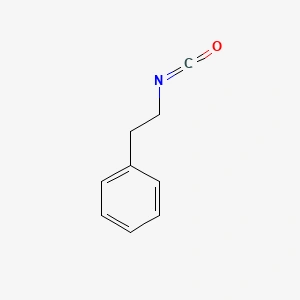
Phenethyl Isocyanate 1943 82 4 Structure

Phenethyl isocyanate

Phenethyl isocyanate, identified by CAS number 1943-82-4, is a versatile organic building block characterized by its reactive isocyanate functional group attached to a phenethyl moiety. This clear to pale yellow liquid serves as a crucial intermediate in the synthesis of various carbamates, ureas, and heterocyclic compounds. Its chemical structure, featuring an ethyl bridge between the

Phenethyl isocyanate Read More »

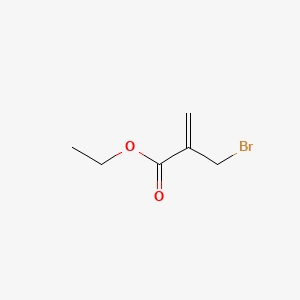
Ethyl 2 Bromomethylacrylate 17435 72 2 Structure

Ethyl 2-(bromomethyl)acrylate

Ethyl 2-(bromomethyl)acrylate, identified by CAS number 17435-72-2, is a versatile and highly reactive organic building block characterized by the presence of both an allylic bromide group and an alpha,beta-unsaturated ester moiety. This bifunctional nature allows it to participate in a wide range of chemical transformations, making it a valuable reagent in modern synthetic chemistry. Physically,

Ethyl 2-(bromomethyl)acrylate Read More »

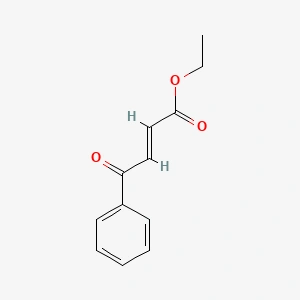
Ethyl 3 Benzoylacrylate 17450 56 5 Structure

Ethyl 3-benzoylacrylate

Ethyl 3-benzoylacrylate, identified by CAS number 17450-56-5, is a versatile organic compound characterized by its alpha,beta-unsaturated keto-ester structure. As a derivative of 3-benzoylacrylic acid, this molecule features a benzoyl group conjugated with an acrylate moiety, making it a highly reactive intermediate in various chemical transformations. Its structural profile allows it to participate in a wide

Ethyl 3-benzoylacrylate Read More »

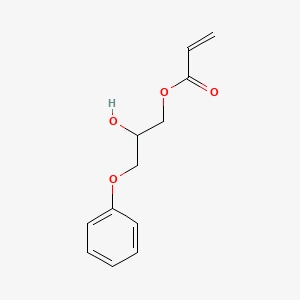
2 Hydroxy 3 Phenoxypropyl Acrylate 16969 10 1 Structure

2-Hydroxy-3-phenoxypropyl acrylate

2-Hydroxy-3-phenoxypropyl acrylate, identified by CAS number 16969-10-1, is a specialized monofunctional acrylate monomer characterized by the presence of both a hydroxyl group and a phenoxy ether linkage. This chemical structure imparts a unique balance of polarity and aromatic character, making it a versatile building block in polymer chemistry. As a clear to pale yellow liquid,

2-Hydroxy-3-phenoxypropyl acrylate Read More »

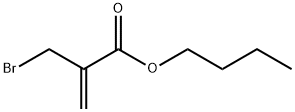
butyl 2 bromomethylacrylate 170216 64 5 structure

Butyl 2-(bromomethyl)acrylate

Butyl 2-(bromomethyl)acrylate, identified by CAS number 170216-64-5, is a specialized acrylate ester characterized by the presence of a reactive bromomethyl group at the alpha position of the acrylic backbone. This structural feature classifies it as a functionalized monomer and a versatile building block in organic synthesis. It typically appears as a clear to slightly yellow

Butyl 2-(bromomethyl)acrylate Read More »

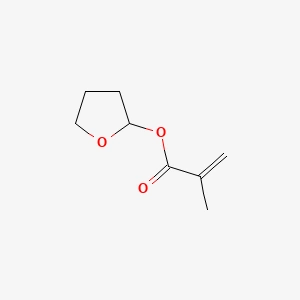
2 Tetrahydrofuranyl Methacrylate 15895 80 4 Structure

2-Tetrahydrofuranyl methacrylate

2-Tetrahydrofuranyl methacrylate, identified by CAS number 15895-80-4, is a specialized monofunctional monomer featuring a methacrylate group attached to a tetrahydrofuranyl ring. This chemical is characterized by its unique acetal-like structure, which imparts specific reactivity profiles compared to standard alkyl methacrylates. As a clear, liquid monomer, it is valued in advanced material science for its ability

2-Tetrahydrofuranyl methacrylate Read More »

REQUEST A QUOTE

Product Inquiry — Popup Form