English | 中文 | Español

Chemical Products

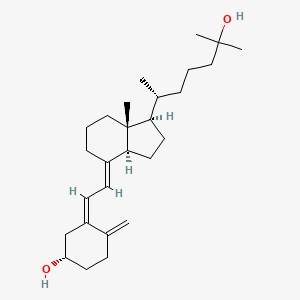
25 Hydroxyvitamin D3 19356 17 3 Structure

25-Hydroxyvitamin D3

25-Hydroxyvitamin D3, identified by CAS number 19356-17-3 and also known as calcifediol, is a critical metabolic intermediate in the vitamin D endocrine system. It is chemically characterized as a secosteroid produced in the liver through the hydroxylation of cholecalciferol. As the primary circulating form of vitamin D, this compound serves as the standard clinical indicator

25-Hydroxyvitamin D3 Read More »

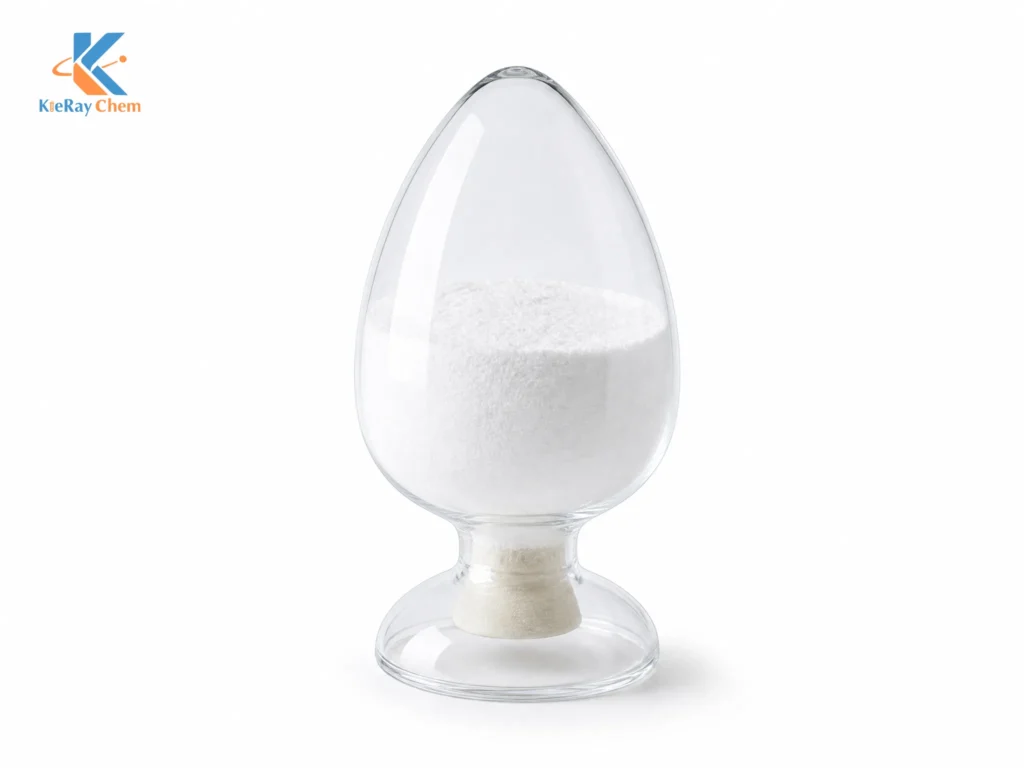
Zinc Glycinate 7210 08 6 Structure 1024x768

Zinc Glycinate

Zinc Glycinate, identified by CAS 1939657, is a high-purity chelated compound formed by the coordination of zinc ions with glycine molecules. This amino acid chelate is characterized by its superior stability and enhanced solubility compared to traditional inorganic zinc salts. In its physical form, it typically presents as a fine, white crystalline powder that is

Zinc Glycinate Read More »

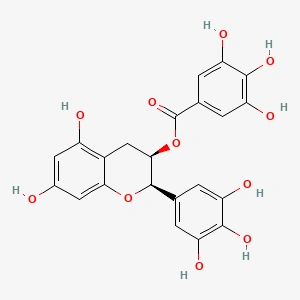
Epigallocic Acid 989 51 5 Structure

Epigallocic acid

Epigallocatechin gallate (EGCG), identified by CAS 989-51-5, is a prominent polyphenolic compound and the most abundant catechin found in Camellia sinensis. As a secondary metabolite, it is characterized by its complex structure featuring multiple hydroxyl groups and a gallate ester moiety. This chemical profile contributes to its high reactivity and significant antioxidant potential, making it

Epigallocic acid Read More »

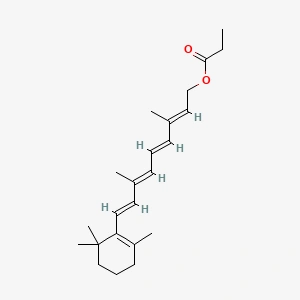
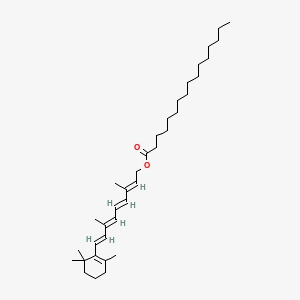
Retinyl Propionate 7069 42 3 Structure

Retinyl propionate

Retinyl propionate, identified by CAS number 7069-42-3, is a synthetic ester derived from the combination of retinol and propionic acid. As a prominent member of the retinoid family, this compound is characterized by its specific molecular structure, which provides a strategic balance between biological activity and chemical stability compared to other Vitamin A derivatives. It

Retinyl propionate Read More »

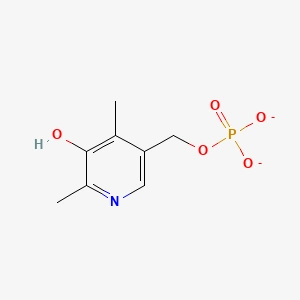
Vitamin B6 8059 24 3 Structure

Vitamin B6

Vitamin B6, identified by CAS 8059-24-3, represents a vital group of water-soluble compounds essential for numerous biochemical processes. It typically appears as a white to off-white crystalline powder that exhibits high stability under acidic conditions but remains sensitive to light and alkaline environments. As a fundamental component of the B-complex family, this material serves as

Vitamin B6 Read More »

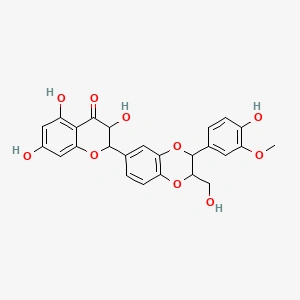
Silymarin 84604 20 6 Structure

Silymarin

Silymarin, identified by CAS 84604-20-6, is a standardized extract derived primarily from the seeds of the milk thistle plant, Silybum marianum. It is a complex mixture of flavonolignans, most notably silybin, isosilybin, silychristin, and silydianin. As a chemical raw material, it typically presents as a yellow to light brown crystalline powder. It is characterized by

Silymarin Read More »

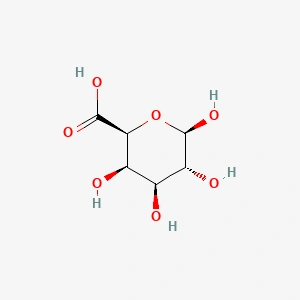
Pectin 9000 69 5 Structure

Pectin

Pectin (CAS 9000-69-5) is a complex structural heteropolysaccharide naturally occurring in the primary cell walls and middle lamella of terrestrial plants, particularly citrus fruits and apples. Chemically, it consists predominantly of methylated esters of polygalacturonic acid. As a high-molecular-weight carbohydrate, it is prized for its ability to form stable gels in aqueous solutions, a property

Pectin Read More »

Flavomycin 11015 37 5 Structure

Flavomycin

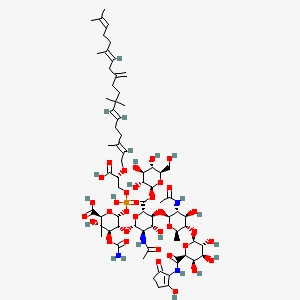
Flavomycin, identified by CAS number 11015-37-5 and also known as bambermycin, is a specialized phosphorus-containing glycolipid antibiotic primarily derived from the fermentation of Streptomyces species. This complex molecule is characterized by its high molecular weight and its specific inhibitory action against Gram-positive bacteria. In its raw form, it typically appears as a yellowish-brown powder that

Flavomycin Read More »

Octadecanoic Acid Monoester With 1 2 Propanediol 1323 39 3 Structure

Octadecanoic acid, monoester with 1,2-propanediol

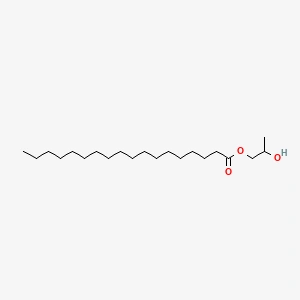
Octadecanoic acid, monoester with 1,2-propanediol, commonly known as propylene glycol monostearate (PGMS), is a non-ionic lipophilic surfactant synthesized through the esterification of stearic acid with propylene glycol. This chemical compound typically presents as a white to off-white waxy solid or flake, characterized by its ability to bridge the gap between oil and water phases in

Octadecanoic acid, monoester with 1,2-propanediol Read More »

L Homocystine 626 72 2 Structure

L-Homocystine

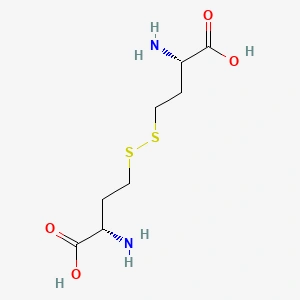
L-Homocystine, identified by CAS number 626-72-2, is a non-proteinogenic sulfur-containing amino acid that functions as the disulfide dimer of L-homocysteine. Structurally, it is characterized by two homocysteine molecules linked by a disulfide bridge, distinguishing it from cystine by the presence of an additional methylene group in each amino acid chain. This compound typically presents as

L-Homocystine Read More »

Aluminum Zirconium Octachlorohydrex Glycine 90604 80 1 Structure 1024x768

Aluminum Zirconium Octachlorohydrex Glycine

Aluminum Zirconium Octachlorohydrex Glycine, identified by CAS 90604-80-1, is a complex coordination compound widely utilized in the personal care and cosmetic industries. This material is characterized by its high efficacy in controlling moisture and its ability to form temporary plugs in sweat ducts. Chemically, it consists of aluminum and zirconium chlorohydrate salts stabilized with glycine,

Aluminum Zirconium Octachlorohydrex Glycine Read More »

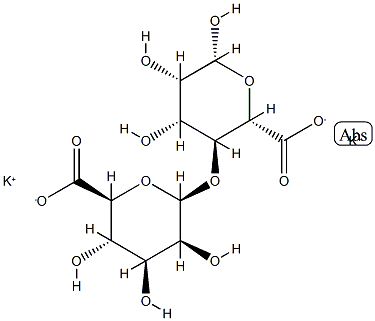
potassium alginate 9005 36 1 structure

Potassium Alginate

Potassium Alginate, identified by CAS number 9005-36-1, is a hydrophilic carbohydrate extracted primarily from the cell walls of brown seaweed. As the potassium salt of alginic acid, it presents as a white to yellowish-brown fibrous or granular powder that is nearly odorless and tasteless. This biopolymer is highly valued in industrial and research settings for

Potassium Alginate Read More »

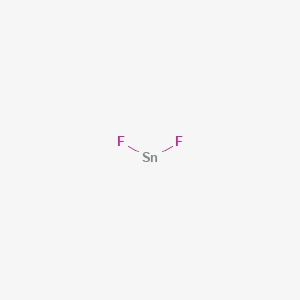
Stannous Fluoride 7783 47 3 Structure

Stannous fluoride

Stannous fluoride, identified by the CAS number 7783-47-3, is an inorganic compound composed of tin and fluorine. It typically appears as a white, crystalline powder or solid that is highly soluble in water. As a tin(II) salt, it exhibits unique chemical reactivity compared to other fluoride sources, particularly due to the presence of the divalent

Stannous fluoride Read More »

REQUEST A QUOTE

Product Inquiry — Popup Form