English | 中文 | Español

Chemical Products

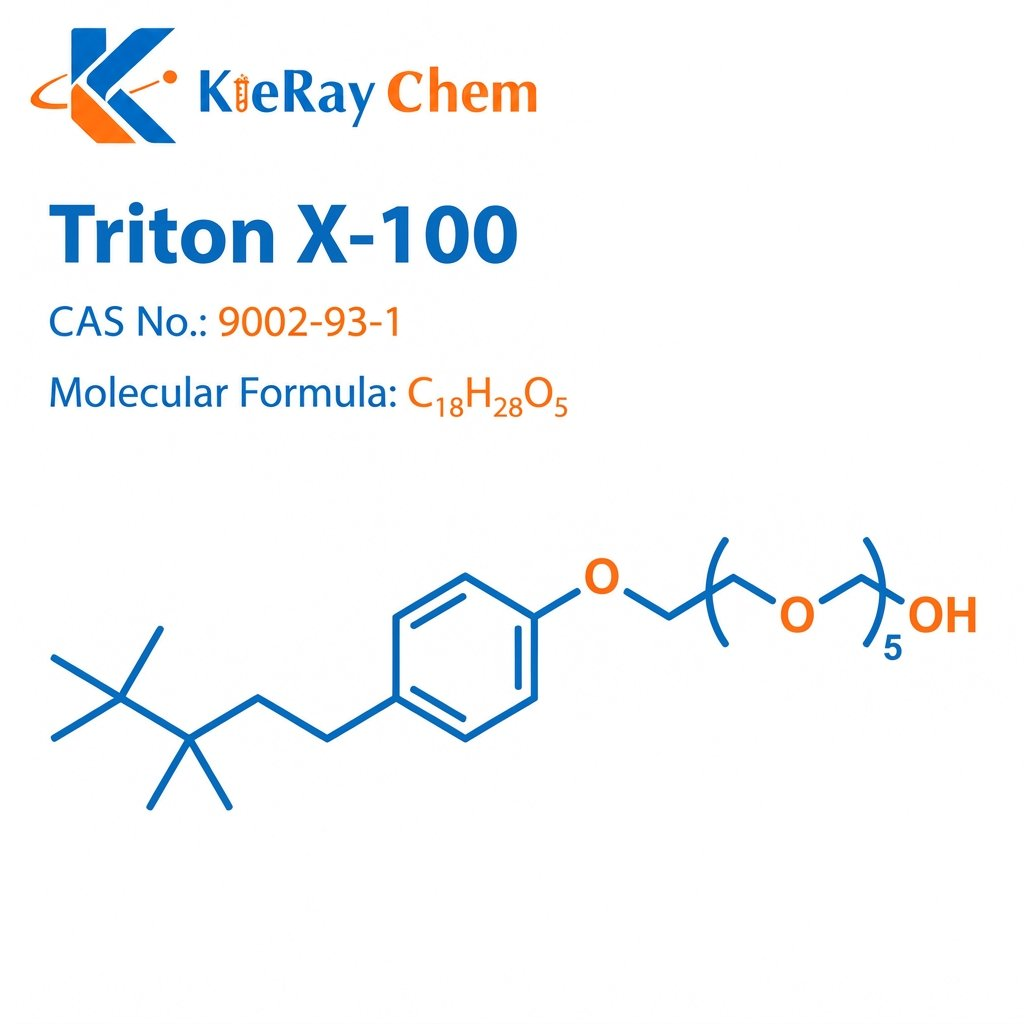
Triton X 100 9002 93 1 Structure

Triton X-100

Triton X-100 (CAS 9002-93-1) is a classic nonionic octylphenol ethoxylate surfactant, widely used as a detergent, wetting agent and solubilizer in laboratory, industrial and formulation contexts. It is typically a viscous amber liquid composed of an alkylphenyl-terminated polyethoxylate with an average ethylene oxide chain length, offering excellent detergency, emulsification and membrane-permeabilization properties. Triton X-100 is
Triton X-100 Read More »

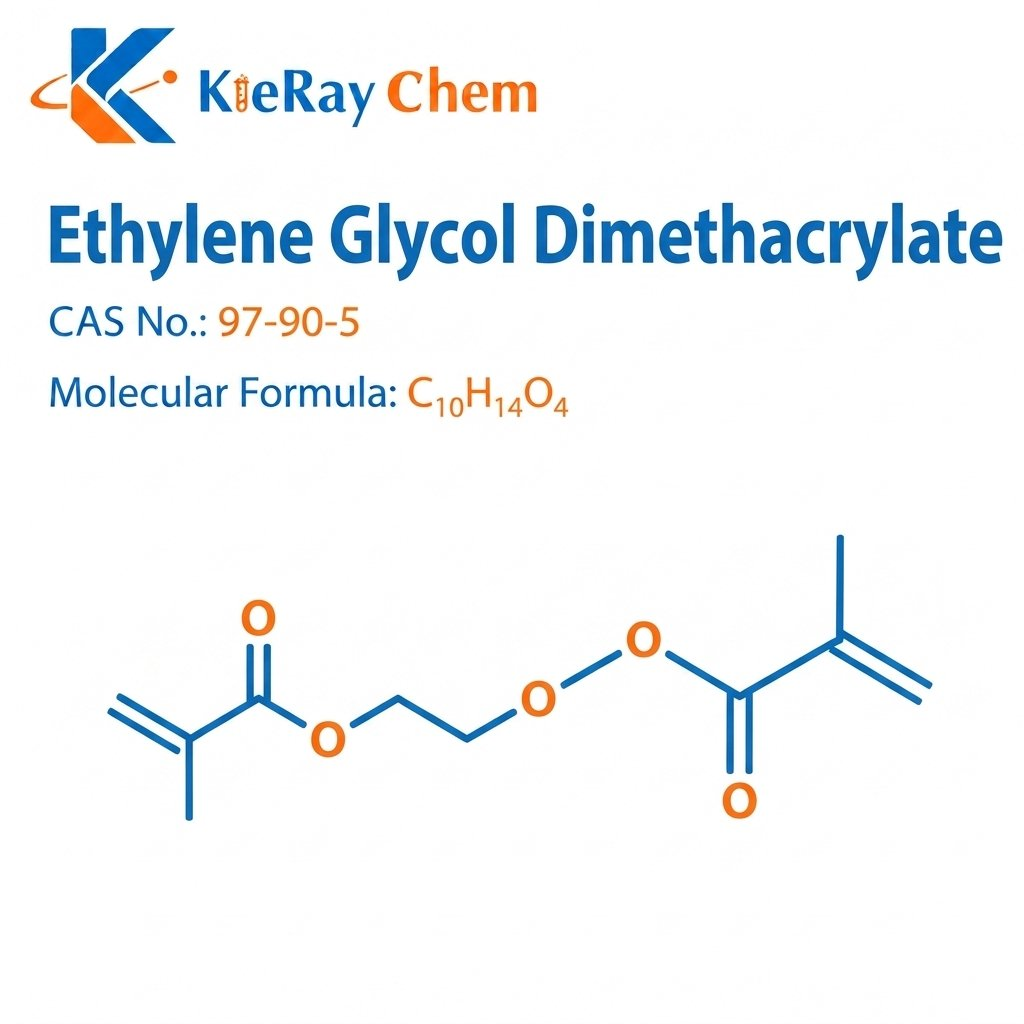
Ethylene Glycol Dimethacrylate 97 90 5 Structure

Ethylene Glycol Dimethacrylate

Ethylene glycol dimethacrylate (CAS 97-90-5), commonly abbreviated EGDMA, is a difunctional methacrylate monomer used primarily as a crosslinking agent in polymer formulations. With two methacrylate end groups connected by an ethylene glycol spacer, EGDMA promotes network formation in thermoset resins, UV-curable coatings, dental resins and polymer matrices. The compound is typically supplied stabilized with polymerization

Ethylene Glycol Dimethacrylate Read More »

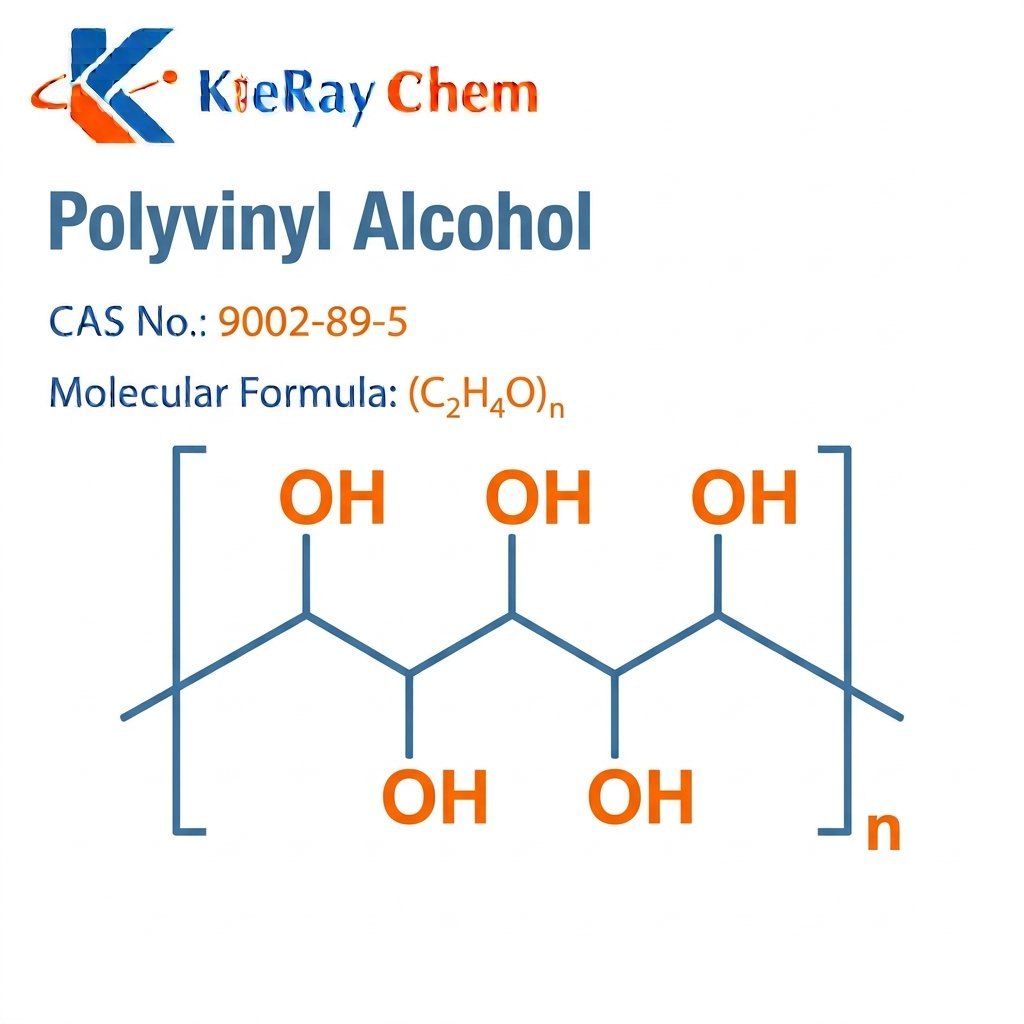
Polyvinyl Alcohol 9002 89 5 Structure

Polyvinyl Alcohol

Polyvinyl alcohol (CAS 9002-89-5) is a water-soluble synthetic polymer composed of repeating vinyl alcohol units (formula (C2H4O)n). It is produced by hydrolysis of polyvinyl acetate and is supplied in grades that differ by degree of hydrolysis and molecular weight (viscosity). Polyvinyl alcohol forms flexible films, exhibits good adhesive properties, and offers excellent chemical resistance to

Polyvinyl Alcohol Read More »

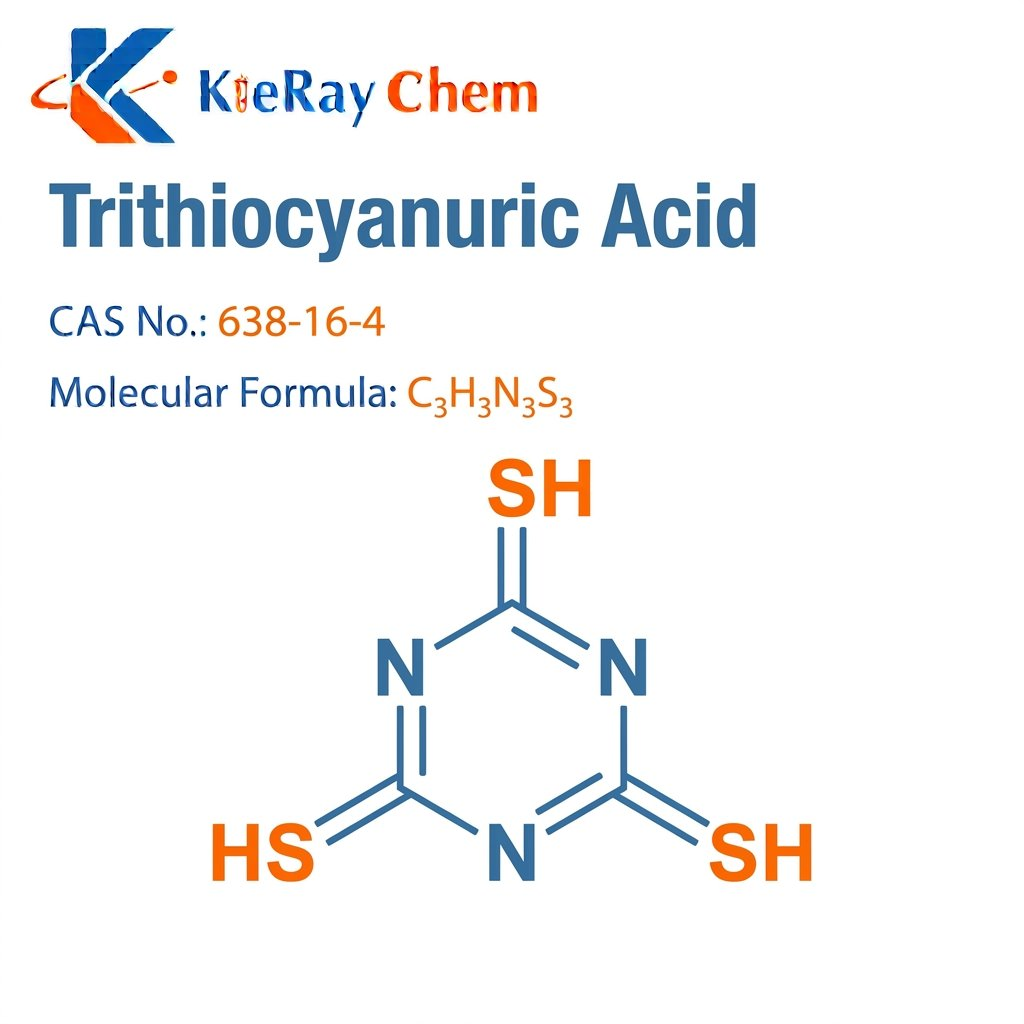
Trithiocyanuric Acid 638 16 4 Structure

Trithiocyanuric Acid

Trithiocyanuric acid (CAS 638-16-4) is a sulfur-rich heterocyclic compound with the molecular formula C3H3N3S3. Often encountered as a pale yellow to brown crystalline powder, Trithiocyanuric acid is used in specialty chemical synthesis, metal chelation and as a functional intermediate in various industrial processes. The material is valued for its multiple thiol-like sites and its ability

Trithiocyanuric Acid Read More »

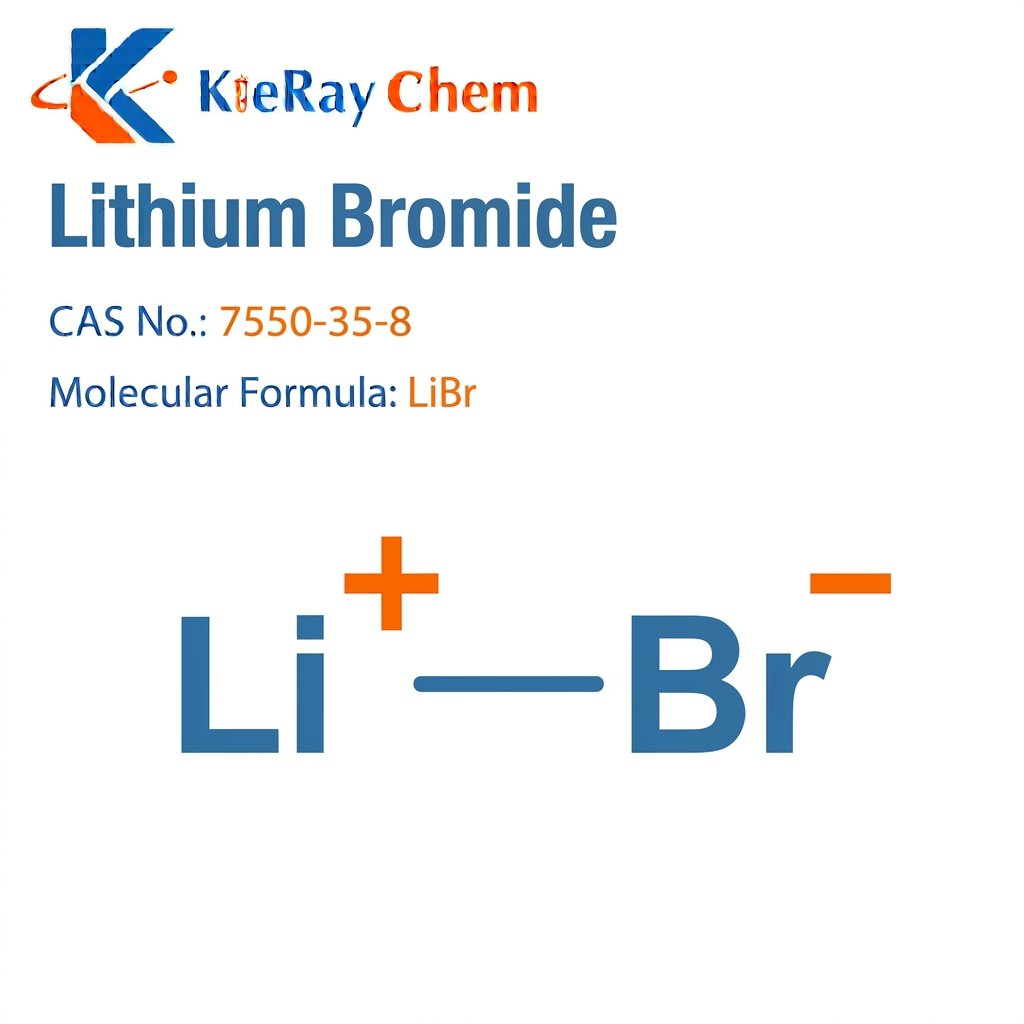
Lithium Bromide 7550 35 8 Structure

Lithium Bromide

Lithium bromide (CAS 7550-35-8) is a hygroscopic lithium salt used in a range of industrial and research applications including absorption refrigeration, electrolyte formulation, and specialty organic synthesis. In the electronics and materials sectors LiBr is used as a lithium source and as a processing aid where controlled ionic strength and solubility behavior are needed. The

Lithium Bromide Read More »

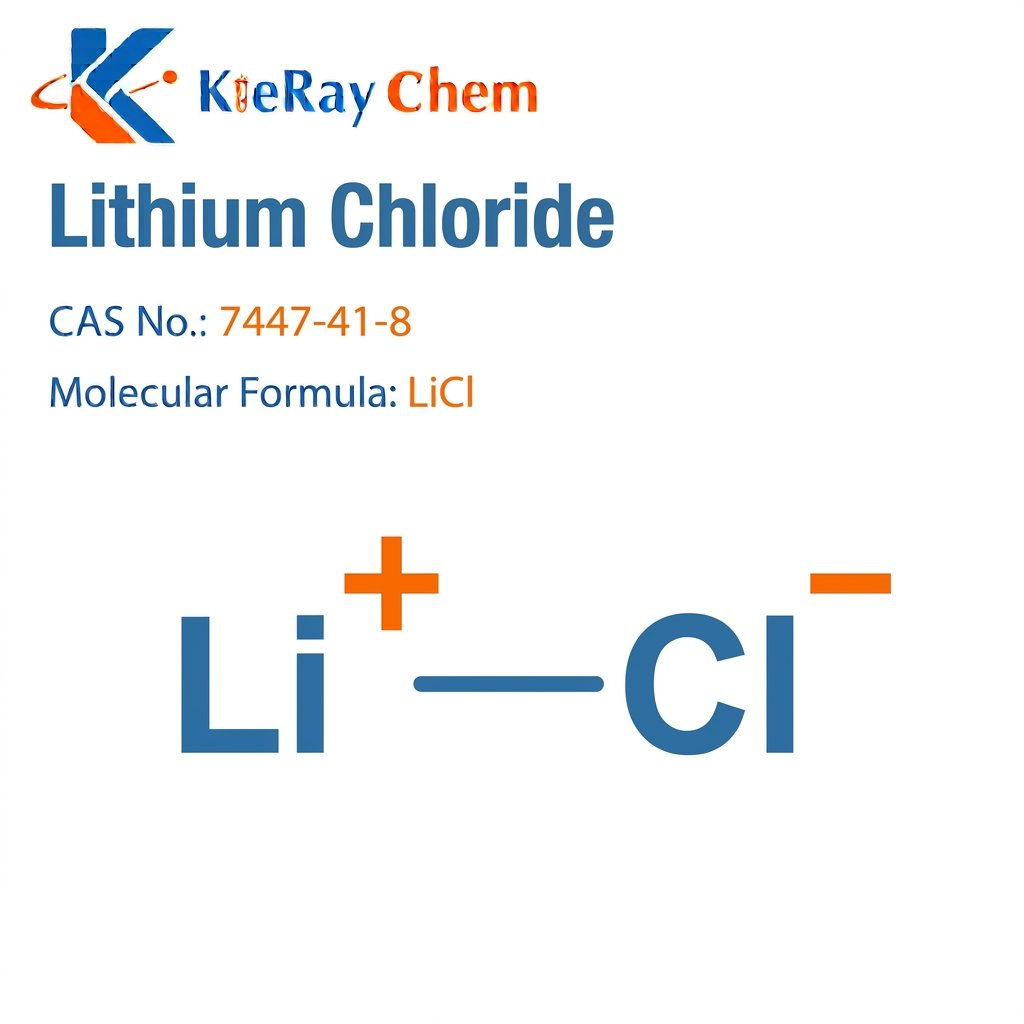
Lithium Chloride 7447 41 8 Structure

Lithium Chloride

Lithium chloride (CAS 7447-41-8) is a hygroscopic inorganic salt with broad use across electrochemical applications, specialty organic synthesis, and materials processing. As a high-purity salt, LiCl is employed in electrolyte formulations, lithium-ion battery research, and as a lithium source in chemical synthesis. Its high solubility in polar solvents and ability to influence ionic strength make

Lithium Chloride Read More »

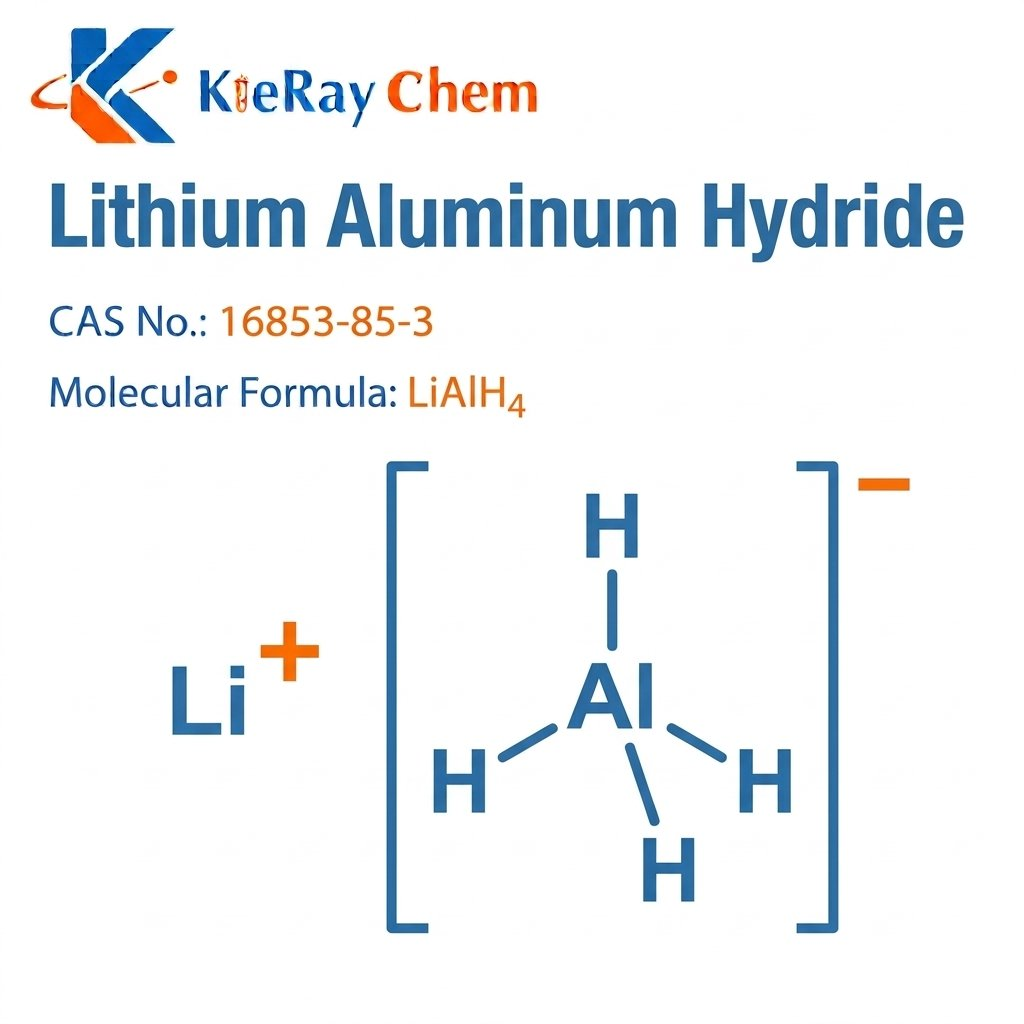
Lithium Aluminum Hydride 16853 85 3 Structure

Lithium Aluminum Hydride

Lithium aluminum hydride (LiAlH4, CAS 16853-85-3) is a powerful, widely used hydride reducing agent applied in the reduction of carbonyl compounds, nitro groups, and other reducible functionalities. As a solid powder, LiAlH4 reacts vigorously with protic solvents and moisture, delivering hydride for rapid and often high-yielding reductions. It is a standard reagent in both academic

Lithium Aluminum Hydride Read More »

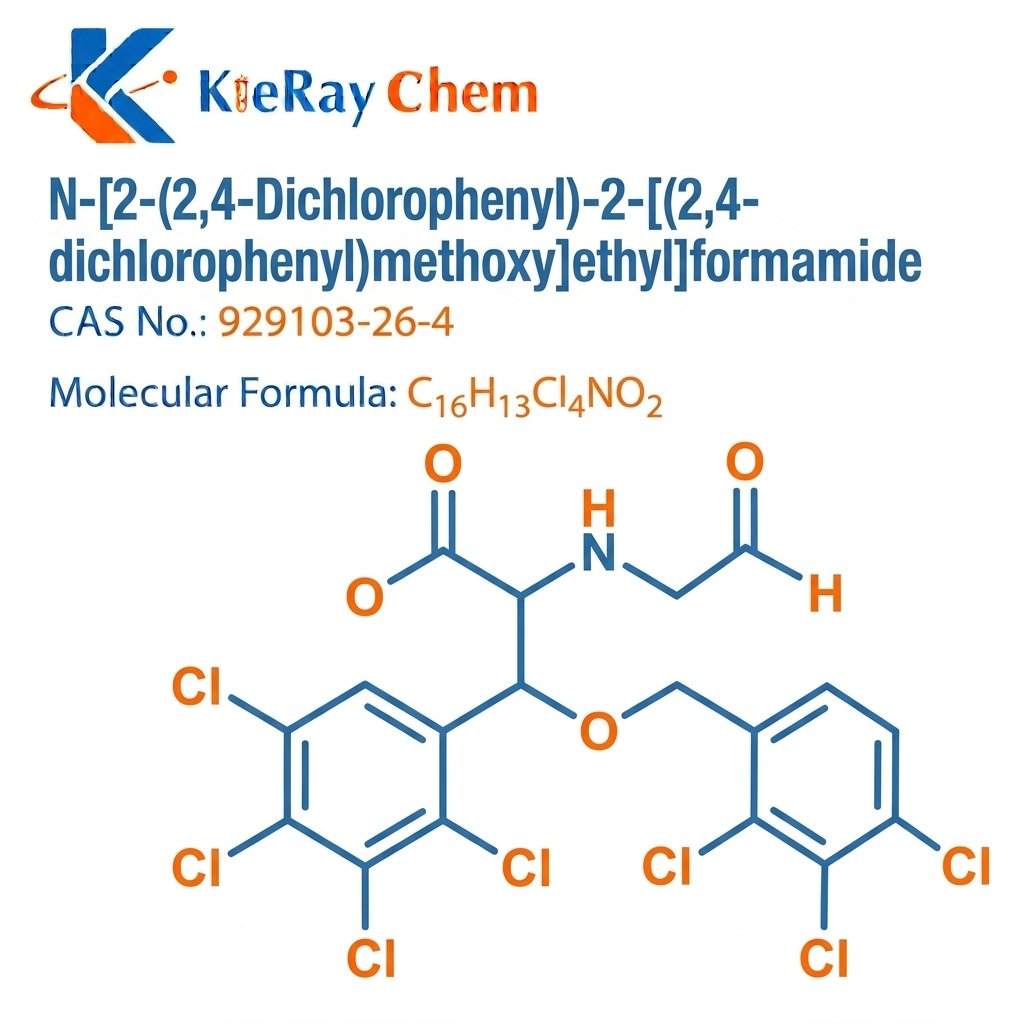
N 2 24 Dichlorophenyl 2 24 Dichlorophenylmethoxyethylformamide 929103 26 4 Structure

N-[2-(2,4-Dichlorophenyl)-2-[(2,4-dichlorophenyl)methoxy]ethyl]formamide

9,10-Dibromo-2-phenylanthracene (CAS 929103-26-4) is a halogenated polycyclic aromatic intermediate used in the preparation of substituted anthracene derivatives for organic electronic materials, photochemical studies, and advanced organic synthesis. The dibromo substitution at the 9,10-positions creates reactive sites for cross-coupling or functional group interconversion, enabling the construction of larger conjugated systems or the introduction of donor/acceptor substituents.

N-[2-(2,4-Dichlorophenyl)-2-[(2,4-dichlorophenyl)methoxy]ethyl]formamide Read More »

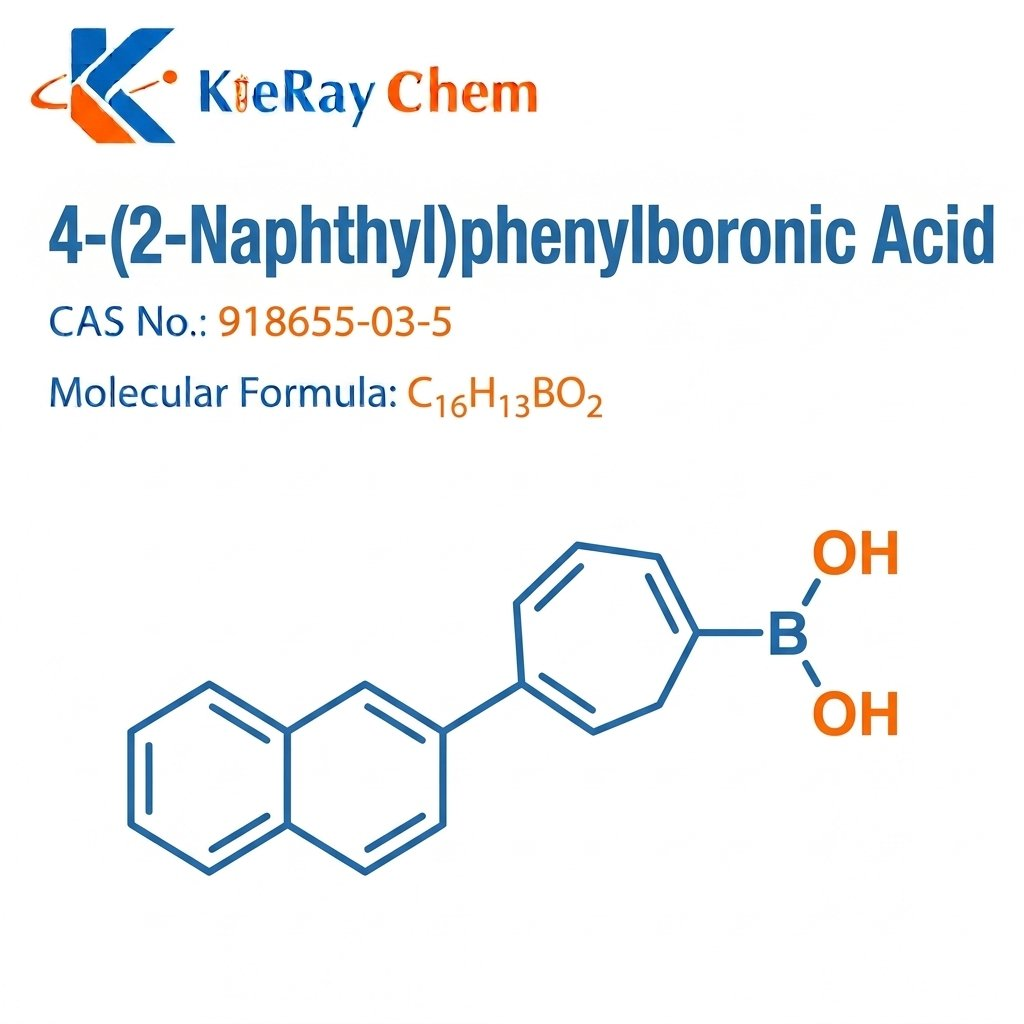
4 2 Naphthylphenylboronic Acid 918655 03 5 Structure

4-(2-Naphthyl)phenylboronic Acid

(4-(Naphthalen-2-yl)phenyl)boronic acid (CAS 918655-03-5) is a diaryl boronic acid used extensively as a coupling partner in Suzuki–Miyaura cross-coupling and related palladium-catalyzed transformations. The naphthyl-phenyl scaffold provides a rigid, conjugated unit that is useful in the synthesis of polyaromatic compounds, pharmaceuticals, and organic materials. This boronic acid is typically supplied as a high-purity white crystalline powder

4-(2-Naphthyl)phenylboronic Acid Read More »

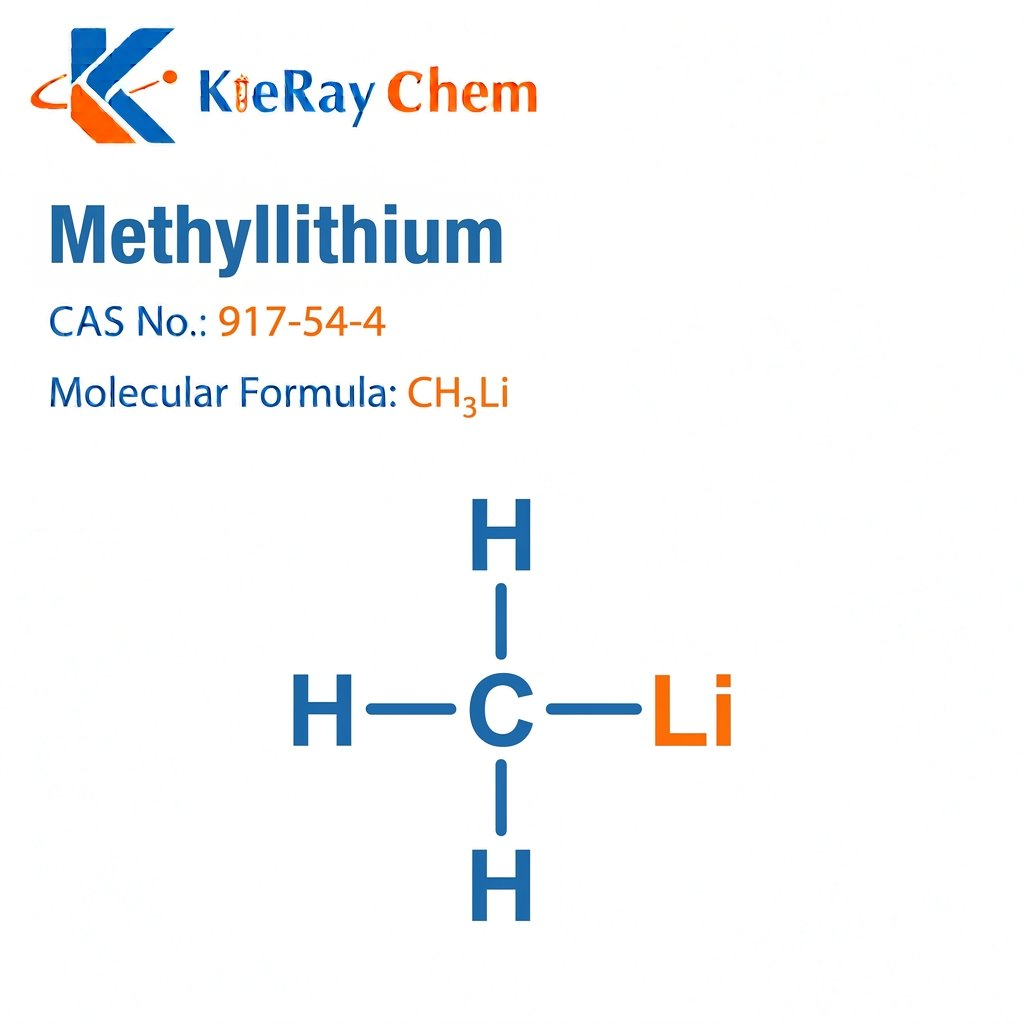
Methyllithium 917 54 4 Structure

Methyllithium

Methyllithium (1.6 M in hexane, CAS 917-54-4) is a widely used organolithium reagent for deprotonation, nucleophilic additions, and metalation reactions in organic synthesis. Provided as a standardized solution in hydrocarbon solvent, this reagent offers reproducible reactivity for forming carbon–carbon bonds, preparing organometallic intermediates, and effecting reductions or alkylations. Because neat methyllithium is pyrophoric, the solution

Methyllithium Read More »

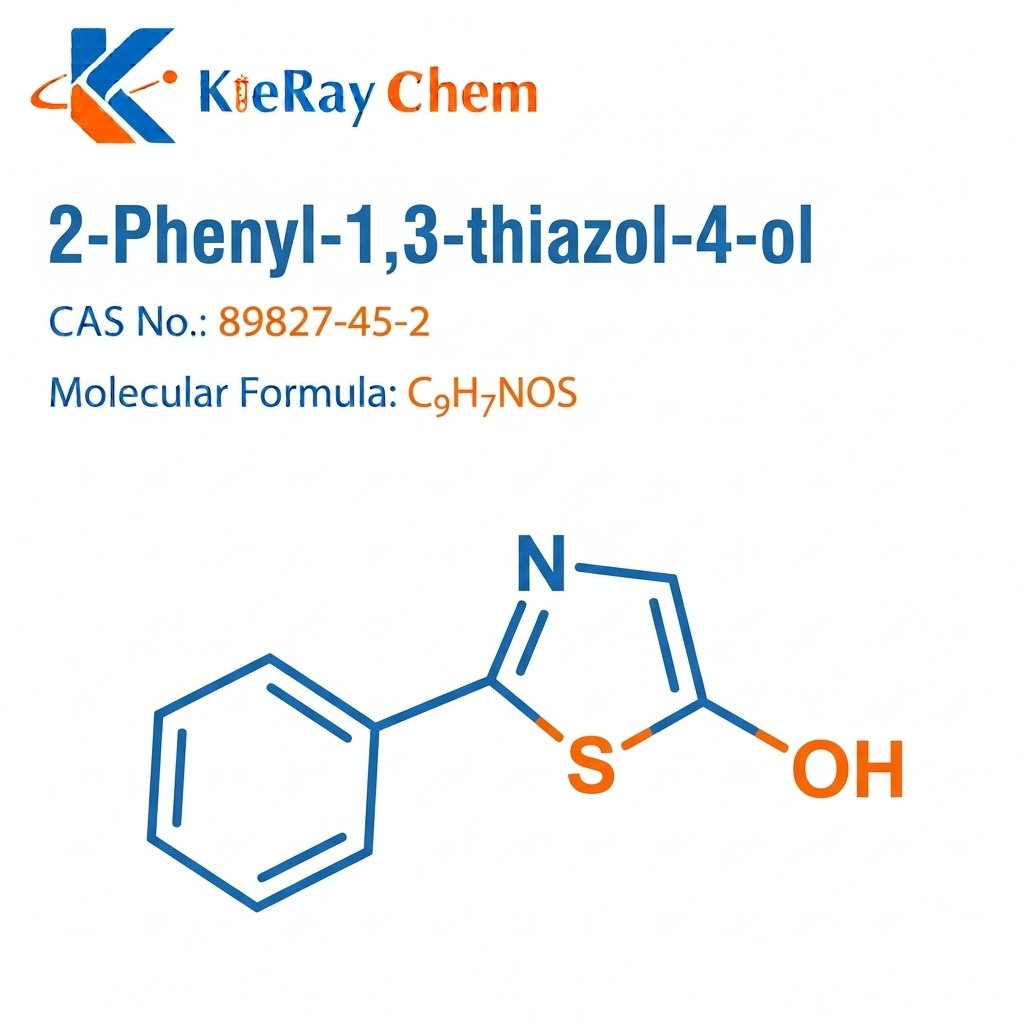
2 Phenyl 13 Thiazol 4 Ol 89827 45 2 Structure

2-Phenyl-1,3-thiazol-4-ol

4-Bromodibenzofuran (CAS 89827-45-2) is a halogenated aromatic intermediate used in the synthesis of functionalized heterocycles, OLED materials, pharmaceuticals, and agrochemicals. The bromine substituent at the 4-position makes this dibenzofuran derivative a valuable substrate for cross-coupling reactions (Suzuki, Stille, Negishi) and for introducing further functional groups through palladium-catalyzed processes. It is typically supplied as a solid

2-Phenyl-1,3-thiazol-4-ol Read More »

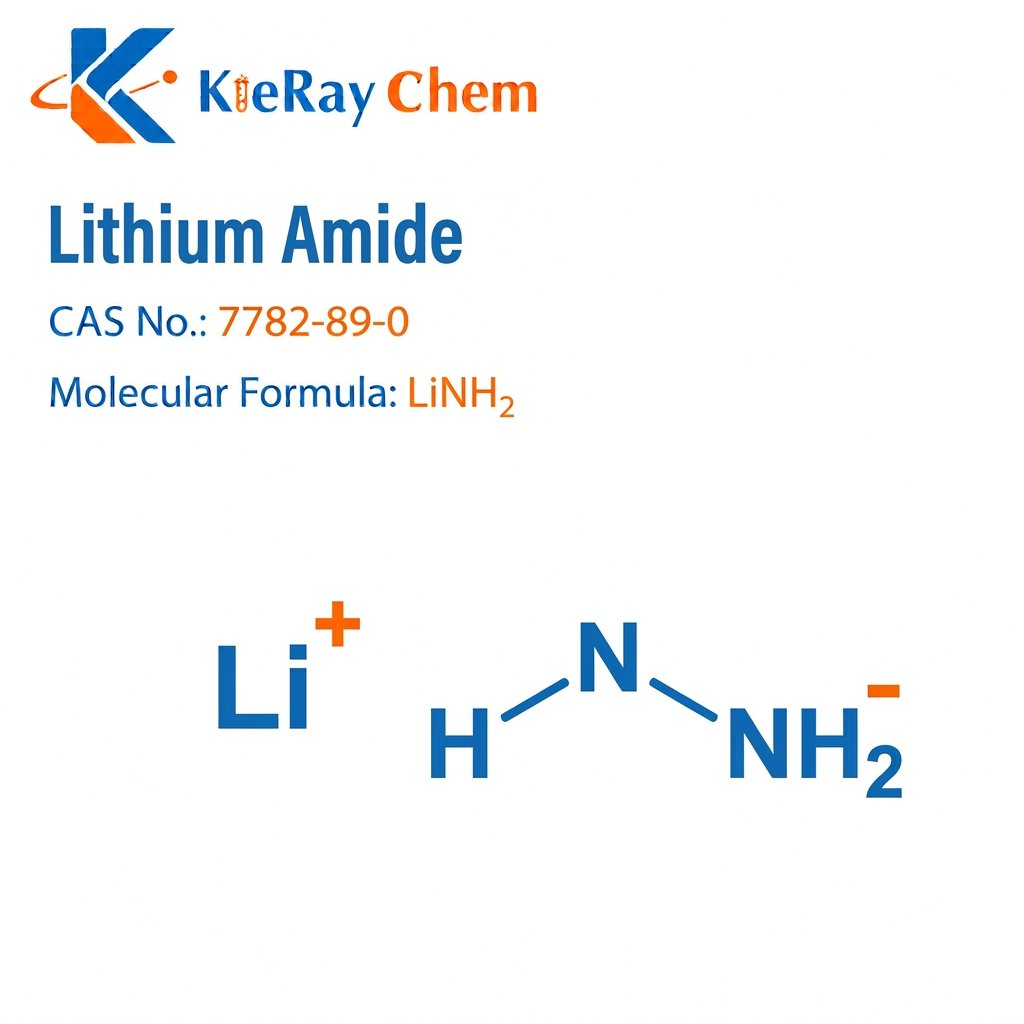
Lithium Amide 7782 89 0 Structure

Lithium Amide

Lithium amide (CAS 7782-89-0), frequently referred to as lithamide or LiNH2, is a strong, non-nucleophilic lithium base used extensively in synthetic organic chemistry and industrial processes. The solid reagent is a powerful deprotonating agent for generating carbanions and for carrying out condensations, metalations, and ring-forming reactions. It is commonly supplied as a dry powder and

Lithium Amide Read More »

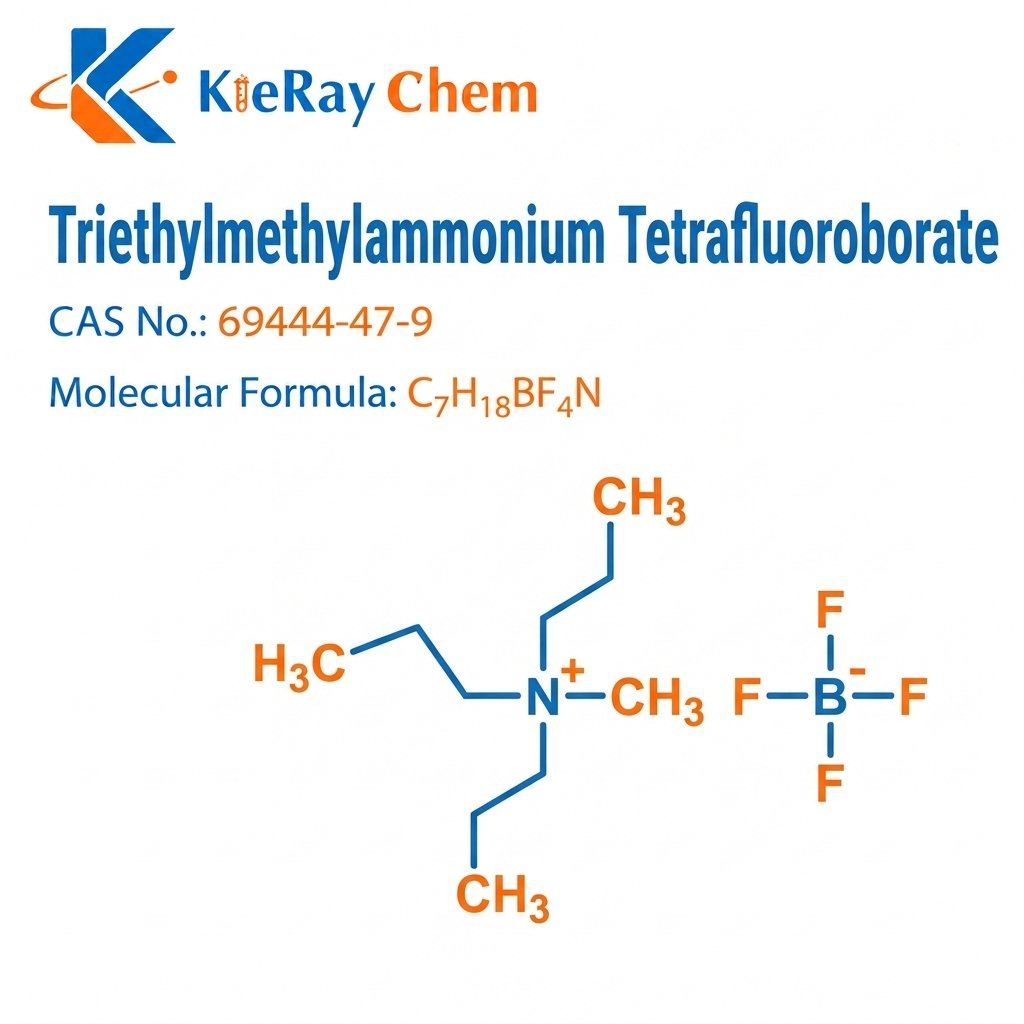
Triethylmethylammonium Tetrafluoroborate 69444 47 9 Structure

Triethylmethylammonium Tetrafluoroborate

Triethylmethylammonium tetrafluoroborate (CAS 69444-47-9) is a quaternary ammonium tetrafluoroborate salt widely used as an ionic liquid component and supporting electrolyte in electrochemical and materials applications. The product typically appears as a white crystalline solid that is hygroscopic and readily soluble in polar organic solvents. Its tetrafluoroborate anion offers good electrochemical stability and a wide electrochemical

Triethylmethylammonium Tetrafluoroborate Read More »

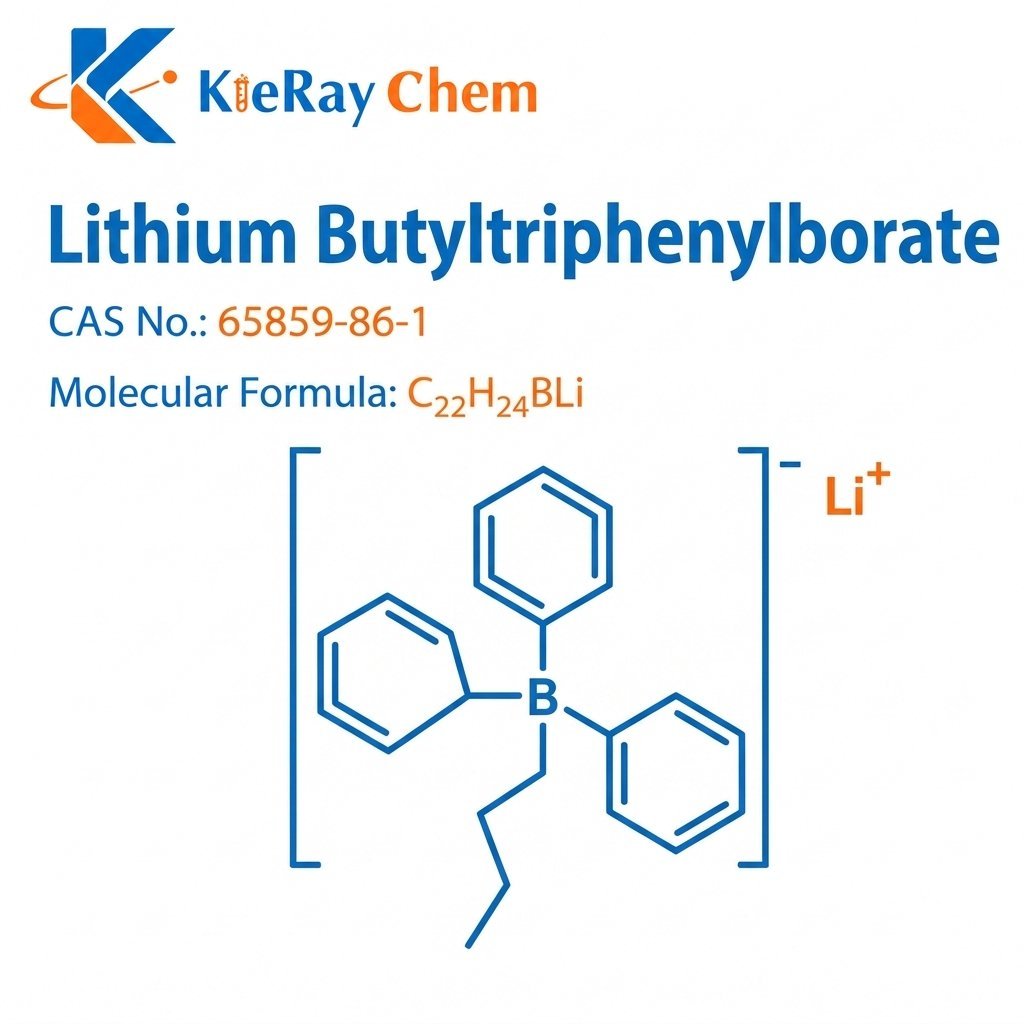
Lithium Butyltriphenylborate 65859 86 1 Structure

Lithium Butyltriphenylborate

Lithium n-butyltriphenylborate (CAS 65859-86-1) is an organoborate reagent commonly supplied as a low-concentration solution for use in organic synthesis. The product is typically offered as a stabilized solution (often ~20% w/w) and contains lithium as the counterion to the triphenyl(n-butyl)borate anion. It is used for nucleophilic and transmetallation reactions where an organoborate species is advantageous,

Lithium Butyltriphenylborate Read More »

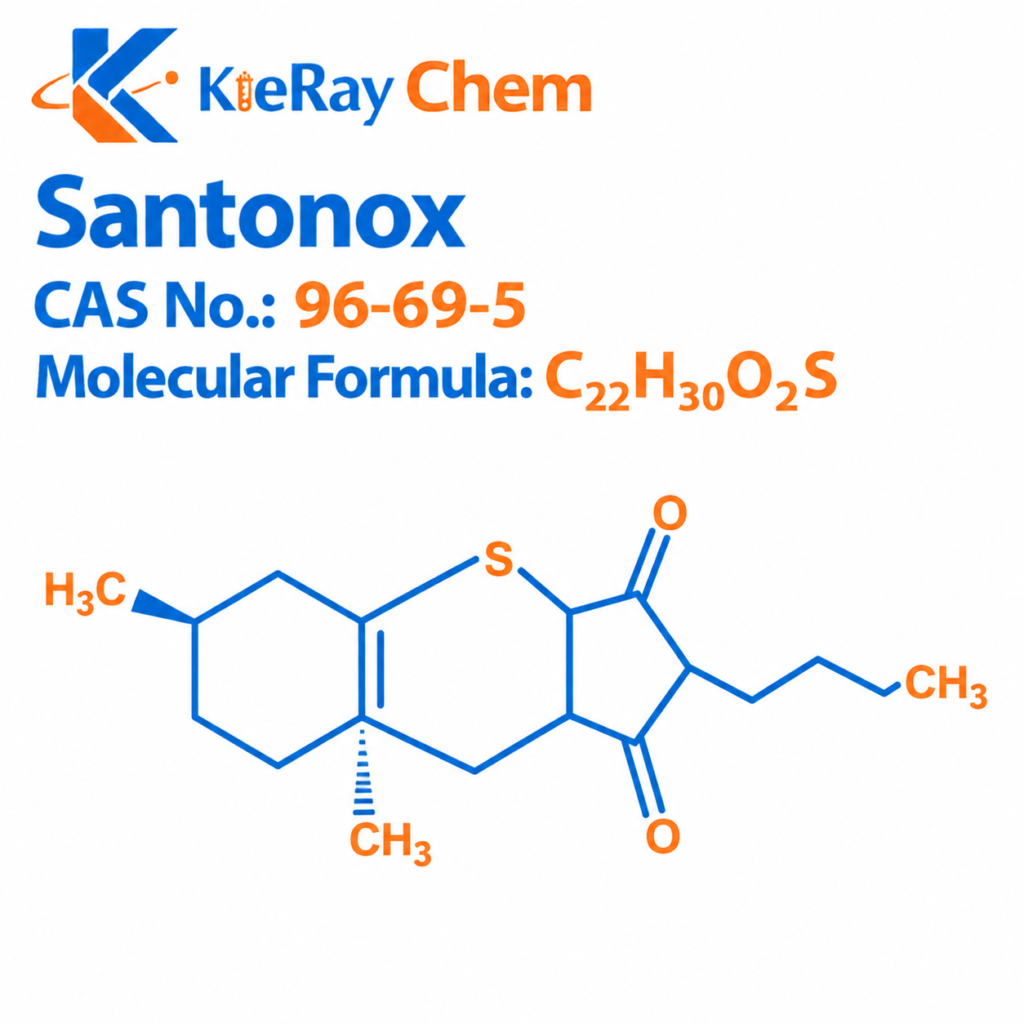
Santonox 96 69 5 Structure 1024x1024

Santonox

Santonox (CAS: 96-69-5) is a commercially important chemical raw material used in industrial chemical formulations and performance-focused manufacturing applications. It is valued for its defined or controlled composition, dependable processing behavior, and ability to support consistent quality in demanding industrial formulations. The material is identified by the molecular formula C₂₂H₃₀O₂S and a molecular weight of

Santonox Read More »

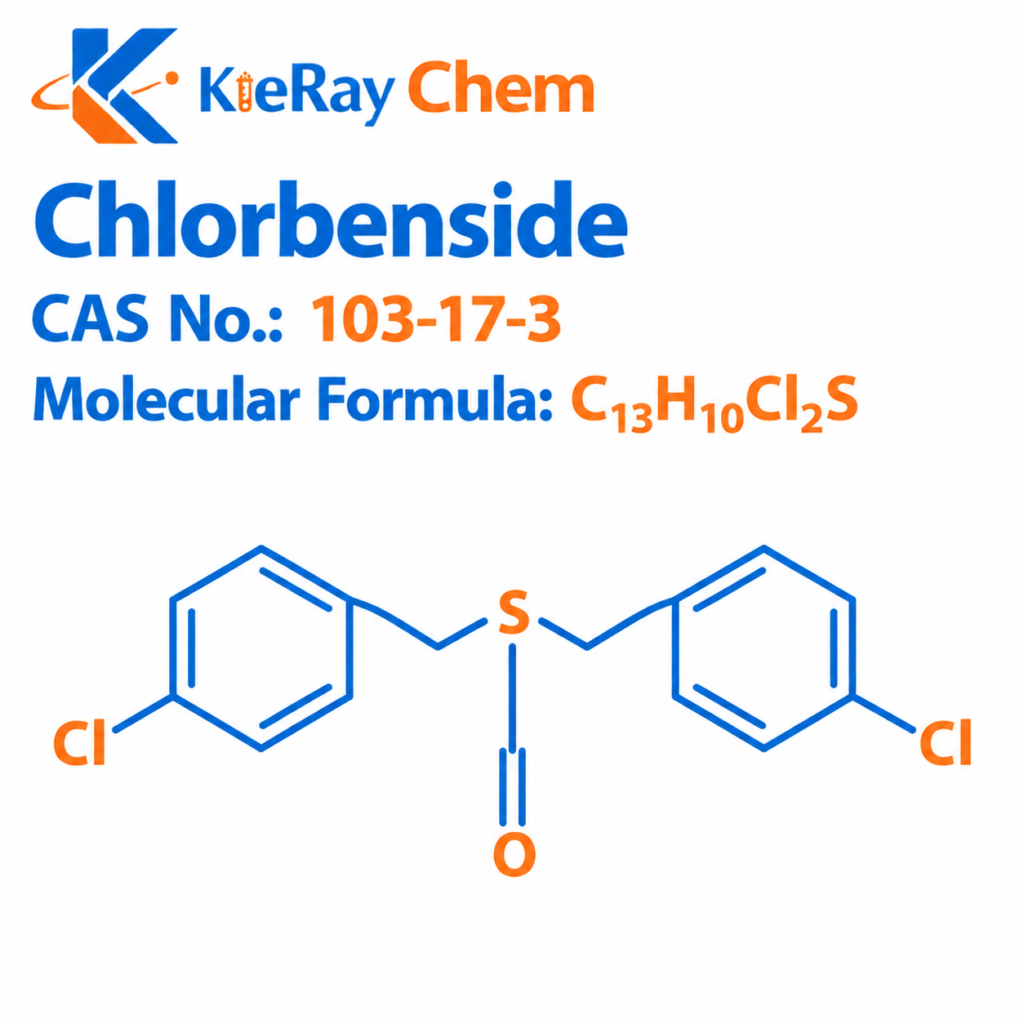
Chlorbenside 103 17 3 Structure 1024x1024

Chlorbenside

Chlorbenside (CAS: 103-17-3) is a commercially important chemical raw material used in acaricide and chemical intermediate. It is valued for its defined or controlled composition, dependable processing behavior, and ability to support consistent quality in demanding industrial formulations. The material is identified by the molecular formula C₁₃H₁₀Cl₂S and a molecular weight of approximately 269.2 g/mol

Chlorbenside Read More »

REQUEST A QUOTE

Product Inquiry — Popup Form