English | 中文 | Español

Chemical Products

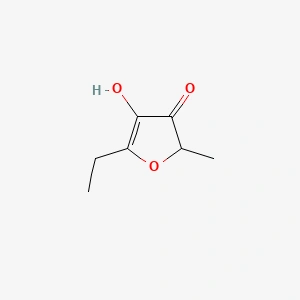
5 Ethyl 4 Hydroxy 2 Methyl 3 2H Furanone 27538 09 6 Structure

5-Ethyl-4-hydroxy-2-methyl-3(2H)-furanone

5-Ethyl-4-hydroxy-2-methyl-3(2H)-furanone, identified by CAS 27538-09-6, is a cyclic keto-enol compound belonging to the furanone family. Often referred to as homofuraneol, this chemical is recognized for its potent organoleptic properties, characterized by a distinctively sweet, caramel-like aroma with nuances of cooked fruit. It typically appears as a colorless to pale yellow liquid or solid, depending on

5-Ethyl-4-hydroxy-2-methyl-3(2H)-furanone Read More »
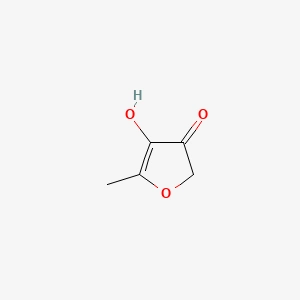
4 Hydroxy 5 Methyl 3 Furanone 19322 27 1 Structure

4-Hydroxy-5-methyl-3-furanone

4-Hydroxy-5-methyl-3-furanone, identified by CAS number 19322-27-1, is a significant organic compound within the furanone family, widely recognized for its distinctive organoleptic properties. Often referred to as chicory furanone, this white to pale yellow crystalline solid or liquid possesses a potent aroma reminiscent of caramel, burnt sugar, and roasted coffee. Its chemical structure, featuring a hydroxyl

4-Hydroxy-5-methyl-3-furanone Read More »

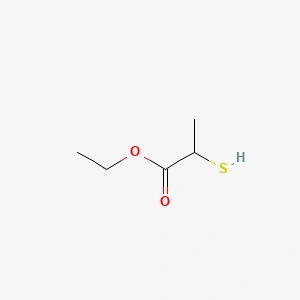
Propanoic Acid 2 Mercapto Ethyl Ester 19788 49 9 Structure

Propanoic acid, 2-mercapto-, ethyl ester

Propanoic acid, 2-mercapto-, ethyl ester, also known as ethyl 2-mercaptopropionate (CAS 19788-49-9), is a versatile organosulfur compound characterized by its dual-functional thiol and ester groups. This clear, colorless to pale yellow liquid is recognized for its potent and distinctive aroma, which combines sulfurous notes with subtle fruity undertones. Its chemical structure makes it a highly

Propanoic acid, 2-mercapto-, ethyl ester Read More »

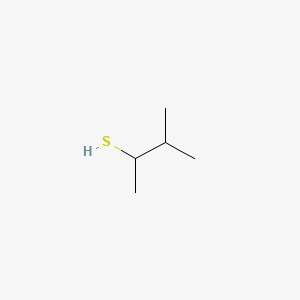
3 Methylbutane 2 Thiol 2084 18 6 Structure

3-Methylbutane-2-thiol

3-Methylbutane-2-thiol, identified by CAS number 2084-18-6, is a volatile organosulfur compound characterized by its distinct and potent sulfurous aroma. As a secondary thiol with a branched pentane backbone, it exhibits the typical reactivity of mercaptans, including the ability to form disulfides and participate in nucleophilic substitution reactions. This colorless to pale yellow liquid is valued

3-Methylbutane-2-thiol Read More »

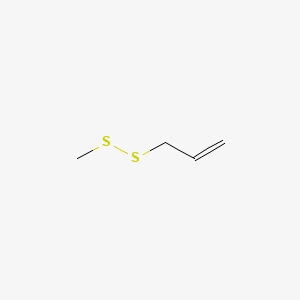
ALLYL METHYL DISULFIDE 2179 58 0 Structure

ALLYL METHYL DISULFIDE

Allyl methyl disulfide, identified by CAS number 2179-58-0, is a volatile organosulfur compound naturally occurring in various Allium species, most notably garlic and onions. It is characterized by a distinct, pungent, and alliaceous aroma that is highly recognizable even at low concentrations. Chemically, it consists of an allyl group and a methyl group linked by

ALLYL METHYL DISULFIDE Read More »

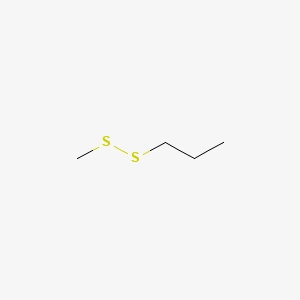
Methyl Propyl Disulfide 2179 60 4 Structure

Methyl propyl disulfide

Methyl propyl disulfide (CAS 2179-60-4) is a volatile organosulfur compound characterized by its distinct, pungent aroma, often described as reminiscent of garlic or onions. As an asymmetrical disulfide, it consists of a methyl group and a propyl group linked by a disulfide bridge. This clear to pale yellow liquid is naturally occurring in various Allium

Methyl propyl disulfide Read More »

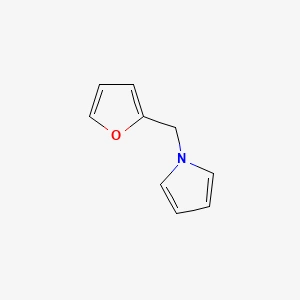
1 Furan 2 Ylmethyl 1H Pyrrole 1438 94 4 Structure

1-(Furan-2-ylmethyl)-1H-pyrrole

1-(Furan-2-ylmethyl)-1H-pyrrole, identified by CAS number 1438-94-4, is a heterocyclic organic compound characterized by the linkage of a pyrrole ring to a furan moiety via a methylene bridge. Often referred to as 1-furfurylpyrrole, this molecule exhibits chemical properties typical of both pyrrole and furan systems, making it a subject of interest in the study of aromatic

1-(Furan-2-ylmethyl)-1H-pyrrole Read More »

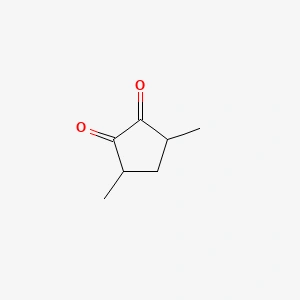
3 5 Dimethyl 1 2 Cyclopentanedione 13494 07 0 Structure

3,5-Dimethyl-1,2-cyclopentanedione

3,5-Dimethyl-1,2-cyclopentanedione, identified by CAS number 13494-07-0, is a cyclic diketone that plays a significant role in the specialty chemical and flavoring industries. Characterized by its distinct aromatic profile, this compound often presents as a white to pale yellow crystalline solid or liquid, depending on its purity and temperature. It is recognized for its ability to

3,5-Dimethyl-1,2-cyclopentanedione Read More »

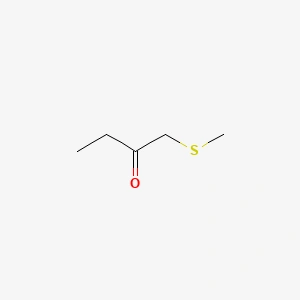
1 Methylthio 2 Butanone 13678 58 5 Structure

1-(Methylthio)-2-butanone

1-(Methylthio)-2-butanone, identified by CAS number 13678-58-5, is a specialized organosulfur compound characterized by a ketone functional group linked to a methylthio moiety. This colorless to pale yellow liquid is recognized for its potent and distinctive aromatic profile, which is often described as having savory, vegetable-like, or sulfurous notes. As a member of the thioether family,

1-(Methylthio)-2-butanone Read More »

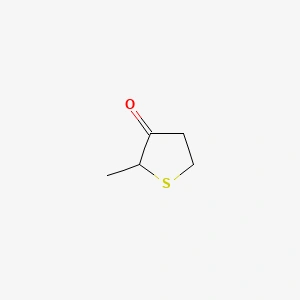
Dihydro 2 Methyl 3 2H Thiophenone 13679 85 1 Structure

Dihydro-2-methyl-3(2H)-thiophenone

Dihydro-2-methyl-3(2H)-thiophenone, identified by CAS number 13679-85-1, is a cyclic organosulfur compound belonging to the class of tetrahydrothiophenones. Characterized as a colorless to pale yellow liquid, it possesses a distinctively pungent, savory, and sulfurous aroma profile that is highly valued in specialized chemical formulations. Its molecular structure features a five-membered ring containing a sulfur atom and

Dihydro-2-methyl-3(2H)-thiophenone Read More »

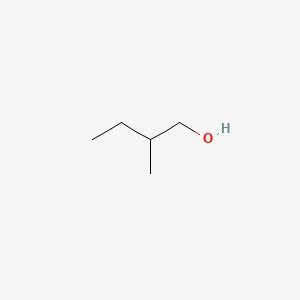
2 Methyl 1 Butanol 137 32 6 Structure

2-Methyl-1-butanol

2-Methyl-1-butanol, identified by CAS number 137-32-6, is a branched-chain primary alcohol also known as active amyl alcohol. It is a colorless liquid characterized by a distinct, somewhat pungent odor and is naturally occurring in various fruits and fermented beverages. As a chiral compound, it exists as a racemic mixture in most industrial applications, offering unique

2-Methyl-1-butanol Read More »

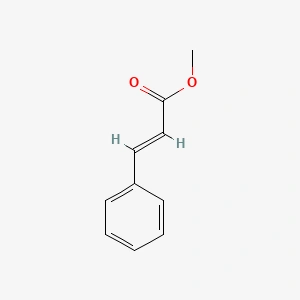
Methyl Cinnamate 103 26 4 Structure

Methyl cinnamate

Methyl cinnamate, identified by CAS number 103-26-4, is a methyl ester derived from cinnamic acid. It typically presents as a white to pale yellow crystalline solid with a distinctively sweet, balsamic, and fruity aroma that often carries notes of strawberry and cherry. This organic compound occurs naturally in several plant species, including certain types of

Methyl cinnamate Read More »

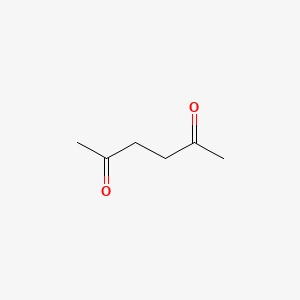
2 5 Hexanedione 110 13 4 Structure

2,5-Hexanedione

2,5-Hexanedione, commonly referred to as acetonylacetone, is a clear to light yellow liquid organic compound belonging to the 1,4-diketone family. Identified by CAS number 110-13-4, this versatile chemical serves as a critical building block in organic chemistry due to its distinct bifunctional structure. It exhibits high solubility in both water and common organic solvents, making

2,5-Hexanedione Read More »

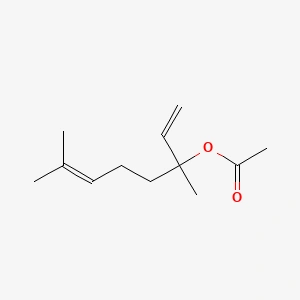
LINALYL ACETATE 115 95 7 Structure

LINALYL ACETATE

Linalyl acetate, identified by CAS 115-95-7, is a prominent phytochemical and the acetate ester of linalool. It is a colorless to pale yellow liquid naturally found in numerous essential oils, most notably lavender and bergamot. Characterized by its sweet, fruity, and distinctly floral aroma, this monoterpene ester serves as a foundational component in the creation

LINALYL ACETATE Read More »

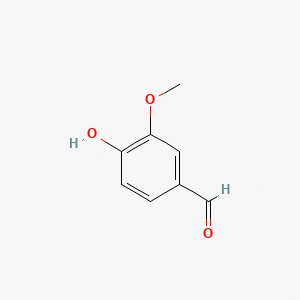
Vanillin 121 33 5 Structure

vanillin

Vanillin, chemically identified by CAS number 121-33-5, is a primary component of the extract of the vanilla bean and is recognized as a fundamental phenolic aldehyde. It typically presents as a white to pale yellow crystalline powder or needle-like crystals, characterized by a distinctively sweet, creamy, and aromatic profile. As a versatile organic compound, it

vanillin Read More »

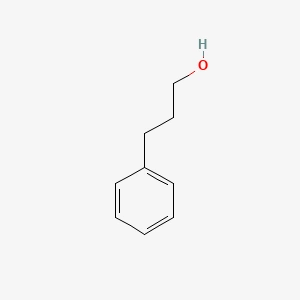
Alverine Citrate EP Impurity B 122 97 4 Structure

Alverine Citrate EP Impurity B

3-Phenyl-1-propanol, identified by CAS number 122-97-4, is a primary aromatic alcohol characterized by its distinct floral and balsamic odor. In the pharmaceutical sector, it is recognized as Alverine Citrate EP Impurity B, serving as a critical reference standard for quality control and analytical testing. The molecule consists of a phenyl ring attached to a propanol

Alverine Citrate EP Impurity B Read More »

REQUEST A QUOTE

Product Inquiry — Popup Form