English | 中文 | Español

Chemical Products

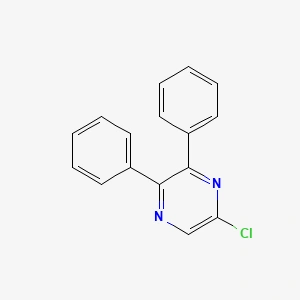
5-Chloro-2,3-diphenylpyrazine

5-Chloro-2,3-diphenylpyrazine, identified by CAS: 41270-66-0, is a specialized heterocyclic organic compound belonging to the pyrazine family. It features a pyrazine core substituted with two phenyl groups at the 2 and 3 positions and a chlorine atom at the 5 position. This specific substitution pattern makes it a valuable precursor in the synthesis of more complex

5-Chloro-2,3-diphenylpyrazine Read More »
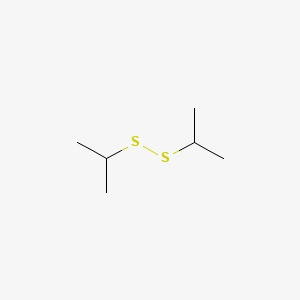
Diisopropyl disulfide

Diisopropyl disulfide (CAS: 4253-89-8) is an organic sulfur compound characterized by its distinct, pungent odor, which is often described as alliaceous, sulfurous, or onion-like. It occurs naturally in various plants, particularly within the Allium genus, contributing significantly to the characteristic aroma profiles of onions and garlic. Structurally, the molecule features a central disulfide bridge connecting

Diisopropyl disulfide Read More »

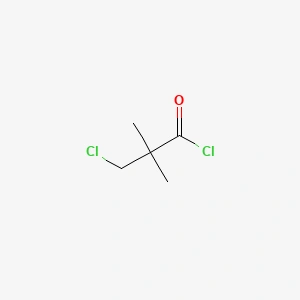
3-Chloropivaloyl chloride

3-Chloropivaloyl chloride, identified by CAS: 4300-97-4, is a highly reactive organic compound belonging to the acyl chloride family. It serves as a versatile building block in fine chemical synthesis, particularly where the introduction of a hindered acyl group or a chloro-substituted alkyl chain is required. Due to its bifunctional nature—containing both an acid chloride and

3-Chloropivaloyl chloride Read More »

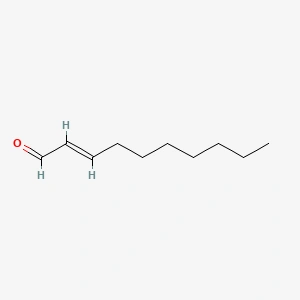
trans-2-Decenal

trans-2-Decenal, identified by CAS: 3913-81-3, is an unsaturated aliphatic aldehyde characterized by its potent and distinctive aroma profile. It occurs naturally in various foods, including coriander, citrus oils, and cooked meats, contributing to their complex flavor profiles. In its pure form, the compound typically presents as a colorless to slightly yellow liquid with a powerful,

trans-2-Decenal Read More »

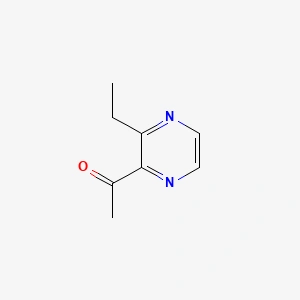
2-Acetyl-3-ethylpyrazine

2-Acetyl-3-ethylpyrazine (CAS: 32974-92-8) is a specialized heterocyclic aromatic compound that plays a significant role in the food and flavoring industry. Known for its potent and characteristic aroma, it is often described as having roasted, nutty, and popcorn-like qualities. This compound belongs to the pyrazine family, which is frequently associated with the Maillard reaction products formed

2-Acetyl-3-ethylpyrazine Read More »

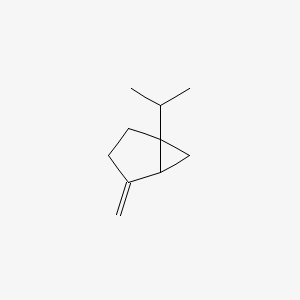
Sabinene

Sabinene, identified by CAS: 3387-41-5, is a naturally occurring bicyclic monoterpene and a major constituent of various essential oils, including those derived from black pepper, nutmeg, and marjoram. It is characterized by its distinct spicy, woody, and citrus-like aroma, making it a valuable component in both the flavor and fragrance industries. The compound is isolated

Sabinene Read More »

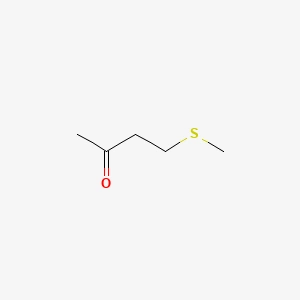
4-(Methylthio)-2-butanone

4-(Methylthio)-2-butanone, identified by CAS: 34047-39-7, is a sulfur-containing ketone characterized by its potent and distinctive organoleptic properties. Often referred to in the industry as potato butanone, this compound is naturally occurring in various foodstuffs, including boiled potatoes, beer, and certain dairy products. It is highly valued for its ability to impart earthy, savory, and vegetable-like

4-(Methylthio)-2-butanone Read More »

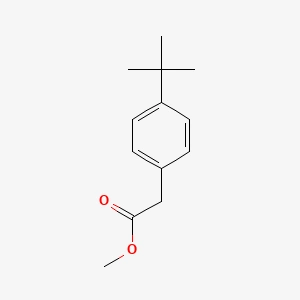
Methyl p-tert-butylphenylacetate

Methyl p-tert-butylphenylacetate, identified by CAS 3549-23-3, is a synthetic ester widely utilized in the flavor and fragrance industry. It is characterized by its distinct honey-like, floral, and sweet aroma, often described as having nuances of rose, chocolate, and fruit. This compound typically appears as a clear, colorless to pale yellow liquid at room temperature and

Methyl p-tert-butylphenylacetate Read More »

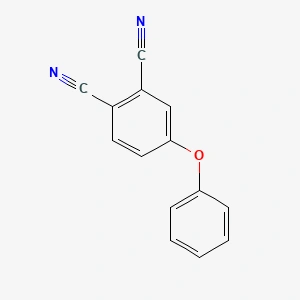
4-Phenoxyphthalonitrile

4-Phenoxyphthalonitrile, identified by CAS: 38791-62-7, is a specialized organic intermediate belonging to the phthalonitrile family. It is characterized by the presence of a phenoxy group attached to the dicyanobenzene core, which significantly influences its reactivity and the physical properties of its derivatives. This compound is primarily utilized as a building block in the synthesis of

4-Phenoxyphthalonitrile Read More »

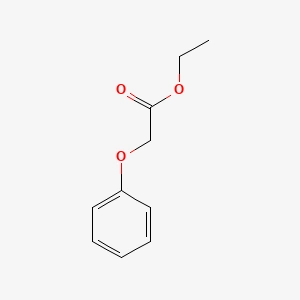
Ethyl phenoxyacetate

Ethyl phenoxyacetate, identified by CAS: 2555-49-9, is a versatile organic ester formed by the condensation of phenoxyacetic acid and ethanol. It is widely recognized for its distinct aromatic profile, which features sweet, honey-like, and floral notes accompanied by balsamic undertones. As a clear liquid at room temperature, it is highly valued in the chemical industry

Ethyl phenoxyacetate Read More »

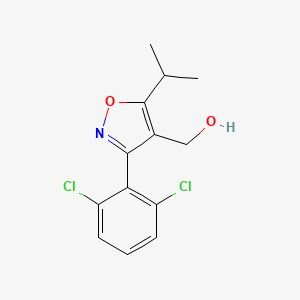
[3-(2,6-Dichlorophenyl)-5-isopropylisoxazol-4-yl]methanol

[3-(2,6-Dichlorophenyl)-5-isopropylisoxazol-4-yl]methanol (CAS: 278597-30-1) is a specialized organic intermediate primarily utilized in the synthesis of complex heterocyclic compounds. It features an isoxazole core substituted with a bulky 2,6-dichlorophenyl group and an isopropyl moiety, providing a specific spatial configuration essential for biological activity in medicinal chemistry. This compound serves as a critical building block for the development

[3-(2,6-Dichlorophenyl)-5-isopropylisoxazol-4-yl]methanol Read More »

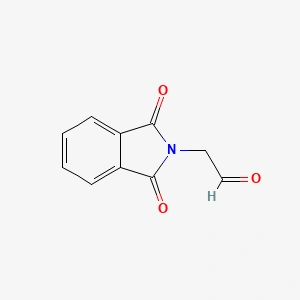
Phthalimidoacetaldehyde

Phthalimidoacetaldehyde (CAS: 2913-97-5) is a specialized organic intermediate that features a phthalimide protecting group linked to an acetaldehyde functional unit. It is widely recognized as a stable equivalent of aminoacetaldehyde, a compound that is notoriously difficult to handle in its unprotected form due to its tendency to undergo self-condensation. By masking the amine as a

Phthalimidoacetaldehyde Read More »

Lenthionine

Lenthionine, identified by CAS: 292-46-6, is a cyclic organosulfur compound that serves as the primary aroma-contributing constituent in shiitake mushrooms. It is characterized by its unique seven-membered ring structure containing five sulfur atoms and two methylene groups. This compound is formed through enzymatic reactions when the mushroom tissue is damaged or dried, resulting in the

Lenthionine Read More »

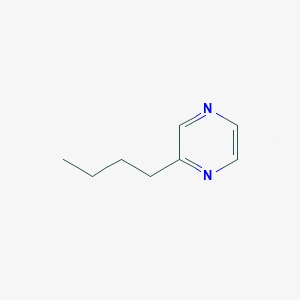
2-Butylpyrazine

2-Butylpyrazine (CAS: 29460-91-1) is a heterocyclic aromatic organic compound characterized by its distinct odor profile. As a member of the pyrazine family, it is naturally found in various heat-treated foods, where it contributes significantly to the complex sensory characteristics of roasted, toasted, or fried products. The compound is valued for its ability to impart specific

2-Butylpyrazine Read More »

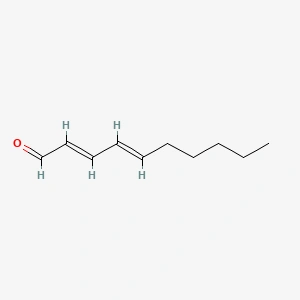
trans,trans-2,4-Decadienal

trans,trans-2,4-Decadienal, identified by CAS: 25152-84-5, is a powerful unsaturated aliphatic aldehyde renowned for its distinctive fatty, oily, and chicken-like aroma. This compound occurs naturally in a wide variety of food sources, most notably in cooked poultry, citrus oils, and oxidized fats. It is considered a primary odorant in fried foods and is essential for achieving

trans,trans-2,4-Decadienal Read More »

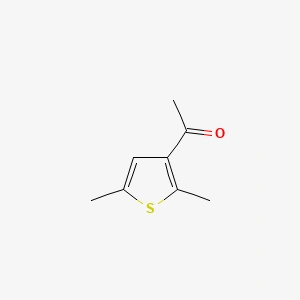
3-Acetyl-2,5-dimethylthiophene

3-Acetyl-2,5-dimethylthiophene (CAS 2530-10-1) is a specialized heterocyclic aromatic compound belonging to the thiophene family. It is recognized for its potent and distinctive organoleptic properties, often described as having a roasted, nutty, and savory aroma profile. This compound is widely utilized in the flavor and fragrance industry to impart complex notes to various formulations. Due to

3-Acetyl-2,5-dimethylthiophene Read More »

REQUEST A QUOTE

Product Inquiry — Popup Form