English | 中文 | Español

Chemical Products

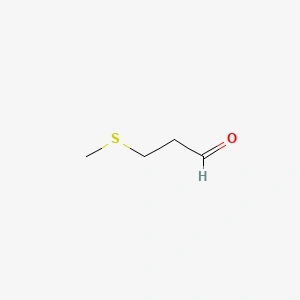
3-Methylmercaptopropyl aldehyde

3-Methylmercaptopropyl aldehyde, commonly known as methional, is a significant organosulfur compound identified by CAS 3268-49-3. This colorless to yellowish liquid is characterized by its potent and distinctive aroma, often described as reminiscent of boiled potatoes, meat, or onions. Chemically, it is an aldehyde containing a thioether group, which contributes to its high reactivity and unique

3-Methylmercaptopropyl aldehyde Read More »

dimethyl sulfide

Dimethyl sulfide (CAS 75-18-3), commonly known as DMS, is a volatile organosulfur compound characterized by its distinct, pungent odor. As the simplest thioether, it exists as a colorless liquid at room temperature with a notably low boiling point. This chemical is naturally occurring, often associated with the smell of the sea and certain cooked vegetables,

dimethyl sulfide Read More »

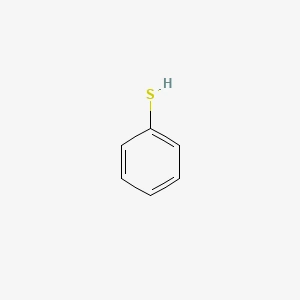
benzene thiol

Benzene thiol, commonly referred to as thiophenol, is an organosulfur compound with the chemical formula C6H5SH. It presents as a colorless to slightly yellowish liquid characterized by a distinct and pervasive odor typical of thiols. As the simplest aromatic thiol, it serves as a fundamental building block in organic chemistry, offering a reactive sulfhydryl group

benzene thiol Read More »

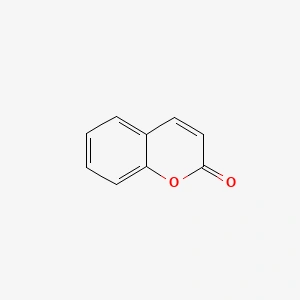
coumarin

Coumarin, identified by CAS 91-64-5, is a naturally occurring aromatic organic chemical compound belonging to the benzopyrone chemical class. It is characterized by its distinct, pleasant odor reminiscent of newly mown hay or vanilla, and it typically appears as a colorless to white crystalline solid. As a versatile heterocyclic molecule, it serves as a fundamental

coumarin Read More »

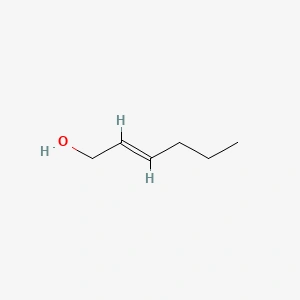
2-Hexen-1-ol

2-Hexen-1-ol, identified by CAS number 928-95-0, is a versatile unsaturated primary alcohol characterized by its distinct green, leafy, and slightly fruity aroma. Naturally occurring in various fruits, vegetables, and tea leaves, this six-carbon compound serves as a critical building block in organic synthesis and the formulation of aromatic compounds. It typically presents as a colorless

2-Hexen-1-ol Read More »

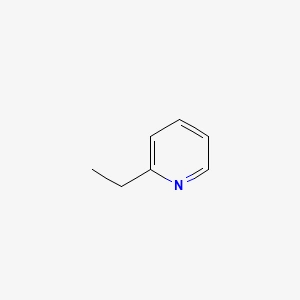
2-Ethylpyridine

2-Ethylpyridine, identified by CAS number 100-71-0, is a versatile heterocyclic organic compound belonging to the alkylpyridine family. It appears as a clear, colorless to pale yellow liquid with a distinct, pungent aroma characteristic of pyridine derivatives. As a fundamental building block in organic chemistry, this molecule features an ethyl group at the second position of

2-Ethylpyridine Read More »

Thialdine

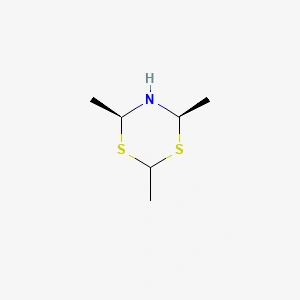
Thialdine, identified by CAS number 638-17-5, is a heterocyclic organic compound belonging to the 1,3,5-dithiazine family. Chemically known as 5,6-dihydro-2,4,6-trimethyl-1,3,5-dithiazine, this substance typically presents as a white to pale yellow crystalline solid. It is characterized by its unique molecular structure, which incorporates both sulfur and nitrogen atoms within a six-membered ring, contributing to its distinct

Thialdine Read More »

2-Hydroxymethylbenzoic acid, gamma-lactone

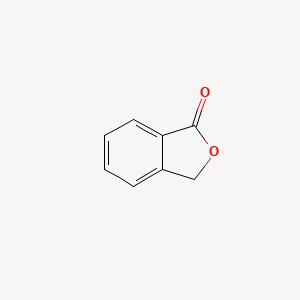
2-Hydroxymethylbenzoic acid, gamma-lactone, commonly known as phthalide, is a bicyclic organic compound characterized by a benzene ring fused to a five-membered lactone ring. It typically presents as a white to pale yellow crystalline solid and serves as the internal ester of 2-hydroxymethylbenzoic acid. This compound is valued for its stability and specific reactivity, particularly its

2-Hydroxymethylbenzoic acid, gamma-lactone Read More »

Pyrazine, 2-methoxy-3-(1-methylethyl)-

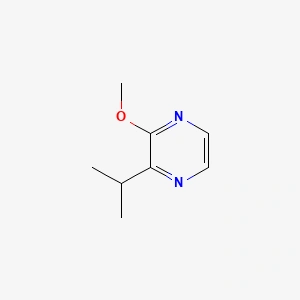
Pyrazine, 2-methoxy-3-(1-methylethyl)-, commonly referred to as 2-isopropyl-3-methoxypyrazine, is a highly potent heterocyclic organic compound characterized by its distinct and powerful aromatic profile. As a member of the methoxypyrazine family, this chemical exhibits a remarkably low odor threshold, making it detectable even at extremely low concentrations. It appears as a colorless to pale yellow liquid and

Pyrazine, 2-methoxy-3-(1-methylethyl)- Read More »

2,4-Octadienal, (2E,4E)-

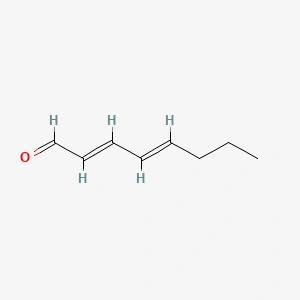
(2E,4E)-2,4-Octadienal, identified by CAS number 30361-28-5, is an unsaturated aliphatic aldehyde characterized by its distinct and potent organoleptic profile. Naturally occurring in various food items such as cooked poultry, fish, and certain vegetable oils, this compound is valued for its fatty, nutty, and slightly cucumber-like aroma. Chemically, it exists as a clear to pale yellow

2,4-Octadienal, (2E,4E)- Read More »

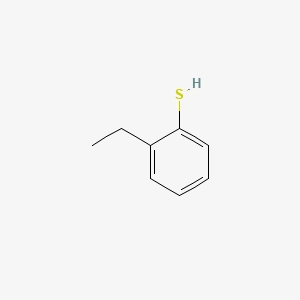
2-ethylbenzene-1-thiol

2-Ethylbenzene-1-thiol, identified by CAS number 4500-58-7, is an organosulfur compound characterized by its distinct mercaptan odor and clear to pale yellow liquid appearance. As an ethyl-substituted derivative of thiophenol, it exhibits the typical reactivity of aromatic thiols, including susceptibility to oxidation and nucleophilic substitution. This molecule serves as a versatile building block in organic chemistry,

2-ethylbenzene-1-thiol Read More »

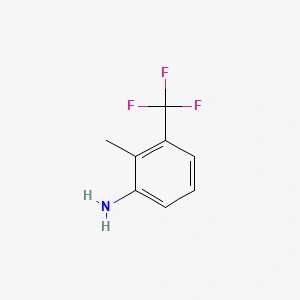
2-Methyl-3-(trifluoromethyl)aniline

2-Methyl-3-(trifluoromethyl)aniline, identified by CAS number 54396-44-0, is a specialized aromatic amine characterized by the presence of both a methyl group and a trifluoromethyl substituent on the benzene ring. This specific substitution pattern imparts unique electronic and steric properties to the molecule, making it a highly sought-after building block in organic synthesis. As a derivative of

2-Methyl-3-(trifluoromethyl)aniline Read More »

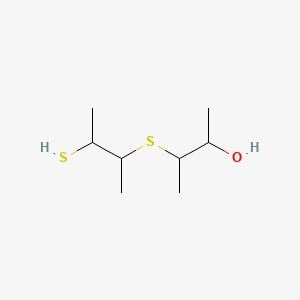
3-[(2-Mercapto-1-methylpropyl)thio]-2-butanol

3-[(2-Mercapto-1-methylpropyl)thio]-2-butanol, identified by CAS number 54957-02-7, is a specialized organosulfur compound characterized by its unique molecular structure containing both thiol and thioether functional groups alongside a secondary alcohol. This liquid chemical is recognized for its potent organoleptic properties, exhibiting a distinct aroma profile that is highly valued in the creation of complex flavor and fragrance

3-[(2-Mercapto-1-methylpropyl)thio]-2-butanol Read More »

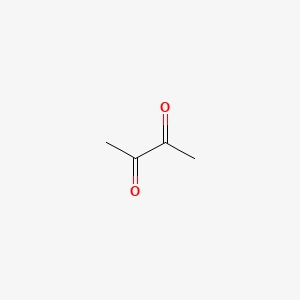
Butanedione

Butanedione, also identified as 2,3-butanedione or diacetyl, is a vicinal diketone characterized by its intense, buttery aroma and yellowish-green liquid appearance. As a naturally occurring byproduct of fermentation, it is found in various dairy products and alcoholic beverages. Chemically, it is highly reactive due to its adjacent carbonyl groups, making it a valuable intermediate in

Butanedione Read More »

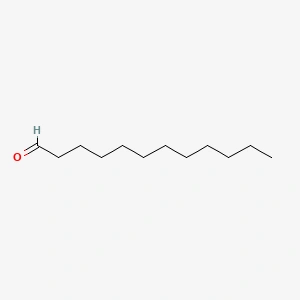
Dodecyl aldehyde

Dodecyl aldehyde, also known as dodecanal or lauric aldehyde, is a saturated fatty aldehyde represented by the chemical formula C12H24O. It occurs naturally in various essential oils, such as citrus and coriander, and is characterized by its distinct waxy, floral, and citrus-like aroma. At room temperature, it typically appears as a colorless to pale yellow

Dodecyl aldehyde Read More »

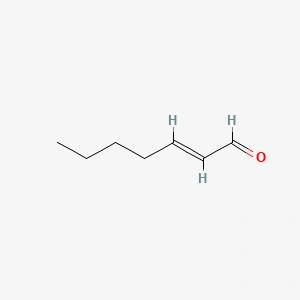
2-Heptenal

2-Heptenal, identified by CAS number 18829-55-5, is an unsaturated aliphatic aldehyde characterized by its distinctive organoleptic profile. This clear to pale yellow liquid is naturally occurring in various fruits, vegetables, and essential oils, contributing to the complex aromatic signatures of many biological systems. Chemically, it features a seven-carbon chain with a double bond at the

2-Heptenal Read More »

REQUEST A QUOTE

Product Inquiry — Popup Form