English | 中文 | Español

Chemical Products

Barium fluoride

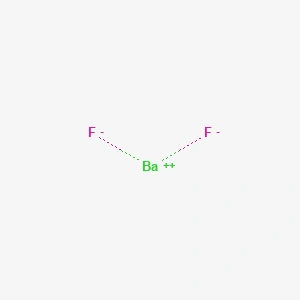
Barium fluoride, identified by CAS number 7787-32-8, is an inorganic compound appearing as a white crystalline powder or transparent cubic crystal. It is characterized by its relatively low solubility in water and high stability under various environmental conditions. As an alkaline earth metal halide, it possesses a high density and a wide bandgap, making it
Barium fluoride Read More »

Isopropyl acetate

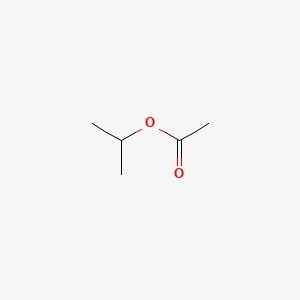
Isopropyl acetate, identified by CAS number 108-21-4, is a clear, colorless liquid ester characterized by its distinct fruity odor. As a fast-evaporating organic solvent, it is produced through the esterification of acetic acid and isopropanol. Its chemical profile features a low boiling point and moderate polarity, making it highly effective at dissolving a wide variety

Isopropyl acetate Read More »

Potassium tetrafluoroaluminate

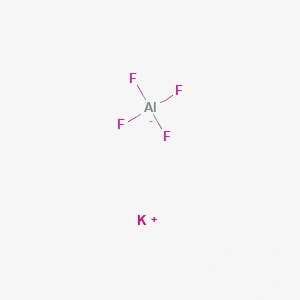
Potassium tetrafluoroaluminate, identified by CAS number 14484-69-6, is a specialized inorganic compound primarily utilized as a fluxing agent in metallurgical processes. Often appearing as a white or light gray crystalline powder, this salt is characterized by its stable chemical profile and its ability to lower the melting point of oxide layers on metal surfaces. Its

Potassium tetrafluoroaluminate Read More »

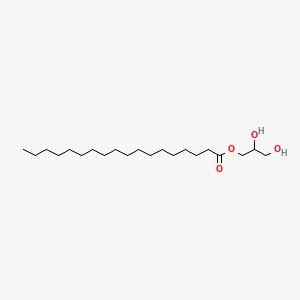
Glyceryl monostearate

Glyceryl monostearate, identified by CAS 31566-31-1, is a versatile organic compound widely utilized as a non-ionic surfactant and emulsifying agent. Chemically, it is a glycerol ester of stearic acid, typically appearing as a white, waxy, or flaky solid. Its amphiphilic nature, featuring both hydrophilic hydroxyl groups and a lipophilic hydrocarbon chain, allows it to effectively

Glyceryl monostearate Read More »

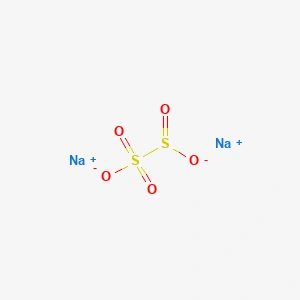
Sodium metabisulfite

Sodium metabisulfite, identified by CAS number 7681-57-4, is an inorganic chemical compound consisting of sodium, sulfur, and oxygen. Commonly appearing as a white crystalline powder or granular solid, it possesses a distinct, pungent sulfurous odor. As a potent reducing agent, it is highly valued for its ability to prevent oxidation and inhibit the growth of

Sodium metabisulfite Read More »

Potassium fluoride

Potassium fluoride, identified by CAS number 7789-23-3, is a prominent inorganic salt that serves as a primary source of fluoride ions in various industrial and laboratory settings. Typically appearing as a white, crystalline powder or solid, it is highly soluble in water and exhibits hygroscopic properties, meaning it readily absorbs moisture from the atmosphere. As

Potassium fluoride Read More »

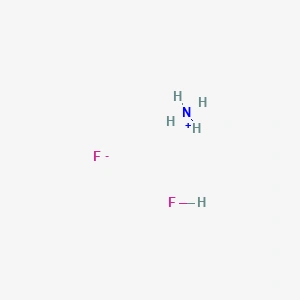
Ammonium bifluoride

Ammonium bifluoride, identified by CAS number 1341-49-7, is a versatile inorganic compound characterized by its white, crystalline appearance and strong acidic properties. As an acid salt derived from ammonium and hydrogen fluoride, it is highly soluble in water and exhibits significant reactivity toward silicate-based materials. This chemical is valued for its ability to provide a

Ammonium bifluoride Read More »

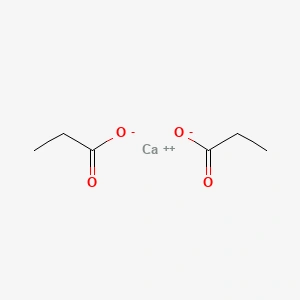
Calcium propionate

Calcium propionate, identified by CAS number 4075-81-4, is an organic salt formed by the reaction of calcium hydroxide with propionic acid. Appearing as a white crystalline powder or granulate, this compound is characterized by its distinct, slight odor and high solubility in water. It is chemically stable under standard storage conditions but exhibits hygroscopic properties,

Calcium propionate Read More »

Calcium pantothenate

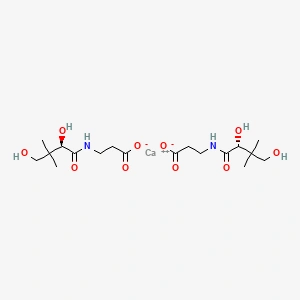
Calcium pantothenate, identified by CAS 137-08-6, is the calcium salt of the water-soluble vitamin B5, also known as pantothenic acid. It typically appears as a white, odorless, and slightly hygroscopic crystalline powder that exhibits high solubility in water and stability under standard atmospheric conditions. Chemically, it is a vital precursor in the biosynthesis of Coenzyme

Calcium pantothenate Read More »

Potassium tetrafluoroborate

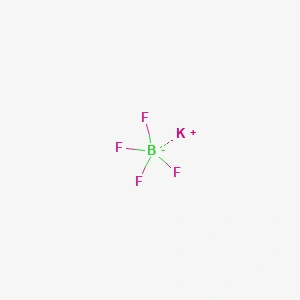
Potassium tetrafluoroborate, identified by CAS number 14075-53-7, is an inorganic chemical compound appearing as a white, crystalline powder or granular solid. It is characterized by its relative stability and low solubility in water compared to other fluoroborate salts. Chemically, it serves as a reliable source of boron and fluorine in various high-temperature industrial processes. In

Potassium tetrafluoroborate Read More »

Potassium hexafluorotitanate

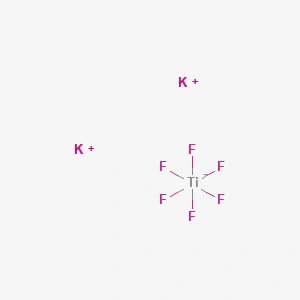
Potassium hexafluorotitanate, identified by CAS number 16919-27-0, is a significant inorganic coordination complex typically encountered as a white, odorless crystalline powder or granular solid. It is characterized by its thermal stability and its specific solubility profile, being readily soluble in hot water while remaining only sparingly soluble in cold water and inorganic acids. Chemically, the

Potassium hexafluorotitanate Read More »

Sodium bromide

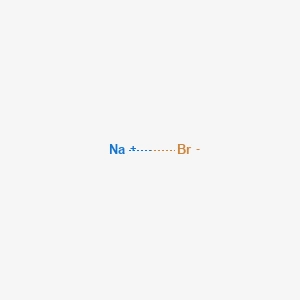
Sodium bromide, identified by CAS 7647-15-6, is a versatile inorganic compound appearing as a white, odorless, crystalline solid or powder. Known for its high solubility in water and hygroscopic nature, this alkali metal bromide serves as a primary source of the bromide ion in various industrial processes. It is chemically stable under standard conditions but

Sodium bromide Read More »

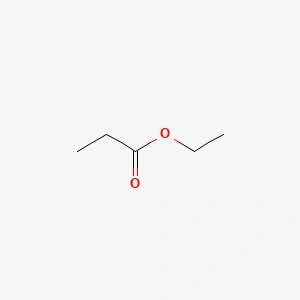
Ethyl propionate

Ethyl propionate, identified by CAS number 105-37-3, is a clear, colorless liquid ester formed by the condensation of propionic acid and ethanol. It is characterized by a distinctive, pleasant fruity aroma reminiscent of pineapple or rum, making it a prominent component in various sensory applications. Chemically, it exhibits moderate volatility and is miscible with most

Ethyl propionate Read More »

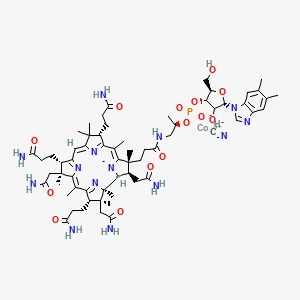
Cyanocobalamin

Cyanocobalamin, identified by CAS number 68-19-9, is a highly stable and common form of Vitamin B12, characterized by its distinct deep red crystalline appearance. As a complex coordination compound containing a central cobalt atom, it belongs to the cobalamin family. This material is widely recognized for its critical role in biological processes and is valued

Cyanocobalamin Read More »

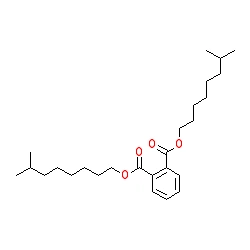
Diisodecyl Phthalate

Diisodecyl Phthalate (DIDP), identified by CAS 68515-48-0, is a high-molecular-weight phthalate ester characterized as a clear, oily, and virtually odorless liquid. Known for its exceptional thermal stability and low volatility, this chemical serves as a robust plasticizer in various industrial sectors. Its chemical structure allows for high compatibility with synthetic resins, providing a balance of

Diisodecyl Phthalate Read More »

Carbomer 940

Carbomer 940, identified by CAS 76050-42-5, is a high molecular weight cross-linked polyacrylate polymer widely utilized as a rheology modifier in various industrial and laboratory settings. It typically appears as a fine, white, and fluffy powder that exhibits significant hygroscopic properties. When dispersed in water and subsequently neutralized with an appropriate alkaline agent, it forms

Carbomer 940 Read More »

REQUEST A QUOTE

Product Inquiry — Popup Form