English | 中文 | Español

Chemical Products

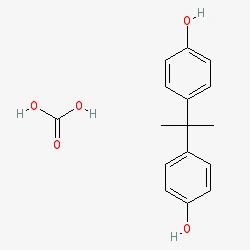
Polycarbonate

Polycarbonate (CAS 25037-45-0), specifically poly(bisphenol A carbonate), is a high-performance thermoplastic polymer renowned for its exceptional balance of physical and chemical properties. It is characterized by its high optical clarity, superior impact resistance, and significant thermal stability. As a linear polyester of carbonic acid, this material exhibits a unique combination of toughness and rigidity, making
Polycarbonate Read More »

Nylon 6

Nylon 6, also known by its chemical identity polycaprolactam and identified by CAS 25038-54-4, is a versatile semicrystalline polyamide synthesized through the ring-opening polymerization of epsilon-caprolactam. Unlike Nylon 6,6, which is formed from two monomers, Nylon 6 consists of a single monomer type, resulting in a distinct molecular structure that offers a lower melting point

Nylon 6 Read More »

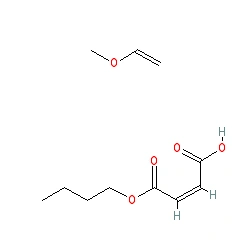
Methyl vinyl ether-monobutyl maleate copolymer

Methyl vinyl ether-monobutyl maleate copolymer, identified by CAS number 25119-68-0, is a versatile anionic copolymer widely utilized for its exceptional film-forming and adhesive properties. Chemically, it consists of alternating units of methyl vinyl ether and maleic acid, where a portion of the maleic acid groups is esterified with n-butanol. This specific structural configuration imparts a

Methyl vinyl ether-monobutyl maleate copolymer Read More »

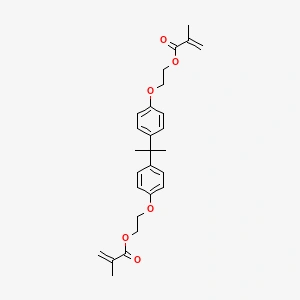
Bisphenol A ethoxylate dimethacrylate

Bisphenol A ethoxylate dimethacrylate, identified by CAS number 24448-20-2, is a versatile difunctional monomer widely utilized in the synthesis of high-performance polymers. Structurally, it consists of a bisphenol A core extended with ethylene oxide units and capped with methacrylate functional groups. This unique architecture balances the rigidity of the aromatic backbone with the flexibility provided

Bisphenol A ethoxylate dimethacrylate Read More »

Ethylene-vinyl acetate copolymer

Ethylene-vinyl acetate copolymer, identified by CAS 24937-78-8, is a versatile thermoplastic material produced through the copolymerization of ethylene and vinyl acetate monomers. This polymer is characterized by its remarkable flexibility, clarity, and low-temperature toughness, which can be finely tuned by adjusting the ratio of its constituent monomers. At lower vinyl acetate concentrations, the material exhibits

Ethylene-vinyl acetate copolymer Read More »

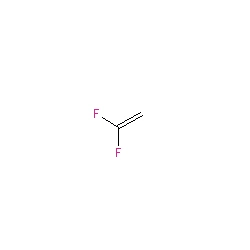
Poly(vinylidene fluoride)

Poly(vinylidene fluoride), commonly known as PVDF and identified by CAS 24937-79-9, is a highly non-reactive thermoplastic fluoropolymer produced by the polymerization of vinylidene difluoride. It is characterized by an exceptional balance of mechanical strength, thermal stability, and chemical resistance. As a semi-crystalline polymer, it maintains its structural integrity under exposure to harsh chemicals, UV radiation,

Poly(vinylidene fluoride) Read More »

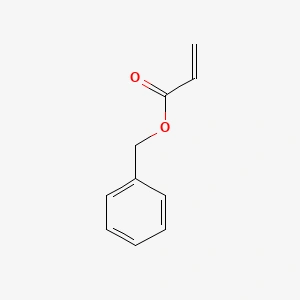
Benzyl acrylate

Benzyl acrylate (CAS 2495-35-4) is a specialized acrylic monomer characterized by its aromatic structure and high refractive index. As an ester of acrylic acid and benzyl alcohol, it presents as a clear, colorless liquid at room temperature. Its chemical profile combines the reactivity of the acrylate group with the stability and optical properties associated with

Benzyl acrylate Read More »

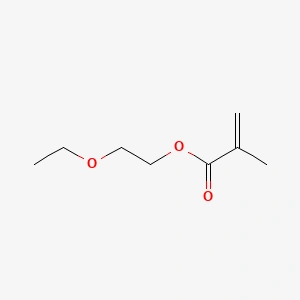
2-Ethoxyethyl methacrylate

2-Ethoxyethyl methacrylate, identified by CAS number 2370-63-0, is a versatile monofunctional methacrylate monomer characterized by its low volatility and relatively low odor profile compared to shorter-chain alkyl methacrylates. As a clear, colorless liquid, it serves as a critical building block in the synthesis of specialized acrylic polymers. The presence of the ethoxy group in its

2-Ethoxyethyl methacrylate Read More »

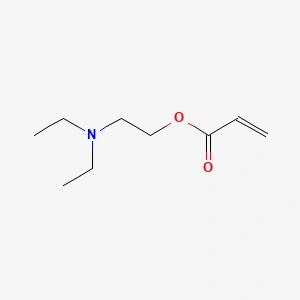
2-(Diethylamino)ethyl acrylate

2-(Diethylamino)ethyl acrylate, identified by CAS 2426-54-2, is a versatile functional monomer characterized by its tertiary amine group and reactive acrylate moiety. It typically appears as a clear, colorless to light yellow liquid and is known for its ability to introduce cationic functionality into polymer chains. This chemical structure allows it to participate in radical polymerization,

2-(Diethylamino)ethyl acrylate Read More »

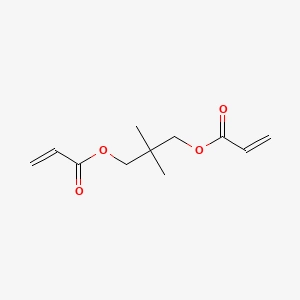
Neopentyl glycol diacrylate

Neopentyl glycol diacrylate, identified by CAS number 2223-82-7, is a prominent bifunctional monomer characterized by its low viscosity and high reactivity. As a clear, colorless liquid, it serves as an essential building block in the formulation of radiation-curable systems. Its chemical structure, featuring two acrylate groups attached to a neopentyl backbone, allows for efficient cross-linking

Neopentyl glycol diacrylate Read More »

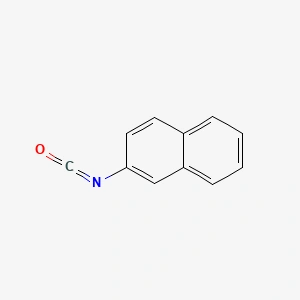
2-Naphthyl isocyanate

2-Naphthyl isocyanate, identified by CAS number 2243-54-1, is a specialized organic compound belonging to the isocyanate family. Structurally, it consists of a naphthalene ring system substituted with a highly reactive isocyanate functional group at the 2-position. This crystalline solid is recognized for its distinct reactivity profile, particularly its ability to undergo addition reactions with various

2-Naphthyl isocyanate Read More »

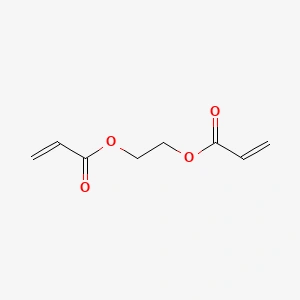
Ethylene diacrylate

Ethylene diacrylate, identified by CAS number 2274-11-5, is a bifunctional monomer characterized by its two reactive acrylate groups. As a clear, colorless liquid, it serves as a versatile building block in the synthesis of various polymeric materials. Its chemical structure, featuring an ethylene bridge between two ester functionalities, allows it to participate effectively in free-radical

Ethylene diacrylate Read More »

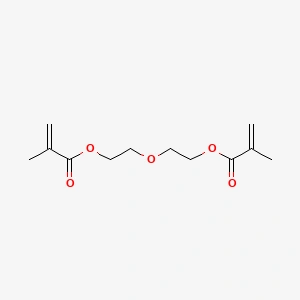
Diethylene glycol dimethacrylate

Diethylene glycol dimethacrylate, identified by CAS number 2358-84-1, is a versatile bifunctional monomer characterized by its low viscosity and high reactivity. As a methacrylic ester, it serves as an essential cross-linking agent in various polymerization processes. The molecule features two methacrylate groups separated by a diethylene glycol spacer, which imparts a unique balance of flexibility

Diethylene glycol dimethacrylate Read More »

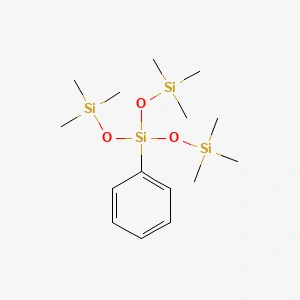
Phenyltris(trimethylsiloxy)silane

Phenyltris(trimethylsiloxy)silane, identified by CAS 2116-84-9, is a high-purity organosilicon compound characterized by its unique molecular structure featuring a central silicon atom bonded to a phenyl group and three trimethylsiloxy units. This specific arrangement confers excellent thermal stability and a high refractive index compared to standard dimethyl siloxanes. It typically presents as a clear, colorless to

Phenyltris(trimethylsiloxy)silane Read More »

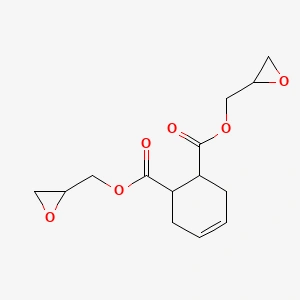
Diglycidyl 4-cyclohexene-1,2-dicarboxylate

Diglycidyl 4-cyclohexene-1,2-dicarboxylate, identified by CAS number 21544-03-6, is a high-performance cycloaliphatic epoxy resin characterized by its low viscosity and excellent reactivity. As a bifunctional epoxy monomer, it features two glycidyl groups attached to a cyclohexene ring structure via ester linkages. This unique molecular architecture provides a balance of structural rigidity and chemical flexibility, making it

Diglycidyl 4-cyclohexene-1,2-dicarboxylate Read More »

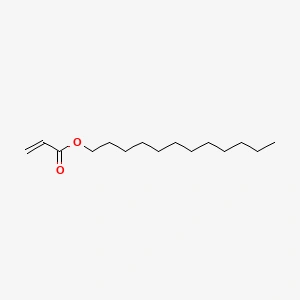
Dodecyl acrylate

Dodecyl acrylate, identified by CAS number 2156-97-0 and also known as lauryl acrylate, is a monofunctional monomer characterized by a long-chain hydrophobic alkyl group. This clear, low-volatility liquid belongs to the acrylate ester family and serves as a vital building block in the synthesis of various polymers and copolymers. Its long hydrocarbon chain provides unique

Dodecyl acrylate Read More »

REQUEST A QUOTE

Product Inquiry — Popup Form