English | 中文 | Español

Chemical Products

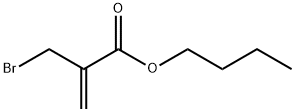
butyl 2 bromomethylacrylate 170216 64 5 structure

Butyl 2-(bromomethyl)acrylate

Butyl 2-(bromomethyl)acrylate, identified by CAS number 170216-64-5, is a specialized acrylate ester characterized by the presence of a reactive bromomethyl group at the alpha position of the acrylic backbone. This structural feature classifies it as a functionalized monomer and a versatile building block in organic synthesis. It typically appears as a clear to slightly yellow

Butyl 2-(bromomethyl)acrylate Read More »
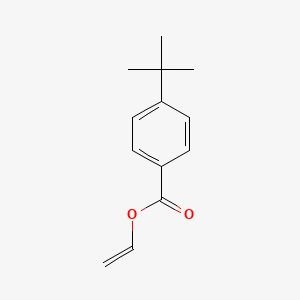
Vinyl 4-tert-butylbenzoate

Vinyl 4-tert-butylbenzoate, identified by CAS 15484-80-7, is a specialized vinyl ester monomer characterized by the presence of a bulky tert-butyl group on the para-position of the benzoate ring. This specific structural configuration imparts unique steric and electronic properties to the molecule, making it a valuable building block in contemporary polymer science. As a clear to

Vinyl 4-tert-butylbenzoate Read More »

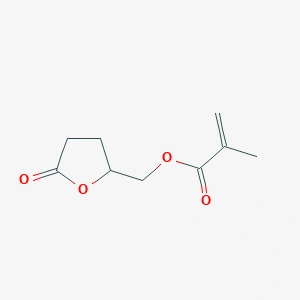
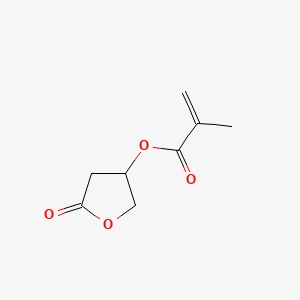
(5-Oxotetrahydrofuran-2-yl)methyl methacrylate

(5-Oxotetrahydrofuran-2-yl)methyl methacrylate, identified by CAS 156938-09-9, is a specialized functional monomer characterized by the integration of a methacrylate moiety with a gamma-butyrolactone ring. This unique chemical structure imparts high polarity and specific reactivity, making it a vital component in the synthesis of advanced acrylic polymers. As a clear to slightly yellowish liquid, it requires careful

(5-Oxotetrahydrofuran-2-yl)methyl methacrylate Read More »

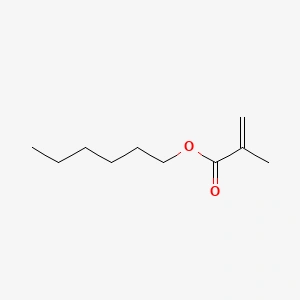
Hexyl methacrylate

Hexyl methacrylate, identified by CAS number 142-09-6, is a clear, colorless liquid monomer belonging to the methacrylate ester family. It is characterized by its hydrophobic nature and relatively low volatility compared to shorter-chain alkyl methacrylates. This chemical serves as a versatile building block in polymer chemistry, where it is primarily utilized to introduce flexibility and

Hexyl methacrylate Read More »

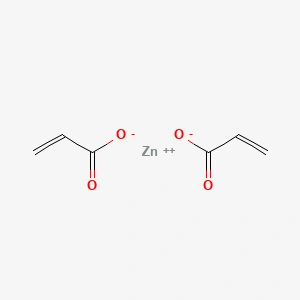
Zinc acrylate

Zinc acrylate, identified by CAS number 14643-87-9, is a metallic monomer and crosslinking agent primarily utilized in the synthesis and modification of high-performance polymers. Chemically, it exists as the zinc salt of acrylic acid, typically appearing as a white, crystalline powder. It is valued for its ability to introduce ionic crosslinking sites within polymer matrices,

Zinc acrylate Read More »

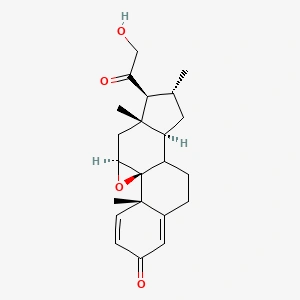
Epoxy desoximetasone

Epoxy desoximetasone, identified by CAS number 151265-33-7, is a specialized steroid derivative and a significant chemical intermediate within the corticosteroid class. Structurally, it is characterized by the presence of an epoxide group at the 9,11-position of the steroid nucleus, which distinguishes it from the parent anti-inflammatory compound, desoximetasone. This compound typically appears as a crystalline

Epoxy desoximetasone Read More »

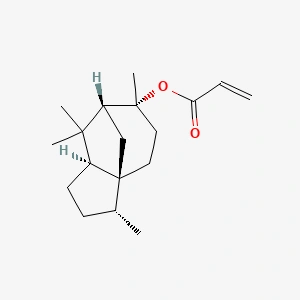
(3R,3aS,6R,7R,8aS)-3,6,8,8-Tetramethyloctahydro-1H-3a,7-methanoazulen-6-yl acrylate

(3R,3aS,6R,7R,8aS)-3,6,8,8-Tetramethyloctahydro-1H-3a,7-methanoazulen-6-yl acrylate, commonly known as Cedryl acrylate, is a specialized monofunctional monomer derived from the tricyclic sesquiterpene alcohol, cedrol. This compound features a bulky, rigid cedrane skeleton coupled with a reactive acrylate moiety. Its unique chemical architecture imparts specific physical properties, such as low shrinkage during polymerization and a high refractive index, making it a

(3R,3aS,6R,7R,8aS)-3,6,8,8-Tetramethyloctahydro-1H-3a,7-methanoazulen-6-yl acrylate Read More »

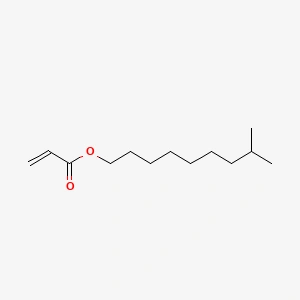
Isodecyl acrylate

Isodecyl acrylate, identified by CAS number 1330-61-6, is a monofunctional acrylic monomer characterized by its long-chain alkyl structure. This chemical raw material is a clear, colorless liquid at room temperature, offering a unique combination of low volatility and high hydrophobicity. Its chemical structure contributes to the development of polymers with a low glass transition temperature,

Isodecyl acrylate Read More »

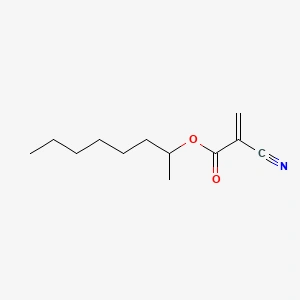
2-Octyl cyanoacrylate

2-Octyl cyanoacrylate, identified by CAS 133978-15-1, is a high-performance cyanoacrylate ester characterized by an eight-carbon alkyl chain. As a liquid monomer, it exhibits unique physical properties compared to shorter-chain analogs, such as methyl or ethyl cyanoacrylates. The extended octyl chain contributes to a polymerized structure that is notably more flexible and resilient, offering improved impact

2-Octyl cyanoacrylate Read More »

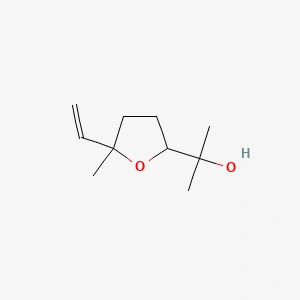
Linalool oxide

Linalool oxide, identified by CAS number 1365-19-1, is a naturally occurring cyclic ether that serves as a significant aromatic constituent in numerous botanical species. It is primarily derived from the oxidative degradation of linalool and is frequently encountered in essential oils such as lavender, geranium, and various tea extracts. Chemically, it exists as a mixture

Linalool oxide Read More »

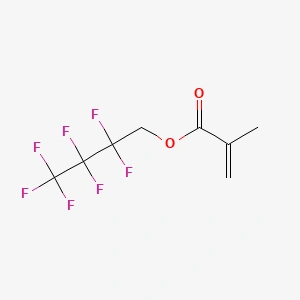
2,2,3,3,4,4,4-Heptafluorobutyl methacrylate

2,2,3,3,4,4,4-Heptafluorobutyl methacrylate, identified by CAS number 13695-31-3, is a specialized fluorinated monomer belonging to the acrylate ester family. This compound is characterized by its heptafluorobutyl side chain, which imparts unique physicochemical properties compared to standard hydrocarbon methacrylates. It typically appears as a clear, colorless liquid and is valued in high-performance material science for its ability

2,2,3,3,4,4,4-Heptafluorobutyl methacrylate Read More »

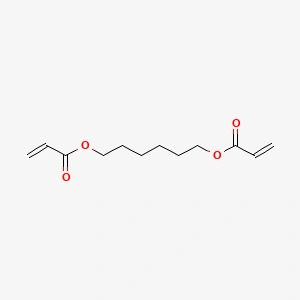
1,6-Hexanediol diacrylate

1,6-Hexanediol diacrylate, commonly known as HDDA, is a versatile bifunctional monomer characterized by its low viscosity and high reactivity. As a clear, colorless liquid, it serves as a critical component in the formulation of radiation-curable materials, including those processed via ultraviolet light or electron beam technology. The chemical structure consists of two acrylate groups linked

1,6-Hexanediol diacrylate Read More »

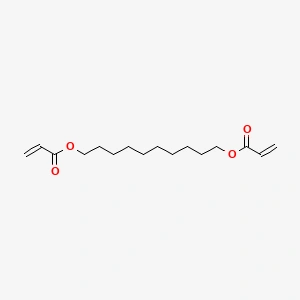
1,10-Decanediol diacrylate

1,10-Decanediol diacrylate, identified by CAS 13048-34-5, is a bifunctional monomer characterized by its long-chain aliphatic structure. As a decamethylene-based acrylate, it exhibits a unique balance of low viscosity and low volatility, making it a versatile building block in radiation-curable systems. Its molecular configuration, featuring two reactive acrylate groups separated by a ten-carbon backbone, allows for

1,10-Decanediol diacrylate Read More »

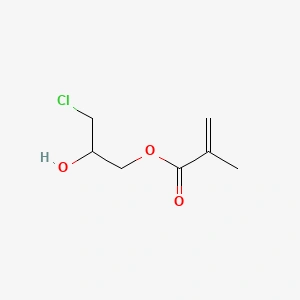
3-Chloro-2-hydroxypropyl methacrylate

3-Chloro-2-hydroxypropyl methacrylate, identified by CAS 13159-52-9, is a versatile specialty monomer characterized by its unique trifunctional structure. It combines a reactive methacrylate group with a secondary hydroxyl group and a terminal chlorine atom. This chemical profile allows the molecule to participate in free-radical polymerization while providing additional sites for cross-linking or chemical modification. As a

3-Chloro-2-hydroxypropyl methacrylate Read More »

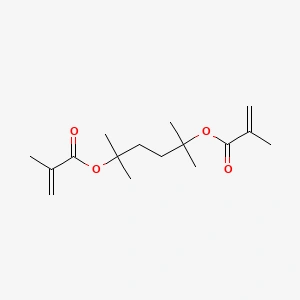
2,5-Dimethylhexane-2,5-diyl bis(2-methylacrylate)

2,5-Dimethylhexane-2,5-diyl bis(2-methylacrylate), identified by CAS 131787-39-8, is a specialized bifunctional monomer characterized by its unique branched aliphatic structure. This compound features two methacrylate functional groups attached to a 2,5-dimethylhexane backbone, providing a distinct combination of reactivity and structural rigidity. As a crosslinking agent, it is valued for its ability to enhance the mechanical and thermal

2,5-Dimethylhexane-2,5-diyl bis(2-methylacrylate) Read More »

REQUEST A QUOTE

Product Inquiry — Popup Form