English | 中文 | Español

Chemical Products

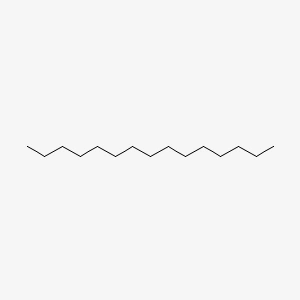
Pentadecane 629 62 9 Structure

Pentadecane

Pentadecane (CAS: 629-62-9) is a straight-chain C15 alkane supplied as a clear, colourless liquid with a very low odour and excellent chemical stability. As a saturated hydrocarbon it is non-polar, non-reactive and compatible with most organic systems, which makes it useful as a solvent, diluent and carrier. It is also a common reference standard for
Pentadecane Read More »

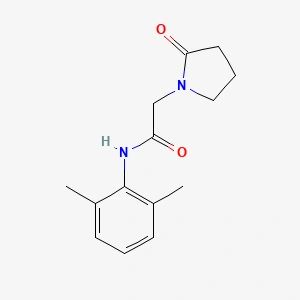
Nefiracetam 77191 36 7 Structure

Nefiracetam

Nefiracetam (CAS: 77191-36-7) is a white crystalline pyrrolidinone derivative studied as a nootropic and anticonvulsant agent. Its structure combines a 2-oxopyrrolidine ring with a 2,6-dimethylphenyl amide group, giving good crystallinity and a well-defined purity profile for pharmaceutical work. The compound acts on cholinergic, GABAergic and NMDA-related systems, which is why it appears in neuroscience and

Nefiracetam Read More »

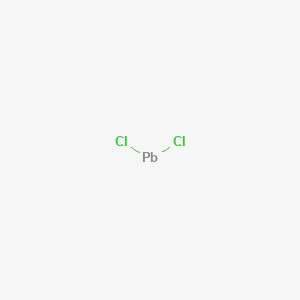
LeadII Chloride 7758 95 4 Structure

Lead(II) Chloride

Lead(II) Chloride (CAS: 7758-95-4) is a white crystalline lead salt with limited solubility in cold water and good solubility in hot water and chloride-containing solutions. That solubility behaviour makes it easy to purify, and the compound is a well-defined, low-cost source of lead(II) ions. Its main modern role is as a precursor for lead-containing functional

Lead(II) Chloride Read More »

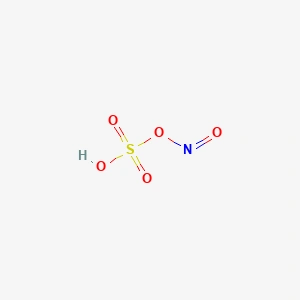
Nitrosylsulfuric Acid 7782 78 7 Structure

Nitrosylsulfuric Acid

Nitrosylsulfuric Acid (CAS: 7782-78-7) is a strong nitrosating agent normally supplied as a 40% solution in sulfuric acid. It delivers nitrosonium ions efficiently and cleanly, so it is the reagent of choice for diazotisation and nitrosation steps in aqueous or acidic media. In dye and pigment manufacturing it converts aromatic amines into diazonium salts that

Nitrosylsulfuric Acid Read More »

PalladiumII Iodide 7790 38 7 Structure

Palladium(II) Iodide

Palladium(II) Iodide (CAS: 7790-38-7) is a dark, crystalline palladium salt that is essentially insoluble in water and common organic solvents. Because it is a defined compound with a reproducible palladium content, it is used as a reliable metal source for the preparation of supported and homogeneous palladium catalysts, including hydrogenation and cross-coupling systems. Iodide-containing routes

Palladium(II) Iodide Read More »

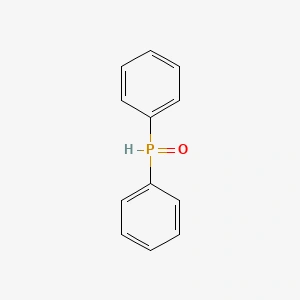
Diphenylphosphine Oxide 4559 70 0 Structure

Diphenylphosphine Oxide

Diphenylphosphine Oxide (CAS: 4559-70-0) is a white crystalline secondary phosphine oxide that behaves as a versatile phosphorus building block. The P–H bond is reactive enough for nucleophilic addition, metalation and radical chemistry, yet the oxidised phosphorus centre keeps the compound air-stable and easy to handle compared with free phosphines. It is used to introduce diphenylphosphoryl

Diphenylphosphine Oxide Read More »

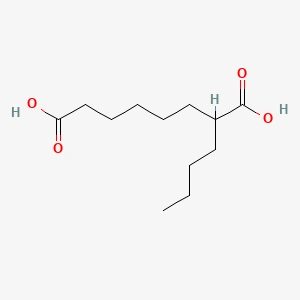
2 Butyloctanedioic Acid 50905 10 7 Structure

2-Butyloctanedioic Acid

2-Butyloctanedioic Acid (CAS: 50905-10-7) is a branched dibasic acid supplied as a white waxy solid. The two carboxylic acid groups react readily with diols and diamines, while the butyl branch interrupts chain packing and introduces internal flexibility, which is useful when a softer or more soluble polyester is wanted. It is mainly used as a

2-Butyloctanedioic Acid Read More »

Thimerosal 54 64 8 Structure

Thimerosal

Thimerosal (CAS: 54-64-8) is a white, water-soluble organomercury compound that acts as an antimicrobial preservative at very low use levels. It prevents bacterial and fungal growth in multi-dose aqueous preparations, which is why it has long been used in vaccine and ophthalmic formulations and in laboratory reagent preservation. The product is supplied to pharmacopoeial assay

Thimerosal Read More »

3 Bromopropionic Acid 590 92 1 Structure

3-Bromopropionic Acid

3-Bromopropionic Acid (CAS: 590-92-1) is a short-chain bromocarboxylic acid supplied as a white crystalline solid. Both ends of the molecule are reactive: the acid group forms esters, amides and salts, and the primary bromide undergoes nucleophilic substitution, so the compound efficiently installs a two-carbon acidic spacer into a target structure. It is used to make

3-Bromopropionic Acid Read More »

5 Methoxytryptamine 608 07 1 Structure

5-Methoxytryptamine

5-Methoxytryptamine (CAS: 608-07-1) is an off-white crystalline indole amine closely related to serotonin, in which the phenolic hydroxyl group is methylated. It is a widely used building block in medicinal chemistry: the primary amine can be acylated, alkylated or cyclised, and the indole ring can be functionalised to give melatonin-type and other indole alkaloid structures.

5-Methoxytryptamine Read More »

RhodiumIII Iodide 15492 38 3 Structure

Rhodium(III) Iodide

Rhodium(III) Iodide (CAS: 15492-38-3) is a dark, crystalline rhodium salt that is practically insoluble in water and only sparingly soluble in common organic solvents. It is used as a defined, high-purity rhodium source where an iodide route is preferred over chlorides, for example when halide exchange or iodide-mediated chemistry is required. Customers value the predictable

Rhodium(III) Iodide Read More »

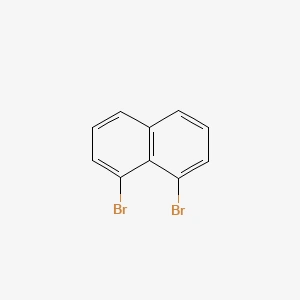
18 Dibromonaphthalene 17135 74 9 Structure

1,8-Dibromonaphthalene

1,8-Dibromonaphthalene (CAS: 17135-74-9) is a rigid, peri-substituted aromatic dibromide supplied as a white crystalline powder. The two bromine atoms sit close together on the naphthalene core, so they can be replaced selectively through cross-coupling, halogen–metal exchange or Grignard chemistry. That geometry makes the compound a useful building block for peri-functionalised ligands, fused ring systems and

1,8-Dibromonaphthalene Read More »

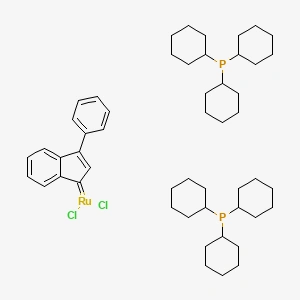
Grubbs Catalyst M101 250220 36 1 Structure

Grubbs Catalyst M101

Grubbs Catalyst M101 (CAS: 250220-36-1) is a first-generation ruthenium indenylidene metathesis catalyst in which two bulky tricyclohexylphosphine ligands stabilise the active ruthenium centre. It promotes ring-closing, ring-opening and cross metathesis under mild conditions and tolerates many functional groups, so it is widely chosen for well-defined, easily reproducible transformations. The indenylidene fragment provides good thermal stability,

Grubbs Catalyst M101 Read More »

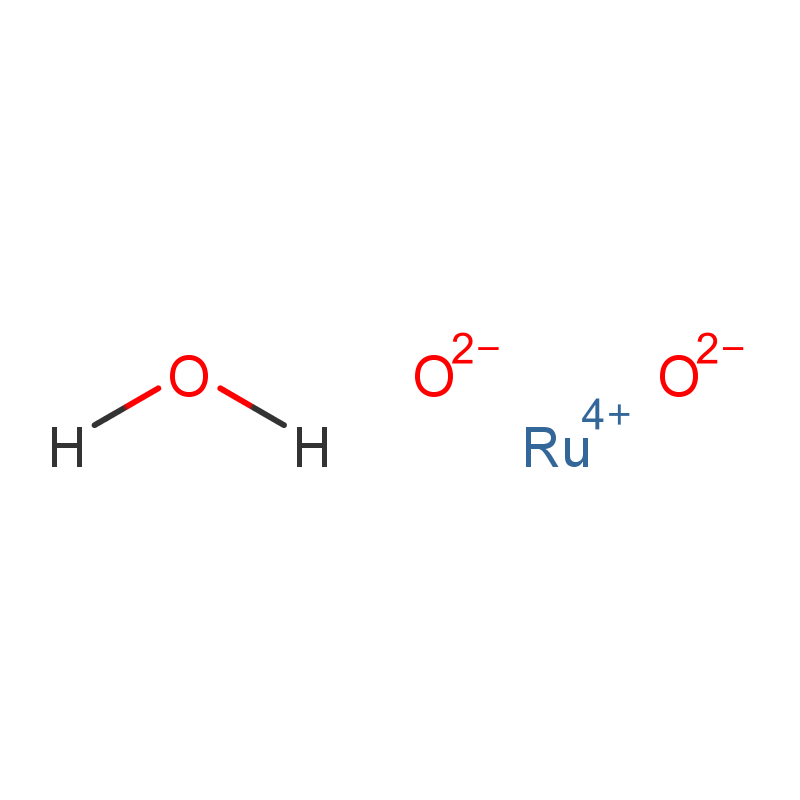
RutheniumIV Oxide Hydrate 32740 79 7 Structure

Ruthenium(IV) Oxide Hydrate

Ruthenium(IV) oxide hydrate (CAS 32740-79-7) is a black, high-purity hydrated ruthenium oxide. The water content makes the powder easier to disperse and gives higher effective surface area than the anhydrous oxide. It is a precursor for ruthenium tetraoxide and mixed ruthenium oxide formulations, and is used in electrochemistry, sensors and thick-film electronic materials.

Ruthenium(IV) Oxide Hydrate Read More »

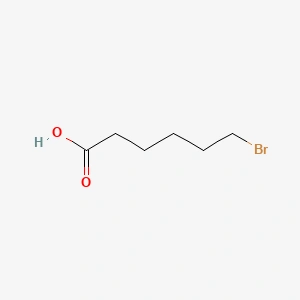
6 Bromohexanoic Acid 4224 70 8 Structure

6-Bromohexanoic Acid

6-Bromohexanoic Acid (CAS: 4224-70-8) is a straight-chain bromocarboxylic acid supplied as a white crystalline solid. It carries two different functional groups in one molecule: a reactive primary alkyl bromide and a carboxylic acid that can be esterified or converted into amides and salts. That combination makes it a practical spacer and linker building block for

6-Bromohexanoic Acid Read More »

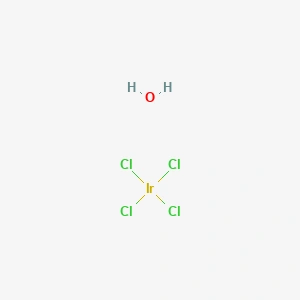
IridiumIV Chloride 119401 96 6 Structure

Iridium(IV) Chloride

Iridium(IV) chloride (CAS 119401-96-6) is also identified as iridium(IV) chloride hydrate, commonly represented as IrCl₄·xH₂O. IrCl₄ is the anhydrous formula with MW 334.03; the hydrate water content varies. This high-value inorganic iridium material is used chiefly as a precursor for other iridium compounds, catalysts, electroplating and materials research.

Iridium(IV) Chloride Read More »

REQUEST A QUOTE

Product Inquiry — Popup Form