English | 中文 | Español

Chemical Products

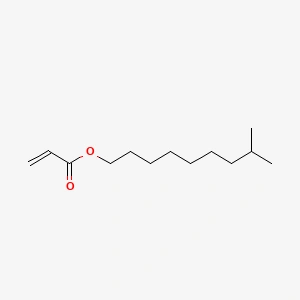
Isodecyl Acrylate 1330 61 6 Structure

Isodecyl acrylate

Isodecyl acrylate, identified by CAS number 1330-61-6, is a monofunctional acrylic monomer characterized by its long-chain alkyl structure. This chemical raw material is a clear, colorless liquid at room temperature, offering a unique combination of low volatility and high hydrophobicity. Its chemical structure contributes to the development of polymers with a low glass transition temperature,
Isodecyl acrylate Read More »

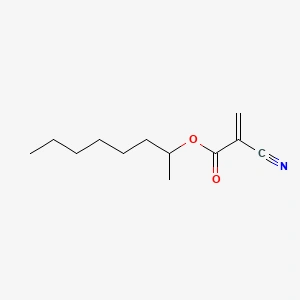
2 Octyl Cyanoacrylate 133978 15 1 Structure

2-Octyl cyanoacrylate

2-Octyl cyanoacrylate, identified by CAS 133978-15-1, is a high-performance cyanoacrylate ester characterized by an eight-carbon alkyl chain. As a liquid monomer, it exhibits unique physical properties compared to shorter-chain analogs, such as methyl or ethyl cyanoacrylates. The extended octyl chain contributes to a polymerized structure that is notably more flexible and resilient, offering improved impact

2-Octyl cyanoacrylate Read More »

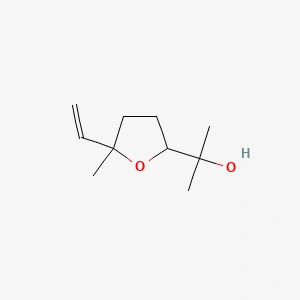
Linalool Oxide 1365 19 1 Structure

Linalool oxide

Linalool oxide, identified by CAS number 1365-19-1, is a naturally occurring cyclic ether that serves as a significant aromatic constituent in numerous botanical species. It is primarily derived from the oxidative degradation of linalool and is frequently encountered in essential oils such as lavender, geranium, and various tea extracts. Chemically, it exists as a mixture

Linalool oxide Read More »

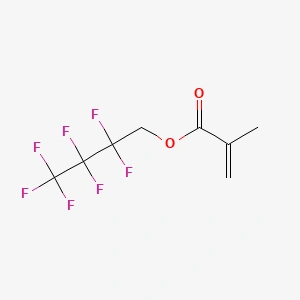
2233444 Heptafluorobutyl Methacrylate 13695 31 3 Structure

2,2,3,3,4,4,4-Heptafluorobutyl methacrylate

2,2,3,3,4,4,4-Heptafluorobutyl methacrylate, identified by CAS number 13695-31-3, is a specialized fluorinated monomer belonging to the acrylate ester family. This compound is characterized by its heptafluorobutyl side chain, which imparts unique physicochemical properties compared to standard hydrocarbon methacrylates. It typically appears as a clear, colorless liquid and is valued in high-performance material science for its ability

2,2,3,3,4,4,4-Heptafluorobutyl methacrylate Read More »

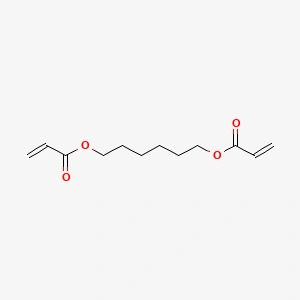
16 Hexanediol Diacrylate 13048 33 4 Structure

1,6-Hexanediol diacrylate

1,6-Hexanediol diacrylate, commonly known as HDDA, is a versatile bifunctional monomer characterized by its low viscosity and high reactivity. As a clear, colorless liquid, it serves as a critical component in the formulation of radiation-curable materials, including those processed via ultraviolet light or electron beam technology. The chemical structure consists of two acrylate groups linked

1,6-Hexanediol diacrylate Read More »

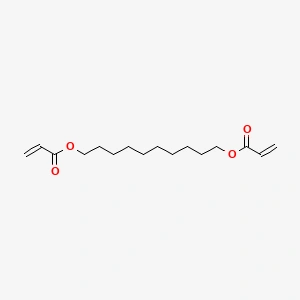
110 Decanediol Diacrylate 13048 34 5 Structure

1,10-Decanediol diacrylate

1,10-Decanediol diacrylate, identified by CAS 13048-34-5, is a bifunctional monomer characterized by its long-chain aliphatic structure. As a decamethylene-based acrylate, it exhibits a unique balance of low viscosity and low volatility, making it a versatile building block in radiation-curable systems. Its molecular configuration, featuring two reactive acrylate groups separated by a ten-carbon backbone, allows for

1,10-Decanediol diacrylate Read More »

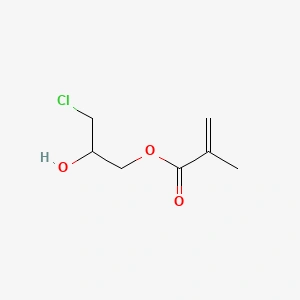
3 Chloro 2 Hydroxypropyl Methacrylate 13159 52 9 Structure

3-Chloro-2-hydroxypropyl methacrylate

3-Chloro-2-hydroxypropyl methacrylate, identified by CAS 13159-52-9, is a versatile specialty monomer characterized by its unique trifunctional structure. It combines a reactive methacrylate group with a secondary hydroxyl group and a terminal chlorine atom. This chemical profile allows the molecule to participate in free-radical polymerization while providing additional sites for cross-linking or chemical modification. As a

3-Chloro-2-hydroxypropyl methacrylate Read More »

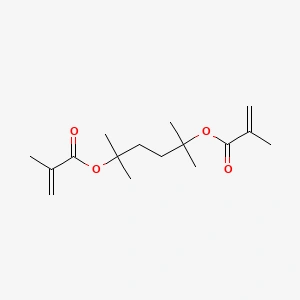
25 Dimethylhexane 25 Diyl Bis2 Methylacrylate 131787 39 8 Structure

2,5-Dimethylhexane-2,5-diyl bis(2-methylacrylate)

2,5-Dimethylhexane-2,5-diyl bis(2-methylacrylate), identified by CAS 131787-39-8, is a specialized bifunctional monomer characterized by its unique branched aliphatic structure. This compound features two methacrylate functional groups attached to a 2,5-dimethylhexane backbone, providing a distinct combination of reactivity and structural rigidity. As a crosslinking agent, it is valued for its ability to enhance the mechanical and thermal

2,5-Dimethylhexane-2,5-diyl bis(2-methylacrylate) Read More »

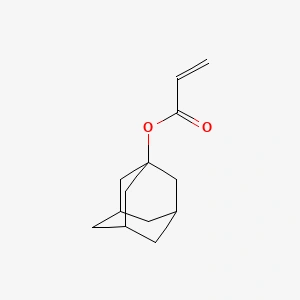
1 Adamantyl Acrylate 121601 93 2 Structure

1-Adamantyl acrylate

1-Adamantyl acrylate, identified by CAS 121601-93-2, is a specialized monomer characterized by the incorporation of a bulky, rigid adamantane cage structure into an acrylate ester framework. This unique molecular architecture imparts exceptional thermal stability and high glass transition temperatures to the resulting polymers. As a clear to pale yellow liquid or solid depending on purity

1-Adamantyl acrylate Read More »

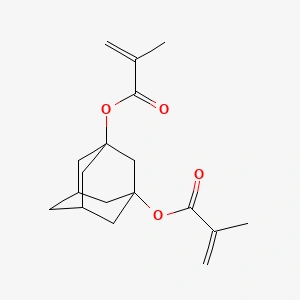
13 Adamantanediol Dimethacrylate 122066 43 7 Structure

1,3-Adamantanediol dimethacrylate

1,3-Adamantanediol dimethacrylate, identified by CAS 122066-43-7, is a specialized bifunctional monomer characterized by a rigid tricyclic adamantane core substituted with two methacrylate functional groups. This unique molecular architecture imparts exceptional thermal stability, high glass transition temperatures, and significant mechanical strength to the resulting polymers. As a high-purity chemical raw material, it is valued for its

1,3-Adamantanediol dimethacrylate Read More »

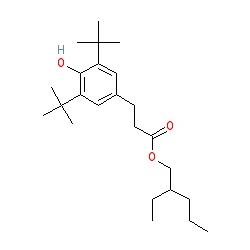
Antioxidant 1135 125643 61 0 Structure

Antioxidant 1135

Antioxidant 1135, identified by CAS 125643-61-0, is a high-molecular-weight hindered phenolic antioxidant primarily utilized for its excellent thermal stability and low volatility. Chemically, it consists of benzenepropanoic acid derivatives with branched alkyl chains, which contribute to its liquid state at room temperature. This physical form offers significant handling advantages in industrial environments, allowing for easy

Antioxidant 1135 Read More »

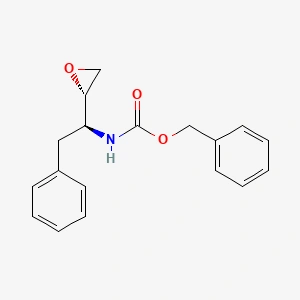
Benzyl S 1 S Oxiran 2 Yl 2 Phenylethylcarbamate 128018 44 0 Structure

Benzyl ((S)-1-((S)-oxiran-2-yl)-2-phenylethyl)carbamate

Benzyl ((S)-1-((S)-oxiran-2-yl)-2-phenylethyl)carbamate, also known as Cbz-L-phenylalanine epoxide, is a high-purity chiral intermediate widely utilized in the pharmaceutical industry. This compound features a carbobenzyloxy (Cbz) protecting group and a reactive epoxide moiety, making it a versatile building block for the synthesis of complex organic molecules. Its structural integrity and stereochemical purity are critical for downstream applications,

Benzyl ((S)-1-((S)-oxiran-2-yl)-2-phenylethyl)carbamate Read More »

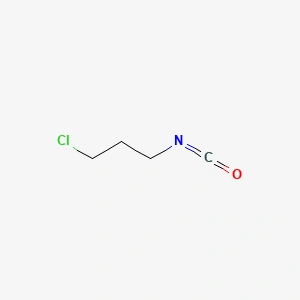
3 Chloropropyl Isocyanate 13010 19 0 Structure

3-Chloropropyl isocyanate

3-Chloropropyl isocyanate, identified by CAS number 13010-19-0, is a versatile organoisocyanate characterized by the presence of both a reactive isocyanate group and a terminal chlorine atom. This bifunctional nature makes it a valuable intermediate in organic synthesis, as it allows for sequential or simultaneous functionalization at two different reactive sites. The compound typically appears as

3-Chloropropyl isocyanate Read More »

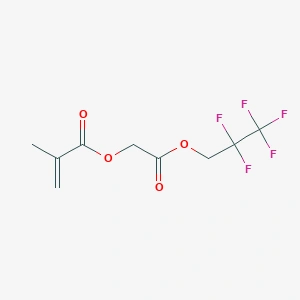
2 Oxo 2 22333 Pentafluoropropoxyethyl Methacrylate 1176273 16 7 Structure

2-Oxo-2-(2,2,3,3,3-pentafluoropropoxy)ethyl methacrylate

2-Oxo-2-(2,2,3,3,3-pentafluoropropoxy)ethyl methacrylate, identified by CAS number 1176273-16-7, is a specialized fluorinated monomer characterized by its unique ester linkage and high fluorine density. This chemical raw material integrates a pentafluoropropoxy group into a methacrylate framework, providing a versatile building block for advanced polymer synthesis. Its molecular architecture is specifically designed to impart distinct physicochemical properties, such

2-Oxo-2-(2,2,3,3,3-pentafluoropropoxy)ethyl methacrylate Read More »

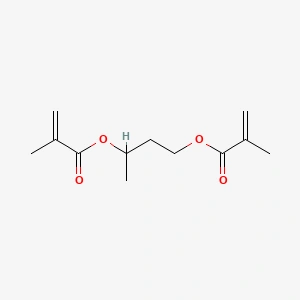
13 Butylene Glycol Dimethacrylate 1189 08 8 Structure

1,3-Butylene glycol dimethacrylate

1,3-Butylene glycol dimethacrylate, identified by CAS 1189-08-8, is a versatile bifunctional methacrylic monomer characterized by its low viscosity and high reactivity. As a clear, colorless liquid, it serves as an efficient crosslinking agent in various polymerization processes. Its chemical structure, featuring two methacrylate groups, allows for the formation of complex three-dimensional networks, which significantly enhances

1,3-Butylene glycol dimethacrylate Read More »

REQUEST A QUOTE

Product Inquiry — Popup Form