English | 中文 | Español

Chemical Products

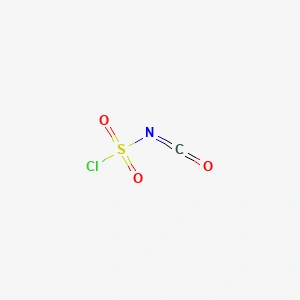
Chlorosulfonyl Isocyanate 1189 71 5 Structure

Chlorosulfonyl isocyanate

Chlorosulfonyl isocyanate, identified by CAS number 1189-71-5, is a highly versatile and reactive bifunctional reagent widely utilized in advanced organic synthesis. This colorless, mobile liquid is characterized by the presence of both an electrophilic isocyanate group and a chlorosulfonyl moiety, making it one of the most chemically active reagents available to synthetic chemists. Its unique

Chlorosulfonyl isocyanate Read More »
Amberlite LA 2 11128 96 4 Structure 1024x768

Amberlite LA-2

Amberlite LA-2, identified by CAS 11128-96-4, is a high-molecular-weight secondary amine frequently utilized as a liquid anion exchanger in various chemical processing environments. This oil-soluble, water-insoluble reagent is characterized by its branched-chain structure, which contributes to its stability and efficiency in complex separation processes. As a liquid ion exchange resin, it bridges the gap between

Amberlite LA-2 Read More »

Cholestyramine Resin 11041 12 6 Structure 1024x768

Cholestyramine resin

Cholestyramine resin is a strong basic anion-exchange resin, typically composed of a styrene-divinylbenzene copolymer with quaternary ammonium functional groups. It is primarily recognized for its ability to bind bile acids in the gastrointestinal tract, forming insoluble complexes that are subsequently excreted in the feces. This mechanism prevents the reabsorption of bile acids, thereby stimulating the

Cholestyramine resin Read More »

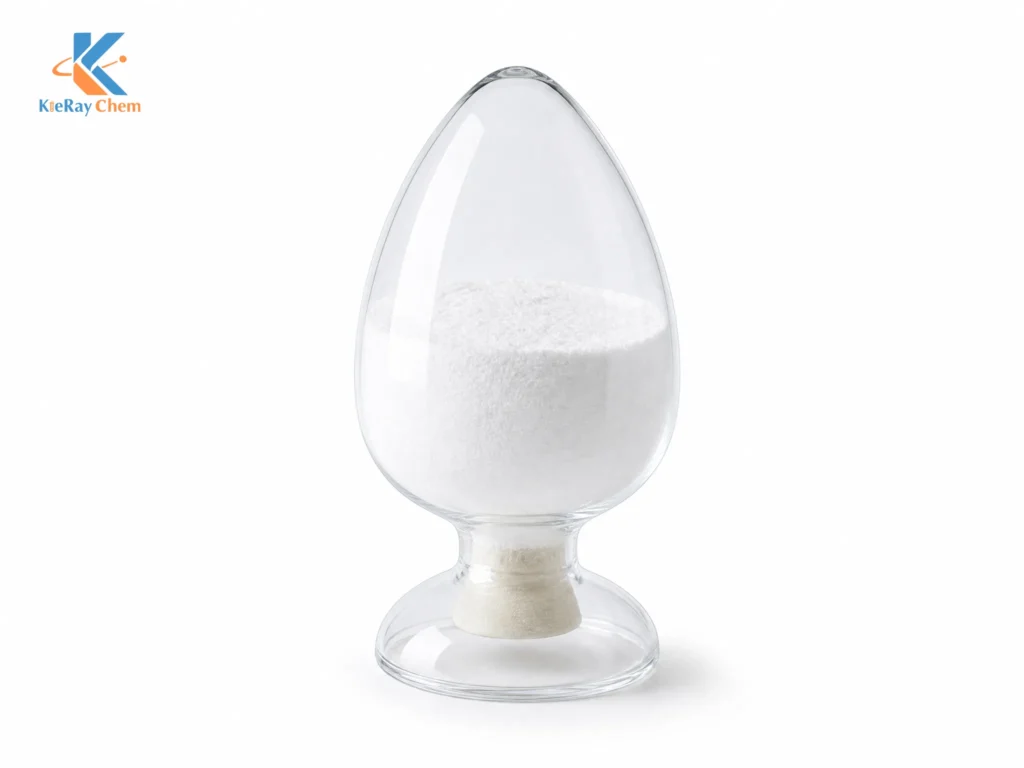
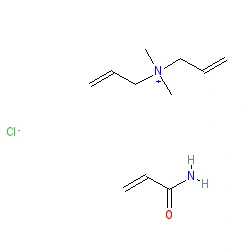
Polyquaternium 7 108464 53 5 Structure

Polyquaternium-7

Polyquaternium-7, identified by CAS number 108464-53-5, is a highly charged cationic copolymer synthesized from diallyldimethylammonium chloride and acrylamide. As a water-soluble polymer, it is valued in industrial chemistry for its ability to neutralize negative charges on various substrates. Its chemical structure allows it to form clear, continuous films, providing excellent lubricity and substantive properties without

Polyquaternium-7 Read More »

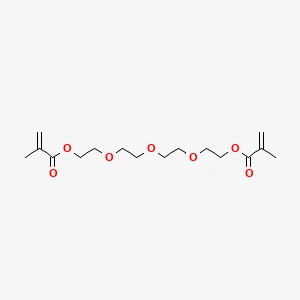
Tetraethylene Glycol Dimethacrylate 109 17 1 Structure

Tetraethylene glycol dimethacrylate

Tetraethylene glycol dimethacrylate, identified by CAS number 109-17-1, is a difunctional methacrylic monomer characterized by its relatively long, flexible ethylene oxide backbone. This clear, low-viscosity liquid serves as an effective crosslinking agent in various polymerization processes. Its chemical structure, featuring two reactive methacrylate groups separated by a tetraethylene glycol chain, allows it to bridge polymer

Tetraethylene glycol dimethacrylate Read More »

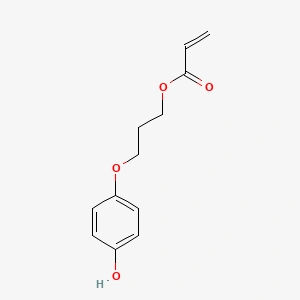
3 4 Hydroxyphenoxypropyl Acrylate 1092853 38 7 Structure

3-(4-Hydroxyphenoxy)propyl acrylate

3-(4-Hydroxyphenoxy)propyl acrylate, identified by CAS 1092853-38-7, is a specialized functional monomer characterized by its dual-reactive nature. It features an acrylate moiety capable of rapid free-radical polymerization alongside a phenolic hydroxyl group. This unique molecular architecture allows for the synthesis of polymers that retain reactive sites for post-polymerization modification or specific surface interactions. As a chemical

3-(4-Hydroxyphenoxy)propyl acrylate Read More »

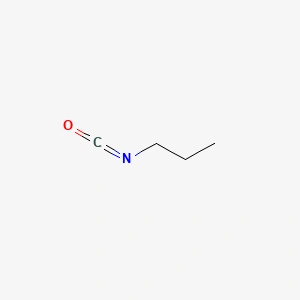
Propyl Isocyanate 110 78 1 Structure

Propyl isocyanate

Propyl isocyanate, identified by CAS number 110-78-1, is a highly reactive organic compound belonging to the isocyanate functional group. This clear, colorless liquid is characterized by its sharp, pungent odor and significant volatility. As a versatile building block in organic chemistry, it serves as a critical intermediate for the synthesis of various nitrogen-containing derivatives. Due

Propyl isocyanate Read More »

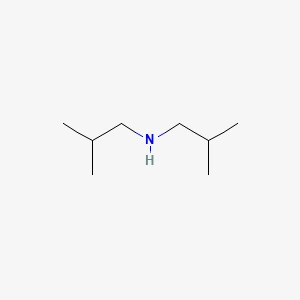
Diisobutylamine 110 96 3 Structure

Diisobutylamine

Diisobutylamine, identified by CAS 110-96-3, is a secondary aliphatic amine characterized by its distinct ammonia-like odor and colorless liquid appearance. As a branched-chain amine, it exhibits chemical reactivity typical of secondary amines, serving as a versatile building block in various organic synthesis pathways. It is known for its moderate volatility and flammability, requiring standard industrial

Diisobutylamine Read More »

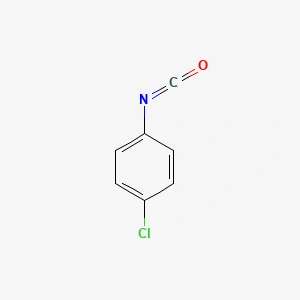
4 Chlorophenyl Isocyanate 104 12 1 Structure

4-Chlorophenyl isocyanate

4-Chlorophenyl isocyanate, identified by CAS number 104-12-1, is a versatile aromatic isocyanate characterized by a benzene ring substituted with both a chlorine atom and a highly reactive isocyanate functional group. This organic intermediate typically presents as a low-melting crystalline solid or a colorless to pale yellow liquid depending on ambient temperature. Its chemical structure makes

4-Chlorophenyl isocyanate Read More »
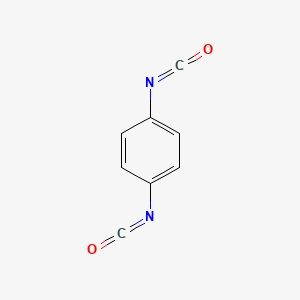
14 Phenylene Diisocyanate 104 49 4 Structure

1,4-Phenylene diisocyanate

1,4-Phenylene diisocyanate, commonly referred to as PPDI, is a high-purity aromatic diisocyanate characterized by its symmetrical and linear molecular structure. As a white crystalline solid at room temperature, it offers distinct chemical advantages over more common liquid diisocyanates. Its rigid para-substituted framework allows for the development of polymers with exceptionally high crystallinity and structural regularity,

1,4-Phenylene diisocyanate Read More »

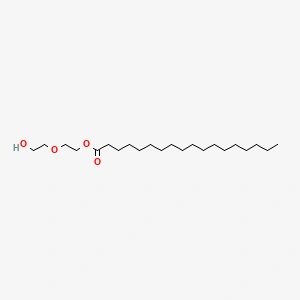
Polyethylene Glycol Monostearate 106 11 6 Structure

Polyethylene glycol monostearate

Polyethylene glycol monostearate, commonly referred to as PEG stearate, is a non-ionic surfactant and emulsifier synthesized through the esterification of polyethylene glycol with stearic acid. It typically presents as a white to off-white waxy solid, flakes, or paste, depending on the specific molecular weight of the polyethylene glycol chain. Due to its amphiphilic nature, this

Polyethylene glycol monostearate Read More »

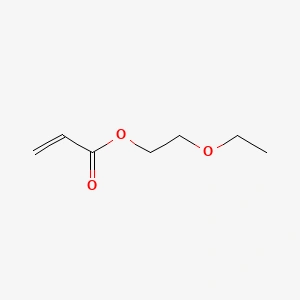
2 Ethoxyethyl Acrylate 106 74 1 Structure

2-Ethoxyethyl acrylate

2-Ethoxyethyl acrylate, identified by CAS number 106-74-1, is a versatile monofunctional acrylate monomer characterized by its unique combination of an ethyl ether group and a reactive acrylate moiety. As a clear, colorless liquid with low viscosity, it serves as a critical building block in the synthesis of various polymers and resins. Its chemical structure allows

2-Ethoxyethyl acrylate Read More »

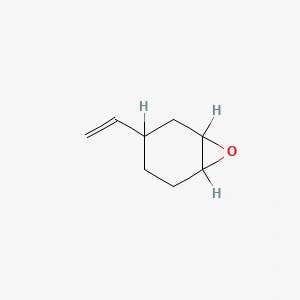
12 Epoxy 4 Vinylcyclohexane 106 86 5 Structure

1,2-Epoxy-4-vinylcyclohexane

1,2-Epoxy-4-vinylcyclohexane, identified by CAS 106-86-5, is a versatile cycloaliphatic epoxide monomer characterized by its dual functional groups. It features both a reactive oxirane ring and a terminal vinyl group attached to a cyclohexane backbone. This unique bifunctionality allows for selective chemical transformations, making it a valuable building block in the synthesis of complex organic molecules

1,2-Epoxy-4-vinylcyclohexane Read More »

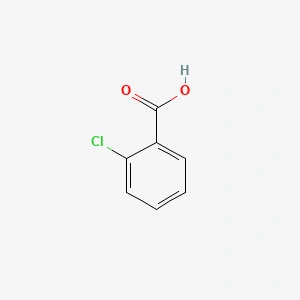
2 Chlorobenzoic Acid 118 91 2 Structure

2-Chlorobenzoic acid

2-Chlorobenzoic acid, identified by CAS number 118-91-2, is a significant organic building block characterized by its white to off-white crystalline appearance. As a chlorinated derivative of benzoic acid, this compound exhibits the typical reactivity of both a carboxylic acid and an aryl halide, making it a versatile reagent in various synthetic pathways. Its chemical stability

2-Chlorobenzoic acid Read More »

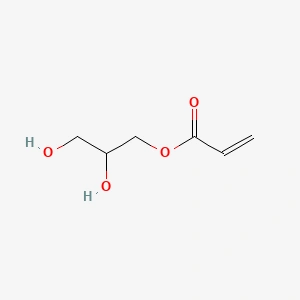
23 Dihydroxypropyl Acrylate 10095 20 2 Structure

2,3-Dihydroxypropyl acrylate

2,3-Dihydroxypropyl acrylate, identified by CAS 10095-20-2, is a versatile hydrophilic monomer characterized by the presence of a reactive acrylate group and two pendant hydroxyl groups. As a derivative of glycerol, this compound offers a unique combination of polymerizability and polarity, making it a valuable building block in the synthesis of specialized functional polymers. Its molecular

2,3-Dihydroxypropyl acrylate Read More »

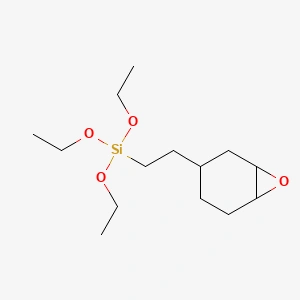
2 34 Epoxycyclohexylethyltriethoxysilane 10217 34 2 Structure

2-(3,4-Epoxycyclohexyl)ethyltriethoxysilane

2-(3,4-Epoxycyclohexyl)ethyltriethoxysilane, identified by CAS number 10217-34-2, is a high-performance bifunctional organosilane coupling agent. It features a reactive cycloaliphatic epoxy group and three hydrolyzable ethoxy groups. This unique chemical structure allows the molecule to bridge the gap between organic polymers and inorganic substrates, significantly enhancing the interfacial adhesion in composite materials. Unlike standard glycidoxy-functional silanes, the

2-(3,4-Epoxycyclohexyl)ethyltriethoxysilane Read More »

REQUEST A QUOTE

Product Inquiry — Popup Form