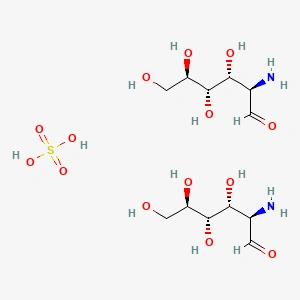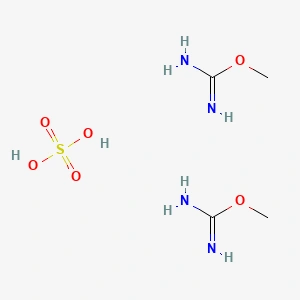
O-Methylisourea hemisulfate
O-Methylisourea hemisulfate Read More »

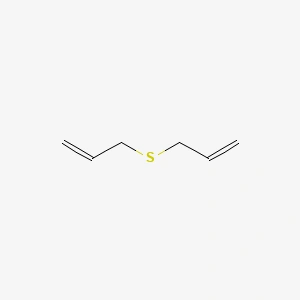
Diallyl Sulfide (CAS: 592-88-1) is a volatile sulfur compound that naturally occurs in garlic, onions, and other members of the Allium species. In its synthesized form, it presents as a colorless to pale yellow liquid characterized by a distinct garlic odor. The substance is traditionally prepared through the reaction of allyl bromide and sulfur within

Methyl Mercaptan (CAS: 74-93-1) is a colorless, low-boiling liquid or gas known for its sharp, distinctive odor. It occurs naturally in decaying organic matter and is generated as a byproduct during pulp and paper production via the Kraft process, as well as in oil refineries. The compound is denser than water and is recognized for
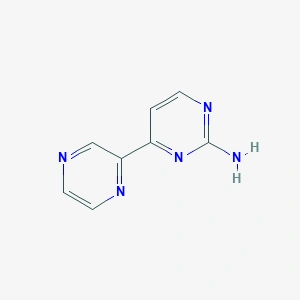
4-(2-Pyrazinyl)-2-pyrimidinamine (CAS: 874792-15-1) is a specialized heterocyclic organic compound containing both pyrazine and pyrimidine ring systems. It serves as a structural building block in organic synthesis and medicinal chemistry research. The molecule features an amine functional group on the pyrimidine ring, which facilitates further chemical transformations and the construction of complex molecular architectures in controlled
4-(2-Pyrazinyl)-2-pyrimidinamine Read More »
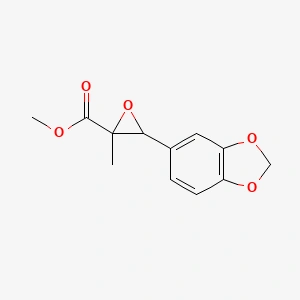
PMK Methyl Glycidate (CAS: 13605-48-6) is a specialized glycidate ester derivative containing a unique benzodioxole moiety. It typically presents as a white to off-white crystalline powder under standard conditions. As a highly regulated chemical entity, it is subject to strict monitoring and control by international authorities due to its specific structural properties and its recognized
PMK Methyl Glycidate Read More »
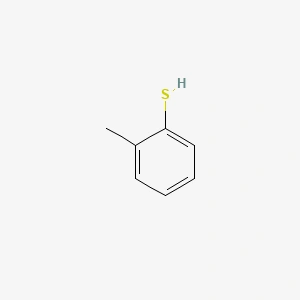
o-Toluenethiol (CAS: 137-06-4) is an aromatic thiol compound characterized by a methyl group adjacent to a sulfhydryl group on a benzene ring. It appears as a colorless to pale yellow liquid and possesses a highly distinctive, strong odor typical of mercaptans. This compound is valued for its specific reactivity and unique physical properties in various
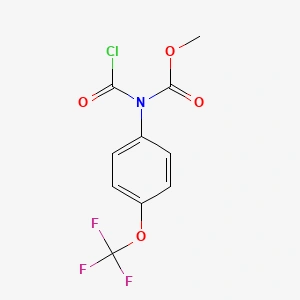
Methyl N-(chlorocarbonyl)-N-(4-(trifluoromethoxy)phenyl)carbamate (CAS: 173903-15-6) is a complex carbamate derivative featuring both a highly reactive chlorocarbonyl group and a trifluoromethoxy-substituted phenyl ring. It typically presents as a white to pale yellow solid under standard industrial conditions. The presence of multiple reactive functional groups makes it a highly versatile electrophilic reagent, prized for its utility in advanced
Methyl N-(chlorocarbonyl)-N-(4-(trifluoromethoxy)phenyl)carbamate Read More »
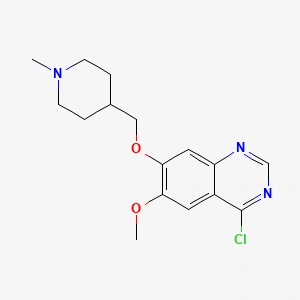
Vandetanib Impurity 1 (CAS: 264208-72-2) is a specialized quinazoline derivative characterized by specific chloro, methoxy, and methylpiperidinyl-methoxy substituents on its core ring structure. It typically presents as a white to off-white powder under standard laboratory conditions. As a specifically identified and characterized pharmaceutical impurity, it represents a critical reference material for rigorous quality control and
Vandetanib Impurity 1 Read More »
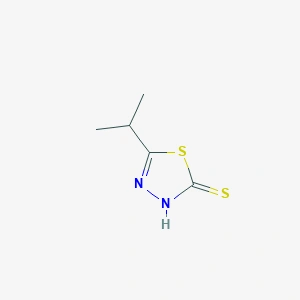
5-Isopropyl-1,3,4-thiadiazole-2-thiol (CAS: 37663-52-8) is a specialized heterocyclic organic compound featuring a five-membered thiadiazole ring substituted with an isopropyl group and a highly reactive thiol moiety. It generally presents as a white to pale yellow solid under standard conditions. This specific structural configuration provides unique coordinating abilities and distinct reactivity profiles that are highly suitable for
5-Isopropyl-1,3,4-thiadiazole-2-thiol Read More »
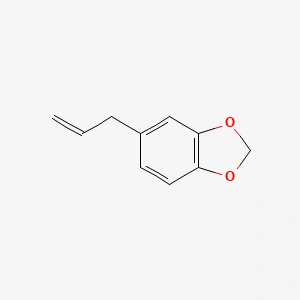
Safrole (CAS: 94-59-7) is a naturally occurring organic compound found in various essential oils, most notably in sassafras oil. It presents as a clear colorless to slightly yellow liquid with a characteristic aromatic odor. Historically recognized for its aromatic properties, it is now primarily handled in controlled industrial settings due to strict regulatory restrictions and
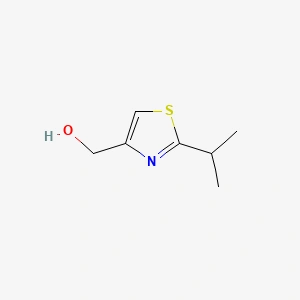
(2-Isopropylthiazol-4-yl)methanol (CAS: 133047-45-7) is a specialized heterocyclic compound featuring both a thiazole ring and an isopropyl substituent. It typically presents as a colorless to light yellow liquid or low-melting solid under standard laboratory conditions. This unique structural arrangement, combining a nitrogen-sulfur heterocycle with a versatile hydroxyl group, makes it a highly valuable building block in
(2-Isopropylthiazol-4-yl)methanol Read More »