English | 中文 | Español

Chemical Products

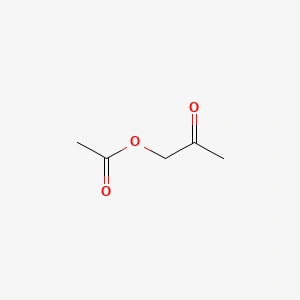
2 Oxopropyl Acetate 592 20 1 Structure

2-Oxopropyl acetate

2-Oxopropyl acetate (CAS: 592-20-1), also known as acetoxyacetone, is a bifunctional organic compound featuring both ester and ketone functional groups. It presents as a pale yellow to amber liquid characterized by a distinct nutty odor. This versatile chemical serves as an important intermediate and building block in various organic synthesis applications across the chemical manufacturing

2-Oxopropyl acetate Read More »
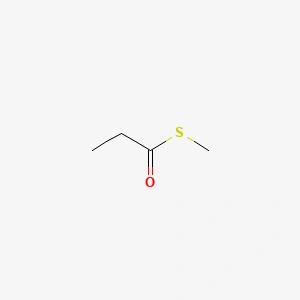
S Methyl Propanethioate 5925 75 7 Structure

S-Methyl Propanethioate

S-Methyl Propanethioate (CAS: 5925-75-7) is a colorless liquid thioester characterized by its distinct organoleptic profile, featuring a potent fruity and milk-like aroma. It is recognized for its valuable aromatic properties and is utilized as a specialized flavoring agent in accordance with JECFA guidelines. This compound is valued in the flavor industry for its ability to

S-Methyl Propanethioate Read More »

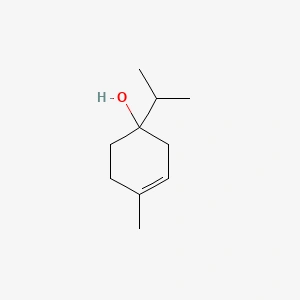
Terpinen 4 Ol 562 74 3 Structure

Terpinen-4-ol

Terpinen-4-ol (CAS: 562-74-3) is a naturally occurring terpene alcohol found in numerous botanical extracts, including tea tree oil. It presents as a colorless to pale yellow oily liquid, characterized by a complex olfactory profile featuring warm-peppery, mildly earthy, and musty-woody notes. This versatile compound is highly valued in the creation of herbaceous and lavender fragrances,

Terpinen-4-ol Read More »

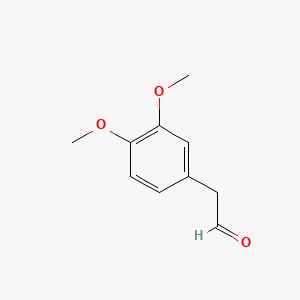
2 3 4 Dimethoxyphenyl Acetaldehyde 5703 21 9 Structure

2-(3,4-Dimethoxyphenyl)acetaldehyde

2-(3,4-Dimethoxyphenyl)acetaldehyde (CAS: 5703-21-9), also known as homoveratric aldehyde, is an aromatic aldehyde featuring a dimethoxy-substituted phenyl ring. As a specialized organic compound, it is primarily utilized as a building block in advanced chemical synthesis. The presence of both the reactive aldehyde functional group and the electron-rich dimethoxyphenyl moiety makes it a valuable intermediate for various

2-(3,4-Dimethoxyphenyl)acetaldehyde Read More »

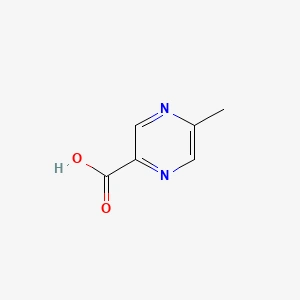
5 Methylpyrazine 2 Carboxylic Acid 5521 55 1 Structure

5-Methylpyrazine-2-carboxylic acid

5-Methylpyrazine-2-carboxylic acid (CAS: 5521-55-1) is a heterocyclic aromatic compound that typically presents as a white to light yellow powder. This specialized organic intermediate features a pyrazine ring substituted with both methyl and carboxylic acid functional groups. Its unique structural characteristics make it a highly valuable building block in advanced chemical synthesis, particularly in the development

5-Methylpyrazine-2-carboxylic acid Read More »

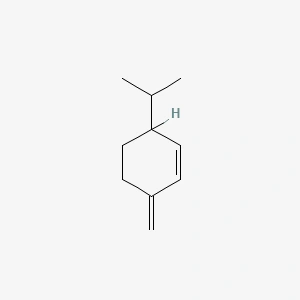
Beta Phellandrene 555 10 2 Structure

beta-Phellandrene

beta-Phellandrene (CAS: 555-10-2) is a naturally occurring monoterpene and essential oil component found in various botanical sources such as water fennel and Canada balsam. It presents as a liquid oil characterized by a pleasant, distinctive odor. As a cyclic terpene, it plays a significant role in the formulation of fragrances and aromatic profiles in consumer

beta-Phellandrene Read More »

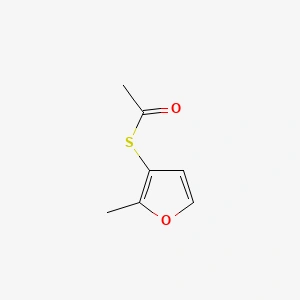
S 2 Methyl 3 Furyl Ethanethioate 55764 25 5 Structure

S-(2-Methyl-3-furyl) ethanethioate

S-(2-Methyl-3-furyl) ethanethioate (CAS: 55764-25-5) is a specialized organic compound widely recognized for its potent aromatic properties. It typically presents as a brownish liquid and is highly valued for its characteristic roasted meat aroma. This distinctive sensory profile makes it an essential ingredient in the food and beverage industry, where it is utilized to impart savory,

S-(2-Methyl-3-furyl) ethanethioate Read More »

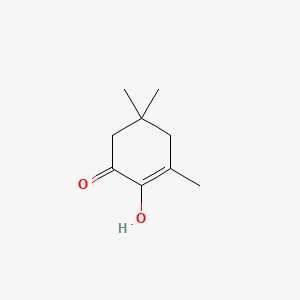
2 Hydroxy 3 5 5 Trimethylcyclohex 2 En 1 One 4883 60 7 Structure

2-Hydroxy-3,5,5-trimethylcyclohex-2-en-1-one

2-Hydroxy-3,5,5-trimethylcyclohex-2-en-1-one (CAS: 4883-60-7), also known as 2-hydroxyisophorone, is a cyclic enolone compound that presents as a colourless to pale yellow solid. This specialized organic chemical is recognized for its unique structural properties and sensory characteristics, which make it a valuable ingredient in the formulation of complex flavour profiles. The compound is manufactured to exacting standards

2-Hydroxy-3,5,5-trimethylcyclohex-2-en-1-one Read More »

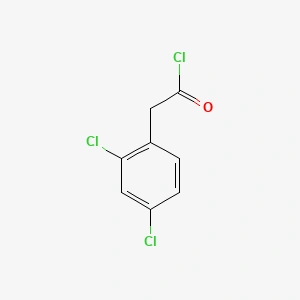
2 2 4 Dichlorophenyl Acetyl Chloride 53056 20 5 Structure

2-(2,4-Dichlorophenyl)acetyl chloride

2-(2,4-Dichlorophenyl)acetyl chloride (CAS: 53056-20-5) is a halogenated acyl chloride that typically presents as a moisture-sensitive, colourless to pale yellow liquid. This highly reactive organic intermediate is characterized by the presence of a 2,4-dichlorophenyl group attached to an acetyl chloride moiety. Its specific structural features make it a versatile and essential building block in advanced organic

2-(2,4-Dichlorophenyl)acetyl chloride Read More »

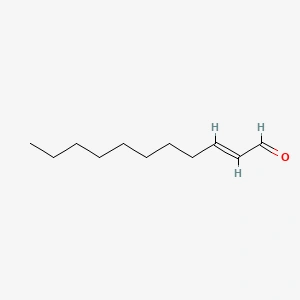
E Undec 2 Enal 53448 07 0 Structure

(E)-Undec-2-enal

(E)-Undec-2-enal (CAS: 53448-07-0) is an unsaturated aliphatic aldehyde that presents as a colourless to pale yellow liquid. This specialized organic compound is highly valued for its distinct olfactory properties, which are essential in the creation of sophisticated fragrance profiles. The material is carefully synthesized and purified to ensure a consistent and high-quality aromatic output, making

(E)-Undec-2-enal Read More »

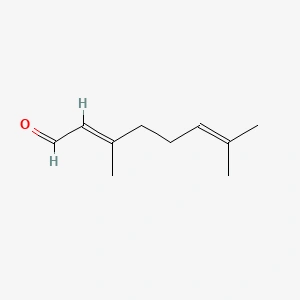
Citral 5392 40 5 Structure

Citral

Citral (CAS: 5392-40-5) is a naturally occurring aliphatic aldehyde that appears as a clear, pale yellow liquid with a strong, characteristic lemon-like odour. This versatile organic compound is a major component of several essential oils, including lemongrass and verbena. It is highly prized for its intense citrus aroma and flavour, making it a foundational ingredient

Citral Read More »

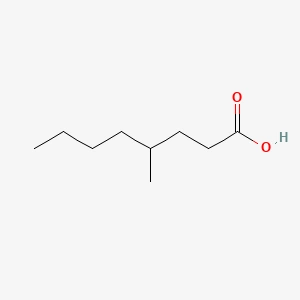
4 Methyloctanoic Acid 54947 74 9 Structure

4-Methyloctanoic acid

4-Methyloctanoic acid (CAS: 54947-74-9) is a branched-chain fatty acid that presents as a clear, colourless liquid characterized by a distinct goat, costus, and mutton-like odour. This specialized organic compound is recognized for its potent and unique sensory attributes, which are highly sought after in the creation of specific flavour and fragrance profiles. The product is

4-Methyloctanoic acid Read More »

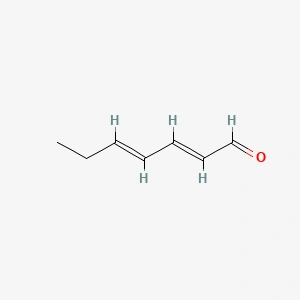
2E 4E 2 4 Heptadienal 4313 03 5 Structure

(2E,4E)-2,4-Heptadienal

(2E,4E)-2,4-Heptadienal, identified by CAS 4313-03-5, is an unsaturated aldehyde naturally occurring in various fats and oils, particularly those that have undergone oxidation. It is widely recognized for its potent and characteristic aroma, often described as fatty, oily, and reminiscent of fried foods or nuts. This compound plays a significant role in the flavor profile of

(2E,4E)-2,4-Heptadienal Read More »

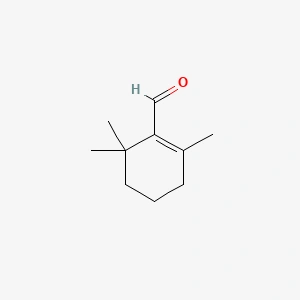
Beta Cyclocitral 432 25 7 Structure

beta-Cyclocitral

beta-Cyclocitral, identified by CAS: 432-25-7, is a cyclic monoterpene aldehyde that plays a significant role in the flavor and fragrance industry. It is a structural isomer of alpha-cyclocitral and is naturally found in various essential oils, including those from tomatoes, tea, and certain citrus fruits. This compound is characterized by its distinct cooling, herbal, and

beta-Cyclocitral Read More »

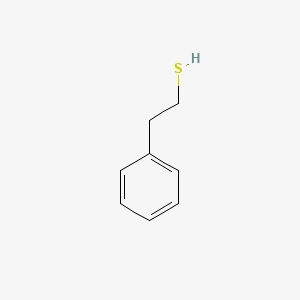
2 Phenylethanethiol 4410 99 5 Structure

2-Phenylethanethiol

2-Phenylethanethiol (CAS: 4410-99-5) is an organosulfur compound characterized by its potent and distinctive odor profile. Also known as phenethyl mercaptan, it is a clear to light yellow liquid at room temperature. This compound is structurally related to phenethyl alcohol but features a thiol group in place of the hydroxyl group, resulting in significantly different sensory

2-Phenylethanethiol Read More »

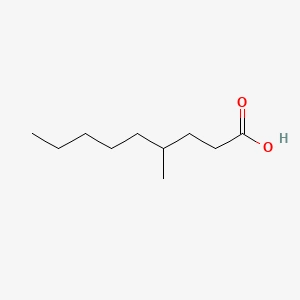
4 Methylnonanoic Acid 45019 28 1 Structure

4-Methylnonanoic acid

4-Methylnonanoic acid (CAS: 45019-28-1) is a branched-chain fatty acid that presents as a colourless to pale yellow liquid with a distinctive costus and animalic odour profile. This specialized organic compound is highly valued in the creation of unique aroma and flavour profiles, providing specific sensory characteristics to various formulations. The material is carefully processed to

4-Methylnonanoic acid Read More »

REQUEST A QUOTE

Product Inquiry — Popup Form