English | 中文 | Español

Chemical Products

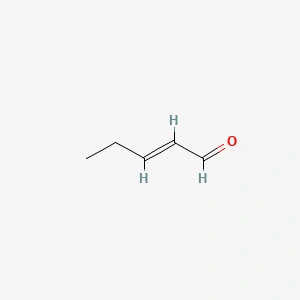
Trans 2 Pentenal 1576 87 0 Structure

trans-2-Pentenal

trans-2-Pentenal, identified by CAS: 1576-87-0, is an alpha,beta-unsaturated aldehyde characterized by a sharp, fruity, and green aroma profile. It occurs naturally in a wide variety of botanical sources, including strawberries, tomatoes, and various essential oils, where it contributes significantly to the complex flavor and aroma profiles of these natural products. As a volatile organic compound,
trans-2-Pentenal Read More »

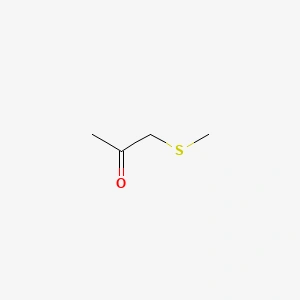
1 Methylthio 2 Propanone 14109 72 9 Structure

1-Methylthio-2-propanone

1-Methylthio-2-propanone, identified by CAS: 14109-72-9, is a specialized organic sulfur compound categorized as a thio-ketone. It is recognized for its potent and distinctive odor, which is typically described as pungent, alliaceous, and reminiscent of roasted or savory food components. This chemical occurs naturally in several food sources, including coffee, cooked meats, and certain vegetables, where

1-Methylthio-2-propanone Read More »

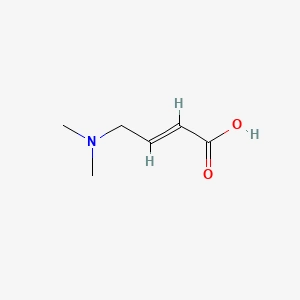
E 4 Dimethylamino But 2 Enoic Acid 149586 32 3 Structure

(E)-4-(Dimethylamino)but-2-enoic acid

(E)-4-(Dimethylamino)but-2-enoic acid, identified by CAS: 149586-32-3, is an organic compound characterized as a substituted crotonic acid. It features a dimethylamino group at the 4-position and exhibits a trans (E) configuration across the double bond. This structural motif makes it a valuable building block in specialized organic synthesis, particularly in the development of targeted therapeutic agents.

(E)-4-(Dimethylamino)but-2-enoic acid Read More »

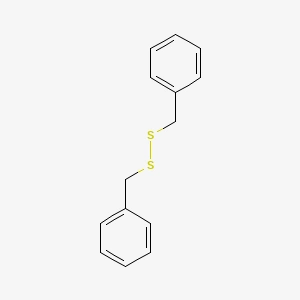
Dibenzyl Disulfide 150 60 7 Structure

Dibenzyl disulfide

Dibenzyl disulfide, identified by CAS 150-60-7, is an organic disulfide compound featuring two benzyl groups connected by a disulfide linkage. It is a stable crystalline substance primarily utilized in industrial applications for its sulfur-donating properties. The compound plays a critical role in the formulation of high-performance lubricants and functional fluids, where it acts as a

Dibenzyl disulfide Read More »

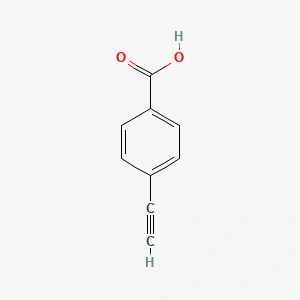
4 Ethynylbenzoic Acid 10602 00 3 Structure

4-Ethynylbenzoic acid

4-Ethynylbenzoic acid (CAS: 10602-00-3) is a specialized organic building block that features both a carboxylic acid group and a terminal alkyne functional group attached to a benzene ring at the para position. This unique bifunctional structure makes it an essential intermediate in the field of organic synthesis, enabling the creation of complex molecular frameworks through

4-Ethynylbenzoic acid Read More »

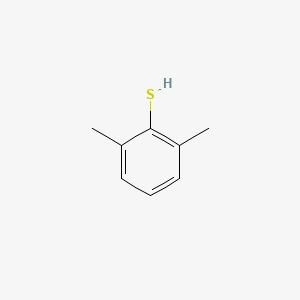
2 6 Dimethylbenzenethiol 118 72 9 Structure

2,6-Dimethylbenzenethiol

2,6-Dimethylbenzenethiol, identified by CAS: 118-72-9, is a specialized aromatic organosulfur compound characterized by a thiol group attached to a 1,3-dimethylbenzene ring. It is a clear liquid known for its potent and distinctive odor, which is often described as sulfurous or meaty at high dilutions. This chemical serves as a versatile building block in organic chemistry,

2,6-Dimethylbenzenethiol Read More »

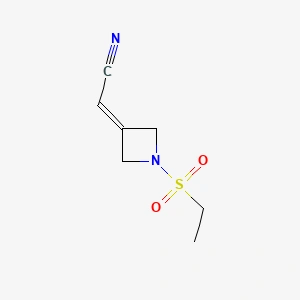
2 1 Ethylsulfonylazetidin 3 Ylidene Acetonitrile 1187595 85 2 Structure

2-(1-Ethylsulfonylazetidin-3-ylidene)acetonitrile

2-(1-Ethylsulfonylazetidin-3-ylidene)acetonitrile (CAS: 1187595-85-2) is a specialized organic intermediate primarily utilized in the synthesis of pharmaceutical active ingredients. It features an azetidine ring substituted with an ethylsulfonyl group and an exocyclic acetonitrile moiety. This specific structural configuration makes it a critical building block for modern medicinal chemistry, particularly in the development of Janus kinase (JAK) inhibitors.

2-(1-Ethylsulfonylazetidin-3-ylidene)acetonitrile Read More »

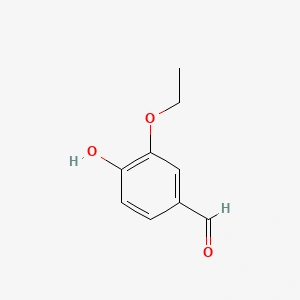
Ethyl Vanillin 121 32 4 Structure

Ethyl Vanillin

Ethyl Vanillin (CAS: 121-32-4) is a synthetic organic compound that serves as a potent aromatic flavoring agent. It is a derivative of vanillin, specifically the ethyl ether of protocatechuic aldehyde. Characterized by a strong, sweet, and creamy vanilla-like odor, it is significantly more intense than natural vanillin—often cited as being three to four times stronger

Ethyl Vanillin Read More »

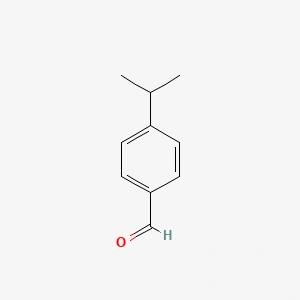
Cuminaldehyde 122 03 2 Structure

Cuminaldehyde

Cuminaldehyde, also known by its CAS: 122-03-2, is a naturally occurring organic compound found in the essential oils of cumin, caraway, and eucalyptus. It is a substituted benzaldehyde characterized by an isopropyl group at the para position. This aromatic aldehyde is recognized for its distinctive spicy, green, and herbaceous odor, which closely resembles the scent

Cuminaldehyde Read More »

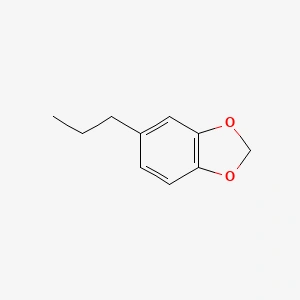
Dihydrosafrole 94 58 6 Structure

Dihydrosafrole

Dihydrosafrole (CAS: 94-58-6), also known as 5-propyl-1,3-benzodioxole, is a chemical compound belonging to the benzodioxole class, specifically representing the saturated derivative of safrole. It is characterized by the presence of a methylenedioxy group fused to a benzene ring that carries a propyl side chain. This structure makes it a stable aromatic ether with specific chemical

Dihydrosafrole Read More »

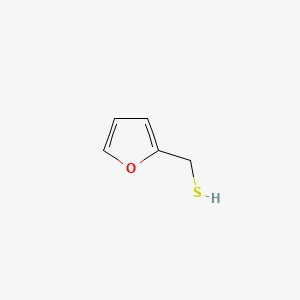
Furfuryl Mercaptan 98 02 2 Structure

Furfuryl mercaptan

Furfuryl mercaptan, identified by CAS: 98-02-2, is a vital organosulfur compound widely recognized for its intense and characteristic aromatic properties. Naturally found in the aroma of roasted coffee beans, it is one of the most potent odorants contributing to the characteristic coffee scent profile. In its pure state, the liquid exhibits a powerful, sulfurous, and

Furfuryl mercaptan Read More »

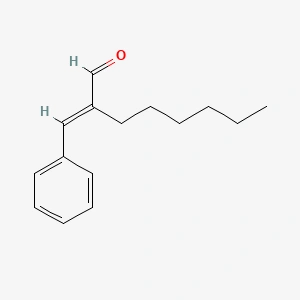
Alpha Hexylcinnamaldehyde 101 86 0 Structure

alpha-Hexylcinnamaldehyde

alpha-Hexylcinnamaldehyde (CAS: 101-86-0) is a widely utilized aromatic aldehyde in the fragrance and cosmetic industries. It is characterized by its distinct, mild floral scent that closely resembles jasmine, often accompanied by waxy and herbaceous undertones. As a synthetic compound, it provides a cost-effective and stable alternative to natural floral extracts, making it a foundational ingredient

alpha-Hexylcinnamaldehyde Read More »

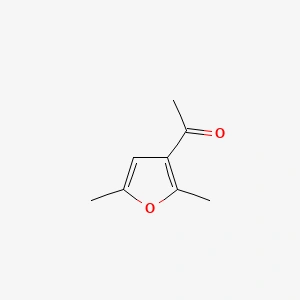
3 Acetyl 2 5 Dimethylfuran 10599 70 9 Structure

3-Acetyl-2,5-dimethylfuran

3-Acetyl-2,5-dimethylfuran, identified by CAS: 10599-70-9, is a heterocyclic organic compound belonging to the furan family. It is characterized by its distinct and potent aroma, often described as having nutty, roasted, and caramel-like notes with hints of cocoa and wood. This liquid compound is naturally occurring in various heat-processed foods, including coffee, bread, and cooked meats,

3-Acetyl-2,5-dimethylfuran Read More »

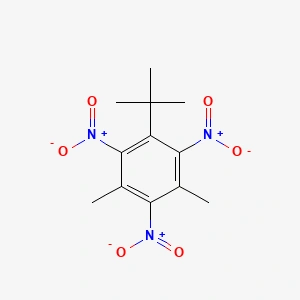
Musk Xylene 81 15 2 Structure

Musk Xylene

Musk Xylene (CAS: 81-15-2) is a synthetic nitro musk compound widely recognized for its powerful and persistent musky odor. It was historically one of the most widely used synthetic musk fragrances due to its excellent fixative properties and low cost compared to natural musk. The compound appears as a yellowish crystalline solid and is highly

Musk Xylene Read More »

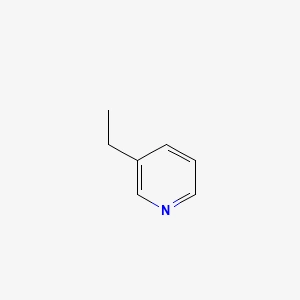
3 Ethylpyridine 536 78 7 Structure

3-Ethylpyridine

3-Ethylpyridine (CAS: 536-78-7) is an organic heterocyclic compound belonging to the pyridine family. It is characterized by an ethyl group substituted at the 3-position of the pyridine ring. This clear to light yellow liquid is naturally occurring in various food items, including coffee, tea, and roasted meats, contributing to their complex aroma profiles. It is

3-Ethylpyridine Read More »

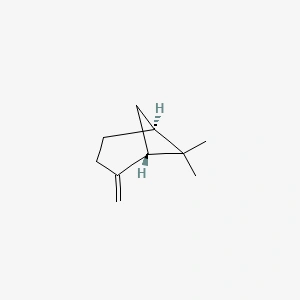
Beta Pinene 18172 67 3 Structure

(-)-beta-Pinene

(-)-beta-Pinene, identified by CAS 18172-67-3, is a naturally occurring bicyclic monoterpene and a significant chiral isomer found in various essential oils, particularly those derived from coniferous trees. As a colorless liquid with a characteristic woody and turpentine-like aroma, it serves as a fundamental building block in organic synthesis. Its chemical structure, featuring a reactive exocyclic

(-)-beta-Pinene Read More »

REQUEST A QUOTE

Product Inquiry — Popup Form