Chapter 1: Introduction and Profile of Ectoin
1.1 Overview and Market Position
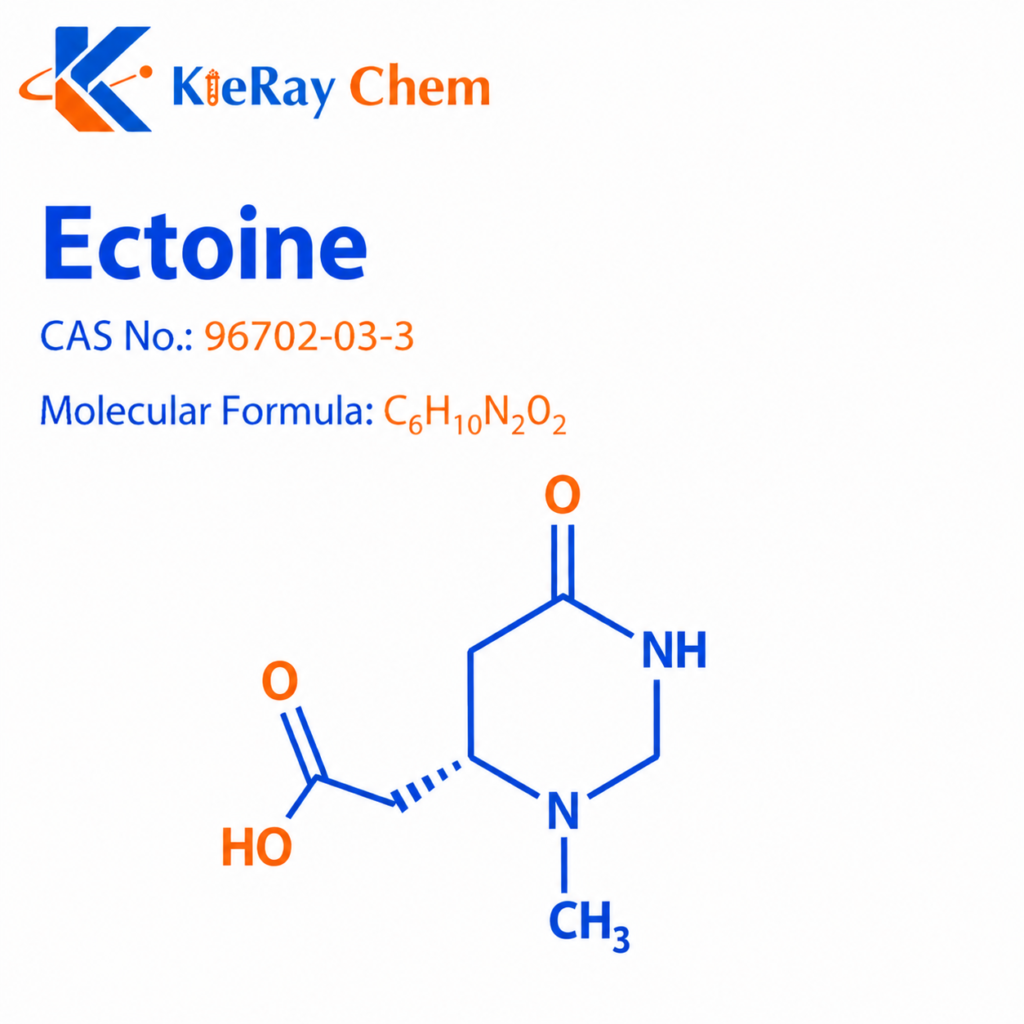
- Universal Skincare Active: Ectoin (CAS No. 96702-03-3) has secured a premier position in global skincare formulation, featured widely in premium anti-aging lines as well as clinical sensitive-skin repair products.
- Broad Compatibility: This non-irritating active exhibits high compatibility across all skin types, effectively addressing four core dermatological needs: intensive hydration, barrier restoration, neurogenic soothing, and age-defying protection.
- Universal Application: Its multi-functional safety profile makes it an ideal core ingredient for both novice formulators and seasoned cosmetics chemists creating versatile product matrices.
1.2 Chemical Profile and Nomenclature
- INCI Nomenclature: Ectoin.
- Chemical Characterization: (S)-2-methyl-1,4,5,6-tetrahydropyrimidine-4-carboxylic acid.
- Functional Group Categorization: Cyclic amino acid derivative, classified as a natural compatible solute (extremolyte).
- Comparative Benchmarks: Frequently integrated into formulation architectures to supersede or fortify traditional humectants such as Glycerin (CAS No. 56-81-5) and Propylene Glycol (CAS No. 57-55-6).
1.3 Evolutionary Origin and Biological Purpose
- Extremophilic Biosynthesis: Originally discovered and isolated from halophilic micro-organisms (such as Halomonas elongata, Taxonomy ID 283) thriving in highly hostile environments, including hypersaline lakes, geothermal vents, and desert terrains.
- Endogenous Protective Shield: Synthesized by extremophilic microbes as an evolutionary survival mechanism to regulate internal osmotic pressure and stabilize cellular structures against extreme salinity, high thermal fluctuations, and desiccation.
- Biomimetic Adaptation: This built-in environmental resilience allows exogenously applied Ectoin (CAS No. 96702-03-3) to interact directly with human epidermal cells, shielding the skin from modern environmental aggressors while accelerating deep structural repair.
Chapter 2: Advanced Molecular Mechanisms of Action and Cellular Pharmacology
2.1 The “Ectoin Hydro Complex” and Thermodynamic Liquid Latices
- Zwitterionic Solvation Spheres: Ectoin (CAS No. 96702-03-3) functions as a powerful kosmotrope due to its rigid, zwitterionic structures. Instead of directly binding to proteins, the chemical structure of Ectoin coordinates adjacent water (H2O) molecules into an intensely structured, physical hydration envelope known as the “Ectoin Hydro Complex.”
- Preferential Exclusion Thermodynamics: This complex operates via a mechanism of preferential exclusion. Because the highly organized water clusters around Ectoin are thermodynamically restricted from breaking their hydrogen-bonding networks, Ectoin is excluded from the immediate hydration shell of macromolecules. This exclusion exerts a gentle physical pressure that forces cellular proteins, enzymes, and lipid bilayers into their most compact, stable, and native conformations, safeguarding cell viability under thermal or chemical stress.
2.2 Intercellular Lipid Stabilization and Corneocyte Re-epithelialization
- Lamellar Phase Transition Regulation: Exogenously applied Ectoin penetrates the stratum corneum to interact with intercellular lipids, such as Ceramide NP (CAS No. 100403-19-8) and cholesterol. It fluidizes highly rigid lipid fractions while stabilizing hyper-fluid areas, keeping the lipid extracellular matrix in its optimal liquid-crystalline lamellar phase (L-beta to L-alpha) across a wide temperature spectrum.
- Keratinocyte Differentiation Kinetic Boost: By optimizing the fluid dynamics of cell membranes, Ectoin enhances the expression of structural differentiation markers, specifically involucrin, filaggrin, and loricrin. This accelerated re-epithelialization seals structural micro-fissures, normalizes desquamation cycles, and significantly lowers transepidermal water loss (TEWL).

2.3 Immunological Cascade Suppression and Membrane Stabilization
- Receptor Clustering Inhibition: Environmental aggressors (such as surfactants or UV rays) trigger skin irritation by altering cell membrane fluidity, which forces pro-inflammatory cell-surface receptors to cluster together. Ectoin directly halts this mechanism; its dense water shell physically restricts the lateral mobility of these receptors within the lipid bilayer, blocking premature receptor aggregation.
- Cytokine and Transmembrane Signaling Interruption: By stabilizing the cell membrane against chemical or physical breakdown, Ectoin prevents the downstream activation of Phospholipase A2 (PLA2) and the subsequent release of arachidonic acid. This effectively down-regulates the production of pro-inflammatory cytokines, specifically Interleukin-1 alpha (IL-1 alpha), Interleukin-6 (IL-6), and Tumor Necrosis Factor-alpha (TNF-alpha), rapidly reducing neurogenic burning and erythema.
2.4 Photo-Protection and Anti-Oxidative Stress Mitigation
- Mitochondrial Membrane Protection: Ultraviolet radiation (UVA/UVB) degrades cells by disrupting mitochondrial membrane potentials and triggering singlet oxygen (1O2) and hydroxyl radical (.OH) cascades. Ectoin preserves mitochondrial membrane integrity, significantly curbing the release of mitochondrial reactive oxygen species (ROS) and protecting the cell’s energy center from oxidative mutations.
- DNA Integrity and Heat Shock Protein (HSP) Up-regulation: Ectoin acts as a molecular chaperone that safeguards the double-helix structure of genomic DNA against UV-induced thymine dimerization. Simultaneously, it rapidly triggers the early synthesis of Heat Shock Proteins—particularly HSP70 and HSP27—priming epidermal cells to withstand environmental shocks and preventing apoptosis (cell death) during acute solar exposure.
2.5 Dermal Matrix Preservation and Collagen Neo-Synthesis
- Matrix Metalloproteinase (MMP) Down-regulation: Chronic exposure to environmental pollution (PM2.5) and UV rays activates AP-1 transcription factors, which up-regulate matrix metalloproteinases, specifically Collagenase (MMP-1) and Gelatinase (MMP-2). Ectoin blocks this signaling pathway, preventing these enzymes from chopping up existing Type I and Type III collagen bundles in the extracellular matrix.
- Fibroblast Activation Kinetics: Beyond preventing matrix breakdown, Ectoin creates a stable, hydrated environment for dermal fibroblasts. This optimal hydration supports cellular metabolism and boosts the expression of Transforming Growth Factor-beta (TGF-beta), driving the synthesis of new, high-quality collagen and elastin fibers to rebuild skin elasticity from within.
Chapter 3: Formulation Synergy and OEM/ODM Application Scenarios
3.1 Advanced Interfacial Rheology and Industrial Processing Engineering
- Electrolyte and Thermal Non-Reactivity: Ectoin (CAS No. 96702-03-3) is a non-ionic, cyclic amino acid derivative. Unlike ionic salts, its chemical inclusion introduces zero electrolyte pressure into polymeric networks, preserving the structured viscosity of sensitive polyacrylate gels, Carbomers, and thick emulsions. Its exceptional thermal stability allows for cold-process formulation or addition into the aqueous phase prior to high-temperature emulsification (up to 80°C) without chemical degradation.
- Broad pH Tolerance: Ectoin maintains its structural integrity and zwitterionic conformation across a broad physiological spectrum (pH 3.0 to 9.0). This extreme chemical tolerance allows contract manufacturers to seamlessly integrate it into highly acidic chemical peels or alkaline cleansing systems without risk of ring-opening hydrolysis.
3.2 Strategic Formulation Synergies and Bio-active Cascades
In advanced cosmetic engineering, Ectoin functions as an exceptional efficacy amplifier and irritation mitigator. It introduces no formulation antagonisms, allowing OEM/ODM manufacturers to deliver high-performance, dermatologically stable products.
3.2.1 The Epidermal Restructuring Matrix: Ectoin + Ceramide NP
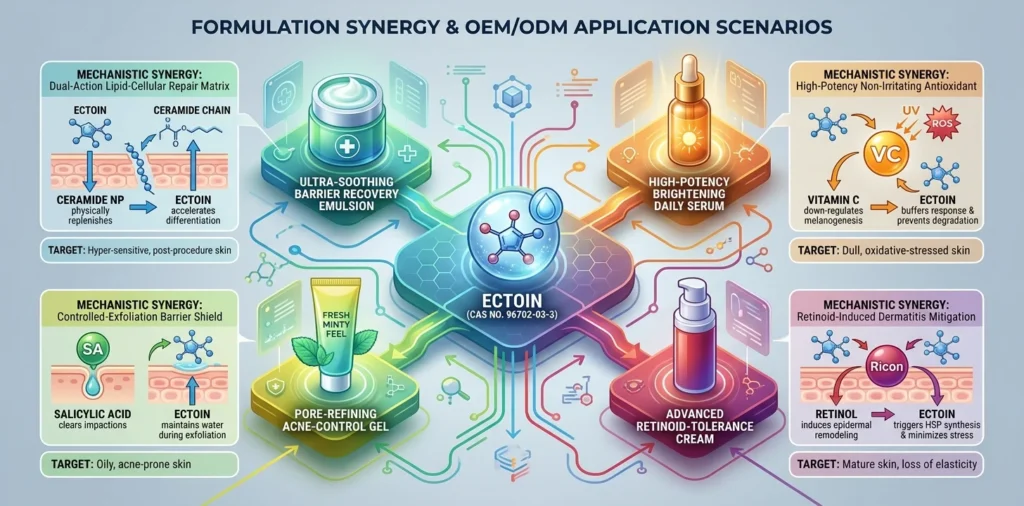
- Mechanistic Synergy: While Ceramide NP (CAS No. 100403-19-8) physically replenishes depleted lamellar lipids in the extracellular matrix, Ectoin (CAS No. 96702-03-3) accelerates keratinocyte differentiation and cellular migration at the transcriptional level. Ectoin restores the intracellular water balance, optimizing cellular volume and morphology, while Ceramide NP seals the extracellular hydrophobic gaps.
- Clinical Target: This establishes a synchronized “lipid-cellular” repair matrix. The dual-action approach yields an instantaneous reduction in neurogenic redness and itching, making it the premier choice for hyper-reactive, barrier-compromised, and post-procedure skin matrices.
3.2.2 The Low-Irritation Brightening Complex: Ectoin + Vitamin C
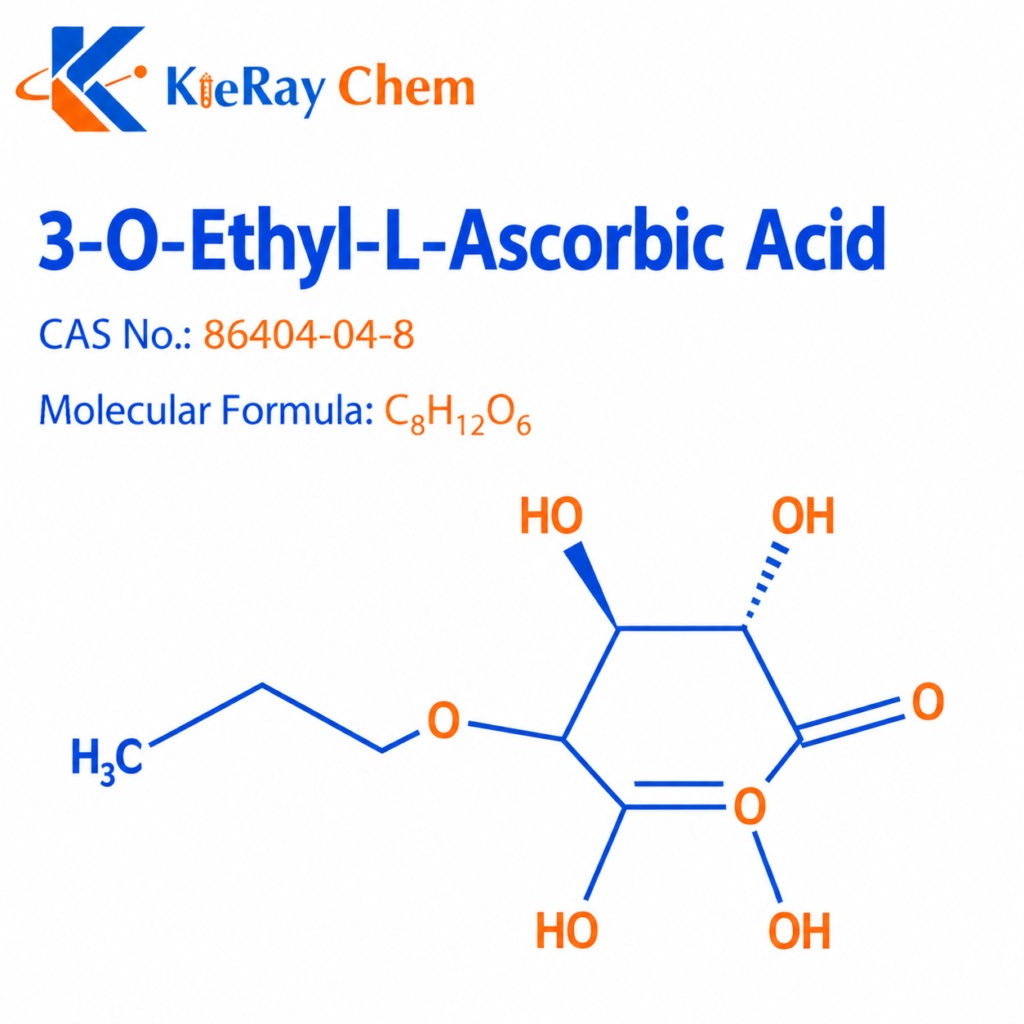
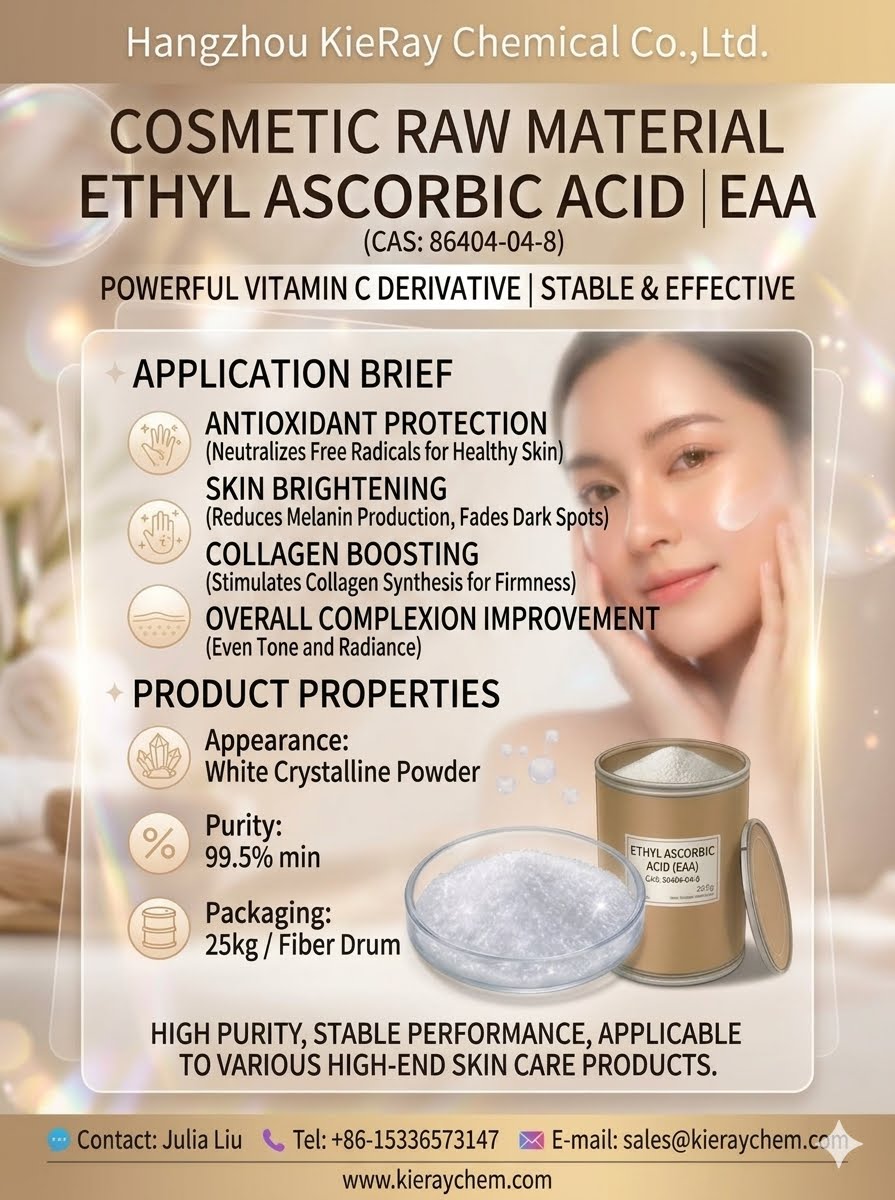
- Mechanistic Synergy: Ascorbic Acid (Vitamin C, CAS No. 50-81-7) and its stabilized derivatives (e.g., Ascorbyl Glucoside, CAS No. 129499-78-1) down-regulate melanogenesis via tyrosinase inhibition but often trigger localized neurogenic stinging due to acidity or rapid oxidative flux. Ectoin buffers this response by stabilizing cellular membranes, suppressing the release of pro-inflammatory cytokines, and forming an antioxidant shield that preserves Vitamin C from premature degradation.
- Clinical Target: This combination achieves high-potency radical scavenging and skin-tone brightening while establishing an anti-irritation shield. It allows sensitive and reactive skin types to utilize high-dose Vitamin C without experiencing skin-barrier irritation or burning.
3.2.3 The Retinoid-Tolerance Optimizer: Ectoin + Retinol
- Mechanistic Synergy: Retinol (CAS No. 68-26-8) induces powerful epidermal remodeling but frequently triggers “retinoid dermatitis” (peeling, erythema, and dryness). Ectoin counteracts this by triggering early synthesis of Heat Shock Proteins (HSP70) and preserving mitochondrial membrane potentials against retinoid-induced cellular stress, while supporting structural intercellular lipids.
- Clinical Target: This architecture achieves the ultimate balance of “clinical anti-aging paired with intensive soothing.” It allows novice consumers to bypass extended tolerance-building phases and drastically minimizes the risk of formulation failure in advanced age-defying regimes.
3.2.4 The Blemish-Control Barrier Shield: Ectoin + Salicylic Acid
- Mechanistic Synergy: Salicylic Acid (CAS No. 69-72-7) breaks down desmosomes to clear follicular impactions, which can inadvertently compromise the healthy stratum corneum and induce dehydration. Ectoin maintains the necessary water-binding threshold and stabilizes cell membranes during this exfoliation process, maintaining optimal osmotic pressure within the epidermal cells.
- Clinical Target: Tailored specifically as a non-stripping blemish-control system for oily, acne-prone skin. It delivers deep pore descaling and anti-comedone efficacy while preserving the foundational barrier integrity, preventing post-peel dryness and secondary skin damage.
3.3 Clinical Application Matrices and Manufacturing Benchmarks
| Formulation Architecture | Core Active Compounding Matrix (with CAS Numbers) | Targeted Demographic | Primary Claim & Clinical Target |
|---|---|---|---|
| Ultra-Soothing Barrier Recovery Emulsion | Ectoin (CAS No. 96702-03-3) + Ceramide NP (CAS No. 100403-19-8) | Hyper-sensitive, burning, and post-procedure skin profiles. | Rapid desensitization, dual-layer lipid replenishment, and 24-hour erythema relief. |
| High-Potency Brightening Daily Serum | Ectoin (CAS No. 96702-03-3) + Ascorbic Acid (CAS No. 50-81-7) | Dull, hyperpigmented, and oxidative-stressed skin. | Irritation-free radical scavenging, high-potency radiance boost, and metabolic stabilization. |
| Advanced Retinoid-Tolerance Cream | Ectoin (CAS No. 96702-03-3) + Retinol (CAS No. 68-26-8) | Mature skin types experiencing loss of elasticity and wrinkles. | Accelerated collagen neo-synthesis, zero-peeling retinoid tolerance, and cellular chaperone protection. |
| Pore-Refining Acne-Control Gel | Ectoin (CAS No. 96702-03-3) + Salicylic Acid (CAS No 69-72-7) | Oily, acne-prone skin with blackheads and blemishes. | Non-stripping follicular descaling, sebum regulation, and prevention of post-acne barrier failure. |
Chapter 4: Common Formulation Pitfalls and Corrective Technical Strategies
4.1 Inefficient Solvation Dynamics and Raw Material Crystallization
- The Pitfall: Formulators frequently encounter localized crystallization or recrystallization of Ectoin (CAS No. 96702-03-3) during stability testing or upon long-term storage at low temperatures (below 4 degrees Celsius). This phase separation typically happens when high clinical dosages (above 2.0% w/w) are introduced directly into cold-process formulations with low water activity (aw) or high polyol loads, failing to achieve complete thermodynamic dissolution.
- The Correction: Ensure Ectoin is fully dissolved in the primary water phase prior to any emulsification or thickening processes. The dissolution kinetic should be accelerated by heating the aqueous phase to 50 to 60 degrees Celsius under continuous agitating shear. For cold-process configurations, pre-dissolve Ectoin in a dedicated, heated deionized water premix before introducing it into the main compound tank.
4.2 Disregard for Impurity-Induced Color Shifts under Accelerated Thermal Stress
- The Pitfall: Formulations containing Ectoin occasionally exhibit a yellowish discoloration during accelerated thermal stability trials (e.g., 45 to 50 degrees Celsius for 12 weeks). This degradation is rarely caused by the Ectoin molecule itself, which is thermally resilient up to 80 degrees Celsius. Instead, it stems from trace structural impurities—such as residual amino acids or synthesis by-products—undergoing Maillard-like carbonyl-amine browning reactions in the presence of specific carbohydrate-derived co-ingredients.
- The Correction: Source premium cosmetic-grade Ectoin with a verified purity assay exceeding 99.0%, ensuring negligible residual free amino acids. Furthermore, integrate a specialized chelating matrix, such as Tetrasodium Glutamate Diacetate (CAS No. 51981-21-6) or Disodium EDTA (CAS No. 139-33-3) at 0.1% w/w, to bind trace metal ions that catalyze oxidative chromophore formation.
4.3 Oversaturating High-Concentration Gels and Excessive Textural Tackiness
- The Pitfall: In an effort to maximize anti-aging and barrier-repair claims, contract manufacturers sometimes deploy excessive concentrations of Ectoin (exceeding 3.0% to 5.0% w/w) in weightless, oil-free gel or toner matrices. Due to the rapid formation of the rigid “Ectoin Hydro Complex,” this dense water-binding structure increases the film-forming density on the skin surface, resulting in an unwelcome, heavy tackiness or “pilling” effect during application.
- The Correction: For mass-market and daily skincare matrices, maintain an optimized clinical inclusion threshold of 1.0% to 2.0% w/w, which delivers complete biological efficacy without altering rheological aesthetics. If higher clinical doses are mandatory, balance the formulation’s sensory profile by incorporating volatile skin-conditioning emollients, such as Methyl Trimethicone (CAS No. 556-67-2) or weightless non-comedogenic esters, to break up the surface tackiness.
4.4 Premature Formulation Shielding and Active Ingredient Occlusion
- The Pitfall: Because the “Ectoin Hydro Complex” forms a protective, physical water lattice that shields cell membranes and stabilizes protein conformations, introducing Ectoin into multi-active formulas without strategic phase ordering can inadvertently block other low-molecular-weight actives. For example, if Ectoin creates its hydration shell around corneocytes prematurely, it can physically hinder the transcutaneous penetration and receptor binding of downstream actives like Niacinamide (CAS No. 98-92-0) or Peptides.
- The Correction: Implement a tiered, sequential addition phase during processing. Introduce highly targeting or low-molecular-weight actives—such as Niacinamide or water-soluble peptides—into the aqueous phase early on to ensure unobstructed skin penetration. Ectoin should be added afterward, either during the late water-phase assembly or during the post-emulsification cooldown phase (below 40 degrees Celsius), allowing it to wrap the matrix cleanly without trapping complementary actives.
4.5 Summary Matrix of Technical Pitfalls and Industrial Solutions
| Chemical Conflict | Root Biochemical Cause | Industrial Corrective Action |
|---|---|---|
| Recrystallization / Gritty Sedimentation | Incomplete dissolution in cold water or low-water matrices. | Pre-dissolve Ectoin in a heated water premix (50 to 60 degrees Celsius) with continuous agitating shear. |
| Thermal Yellowing / Color Drift | Carbonyl-amine browning of trace synthesis amino acid impurities. | Upgrade to >99% ultra-pure raw materials and integrate a chelating system (e.g., Tetrasodium Glutamate Diacetate). |
| Textural Tackiness / Pilling Effect | Over-concentration of the rigid “Ectoin Hydro Complex” lattice. | Regulate dose to 1.0% to 2.0% w/w, or incorporate volatile skin-conditioning fluids to improve aesthetics. |
| Penetration Occlusion of Co-Actives | Early hydration shell formation blocking active receptor pathways. | Optimize phase ordering: add standard low-molecular-weight actives first, followed by Ectoin during the cooldown phase. |