Chapter 1: Chemical Profile, Characterization, and Dermatological Efficacy of Tranexamic Acid
1.1 Chemical Identification and Physiochemical Properties
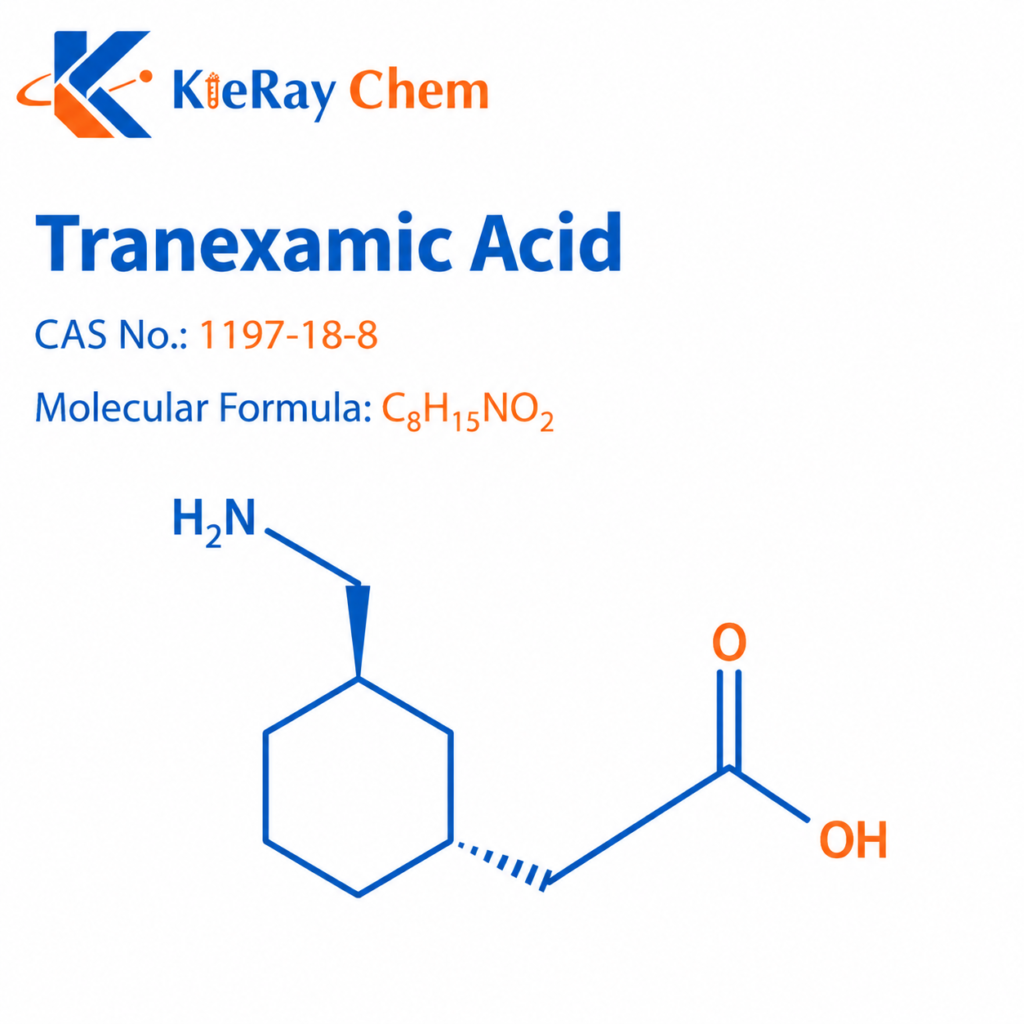
To ensure analytical precision in cosmeceutical formulation, the molecular identification and structural characteristics of Tranexamic Acid are detailed below:
- Inclusion / INCI Name: Tranexamic Acid
- IUPAC Chemical Name: trans-4-(Aminomethyl)cyclohexanecarboxylic acid
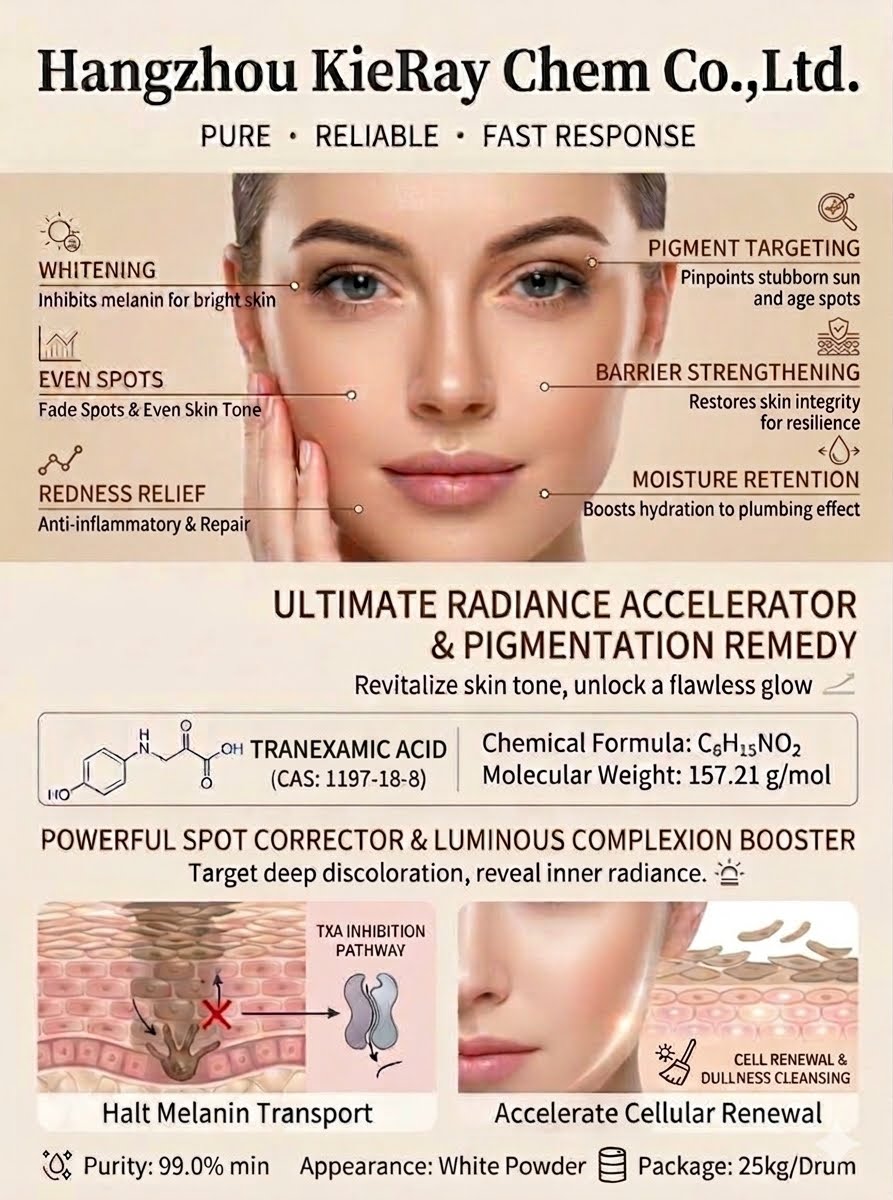
- CAS Registry Number: 1197-18-8
- EINECS Number: 214-818-2
1.1.2 Structural and Physical Characterization
- Organoleptic Properties: White crystalline powder; odorless with a distinctively bitter taste.
- Solubility Matrix: Freely soluble in water ((\approx 167 \text{ mg/mL}) at 25°C) and glacial acetic acid; practically insoluble in anhydrous ethanol, acetone, diethyl ether, or chloroform. Its highly hydrophilic nature optimizes its compatibility with advanced aqueous-phase delivery systems, including hydrogels, essences, and O/W (oil-in-water) emulsions.
- Thermal Stability: Melting point ranges between 233°C and 238°C, indicating robust structural integrity and resistance to thermal degradation under standard cosmetic manufacturing and emulsification temperatures.
- Formulation pH Window: Displays exceptional chemical stability within a broad physiological pH range of 3.5 to 7.5, with peak compatibility and stability sustained at an optimal pH of 5.5 to 7.0. Unlike classical acidic actives, it does not mandate an ultra-low pH vehicle, thereby mitigating vehicle-induced skin irritation.
1.2 Mechanistic Overview: What is Tranexamic Acid?
Tranexamic Acid (TXA) is a synthetic lysine analogue historically utilized in clinical medicine as an antifibrinolytic agent. In contemporary dermatology, it has been repositioned as a premier, non-exfoliating cosmeceutical active for the management of hyperpigmentation.
Unlike traditional cytostatic or cytotoxic agents that target melanocytes indiscriminately, TXA modulates melanogenesis through an upstream, multi-pathway signaling blockade. It competitively inhibits plasminogen activation, effectively suppressing the subsequent synthesis of pro-melanogenic mediators.
Consequently, it mitigates epidermal hyperpigmentation, stubborn melasma, and post-inflammatory sequelae without inducing desquamation of the stratum corneum or compromising the structural integrity of the skin barrier.
- Core Technical Attributes: Medical-grade melanogenesis regulation, targeted suppression of post-inflammatory hyperpigmentation (PIH), high barrier biocompatibility, and non-photosensitizing profile.
1.3 Clinical Indications and Dermatological Efficacy
1.3.1 Depigmentation of Refractory Melasma and Lentigines
TXA exerts a targeted therapeutic effect on stubborn chloasma, UV-induced solar lentigines, and senile macules. By downregulating epidermal plasmin activity, it reduces the release of free arachidonic acid and prostaglandins, thereby minimizing chronic melanocyte hypertrophy and achieving an even, homogeneous skin tone.
1.3.2 Resolution of Post-Inflammatory Erythema (PIE) and Hyperpigmentation (PIH)
The active is highly specialized in neutralizing both red (vascular) and brown (pigmentary) post-acne lesions. It downregulates Vascular Endothelial Growth Factor (VEGF) and basic Fibroblast Growth Factor (bFGF), effectively treating post-inflammatory erythema (PIE) while simultaneously arresting the inflammatory cascade that drives post-inflammatory hyperpigmentation (PIH).
1.3.3 Amelioration of Chronobiological and Oxidative Sallowness
TXA targets epidermal dullness and sallow complexions triggered by sleep deprivation and environmental stress. It counteracts the accumulation of carbonylated proteins and oxidative byproducts in the stratum corneum, restoring structural transparency and optimizing cutaneous light reflectance.
1.3.4 Photoprotection and Counteracting Rebound Melanogenesis
Acting as an advanced biological shield, TXA suppresses immediate and delayed pigment dark-spot formation caused by acute UV exposure, chemical peeling (such as high-concentration alpha-hydroxy acids), or non-ablative aesthetic procedures. It stabilizes the baseline metabolic activity of melanocytes, significantly reducing the incidence of post-procedure hyperpigmentation rebound.
1.4 Biocompatibility and Cohort Adaptation
- Epidermal Hyperpigmentation and Vascular Lesions: Indicated for subjects displaying mixed dermal-epidermal pigmentation, refractory melasma, acne scar discoloration, and irregular cutaneous tones.
- Compromised and Atopic Skin Barriers: Ideal for sensitive skin types, rosacea-prone subjects, and individuals showing high reactivity to traditional exfoliating agents.
- Post-Procedure Cutaneous Rehabilitation: Recommended for immediate integration into post-laser, post-IPL (Intense Pulsed Light), and post-sun recovery protocols to preemptively intercept melanocyte activation.
- Actives-Intolerant Phenotypes: Serves as a primary clinical alternative for cohorts experiencing localized dermatitis or
Chapter 2: Molecular Pathways of Tranexamic Acid
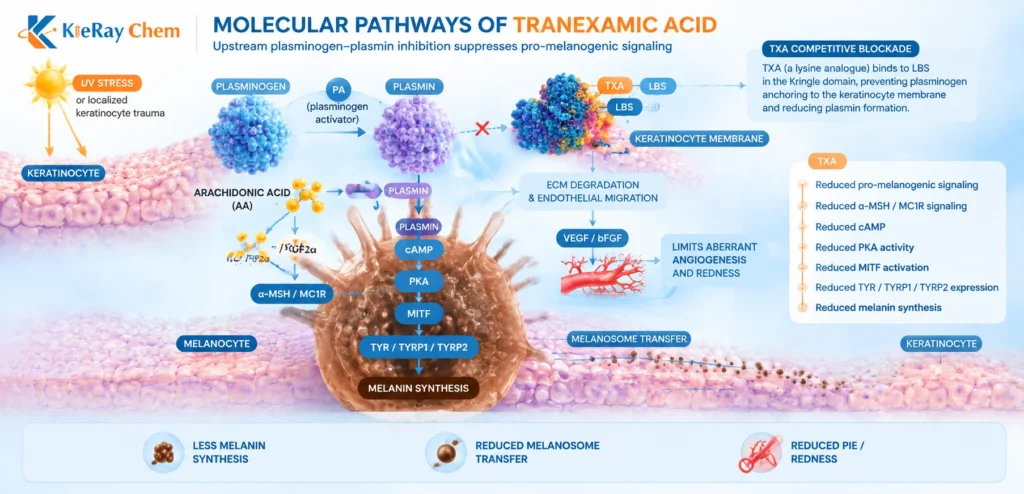
2.1 The Plasminogen-Plasmin System in Melanogenesis
To understand how Tranexamic Acid (TXA) modulates skin pigmentation, its upstream biochemical cascade must be isolated from direct tyrosinase enzymatic reactions. Ultraviolet (UV) radiation or localized structural trauma to keratinocytes triggers the synthesis and secretion of plasminogen activator (PA). This enzyme subsequently converts extracellular plasminogen into its active protease form, plasmin.
Under normal physiological conditions, activated plasmin cleaves membrane-bound phospholipids within keratinocytes, releasing arachidonic acid (AA). AA serves as the mandatory precursor for the enzymatic synthesis of prostaglandins (specifically PGE2 and PGF2-alpha) and leukotrienes. These active inflammatory eicosanoids act as potent paracrine signaling messengers. They migrate across the extracellular space to interact with corresponding pro-melanogenic receptors on nearby melanocytes, accelerating melanogenesis.
2.2 Competitive Inhibition Mechanism of TXA
TXA acts as a high-affinity structural analog of the essential amino acid L-lysine. It functions via a highly targeted competitive inhibition mechanism rather than through direct cytostatic or cytotoxic cellular destruction.
- Lysine-Binding Site (LBS) Blockade: Plasminogen and plasmin molecules contain distinct structural loops known as kringle domains, which house specific lysine-binding sites (LBS). These sites are chemically necessary for plasminogen to anchor onto keratinocyte cell membranes and undergo activation.
- Steric Interception: Because TXA mimics the spatial conformation of lysine, it preferentially binds to these kringle domains. This completely saturates the LBS and sterically blocks plasminogen from adhering to the cellular matrix.
- Downstream Arrest: Consequently, the conversion of plasminogen into active plasmin is arrested. Without active plasmin, the release of free arachidonic acid and prostaglandins drops dramatically, cutting off the primary biochemical trigger for melanocyte hyperactivity from its upstream origin.
2.3 Downstream Cascade and Signaling Interception
By shutting down the plasminogen-plasmin pathway, TXA successfully downregulates a network of downstream transcriptional loops inside the melanocyte:
2.3.1 Mitigation of α-MSH and ACTH Signaling
UV stress induces the expression of pro-opiomelanocortin (POMC) in keratinocytes, which is cleaved into Alpha-Melanocyte Stimulating Hormone (α-MSH) and adrenocorticotropic hormone (ACTH). TXA indirecty suppresses this pathway, preventing α-MSH from binding to the Melanocortin 1 Receptor (MC1R) on melanocytes. This halts the activation of adenylate cyclase and the subsequent surge in intracellular cyclic adenosine monophosphate (cAMP).
2.3.2 Downregulation of MITF Transcription
The reduction of intracellular cAMP avoids the activation of Protein Kinase A (PKA). Consequently, the phosphorylation and activation of Microphthalmia-associated Transcription Factor (MITF)—the master genetic regulator of melanogenesis—is minimized. Without activated MITF, the nuclear transcription of critical melanogenic enzymes, including Tyrosinase (TYR), Tyrosinase-Related Protein 1 (TYRP1), and Tyrosinase-Related Protein 2 (TYRP2), returns to baseline levels.
3.2.3 Prevention of Melanosome Transfer
Beyond synthesis inhibition, the suppression of the keratinocyte inflammatory environment reduces the phagocytic activity of keratinocytes. The dynamic extensions (dendrites) of melanocytes experience reduced interaction with surrounding skin cells, physically reducing the transfer of fully matured melanosomes into the upper layers of the stratum corneum.
2.4 Regulation of Vascular Angiogenesis (The PIE Axis)
A unique clinical advantage of TXA over classical skin lighteners is its dual affinity for pigmentary and vascular pathways, making it highly effective for Post-Inflammatory Erythema (PIE) and vascular-driven melasma.
Chronic UV damage and localized acne inflammation stimulate the hyper-proliferation of micro-capillaries via the release of Vascular Endothelial Growth Factor (VEGF) and basic Fibroblast Growth Factor (bFGF). Plasmin plays a supportive role in angiogenesis by degradation of the extracellular matrix to allow endothelial cell migration.
By neutralizing plasmin activity, TXA suppresses endothelial cell motility and stabilizes localized vascular tone. It limits aberrant angiogenesis and reduces the background redness and capillary leakiness that frequently feed and aggravate refractory dermal melasma.
Chapter 3: Synergistic Biochemical Networks and Cosmeceutical Pairings
To maximize the therapeutic index of Tranexamic Acid (TXA) while reinforcing skin barrier homeostasis, formulating it alongside complementary active ingredients yields a powerful “1+1>2” multi-depth synergy. By pairing TXA’s upstream antifibrinolytic signaling blockade with secondary actives that target distinct phases of melanogenesis, accelerate cellular turnover, or repair the barrier, formulators can design high-potency, multi-targeted treatment systems.
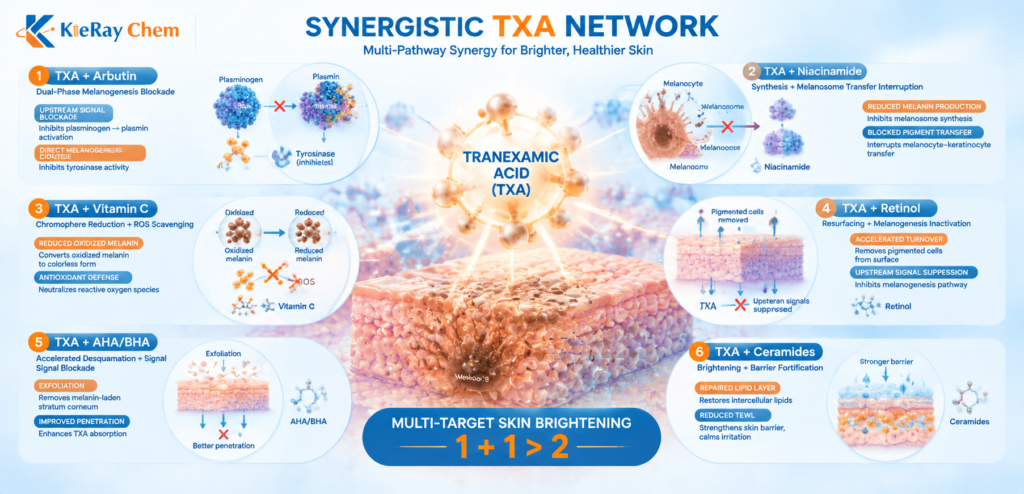
3.1 Overview of High-Efficiency TXA Synergistic Networks
Pairings Targeted Biological Synergy Primary Clinical Indications Target Demographics
TXA + Arbutin Dual-Phase Melanogenesis Blockade (Upstream Signal Interception + Direct Catalytic Inhibition). Refractory chloasma, stubborn solar lentigines, localized hyperpigmentation. Photo-damaged skin seeking rapid tonal clearance.
TXA + Niacinamide Cross-Cellular End-to-End Interception (Synthesis Suppression + Melanosome Transfer Interruption). Post-inflammatory hyperpigmentation (PIH), chronobiological dullness, sallow epidermal tones. Multi-layered tonal normalization for hyperpigmented phenotypes.
TXA + Vitamin C Multi-Pathway Chromophore Reduction & Radical Scavenging Network. Acute UV damage, oxidative sallow undertones, localized dark spots. Photo-aged skin and populations exposed to urban pollution.
TXA + Retinol Synclinal Stratum Corneum Resurfacing and Melanogenesis Inactivation. Chronological aging, structural rhytids, deep-seated dermal pigmentation. Mature skin phenotypes demanding texture and tone correction.
TXA + AHA / BHA Accelerated Desquamation paired with Synthesis Inhibition. Post-acne macules, hyperkeratosis, uneven epidermal pigmentation. Oily, acne-prone cohorts showing inflammatory discoloration.
TXA + Ceramides Concurrent Depigmentation and Intercellular Lipid Matrix Fortification. Post-inflammatory erythema (PIE), vascular-driven irritation, barrier desquamation. Reactive, atopic, or compromised cutaneous phenotypes.
3.2 Deep-Dive into Advanced Cosmeceutical Pairings
3.2.1 Tranexamic Acid + Arbutin: The Dual-Phase Melanogenesis Blockade
This pairing represents a benchmark configuration in advanced brighteners by establishing sequential hurdles across the metabolic lifecycle of melanin.
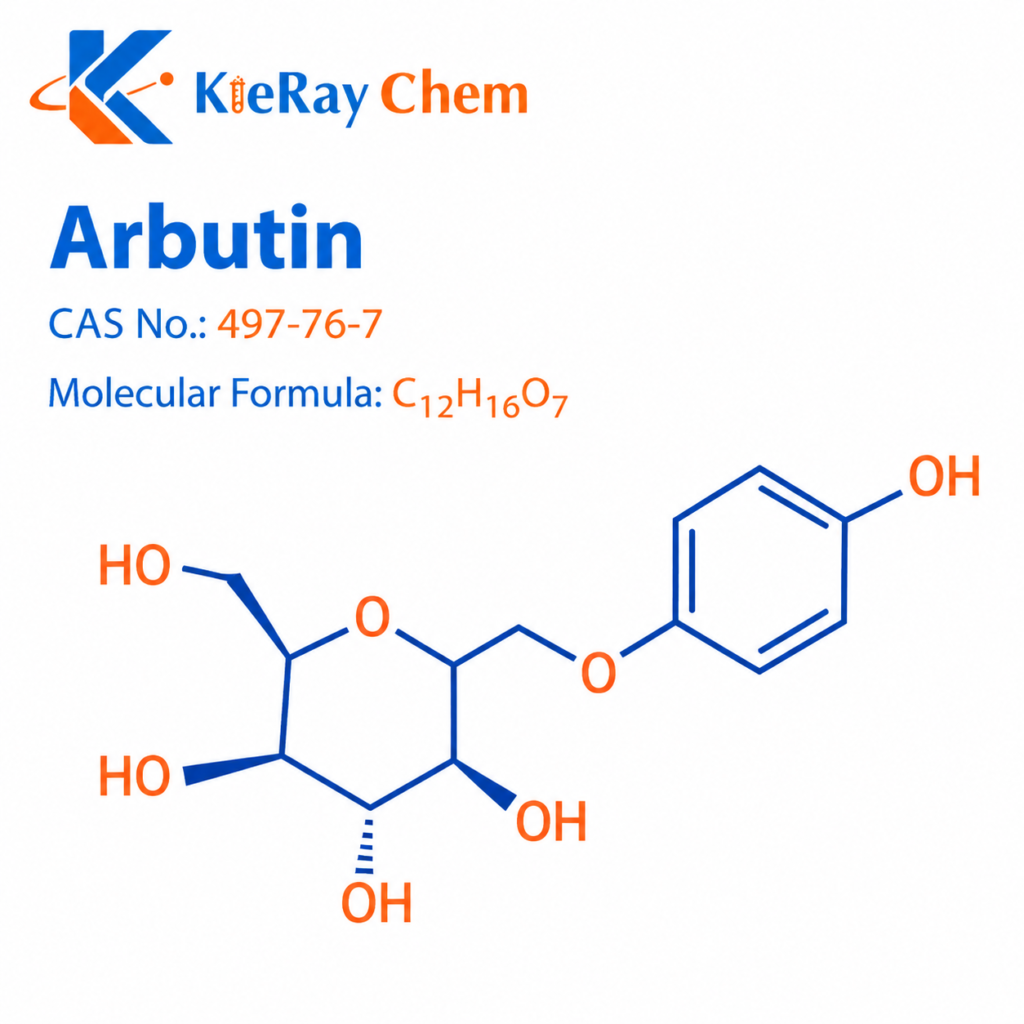
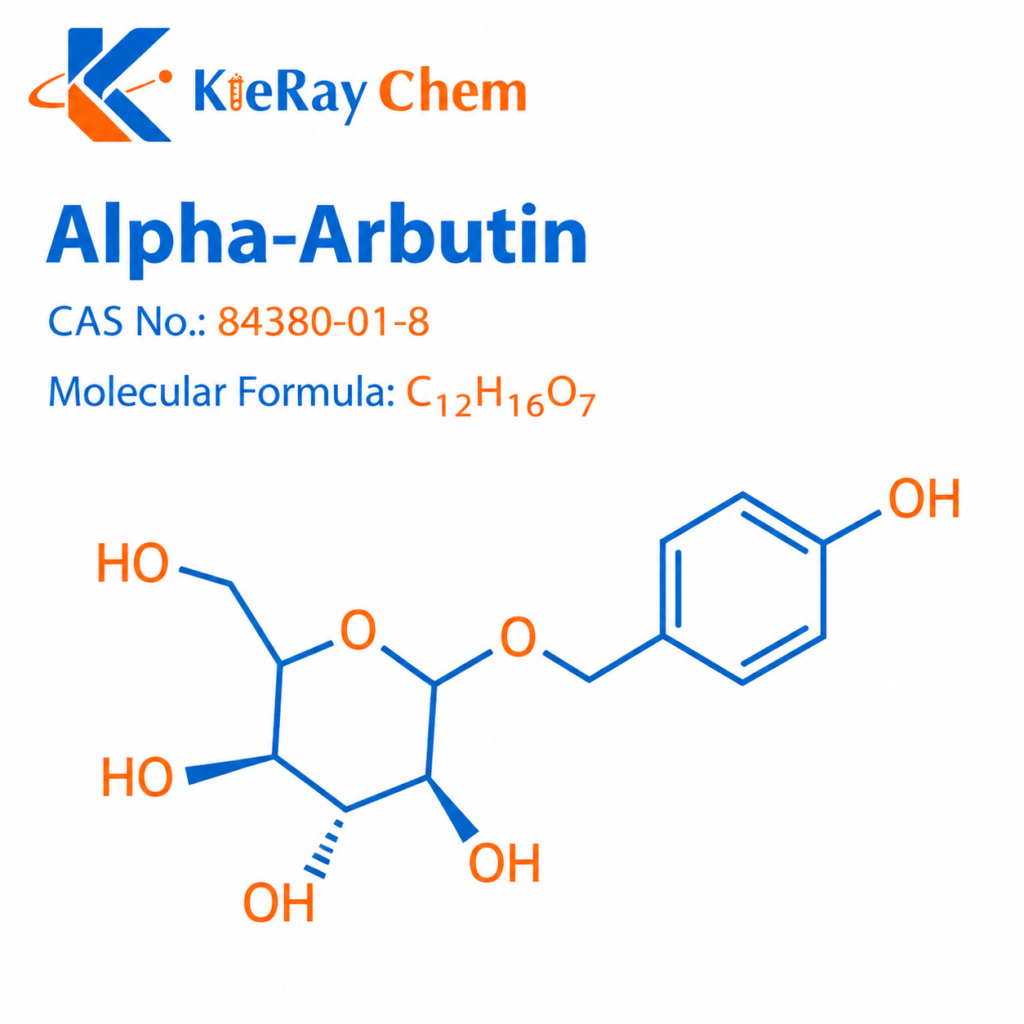
- Biochemical Mechanism: Tranexamic Acid (CAS No. 1197-18-8) operates at the upstream paracrine level, blocking the activation of the plasminogen-plasmin pathway within keratinocytes and halting the synthesis of pro-inflammatory prostaglandins. Concurrently, Alpha-Arbutin (CAS No. 84380-01-8) or Beta-Arbutin (CAS No. 497-76-7) penetrates into the basal layer’s melanocytes, where it functions as a structural analog to L-tyrosine, competitively occupying the catalytic pocket of tyrosinase.
- Clinical Benefit: By intercepting the pro-melanogenic cascade before it reaches the cell, while simultaneously paralyzing any active enzyme machinery inside the cell, this network provides an aggressive dual-action defense that accelerates the clearance of stubborn, deep-seated dark spots.
3.2.2 Tranexamic Acid + Niacinamide (Vitamin B3): Cross-Cellular End-to-End Interception
This synergy creates a comprehensive spatial barrier by targeting the physical transition of pigment across different cutaneous cell groups.
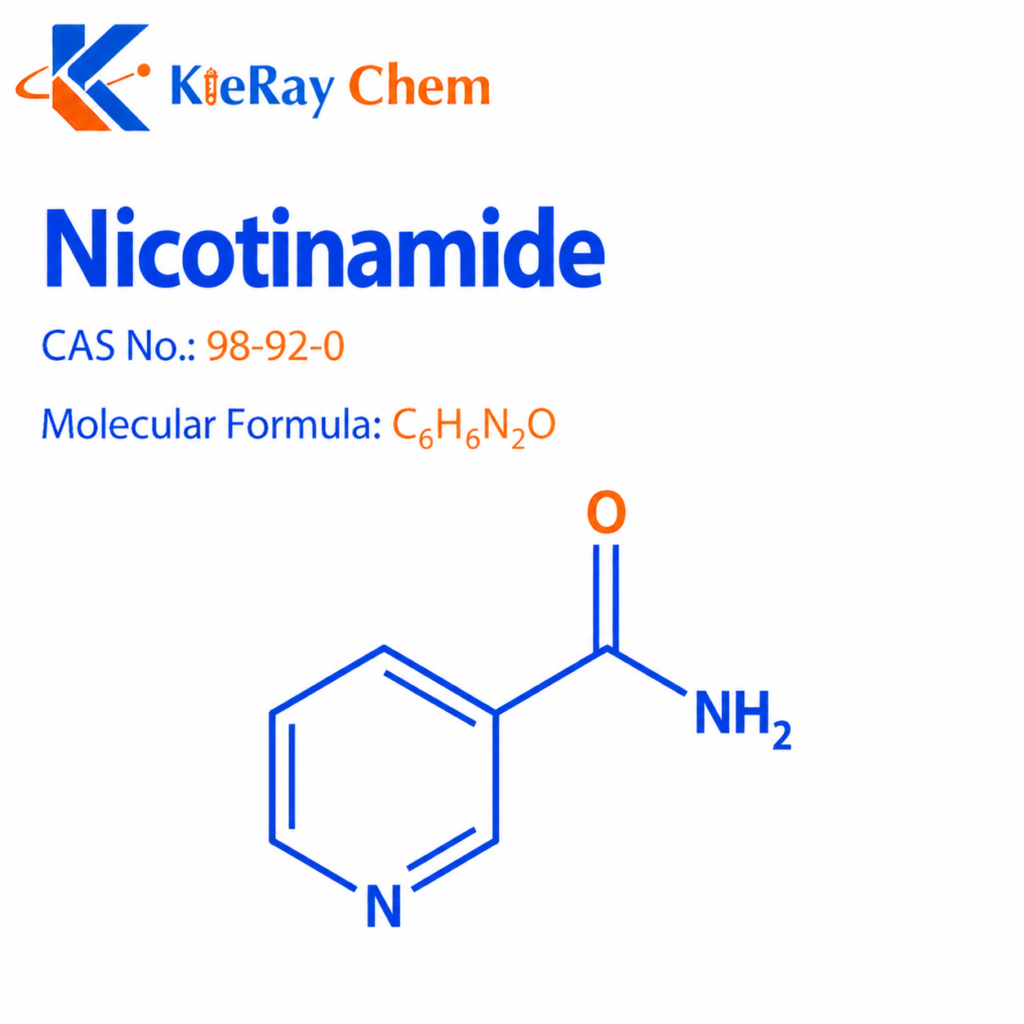
- Biochemical Mechanism: While TXA minimizes the synthesis of melanin at its genetic and enzymatic source by downregulating MITF transcription and tyrosinase production, Niacinamide (CAS No. 98-92-0) manages the downstream transport network. It directly interferes with the active transfer of mature, melanin-filled melanosomes along the dendritic extensions of melanocytes into surrounding epidermal keratinocytes.
- Clinical Benefit: This combination effectively locks down both the production and distribution of pigment. Any melanin that manages to bypass TXA’s synthesis suppression is physically blocked by Niacinamide from reaching the visible skin surface, making it exceptionally efficient at erasing post-acne marks (PIH) and systemic dullness.
3.2.3 Tranexamic Acid + Vitamin C (L-Ascorbic Acid): Multi-Pathway Chromophore Reduction
This combination delivers a rigorous antioxidant infrastructure that structurally disassembles existing melanin while halting future pigment cascades.
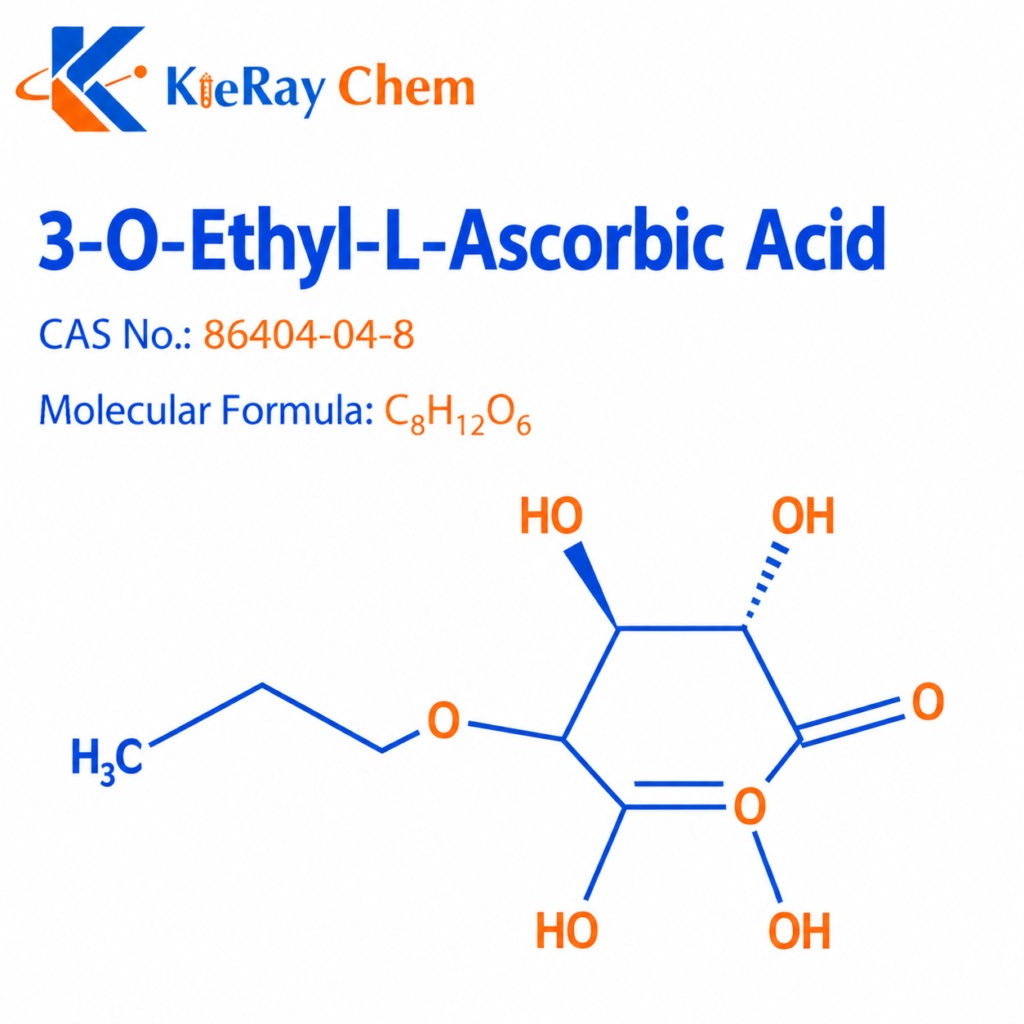
- Biochemical Mechanism: TXA operates via the plasminogen pathway to shut off the cellular greenlight for melanin synthesis. Simultaneously, Vitamin C (L-Ascorbic Acid, CAS No. 50-81-7) or its lipophilic/hydrophilic derivatives (e.g., 3-O-Ethyl Ascorbic Acid, CAS No. 86404-04-8) acts as an intense reducing agent. It chemically reduces dark oxidized melanin back into its colorless, leuko-form, and directly scavenges reactive oxygen species (ROS) induced by environmental stress.
- Clinical Benefit: Rapidly neutralizes oxidative stress, fades visible localized macules, and counteracts stubborn sallow undertones, yielding high-clarity cutaneous radiance.
3.2.4 Tranexamic Acid + Retinol (Vitamin A): Synclinal Resurfacing and Synthesis Inactivation
An advanced interventions network tailored to combat the twin signs of chronological aging and persistent dermal pigmentation.
- Biochemical Mechanism: Retinol (CAS No. 68-26-8) acts on nuclear receptors within keratinocytes to accelerate mitotic activity in the basal layer, significantly shortening the epidermal turnover cycle and forcing the rapid desquamation of heavily pigmented cells. As the old pigment is shed, TXA continuously intercepts upstream inflammatory signals, ensuring that newly generated cells migrating to the surface remain non-pigmented.
- Clinical Benefit: Simultaneously targets structural aging (fine lines, loss of elasticity) and deep-seated, stubborn hyperpigmentation, delivering a refined skin texture alongside a highly unified skin tone.
3.2.5 Tranexamic Acid + Hydroxy Acids (AHA / BHA): Accelerated Exfoliation and Signal Blockade
A highly targeted chemical synergy engineered to rapidly eliminate post-acne lesions and optimize ingredient bio-availability.
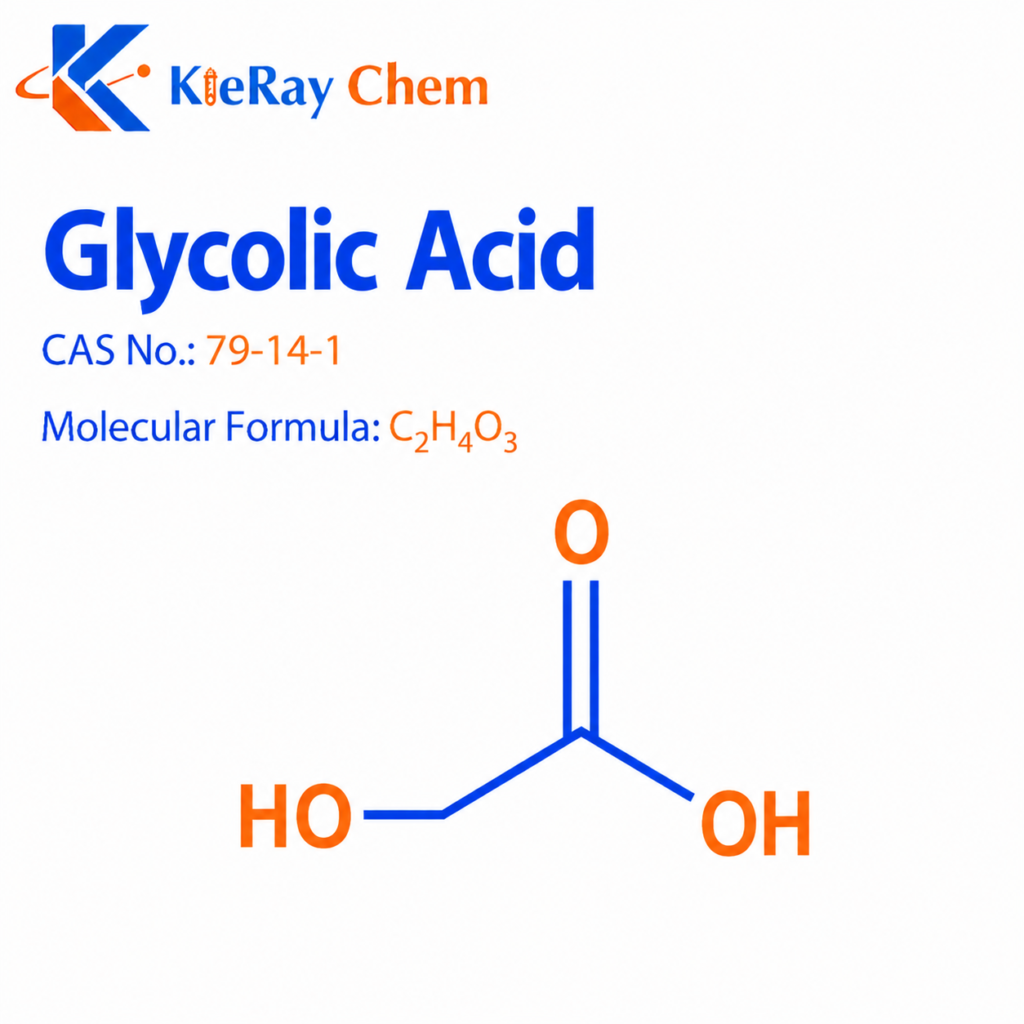
- Biochemical Mechanism: Alpha-Hydroxy Acids (e.g., Glycolic Acid, CAS No. 79-14-1) and Beta-Hydroxy Acids (Salicylic Acid, CAS No. 69-72-7) cleave the desmosomal bonds between corneocytes, stripping away the hyperkeratotic, melanin-laden layers of the stratum corneum. This thinning of the dead skin barrier significantly enhances the epidermal penetration flux of the highly hydrophilic TXA molecule into deeper targets, where it suppresses ongoing inflammation.
- Clinical Benefit: Exceptional for treating post-inflammatory hyperpigmentation (PIH) and uneven skin texture in oily, blemish-prone skin, preventing the formation of persistent red or brown marks following acne flare-ups.
3.2.6 Tranexamic Acid + Ceramides: Concurrent Depigmentation and Lipid Fortification
This formulation addresses a classic challenge in clinical brightening by resolving uneven tone without compromising the structural integrity of the skin.
- Biochemical Mechanism: High-performance brightening routines can occasionally trigger sub-clinical irritation in vulnerable skin types. Ceramides (e.g., Ceramide NP, CAS No. 100403-19-8 / Ceramide AP, CAS No. 100403-20-1) work to replenish the essential intercellular lipid lamellae, sealing the physical moisture barrier and reversing trans-epidermal water loss (TEWL). Simultaneously, TXA’s naturally mild, non-exfoliating properties clear away redness and hyperpigmentation without inducing cellular stress or desquamation of the stratum corneum.
- Clinical Benefit: This combination provides simultaneous skin brightening and barrier repair, soothing background erythema while shielding sensitive or reactive skin from environmental triggers.
4 Key Manufacturing Control Parameters
4.1 Critical pH Optimization
Unlike classical acidic brightening agents, TXA does not require a highly acidic environment to penetrate the stratum corneum or maintain chemical integrity.
- The Stability Range: TXA displays excellent chemical stability across a physiological range of pH 3.5 to 7.5.
- The Formulation Sweet Spot: The optimal target window for a finished product is pH 5.5 to 7.0. Aligning the formulation within this neutral-to-slightly-acidic range minimizes the risk of vehicle-induced skin irritation and maintains a stable environment for complex emulsions.
4.2 Thermal Thresholds and Processing Mechanics
- Thermal Endurance: TXA is structurally stable, with a high melting point between 233°C and 238°C. It is not prone to rapid thermal degradation under normal cosmetic manufacturing temperatures.
- Processing Order: To ensure proper dispersion and reduce unnecessary thermal stress in complex formulas, it is best to dissolve TXA in the water phase. In hot-process O/W emulsions, it can also be added during the post-emulsification cooling phase at temperatures below 40°C (104°F).
4.3 Raw Material Discoloration Prevention
While TXA itself is resistant to oxidation, raw commercial grades can occasionally carry trace contaminants or iron ions from processing equipment. Exposure to high temperatures can cause these trace impurities to react with other ingredients, turning the formulation a pale yellow over time. Formulators should include chelating agents such as Disodium EDTA (CAS No. 139-33-3) or Phytic Acid to bind trace metal ions and ensure long-term visual stability.
4.4 Dermatological Misconceptions vs. R&D Realities
Myth 1: “Because Tranexamic Acid is an antifibrinolytic drug, topical cosmetics carry a risk of inducing systemic blood clots.”
- The R&D Reality: Topical application of TXA does not alter systemic coagulation parameters. The concentrations used in over-the-counter cosmetics typically range from 1.0% to 3.0% (with absolute legal ceilings of 3.0% to 5.0% depending on regional regulations).
- The Correction: Transdermal delivery studies confirm that topically applied TXA remains largely confined to the epidermis and upper dermis to intercept localized cellular signals. The systemic absorption rate is too low to interfere with internal hematological pathways, making it safe for long-term topical use.
Myth 2: “Tranexamic Acid must be formulated at an ultra-low pH to effectively fade post-inflammatory hyperpigmentation (PIH).”
- The R&D Reality: TXA does not operate via chemical peeling or acid-catalyzed exfoliation. Its therapeutic effect comes from competitively binding to the lysine-binding sites on plasminogen, which does not require an acidic medium.
- The Correction: Forcing a TXA formula into an ultra-low pH range (<4.0) without a specific reason (such as stabilizing pure L-ascorbic acid) can destabilize the product and trigger inflammation in sensitive skin. This inflammation can lead to secondary melanocyte activation, running counter to the goal of reducing pigmentation.
Myth 3: “Tranexamic Acid is a direct tyrosinase inhibitor, so it can immediately replace hydroquinone or arbutin.”
- The R&D Reality: Pure TXA does not directly inhibit tyrosinase activity. It does not compete for the active site of the enzyme like hydroquinone or arbutin do.
- The Correction: TXA works further upstream by blocking the paracrine inflammatory signals sent from keratinocytes to melanocytes. Expecting it to function exactly like a direct tyrosinase inhibitor overlooks its true strengths. To address aggressive or stubborn hyperpigmentation, it should be paired with a direct tyrosinase inhibitor (like Alpha-Arbutin) to create a multi-level strategy.