Chapter 1: Fundamental Background Knowledge
1.1 Chemical and Regulatory Profile
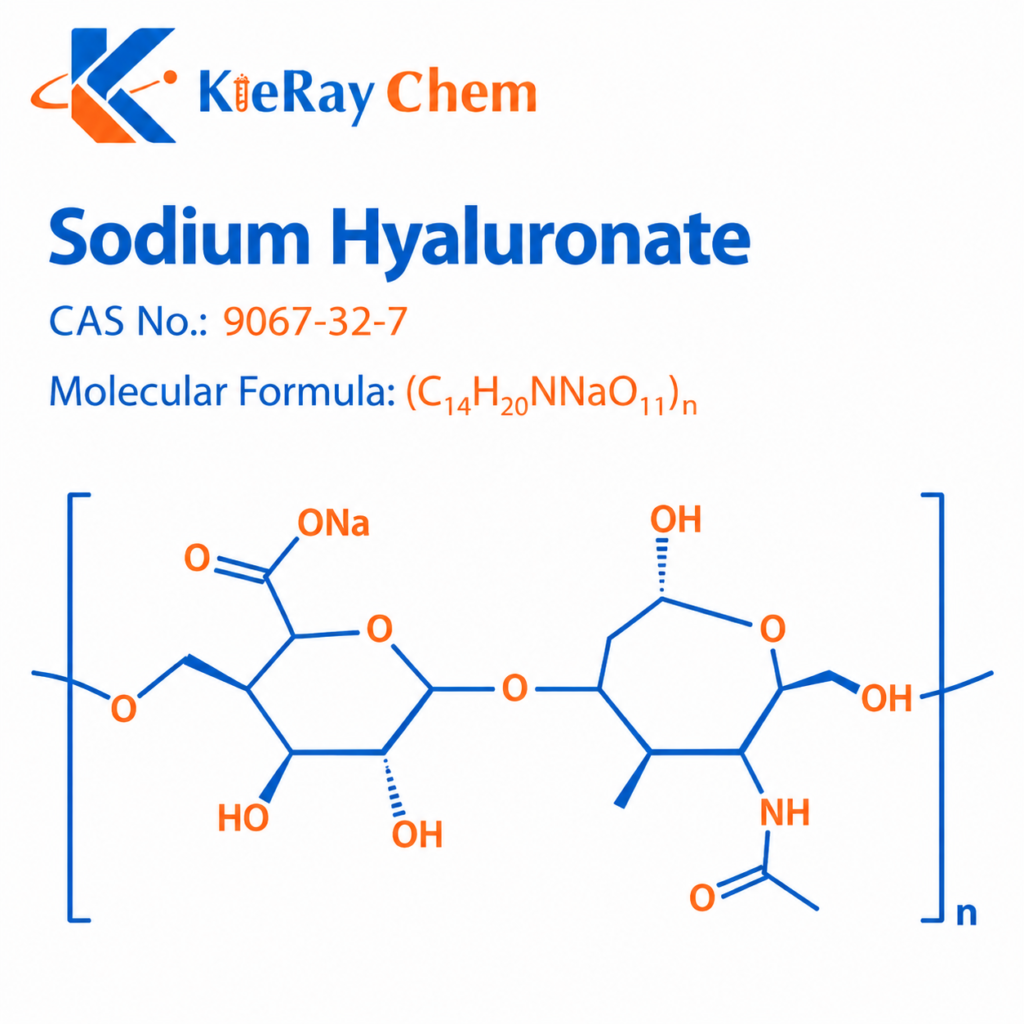
- INCI Name: Sodium Hyaluronate / Hydrolyzed Sodium Hyaluronate
- CAS Registry Number: 9067-32-7
1.2 Overview and Origin
Sodium Hyaluronate is the sodium salt form of hyaluronic acid (HA), a high-molecular-weight glycosaminoglycan naturally present throughout the human body’s extracellular matrix, particularly within the skin, joints, and connective tissues. Due to its exceptional hydrophilic (water-binding) properties, it stands as one of the most prominent, clinically proven, and reliable gold-standard hydrating ingredients in modern cosmetic formulations.
1.3 Core Mechanism and Efficacy Matrix
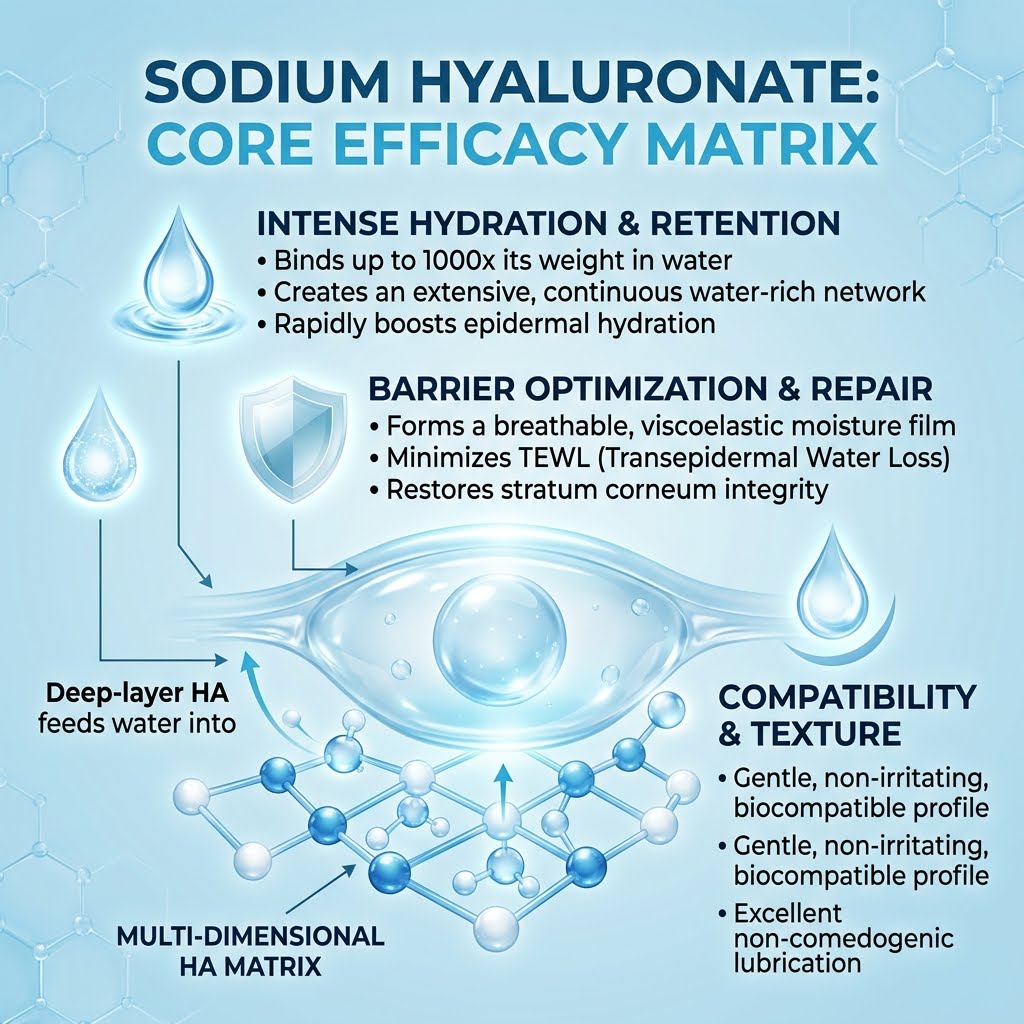
- Intense Hydration & Moisture Retention
A single molecule of Sodium Hyaluronate can bind up to hundreds of times its own weight in water. By creating an extensive water-rich network, it rapidly elevates skin hydration levels, effectively alleviating dryness, roughness, and makeup caking. - Skin Barrier Optimization & Repair
It forms a breathable, viscoelastic moisture film on the skin’s surface. This physical shield significantly minimizes transepidermal water loss (TEWL), strengthens the stratum corneum, and renders the skin barrier less prone to exogenous sensitivity and redness. - Excellent Formulation Compatibility
Characterized by its exceptionally gentle, non-irritating, and biocompatible profile, it is suitable for all skin types. It exhibits robust stability across various cosmetic delivery systems—including toners, serums, sheet masks, emulsions, creams, and concentrated ampoules.
1.4 Molecular Weight Dynamics
The biological activity and penetration depth of Sodium Hyaluronate are strictly governed by its molecular weight:
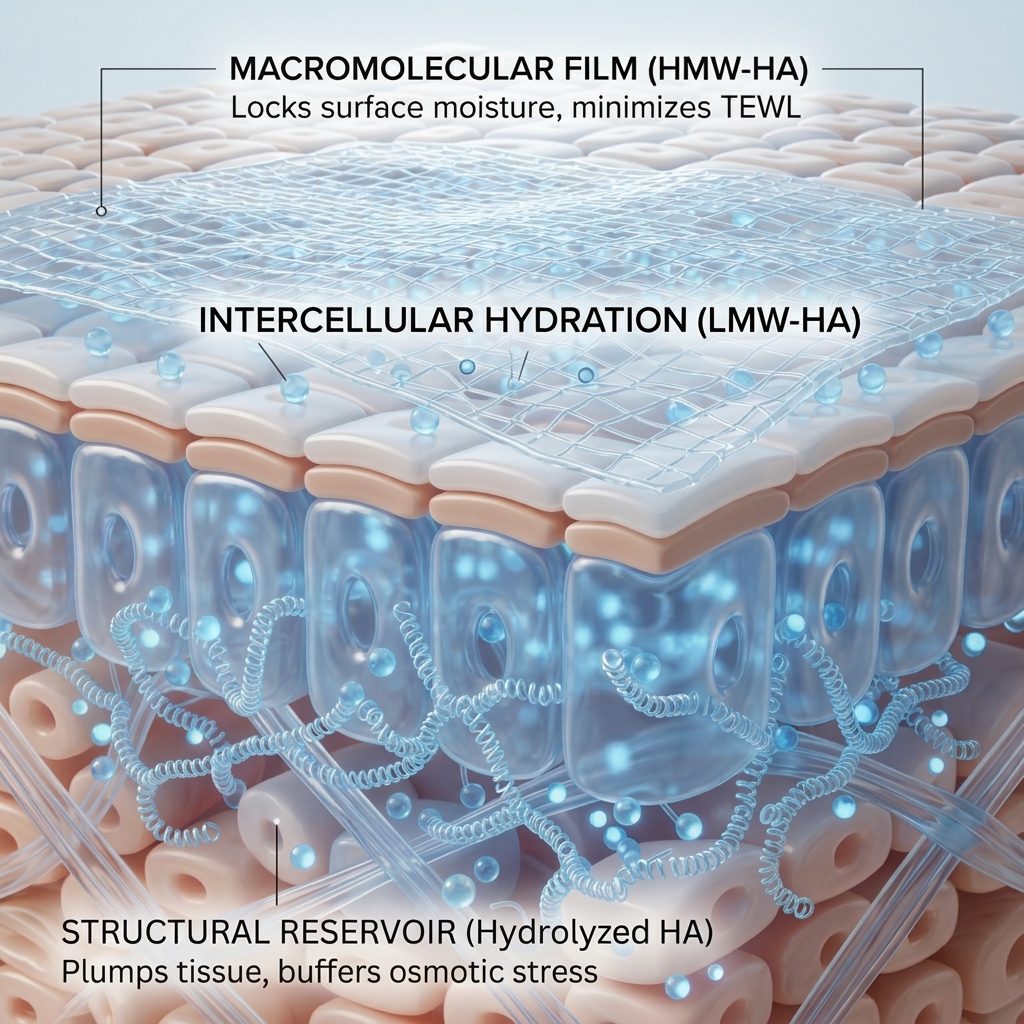
- High Molecular Weight (HMW) Sodium Hyaluronate: Resides on the uppermost layer of the stratum corneum to form a dense macromolecular film, locking in surface moisture and preventing dehydration.
- Low Molecular Weight (LMW) / Hydrolyzed Sodium Hyaluronate: Offers superior transdermal penetration, delivering targeted moisture into deeper epidermal layers to facilitate structural hydration.
- Multi-Molecular Weight Complexes: A synergistic blend of varying molecular sizes creates a comprehensive, 3D hydration network that simultaneously addresses surface water-locking and deep-layer replenishment.
1.5 Target Demographics & Skin Indications
- Dry & Combination-Dry Skin: Delivers continuous, intensive hydration to parched skin tissues.
- Oily & Combination-Oily Skin: Provides lightweight, fluid moisture without clogging pores (non-comedogenic).
- Sensitive & Compromised Skin Barriers: Offers gentle, biocompatible repair to soothe irritation.
- Seasonal Flaking & Makeup Instability: Acts as an immediate, fast-acting SOS hydration rescue.
Chapter 2: Commercial Specifications, Formulation Characteristics, and Applications
In the personal care industry, the selection of Sodium Hyaluronate is strictly governed by its commercial grading and molecular weight fractions. Raw material suppliers categorize and engineer specific grades of Sodium Hyaluronate to target distinct skin layers, satisfy product aesthetics, and address precise manufacturing requirements.
2.1 High Molecular Weight (HMW) Sodium Hyaluronate
2.1.1 Commercial Molecular Weight Ranges
- Standard HMW Grades: 1.0M Da – 1.8M Da (1.0 to 1.8 Million Daltons).
- Ultra-HMW Grades: > 1.8M Da – 2.2M Da (Typically found in premium, specialized raw materials engineered for long-lasting surface protection).
2.1.2 Product Applications and Category Scope
- Water-Based Delivery Systems: Hydrating toners, calming essences, and leave-on sheet masks, where it functions as a primary texture-enhancing and hydrating agent.
- Emulsion Systems: Rich face creams, dense night lotions, and body balms where it works synergistically with lipid phases to seal in ambient moisture.
- Color Cosmetics & Cleansers: Liquid foundations (to prevent caking and settling into fine lines), hydrating body washes, and nourishing shampoos (to mitigate surfactant-induced dryness).
- Recommended Usage Levels: 0.1% – 0.5% of active dry powder (often pre-dissolved into a 1% stock solution and incorporated into the batch at a concentration of 10% to 50%).
2.1.3 Formulation Characteristics and Challenges
- Physical Film-Forming (Occlusion): Forms a dense, viscoelastic macromolecular mesh on the stratum corneum. This temporary, breathable shield acts as a physical barrier that drastically minimizes Transepidermal Water Loss (TEWL).
- High Viscosity & Rheology Modification: Possesses extreme thickening capabilities. Even at a low threshold of 0.1%, it significantly builds product viscosity. At a 1% concentration in aqueous solutions, it develops a thick, jelly-like mucilage.
- Sensory Profile & Pilling Risks: Delivers an instant, lubricious, and high-end slip upon initial application. However, if overused (>0.5% active) or combined carelessly with large synthetic polymers (such as Carbomer or Xanthan Gum), it undergoes physical peeling or “pilling” upon drying.
- Shear Sensitivity: The delicate, extended polysaccharide chains are highly vulnerable to mechanical degradation. High-speed stirring or industrial homogenization will cleave the polymer chains, leading to a permanent drop in product viscosity. Consequently, it must be introduced during the post-cooling phase under low-shear mixing.
2.2 Low Molecular Weight (LMW) / Hydrolyzed Sodium Hyaluronate
To achieve deeper skin penetration, commercial suppliers segment lower molecular weights into distinct low, oligomeric, and micro-scale fractions.
2.2.1 Commercial Molecular Weight Ranges
- Standard LMW Grades: 10k Da – 500k Da (Common commercial distributions fall around 100k Da to 300k Da).
- Oligomeric / Hydrolyzed HA: 3k Da – 10k Da (Low-viscosity fragments structured for immediate skin uptake).
- Micro / Ultra-Low Hydrolyzed HA: ≤ 1k Da – 5k Da (Advanced transdermal fractions engineered for profound multi-layer penetration).
2.2.2 Product Applications and Category Scope
- High-Penetration Active Serums: Base serums, localized eye-wrinkle treatments, and high-potency ampoules demanding targeted deep-tissue hydration.
- Post-Procedure & Medical Skincare: Soothing mists and clinical recovery dressings formulated to replenish moisture within compromised cellular junctions.
- Recommended Usage Levels: 0.1% – 0.5% (Due to its zero-viscosity profile, it can be loaded at maximum limits in high-tier anti-aging or clinical formulations without affecting thickness).
2.2.3 Formulation Characteristics and Challenges
- Transdermal Penetration: Molecules falling under 10k Da bypass the physical limitations of the surface skin barrier. They travel via transcellular or intercellular pathways to distribute structural hydration within the living layers of the epidermis.
- Aqueous Rheology (Water-like Feel): Unlike HMW grades, LMW and Hydrolyzed variations do not alter product viscosity. A 1% aqueous solution remains completely fluid, matching the viscosity of pure water. This makes it perfect for lightweight, oil-free, and non-comedogenic formulations tailored for oily or acne-prone skin.
- Biological Signaling Considerations: Oligomeric fractions act as bioactive molecules that can trigger cellular pathways to synthesize endogenous HA and collagen. Formulation Note: In compromised or hypersensitive skin conditions, ultra-low fragments can occasionally act as pro-inflammatory signals if used in excessive isolation. To mitigate this risk in sensitive-skin products, formulators typically bundle it with HMW grades to anchor and buffer the ingredient.
- Physicochemical Stability: Highly resilient against mechanical shear forces, thermal processing, and mild pH fluctuations. It dissolves rapidly in water and is highly stable during hot-process manufacturing.
Chapter 3: Synergistic Pairings and Efficacy Matrix
To maximize the therapeutic potential of the Multi-Dimensional Sodium Hyaluronate Matrix established in Chapter 2, industrial formulators rarely use it in isolation. Because Sodium Hyaluronate primarily functions as a water-binding agent, pairing it with complementary active ingredients creates a synergistic cascade. These combinations optimize barrier repair, lock in deep-layer hydration, and enhance clinical efficacy.
Below are the globally recommended ingredient pairings, along with their molecular mechanisms and target clinical outcomes.
3.1 The Barrier Reconstruction Dynamic: HA Matrix + Ceramides
3.1.1 Mechanism of Synergy
While the High Molecular Weight (HMW) HA forms an external water-holding network, it lacks the lipid structures required to permanently seal the cellular matrix. Adding Ceramides (specifically Ceramides NP, AP, and EOP) replenishes the intercellular lipids of the stratum corneum. Together, they create a classic “Brick-and-Mortar” stabilization system where HA acts as the water-retaining mortar and ceramides function as the hydrophobic bricks.
3.1.2 Recommended Ratios & Grades
- HA Component: 0.15% HMW HA + 0.1% LMW HA
- Synergistic Active: 0.05% – 0.2% Ceramide Liposomal Blends (often combined with cholesterol and free fatty acids in a 3:1:1 physiological ratio).
3.1.3 Targeted Clinical Efficacy
- Dramatic, long-term reduction in Transepidermal Water Loss (TEWL).
- Acceleration of epidermal recovery post-chemical peels or retinoid-induced flaking.
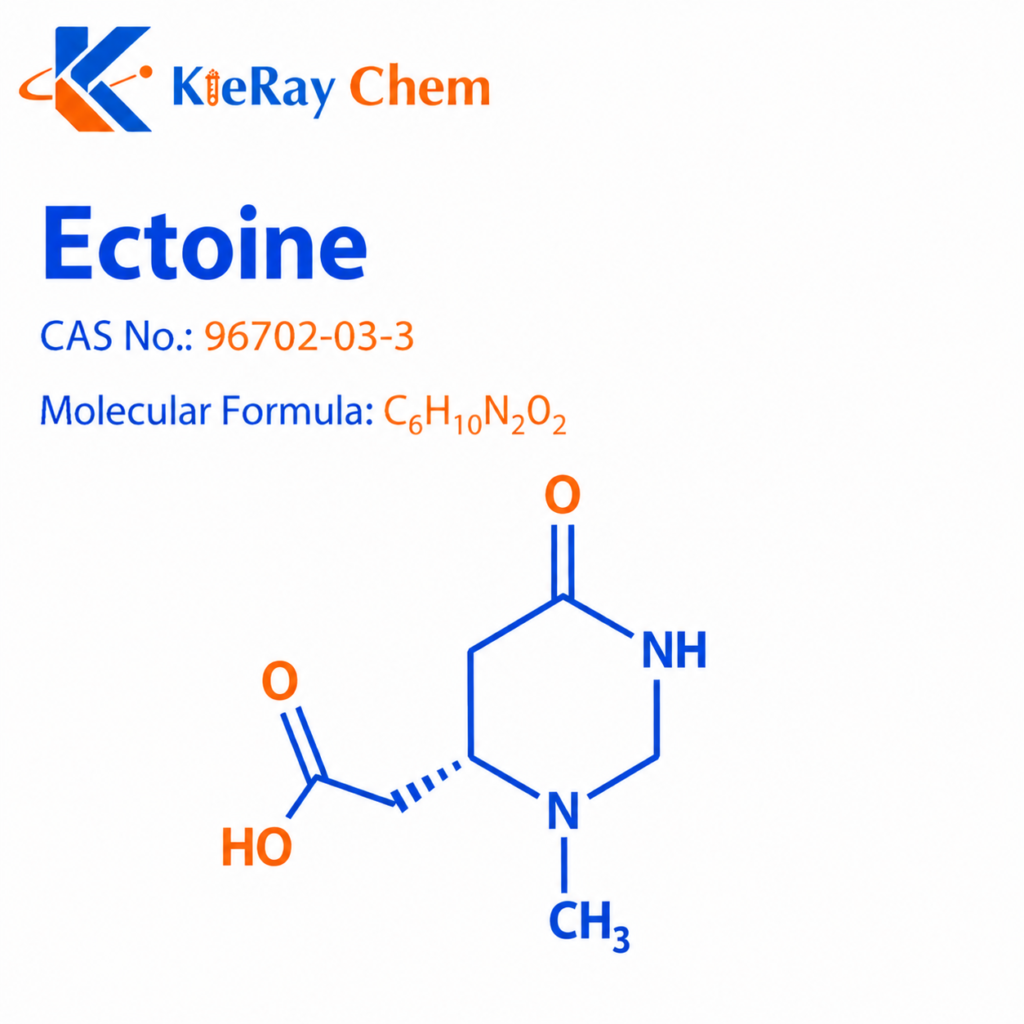
3.2 The Advanced Cellular Calming Complex: HA Matrix + Ectoin
3.2.1 Mechanism of Synergy
Low Molecular Weight (LMW) and Hydrolyzed HA penetrate deeply into the epidermis to deliver hydration, but sensitive or compromised skin requires additional protection against osmotic stress and environmental micro-irritation. Ectoin forms a highly stable “Ectoin-Water Complex” around cells, proteins, and cell membranes. When paired with the deep-penetrating Hydrolyzed HA, it stabilizes the cellular microenvironment and buffers any potential pro-inflammatory signaling from ultra-low molecular fragments.
3.2.2 Recommended Ratios & Grades
- HA Component: 0.2% Hydrolyzed/Oligomeric HA (<10k Da)
- Synergistic Active: 0.5% – 2.0% High-Purity Ectoin
3.2.3 Targeted Clinical Efficacy
- Instant SOS relief for seasonal erythema (redness), itching, and burning sensations.
- Strengthens the skin’s defenses against urban pollution, PM2.5, and UV-induced oxidative stress.
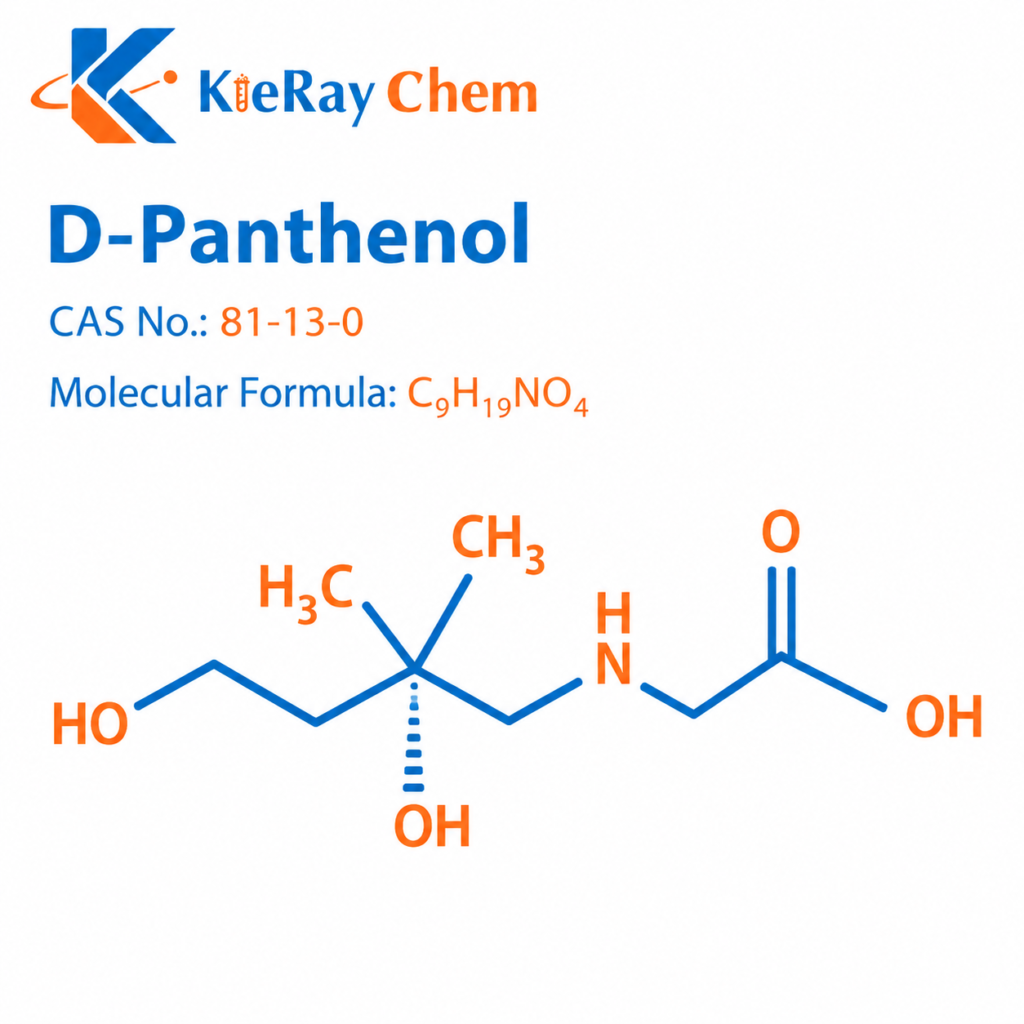
3.3 The Dynamic Intracellular Hydration Grid: HA Matrix + Vitamin B5 (Panthenol)
3.3.1 Mechanism of Synergy
This is the gold standard for pure, non-comedogenic hydration. While HMW HA anchors water on the skin’s surface, Panthenol (Pro-Vitamin B5) easily penetrates the skin barrier due to its small molecular structure. Once absorbed, it converts into pantothenic acid, stimulating fibroblast proliferation and increasing intracellular hydration. Panthenol acts as an internal moisture-booster, ensuring that the water bound by the LMW HA inside the epidermis is fully utilized for cellular repair.
3.3.2 Recommended Ratios & Grades
- HA Component: 0.1% HMW HA + 0.3% LMW/Oligomeric HA Matrix
- Synergistic Active: 1.0% – 5.0% D-Panthenol
3.3.3 Targeted Clinical Efficacy
- Plumps fine lines and eliminates makeup caking within minutes of application.
- Provides oil-free, lightweight moisture ideal for acne-prone skin types.
3.4 Summary Efficacy Matrix for Formulators
To guide your product development, the table below highlights how to choose the right pairing based on your target consumer’s skin concerns:
| Synergy Pairing | Primary Biological Action | Ideal Product Format | Target Skin Type / Indication |
|---|---|---|---|
| HA Matrix + Ceramides | Lipid replenishment + Surface moisture occlusion | Barrier Creams, Rich Emulsions | Dry, flaky, and severely compromised skin barriers |
| HA Matrix + Ectoin | Cellular membrane stabilization + Osmotic protection | Soothing Serums, Post-Procedure Mists | Hypersensitive, reactive, and redness-prone skin |
| HA Matrix + Panthenol | Multi-depth water binding + Fibroblast repair stimulation | Hydro-Gels, Light Ampoules, Clear Serums | Dehydrated-oily skin, seasonal flaking, cakey makeup |
Chapter 4: Industrial Manufacturing, Compounding Guidelines, and Formulation Pitfalls
When scaling up formulations containing a Multi-Dimensional Sodium Hyaluronate (HA) Matrix from lab to industrial production, formulators and process engineers face unique physical and chemical challenges. Due to its high molecular weight, specific rheological properties, and sensitivity to environmental conditions, improper processing can lead to permanent viscosity loss, product separation, or severe pilling.
This chapter outlines the critical compounding guidelines, compatibility requirements, and common manufacturing pitfalls.
4.1 Critical Compounding & Processing Guidelines
4.1.1 Pre-Dissolution and Hydration Protocols
High Molecular Weight (HMW) Sodium Hyaluronate powder is highly hydrophilic but tends to clump quickly, forming an outer hydrated shell that prevents water from reaching the dry center.
- Standard Operating Procedure (SOP): Never add HMW HA powder directly into a large-scale batch under standard mixing. Instead, pre-dissolve it to create a 1.0% aqueous stock solution.
- Process Optimization: Disperse the HA powder into a water-soluble glycol (such as Glycerin, Propylene Glycol, or Butylene Glycol) at a 1:3 to 1:5 ratio before adding water. This coats the particles, delaying hydration until they are evenly dispersed, which eliminates clumping and drastically reduces batch times.
4.1.2 Temperature Constraints
While Low Molecular Weight (LMW) and Hydrolyzed HA are thermally stable, HMW HA is highly sensitive to prolonged heat exposure.
- Guideline: Avoid keeping HMW HA at temperatures above 70°C for long periods, as heat can cause thermal hydrolysis and break down the polysaccharide chains.
- SOP: For hot-process emulsions (like creams and lotions), prepare the emulsion base at 75°C–80°C. Cool the batch down to 40°C–45°C (Post-Addition Phase) before introducing the pre-dissolved HA stock solution.
4.1.3 Shear Stress Management
The long-chain structures that give HMW HA its exceptional viscosity and smooth texture are highly vulnerable to mechanical stress.
- Guideline: High-shear homogenizers or colloid mills can mechanically tear the polymer chains apart, causing a permanent and irreversible drop in final product viscosity.
- SOP: Add the HA matrix during the final phase of production. Use low-speed anchor mixers or paddle agitators (< 100 RPM) to blend the solution into the batch without degrading its structure.
4.2 Chemical Compatibility and Incompatibilities
4.2.1 Cationic Surfactants and Conditioners (Incompatible)
Sodium Hyaluronate is an anionic (negatively charged) polymer.
- Mechanism: When combined with strongly cationic (positively charged) ingredients—such as Polyquaternium-10, Behentrimonium Methosulfate, or Cetrimonium Chloride—an immediate electrostatic neutralization occurs.
- Result: This creates an insoluble, rubbery precipitate or cloudy sediment, ruining the product’s clarity and stability.
4.2.2 High Electrolyte Content (Viscosity Suppression)
The extended chain structure of HA in water relies on electrostatic repulsion between its negative charges.
- Mechanism: High levels of electrolytes or mineral salts—such as Sodium Chloride, Zinc PCA, Magnesium Sulfate, or certain botanical extracts—shield these charges.
- Result: The polymer chains collapse into tight coils, causing a sharp drop in viscosity and turning a thick gel into a thin, watery fluid. If high electrolyte actives are necessary, use synthetic thickeners (like Ammonium Acryloyldimethyltaurate/VP Copolymer) to help maintain the gel structure.
4.2.3 pH Stability Windows
- Optimal Range: Sodium Hyaluronate performs best and remains most stable within a pH range of 5.5 to 7.5.
- Extreme Acidic Environments (pH < 4.0): Causes rapid acid hydrolysis, breaking down the HA chains into smaller fragments, which destroys the product’s viscosity and surface film-forming properties.
- Extreme Alkaline Environments (pH > 8.5): Causes deprotonation and alkaline degradation, altering the polymer’s behavior and reducing formulation stability.
4.3 Common Manufacturing Pitfalls & Corrective Actions
4.3.1 Pitfall 1: Product “Pilling” or Flaking Upon Application
- The Root Cause: Overloading HMW HA (> 0.5% active powder) or pairing it poorly with high percentages of Xanthan Gum or Carbomer. When the water evaporates on the skin, the excess polymers dry into a brittle film that flakes off like small scales when rubbed.
- Corrective Action: Cap the HMW HA concentration at 0.1% – 0.2% and use LMW or Hydrolyzed HA to provide the remaining hydration benefits. Balance the texture using lightweight synthetic rheology modifiers rather than heavy natural gums.
4.3.2 Pitfall 2: Cloudiness or Sedimentation in Clear Serums
- The Root Cause: Mixing anionic HA with cationic preservatives (like Polyaminopropyl Biguanide/PHMB) or style-holding polymers, or trying to dissolve HA in formulas containing more than 50% Ethanol without proper solubilizers.
- Corrective Action: Ensure all ingredients in clear serums are non-ionic or anionic. If you need to include alcohol, dissolve the HA completely in water first, then slowly add the alcohol under steady agitation to avoid shocking and precipitating the polymer.
4.3.3 Pitfall 3: Inconsistent Batch Viscosity (Thinning Over Time)
- The Root Cause: Adding HMW HA too early in the heating cycle or running industrial mixers at high speeds for too long, which breaks down the polymer chains during production.
- Corrective Action: Move the HA addition to the post-cooling phase (below 45°C). Use low-shear mixing and check the batch pH before introducing the HA to ensure it stays safely within the 5.5–7.5 range.