English | 中文 | Español

Industrial Grade

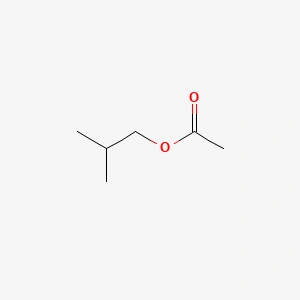
Isobutyl Acetate 110 19 0 Structure

Isobutyl Acetate

Isobutyl acetate, identified by CAS 110-19-0, is a clear, colorless liquid ester characterized by its distinct fruity, floral aroma, often compared to the scent of bananas or pears. As a structural isomer of n-butyl acetate, it offers a medium evaporation rate and excellent solvency for a wide range of resins, polymers, and oils. Its chemical
Isobutyl Acetate Read More »

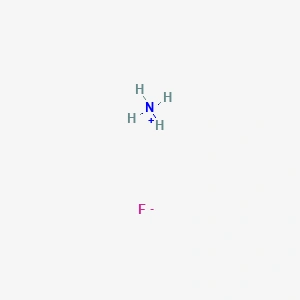
Ammonium Fluoride 12125 01 8 Structure

Ammonium fluoride

Ammonium fluoride, identified by CAS 12125-01-8, is an inorganic compound appearing as a white, deliquescent crystalline solid with a sharp, pungent odor. As the ammonium salt of hydrofluoric acid, it exhibits high solubility in water and forms slightly acidic solutions. This chemical is characterized by its reactivity and its tendency to decompose into ammonia and

Ammonium fluoride Read More »

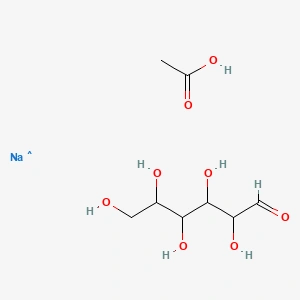
Carboxymethylcellulose Sodium 9004 32 4 Structure

Carboxymethylcellulose Sodium

Carboxymethylcellulose Sodium (CMC-Na), identified by CAS 9004-32-4, is a prominent anionic cellulose ether derived from natural cellulose through a chemical modification process involving chloroacetic acid. This water-soluble polymer is characterized by its ability to form highly viscous solutions even at low concentrations, making it an essential rheology modifier in various industrial formulations. It typically presents

Carboxymethylcellulose Sodium Read More »

Gamma Cyclodextrin 17465 86 0 Structure

Gamma-Cyclodextrin

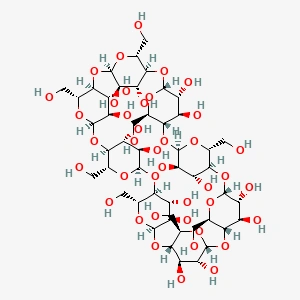
Gamma-Cyclodextrin, identified by CAS 17465-86-0, is a cyclic oligosaccharide composed of eight D-glucopyranosyl units linked by alpha-1,4-glycosidic bonds. Produced through the enzymatic conversion of starch, this macrocyclic molecule features a unique torus-shaped structure with a hydrophobic interior cavity and a hydrophilic exterior. Compared to its alpha and beta counterparts, the gamma variant possesses the largest

Gamma-Cyclodextrin Read More »

2 Ethoxyethanol 110 80 5 Structure

2-Ethoxyethanol

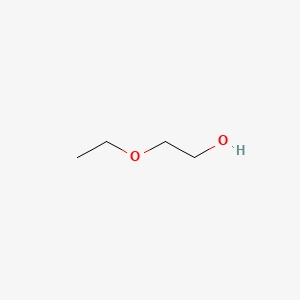
2-Ethoxyethanol, identified by CAS number 110-80-5, is a clear, colorless, and virtually odorless liquid belonging to the glycol ether family. It is characterized by its unique molecular structure, which combines the properties of an alcohol and an ether, granting it exceptional solvency for a wide range of substances. This compound is fully miscible with water

2-Ethoxyethanol Read More »

Sodium Fluoride 7681 49 4 Structure

Sodium Fluoride

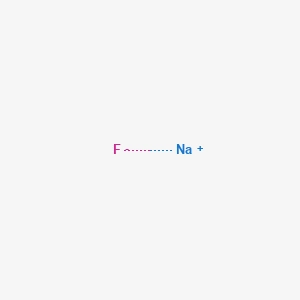
Sodium Fluoride, identified by CAS number 7681-49-4, is a versatile inorganic compound typically appearing as a white, odorless crystalline solid or powder. As a simple ionic salt composed of sodium and fluoride ions, it is highly soluble in water and serves as a primary source of fluoride for various industrial and laboratory applications. Its chemical

Sodium Fluoride Read More »

Aluminum Fluoride 7784 18 1 Structure

Aluminum Fluoride

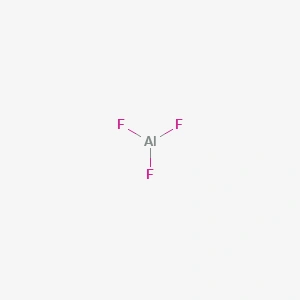
Aluminum fluoride (CAS 7784-18-1) is an inorganic compound primarily recognized as a white, crystalline solid. It is characterized by its high melting point and thermal stability, making it a vital component in high-temperature industrial processes. Chemically, it exists as a trihydrate or in anhydrous form, exhibiting low solubility in water and most organic solvents. Its

Aluminum Fluoride Read More »

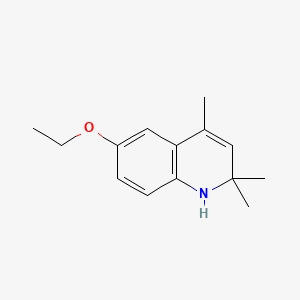
Ethoxyquin 91 53 2 Structure

Ethoxyquin

Ethoxyquin, identified by CAS number 91-53-2, is a quinoline-based antioxidant characterized by its chemical structure as 6-ethoxy-1,2-dihydro-2,2,4-trimethylquinoline. It typically appears as a viscous liquid ranging from clear yellow to dark amber. This compound is highly valued in industrial and research settings for its potent ability to inhibit the oxidation of lipids and fat-soluble vitamins, thereby

Ethoxyquin Read More »

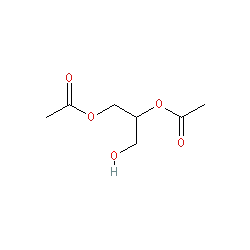
Diacetin 25395 31 7 Structure

Diacetin

Diacetin, also known as glycerol diacetate (CAS 25395-31-7), is a clear, colorless, and odorless liquid derived from the esterification of glycerol with acetic acid. It typically exists as a mixture of two isomers, 1,2-diacetin and 1,3-diacetin. Known for its hygroscopic nature and moderate viscosity, this compound serves as a versatile chemical intermediate and functional additive

Diacetin Read More »

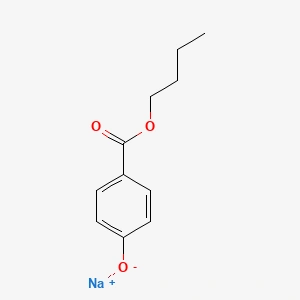
Sodium Butylparaben 36457 20 2 Structure

Sodium Butylparaben

Sodium Butylparaben, identified by CAS number 36457-20-2, is the water-soluble sodium salt of butyl p-hydroxybenzoate. It typically appears as a white, crystalline, hygroscopic powder that is highly soluble in aqueous systems, distinguishing it from its parent ester. This chemical acts as a potent broad-spectrum preservative, effectively inhibiting the growth of bacteria, yeasts, and molds across

Sodium Butylparaben Read More »

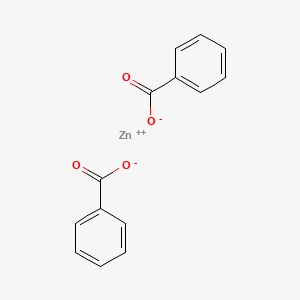
Zinc Benzoate 553 72 0 Structure

Zinc Benzoate

Zinc benzoate, identified by CAS number 553-72-0, is a white crystalline powder that serves as the zinc salt of benzoic acid. This compound is characterized by its stability and specific chemical reactivity, making it a versatile intermediate in various industrial processes. It is typically produced through the neutralization of benzoic acid with zinc oxide or

Zinc Benzoate Read More »

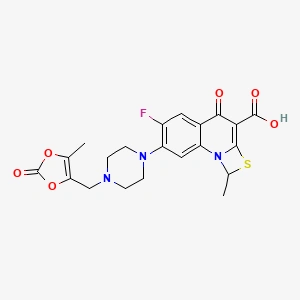
Prulifloxacin 123447 62 1 Structure

Prulifloxacin

Prulifloxacin, identified by CAS number 123447-62-1, is a synthetic broad-spectrum antibacterial agent belonging to the fluoroquinolone class. Structurally, it is a prodrug of ulifloxacin, featuring a thiazolo-oxoquine carboxylic acid framework. This chemical is valued in high-level laboratory settings for its specific inhibitory action against bacterial DNA synthesis. It typically presents as a crystalline solid and

Prulifloxacin Read More »

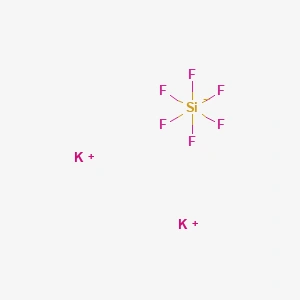
Potassium Hexafluorosilicate 16871 90 2 Structure

Potassium hexafluorosilicate

Potassium hexafluorosilicate, identified by CAS number 16871-90-2, is an inorganic chemical compound typically appearing as a white, odorless, and crystalline powder. It is the potassium salt of hexafluorosilicic acid and exhibits low solubility in cold water, though its solubility increases significantly in hot water. This compound is characterized by its stability under standard conditions but

Potassium hexafluorosilicate Read More »

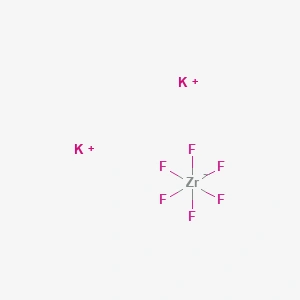
Potassium Hexafluorozirconate 16923 95 8 Structure

Potassium hexafluorozirconate

Potassium hexafluorozirconate, identified by CAS number 16923-95-8, is a stable inorganic salt appearing as a white crystalline powder. Chemically represented as K2ZrF6, this compound is characterized by its solubility in water, which increases significantly with temperature, and its role as a versatile source of both potassium and zirconium. It serves as a critical intermediate in

Potassium hexafluorozirconate Read More »

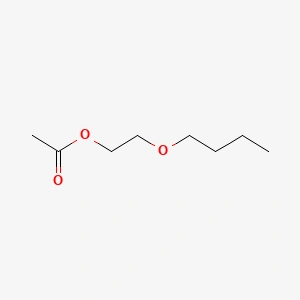
2 Butoxyethyl Acetate 112 07 2 Structure

2‑Butoxyethyl acetate

2-Butoxyethyl acetate, identified by CAS number 112-07-2, is a high-boiling glycol ether ester characterized by its slow evaporation rate and excellent solvency. As a colorless liquid with a mild, fruity odor, it serves as an essential component in various industrial formulations where controlled drying and film formation are critical. Its chemical structure combines the properties

2‑Butoxyethyl acetate Read More »

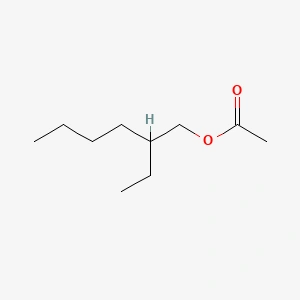
2 Ethylhexyl Acetate 103 09 3 Structure

2‑Ethylhexyl acetate

2-Ethylhexyl acetate, identified by CAS 103-09-3, is a high-boiling ester characterized by its clear liquid appearance and a distinctive, mild fruity aroma. As a derivative of 2-ethylhexanol and acetic acid, this compound exhibits a low rate of evaporation and excellent solvency for a wide range of organic materials. Its chemical stability and hydrophobic nature make

2‑Ethylhexyl acetate Read More »

REQUEST A QUOTE

Product Inquiry — Popup Form