English | 中文 | Español

Industrial Grade

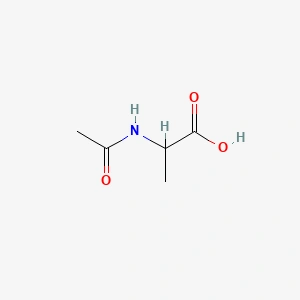
N Acetyl DL Alanine 1115 69 1 Structure

N-Acetyl-DL-alanine

N-Acetyl-DL-alanine, identified by CAS 1115-69-1, is a white crystalline powder that serves as a protected form of the amino acid alanine. Chemically, it is the N-acetyl derivative of DL-alanine, characterized by its solubility in aqueous and polar organic solvents. This compound is valued for its stability and its role as a versatile building block in

N-Acetyl-DL-alanine Read More »
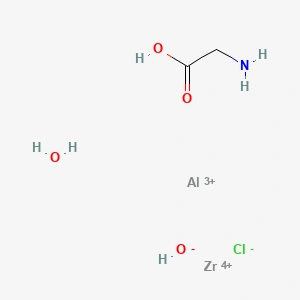
Aluminum Zirconium Octachlorohydrex Gly 125913 22 6 Structure

Aluminum zirconium octachlorohydrex gly

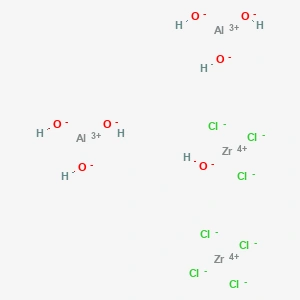
Aluminum zirconium octachlorohydrex gly, identified by CAS number 125913-22-6, is a sophisticated coordination complex that integrates aluminum and zirconium salts with glycine. This chemical entity is characterized by its high metal-to-chloride ratio, which enhances its efficacy compared to standard aluminum salts. It typically appears as a fine, white, hygroscopic powder or as a concentrated aqueous

Aluminum zirconium octachlorohydrex gly Read More »

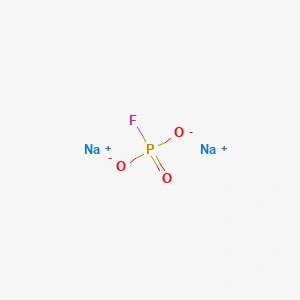
Sodium Monofluorophosphate 10163 15 2 Structure

Sodium monofluorophosphate

Sodium monofluorophosphate, identified by CAS number 10163-15-2, is an odorless, white inorganic salt that serves as a significant source of fluoride in various industrial and consumer formulations. Chemically characterized by the formula Na2PO3F, this compound is highly soluble in water and exhibits excellent stability under standard storage conditions. It is recognized for its ability to

Sodium monofluorophosphate Read More »

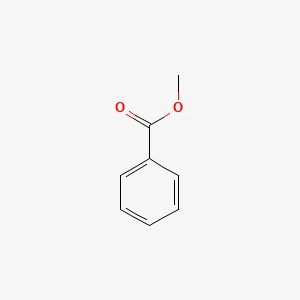
Methyl Benzoate 93 58 3 Structure

Methyl benzoate

Methyl benzoate, identified by CAS number 93-58-3, is a versatile organic ester characterized as a colorless, oily liquid with a distinctive, pleasant aroma. It is the methyl ester of benzoic acid and occurs naturally in various plants, including clove and ylang-ylang. Known for its high refractive index and characteristic balsamic, fruity scent, this compound serves

Methyl benzoate Read More »

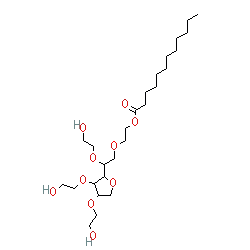
Polysorbate 60 9005 67 8 Structure

Polysorbate 60

Polysorbate 60, identified by CAS number 9005-67-8, is a versatile non-ionic surfactant and emulsifier widely utilized across various industrial sectors. Chemically, it is a polyoxyethylene derivative of sorbitan monostearate, characterized by its ability to stabilize oil-in-water emulsions. It typically appears as a lemon-colored to orange-colored waxy solid or paste, offering excellent solubility in water and

Polysorbate 60 Read More »

Hydroxypropyl Starch Phosphate Starch Hydrogen Phosphate 2 Hydroxypropyl Ether 53124 00 8 Structure

Hydroxypropyl starch phosphate (starch hydrogen phosphate 2‑hydroxypropyl ether)

Hydroxypropyl starch phosphate, identified by CAS number 53124-00-8, is a chemically modified starch derivative produced through the etherification and cross-linking of natural starch sources. This non-ionic polymer is characterized by its excellent stability and resistance to high shear, temperature fluctuations, and acidic environments. In its physical form, it is typically a fine, white to off-white

Hydroxypropyl starch phosphate (starch hydrogen phosphate 2‑hydroxypropyl ether) Read More »

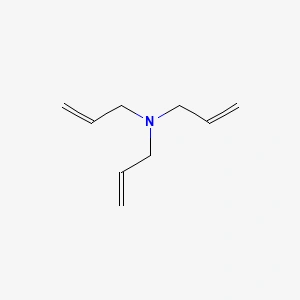
Triallylamine 102 70 5 Structure

Triallylamine

Triallylamine, identified by CAS 102-70-5, is a versatile tertiary amine characterized by three allyl functional groups attached to a central nitrogen atom. This clear to pale yellow liquid possesses a distinct, pungent amine odor and exhibits high reactivity due to its multiple unsaturated sites. Its unique chemical structure allows it to participate in various polymerization

Triallylamine Read More »

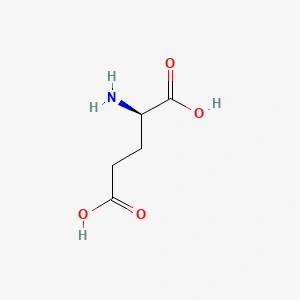
D Glutamic Acid 6893 26 1 Structure

D-Glutamic acid

D-Glutamic acid, identified by CAS number 6893-26-1, is the dextrorotatory enantiomer of the common proteinogenic amino acid L-glutamic acid. Unlike its more prevalent L-isomer, D-Glutamic acid is a non-proteinogenic amino acid that plays a specialized role in nature, most notably as a structural component in the peptidoglycan layer of bacterial cell walls. This distinct biological

D-Glutamic acid Read More »

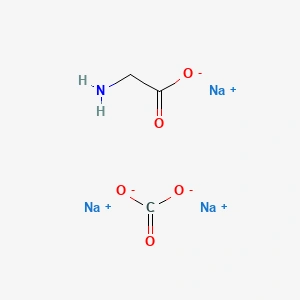
Trisodium 2 Aminoacetate Carbonate 50610 34 9 Structure

Trisodium 2-aminoacetate carbonate

Trisodium 2-aminoacetate carbonate, identified by CAS 50610-34-9, is a specialized alkaline salt derived from glycine and carbonate components. This compound typically presents as a white, water-soluble crystalline powder, characterized by its high purity and stable chemical structure. As a multi-functional reagent, it bridges the gap between simple amino acid salts and inorganic carbonates, offering unique

Trisodium 2-aminoacetate carbonate Read More »

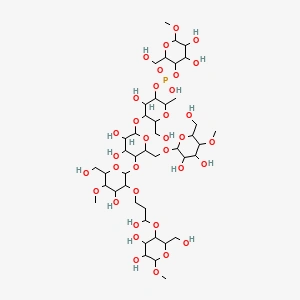
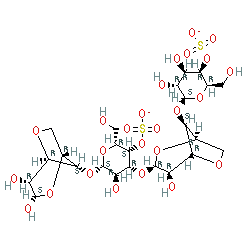
Sulfated Oligosaccharide 11114 20 8 Structure

Sulfated Oligosaccharide

Sulfated Oligosaccharide, identified by CAS 11114-20-8, represents a diverse class of anionic carbohydrates characterized by the presence of sulfate ester groups attached to the saccharide backbone. These compounds are typically derived from natural sources, such as marine algae, or through the controlled synthetic modification of oligosaccharides. Chemically, they exhibit high water solubility and a strong

Sulfated Oligosaccharide Read More »

Aluminum Zirconium Chlorohydrate 57158 29 9 Structure

Aluminum zirconium chlorohydrate

Aluminum zirconium chlorohydrate, identified by CAS 57158-29-9, is a high-performance inorganic compound widely utilized for its astringent and coagulating properties. It typically exists as a complex mixture of aluminum and zirconium salts, characterized by its ability to form stable aqueous solutions. The material is valued in industrial and chemical research for its unique ionic structure,

Aluminum zirconium chlorohydrate Read More »

Magnesium Fluoride 7783 40 6 Structure

Magnesium fluoride

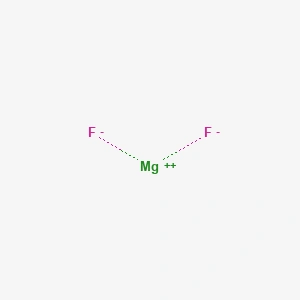
Magnesium fluoride, identified by CAS number 7783-40-6, is an inorganic compound appearing as a white, crystalline powder or as transparent crystals. This salt is characterized by its exceptional physical and chemical stability, remaining insoluble in water and most organic solvents while showing slight solubility in dilute acids. Its crystal structure is typically tetragonal, similar to

Magnesium fluoride Read More »

Strontium Fluoride 7783 48 4 Structure

Strontium fluoride

Strontium fluoride (CAS 7783-48-4) is a stable inorganic compound appearing as a white crystalline solid or fine powder. As a member of the alkaline earth halide family, it exhibits a high melting point and possesses a cubic crystal structure analogous to that of fluorite. It is characterized by its low solubility in water and exceptional

Strontium fluoride Read More »

Hydroxyapatite 1306 06 5 Structure

Hydroxyapatite

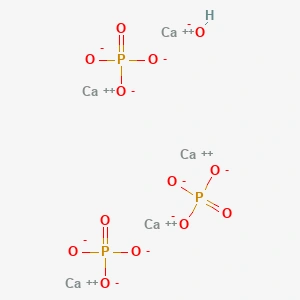
Hydroxyapatite, identified by CAS number 1306-06-5, is a naturally occurring mineral form of calcium apatite that serves as the primary inorganic component of vertebrate bone and tooth enamel. Chemically characterized by its crystalline structure and high calcium-to-phosphorus ratio, this material is highly valued for its exceptional biocompatibility and bioactivity. In its synthetic form, it typically

Hydroxyapatite Read More »

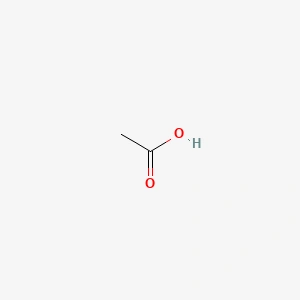
Acetic Acid 64 19 7 Structure

Acetic Acid

Acetic acid, identified by CAS 64-19-7, is a fundamental organic carboxylic acid characterized by its distinctive pungent odor and clear, colorless liquid state. In its concentrated form, often referred to as glacial acetic acid, it exhibits significant corrosive properties and requires stringent safety protocols during handling and storage. As a versatile chemical reagent, it serves

Acetic Acid Read More »

REQUEST A QUOTE

Product Inquiry — Popup Form