English | 中文 | Español

Industrial Grade

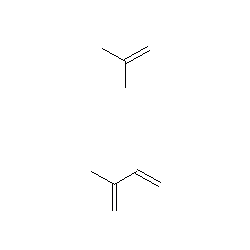
Butyl Rubber 9010 85 9 Structure

Butyl Rubber

Butyl rubber, chemically identified by CAS 9010-85-9, is a synthetic elastomer produced through the copolymerization of isobutylene with a small percentage of isoprene. This material is distinguished by its exceptional impermeability to gases and moisture, making it a critical component in applications requiring airtight seals. It exhibits high chemical stability, resistance to oxidation, and excellent
Butyl Rubber Read More »

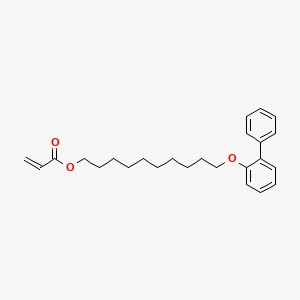
10 2 Phenylphenoxy Decyl Acrylate 1860787 65 0 Structure

10-(2-Phenylphenoxy)decyl Acrylate

10-(2-Phenylphenoxy)decyl Acrylate, identified by CAS 1860787-65-0, is a specialized monofunctional acrylate monomer characterized by its unique molecular architecture. It features a long aliphatic decyl chain that acts as a flexible spacer between the polymerizable acrylate group and a bulky, aromatic 2-phenylphenoxy moiety. This specific configuration allows the material to impart distinct physical properties to copolymer

10-(2-Phenylphenoxy)decyl Acrylate Read More »

Mussel Adhesive Proteins 3047117 55 2 Structure 1024x768

Mussel Adhesive Proteins

Mussel Adhesive Proteins (MAPs), identified by CAS 3047117-55-2, represent a specialized class of bio-polymers inspired by the natural secretions of marine mussels. These proteins are characterized by their unique molecular structure, which is rich in the amino acid 3,4-dihydroxyphenylalanine (DOPA). This specific composition enables the formation of strong, durable bonds on a wide variety of

Mussel Adhesive Proteins Read More »

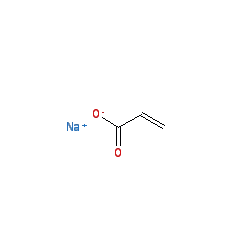
Sodium Polyacrylate 9003 04 7 Structure

Sodium Polyacrylate

Sodium polyacrylate, identified by CAS number 9003-04-7, is a versatile sodium salt of polyacrylic acid characterized by its high molecular weight and exceptional hydrophilic properties. Often referred to as a superabsorbent polymer, this chemical exists typically as a white, odorless powder or granular solid. Its unique molecular structure allows it to absorb and retain large

Sodium Polyacrylate Read More »

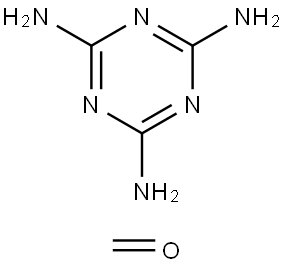
melamine formaldehyde resin 9003 08 1 structure

Melamine-formaldehyde resin

Melamine-formaldehyde resin, identified by CAS number 9003-08-1, is a versatile thermosetting polymer formed through the condensation polymerization of melamine and formaldehyde. This synthetic resin is characterized by its exceptional hardness, thermal stability, and resistance to chemical degradation and moisture. In its uncured state, it is often available as a fine white powder or a viscous

Melamine-formaldehyde resin Read More »

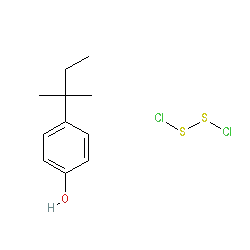
Hindered Phenolic Stabilizer 68555 98 6 Structure

Hindered Phenolic Stabilizer

CAS 68555-98-6, often identified as a reaction product of p-cresol, dicyclopentadiene, and isobutylene, is a high-performance hindered phenolic stabilizer. This polymeric antioxidant is characterized by its high molecular weight and low volatility, which contribute to its exceptional thermal stability and long-term effectiveness in various substrates. Its chemical structure is specifically engineered to scavenge free radicals,

Hindered Phenolic Stabilizer Read More »

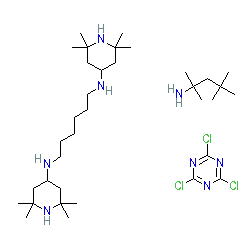
Hindered Amine Light Stabilizer 70624 18 9 Structure

Hindered Amine Light Stabilizer

CAS 70624-18-9 represents a high molecular weight hindered amine light stabilizer (HALS) widely utilized in the polymer industry. Characterized as a polymeric oligomer, this chemical agent is designed to provide exceptional long-term thermal stability and resistance to ultraviolet radiation. Its chemical structure, featuring multiple piperidinyl functional groups, allows it to effectively scavenge free radicals generated

Hindered Amine Light Stabilizer Read More »

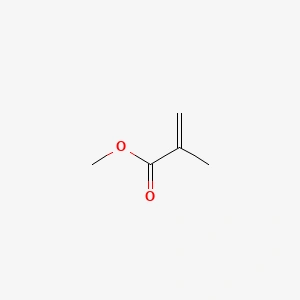
Methyl Methacrylate 80 62 6 Structure

Methyl Methacrylate

Methyl Methacrylate (MMA), identified by CAS number 80-62-6, is a clear, colorless, and volatile liquid organic compound. As the methyl ester of methacrylic acid, it serves as a critical monomer in the polymer industry. It is characterized by its distinct acrid odor and its ability to undergo rapid polymerization when exposed to light, heat, or

Methyl Methacrylate Read More »

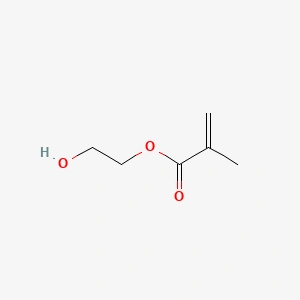
2 Hydroxyethyl Methacrylate HEMA 868 77 9 Structure

2-Hydroxyethyl Methacrylate (HEMA)

2-Hydroxyethyl Methacrylate, commonly referred to as HEMA (CAS 868-77-9), is a versatile functional monomer characterized by its dual-functional structure. As a clear, colorless liquid, it features a polymerizable methacrylic group and a reactive hydroxyl group. This unique configuration allows it to bridge the gap between hydrophobic polymer backbones and hydrophilic environments, making it a critical

2-Hydroxyethyl Methacrylate (HEMA) Read More »

Polyethyleneimine 9002 98 6 Structure

Polyethyleneimine

Polyethyleneimine (PEI), identified by CAS 9002-98-6, is a versatile cationic polymer characterized by a high density of amino groups along its molecular backbone. Available in both linear and branched architectures, this polymer is highly water-soluble and possesses a significant positive charge density. Its chemical structure, composed of repeating ethyleneimine units, allows for robust electrostatic interactions

Polyethyleneimine Read More »

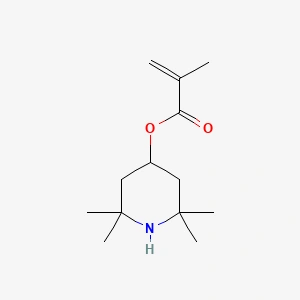
2 2 6 6 Tetramethyl 4 Piperidyl Methacrylate 31582 45 3 Structure

2,2,6,6-Tetramethyl-4-piperidyl Methacrylate

2,2,6,6-Tetramethyl-4-piperidyl Methacrylate, often identified by CAS 31582-45-3, is a specialized monomer that combines a reactive methacrylate group with a hindered amine light stabilizer (HALS) structural unit. This dual-functional molecule serves as a critical building block in the synthesis of high-performance polymers that require intrinsic resistance to ultraviolet radiation. By incorporating the HALS moiety directly into

2,2,6,6-Tetramethyl-4-piperidyl Methacrylate Read More »

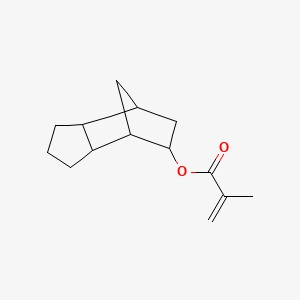
Dicyclopentanyl Methacrylate 34759 34 7 Structure

Dicyclopentanyl Methacrylate

Dicyclopentanyl Methacrylate, identified by CAS number 34759-34-7, is a specialty monofunctional monomer featuring a bulky, rigid alicyclic dicyclopentanyl group attached to a methacrylate backbone. This unique structure distinguishes it from conventional linear alkyl methacrylates, providing a high glass transition temperature and a high refractive index. It typically appears as a clear, low-viscosity liquid and is

Dicyclopentanyl Methacrylate Read More »

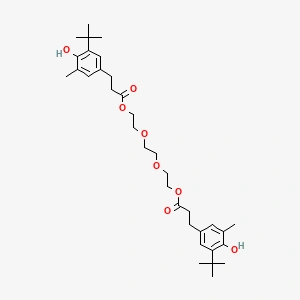
Irganox 245 36443 68 2 Structure

Irganox 245

Irganox 245, identified by CAS number 36443-68-2, is a high-performance sterically hindered phenolic antioxidant widely utilized in the polymer industry. Chemically known as triethylene glycol bis(3-tert-butyl-4-hydroxy-5-methylphenyl)propionate, it serves as a primary stabilizer to protect organic substrates against thermo-oxidative degradation. Its molecular structure provides excellent thermal stability and low volatility, making it particularly effective during high-temperature

Irganox 245 Read More »

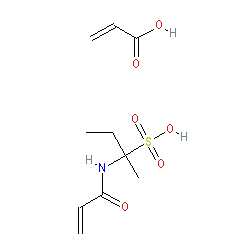
Acrylic Sulfonic Acid Copolymer 40623 75 4 Structure

Acrylic Sulfonic Acid Copolymer

Acrylic Sulfonic Acid Copolymer, identified by CAS 40623-75-4, is a high-performance synthetic polymer widely utilized for its exceptional scale inhibition and dispersing capabilities. This copolymer typically integrates carboxylic acid and sulfonic acid functional groups, which provide it with superior thermal stability and a high tolerance for calcium ions. Its chemical structure allows it to remain

Acrylic Sulfonic Acid Copolymer Read More »

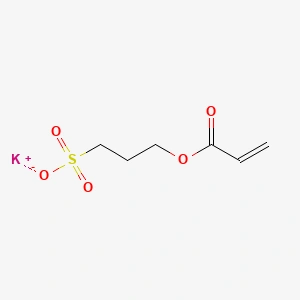
Potassium 3 Sulfopropyl Acrylate 31098 20 1 Structure

Potassium 3-Sulfopropyl Acrylate

Potassium 3-Sulfopropyl Acrylate, identified by CAS number 31098-20-1, is a highly functional anionic monomer that integrates a reactive acrylate group with a hydrophilic sulfonic acid potassium salt. This unique chemical architecture facilitates its participation in free-radical polymerization, allowing for the seamless incorporation of ionic sites into various polymer backbones. As a crystalline solid, it exhibits

Potassium 3-Sulfopropyl Acrylate Read More »

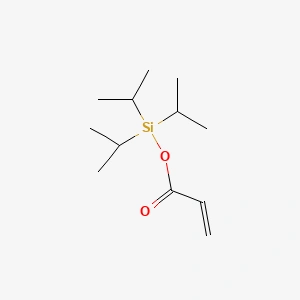
Triisopropylsilyl Acrylate 157859 20 6 Structure

Triisopropylsilyl acrylate

Triisopropylsilyl acrylate, identified by CAS number 157859-20-6, is a specialized organosilicon monomer characterized by the presence of a bulky triisopropylsilyl (TIPS) group esterified with acrylic acid. This unique molecular architecture imparts significant steric hindrance, which distinguishes it from simpler silyl acrylates by providing enhanced hydrolytic stability and specific reactivity profiles. In its pure form, it

Triisopropylsilyl acrylate Read More »

REQUEST A QUOTE

Product Inquiry — Popup Form