English | 中文 | Español

Industrial Grade

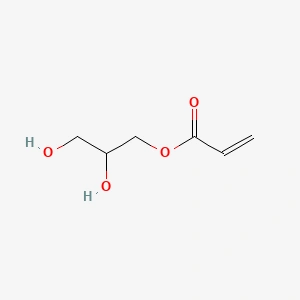
23 Dihydroxypropyl Acrylate 10095 20 2 Structure

2,3-Dihydroxypropyl acrylate

2,3-Dihydroxypropyl acrylate, identified by CAS 10095-20-2, is a versatile hydrophilic monomer characterized by the presence of a reactive acrylate group and two pendant hydroxyl groups. As a derivative of glycerol, this compound offers a unique combination of polymerizability and polarity, making it a valuable building block in the synthesis of specialized functional polymers. Its molecular

2,3-Dihydroxypropyl acrylate Read More »
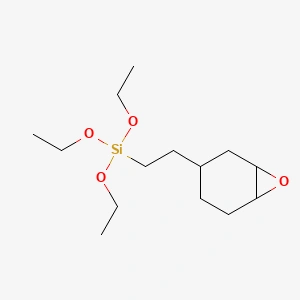
2 34 Epoxycyclohexylethyltriethoxysilane 10217 34 2 Structure

2-(3,4-Epoxycyclohexyl)ethyltriethoxysilane

2-(3,4-Epoxycyclohexyl)ethyltriethoxysilane, identified by CAS number 10217-34-2, is a high-performance bifunctional organosilane coupling agent. It features a reactive cycloaliphatic epoxy group and three hydrolyzable ethoxy groups. This unique chemical structure allows the molecule to bridge the gap between organic polymers and inorganic substrates, significantly enhancing the interfacial adhesion in composite materials. Unlike standard glycidoxy-functional silanes, the

2-(3,4-Epoxycyclohexyl)ethyltriethoxysilane Read More »

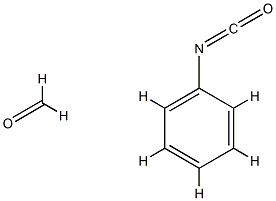
Phenol Formaldehyde Resin 9003 35 4 Structure

Phenol-formaldehyde resin

Phenol-formaldehyde resin, identified by CAS 9003-35-4, is a foundational synthetic polymer produced through the condensation polymerization of phenol and formaldehyde. These resins are broadly classified into two categories: novolacs, which are acid-catalyzed and require a curing agent, and resols, which are base-catalyzed and self-curing. As a thermosetting material, it is characterized by its exceptional dimensional

Phenol-formaldehyde resin Read More »

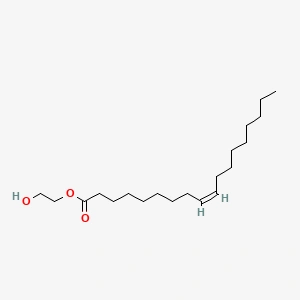
Polyethylene Glycol Monooleate 9004 96 0 Structure

Polyethylene glycol monooleate

Polyethylene glycol monooleate, identified by CAS number 9004-96-0, is a versatile non-ionic surfactant synthesized through the esterification of polyethylene glycol with oleic acid. This chemical raw material is characterized by its amphiphilic nature, possessing both a hydrophilic polyoxyethylene chain and a lipophilic fatty acid tail. Its physical state, ranging from a viscous liquid to a

Polyethylene glycol monooleate Read More »

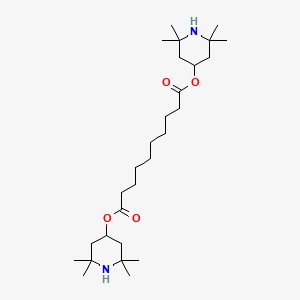
Bis2266 Tetramethyl 4 Piperidyl Sebacate 52829 07 9 Structure

Bis(2,2,6,6-tetramethyl-4-piperidyl) sebacate

Bis(2,2,6,6-tetramethyl-4-piperidyl) sebacate, identified by CAS 52829-07-9, is a high-performance hindered amine light stabilizer (HALS) essential for the preservation of organic polymers. Functioning as a radical scavenger, it effectively inhibits the photo-oxidative degradation pathways triggered by exposure to ultraviolet radiation. The molecule is characterized by its low molecular weight and high mobility within polymer matrices, which

Bis(2,2,6,6-tetramethyl-4-piperidyl) sebacate Read More »

polymeric mdi 9016 87 9 structure

Polymeric MDI

Polymeric Methylene Diphenyl Diisocyanate (PMDI), identified by CAS 9016-87-9, is a complex mixture of diphenylmethane diisocyanate isomers and higher molecular weight oligomers. It typically appears as a dark brown, viscous liquid at room temperature. PMDI is a vital precursor in the polyurethane industry, valued for its low volatility and high reactivity compared to monomeric MDI.

Polymeric MDI Read More »

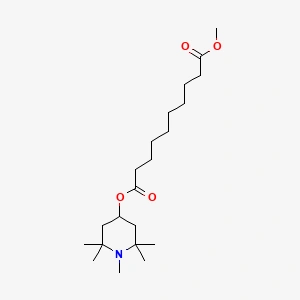
Methyl 12266 Pentamethyl 4 Piperidyl Sebacate 82919 37 7 Structure

Methyl 1,2,2,6,6-pentamethyl-4-piperidyl sebacate

Methyl 1,2,2,6,6-pentamethyl-4-piperidyl sebacate, identified by CAS number 82919-37-7, is a high-performance liquid hindered amine light stabilizer (HALS). This organic compound is characterized by its methylated piperidine structure, which provides enhanced stability and compatibility compared to non-methylated alternatives. It typically appears as a clear to slightly yellowish liquid, offering excellent solubility in a wide range of

Methyl 1,2,2,6,6-pentamethyl-4-piperidyl sebacate Read More »

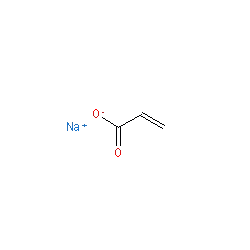
Polyacrylic Acid 9003 01 4 Structure

Polyacrylic acid

Polyacrylic acid (PAA), identified by CAS 9003-01-4, is a versatile synthetic polymer derived from acrylic acid monomers. As a high-molecular-weight anionic electrolyte, it is characterized by its significant water solubility and its ability to undergo various degrees of neutralization. In its aqueous form, the polymer chain expands due to electrostatic repulsion between carboxylate groups, leading

Polyacrylic acid Read More »

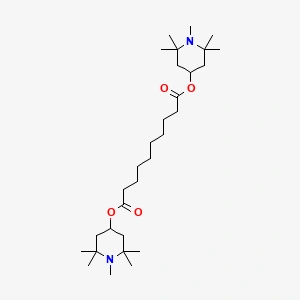
Bis12266 Pentamethyl 4 Piperidyl Sebacate 41556 26 7 Structure

Bis(1,2,2,6,6-pentamethyl-4-piperidyl) sebacate

Bis(1,2,2,6,6-pentamethyl-4-piperidyl) sebacate, identified by CAS number 41556-26-7, is a high-performance hindered amine light stabilizer (HALS) widely utilized in the polymer and coatings industries. This chemical compound appears as a clear to slightly yellowish liquid and is characterized by its low volatility and excellent compatibility with various organic substrates. Its chemical structure, featuring methylated piperidyl groups,

Bis(1,2,2,6,6-pentamethyl-4-piperidyl) sebacate Read More »

Methylhydrosiloxane Dimethylsiloxane Copolymer 68037 59 2 Structure 1024x768

Methylhydrosiloxane-dimethylsiloxane copolymer

Methylhydrosiloxane-dimethylsiloxane copolymer, identified by CAS 68037-59-2, is a versatile functional silicone fluid featuring reactive silicon-hydrogen (Si-H) bonds integrated into a polydimethylsiloxane backbone. This chemical structure provides a unique combination of the inertness and stability associated with standard silicones and the high reactivity necessary for chemical modification and crosslinking. It typically appears as a clear, low-viscosity

Methylhydrosiloxane-dimethylsiloxane copolymer Read More »

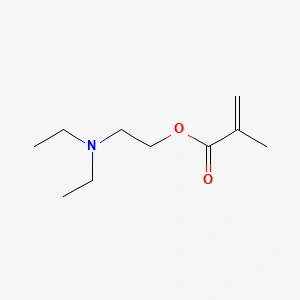
2 Diethylaminoethyl Methacrylate 105 16 8 Structure

2-(Diethylamino)ethyl methacrylate

2-(Diethylamino)ethyl methacrylate, commonly identified by CAS number 105-16-8, is a versatile amino-functional monomer characterized by its dual functionality. It features a polymerizable methacrylate group alongside a tertiary amine moiety, which imparts unique chemical reactivity and basicity to the resulting polymers. As a clear liquid ester, it serves as a critical building block in the synthesis

2-(Diethylamino)ethyl methacrylate Read More »

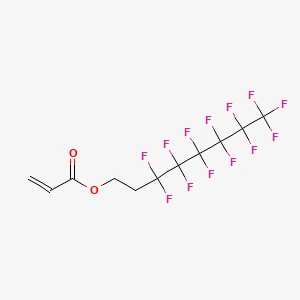
1H1H2H2H Perfluorooctyl Acrylate 17527 29 6 Structure

1H,1H,2H,2H-Perfluorooctyl acrylate

1H,1H,2H,2H-Perfluorooctyl acrylate, also known by its CAS number 17527-29-6, is a specialized fluorinated monomer characterized by a long perfluoroalkyl chain attached to an acrylate functional group. This clear, colorless liquid is primarily utilized as a building block in the synthesis of high-performance polymers and surface-active agents. Due to the presence of the perfluorinated tail, it

1H,1H,2H,2H-Perfluorooctyl acrylate Read More »

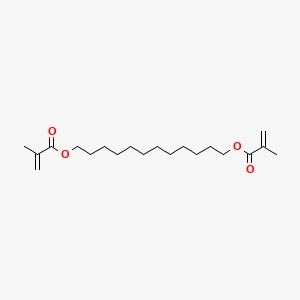
112 Dodecanediol Dimethacrylate 72829 09 5 Structure

1,12-Dodecanediol dimethacrylate

1,12-Dodecanediol dimethacrylate, identified by CAS 72829-09-5, is a high-performance bifunctional monomer characterized by its long, linear aliphatic chain. This hydrophobic dimethacrylate serves as an effective cross-linking agent in various polymer systems, offering a unique balance of flexibility and chemical resistance. Its molecular structure, consisting of a twelve-carbon spacer between two reactive methacrylate groups, allows for

1,12-Dodecanediol dimethacrylate Read More »

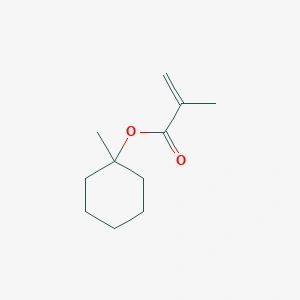
1 Methylcyclohexyl Methacrylate 76392 14 8 Structure

1-Methylcyclohexyl methacrylate

1-Methylcyclohexyl methacrylate, identified by CAS 76392-14-8, is a specialized acrylic monomer characterized by its bulky alicyclic side chain. This structure imparts unique physical properties to the resulting polymers, most notably a high glass transition temperature and excellent thermal stability. As a clear, liquid monomer, it is primarily utilized in radical polymerization processes to develop high-performance

1-Methylcyclohexyl methacrylate Read More »

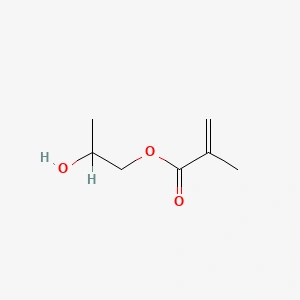
2 Hydroxypropyl Methacrylate 923 26 2 Structure

2-Hydroxypropyl methacrylate

2-Hydroxypropyl methacrylate (HPMA) is a clear, colorless liquid monomer characterized by its dual functionality, possessing both a polymerizable vinyl group and a reactive hydroxyl group. This unique structure makes it a versatile building block in polymer chemistry, enabling the synthesis of copolymers with tailored chemical and physical properties. It is typically stabilized with inhibitors to

2-Hydroxypropyl methacrylate Read More »

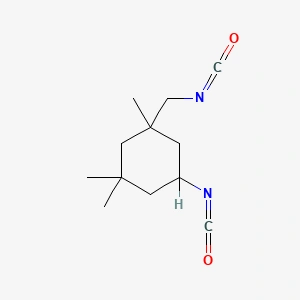
Isophorone Diisocyanate 4098 71 9 Structure

Isophorone diisocyanate

Isophorone diisocyanate (IPDI), identified by CAS 4098-71-9, is a high-performance cycloaliphatic diisocyanate widely utilized in the production of specialized polyurethane systems. It is characterized by its clear, liquid state at room temperature and possesses two distinct isocyanate groups with differing reactivity levels. This unique chemical structure allows for precise control during polymerization, making it a

Isophorone diisocyanate Read More »

REQUEST A QUOTE

Product Inquiry — Popup Form