English | 中文 | Español

Chemical Products

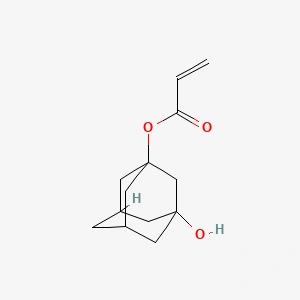
3-Hydroxy-1-adamantyl acrylate

3-Hydroxy-1-adamantyl acrylate, identified by CAS number 216581-76-9, is a specialized monomer that integrates the robust, three-dimensional structure of the adamantane cage with a reactive acrylate functional group. This unique molecular architecture provides a high degree of thermal stability and mechanical rigidity, which are highly sought after in advanced material science. The presence of the hydroxyl

3-Hydroxy-1-adamantyl acrylate Read More »
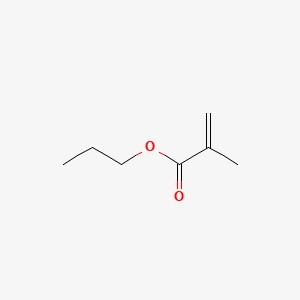
n-Propyl methacrylate

n-Propyl methacrylate, identified by CAS number 2210-28-8, is a clear, colorless liquid ester derived from methacrylic acid. As a versatile monomer, it is characterized by its ability to undergo radical polymerization, forming polymers with specific physical properties that bridge the gap between methyl and butyl methacrylates. Its molecular structure provides a balance of flexibility and

n-Propyl methacrylate Read More »

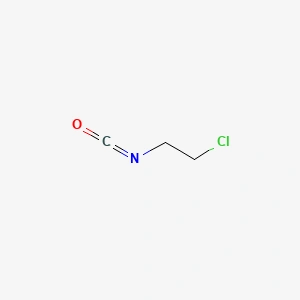
2-Chloroethyl isocyanate

2-Chloroethyl isocyanate, identified by CAS number 1943-83-5, is a versatile and highly reactive organic intermediate characterized by the presence of both an isocyanate functional group and a terminal chlorine atom on an ethyl chain. This bifunctional nature makes it an essential building block in synthetic chemistry, as it allows for sequential or simultaneous reactions at

2-Chloroethyl isocyanate Read More »

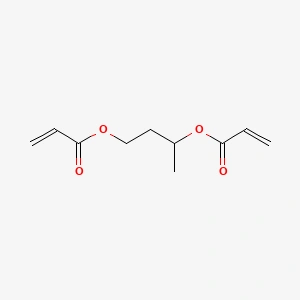
1,3-Butanediol diacrylate

1,3-Butanediol diacrylate, identified by CAS number 19485-03-1, is a bifunctional monomer widely utilized in radiation-curable systems due to its efficient reactive properties. As a clear, low-viscosity liquid, it functions effectively as a reactive diluent, facilitating the adjustment of formulation viscosity without compromising the final performance of the cured material. Its chemical structure, featuring two acrylate

1,3-Butanediol diacrylate Read More »

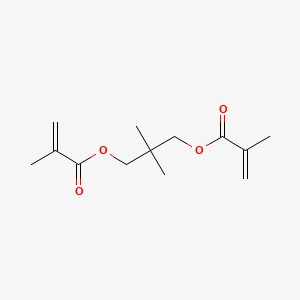
Neopentyl glycol dimethacrylate

Neopentyl glycol dimethacrylate, identified by CAS 1985-51-9, is a low-viscosity, difunctional methacrylic monomer characterized by its unique branched structure. As a clear, colorless liquid, it exhibits excellent stability and low volatility, making it a preferred choice for various polymerization processes. The presence of two reactive methacrylate groups allows it to function as an efficient cross-linking

Neopentyl glycol dimethacrylate Read More »

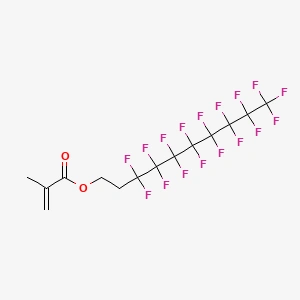
2-(Perfluorooctyl)ethyl methacrylate

2-(Perfluorooctyl)ethyl methacrylate, identified by CAS number 1996-88-9, is a high-performance fluorinated monomer characterized by its long perfluorinated alkyl chain and reactive methacrylate functional group. This clear, colorless liquid serves as a critical building block in the synthesis of specialized fluoropolymers. Its unique molecular structure imparts exceptional chemical stability and significantly reduces the surface energy of

2-(Perfluorooctyl)ethyl methacrylate Read More »

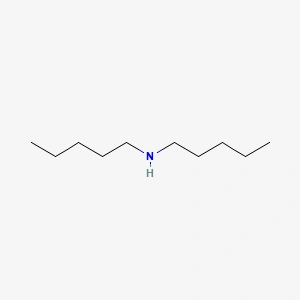
Dipentylamine

Dipentylamine, identified by CAS number 2050-92-2, is a secondary aliphatic amine characterized by two five-carbon pentyl chains attached to a central nitrogen atom. Also referred to as diamylamine, this compound typically appears as a colorless to pale yellow liquid with a distinct, pungent ammoniacal odor. It exhibits the typical reactivity of secondary amines, serving as

Dipentylamine Read More »

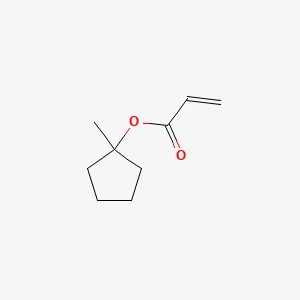
1-Methylcyclopentyl acrylate

1-Methylcyclopentyl acrylate, identified by CAS 178889-49-1, is a specialized acrylate monomer featuring a tertiary alicyclic ester group. This colorless to pale yellow liquid is characterized by its unique bulky structure, which imparts specific physical and chemical properties to the resulting polymers. As a member of the acrylate family, it exhibits high reactivity under radical polymerization

1-Methylcyclopentyl acrylate Read More »
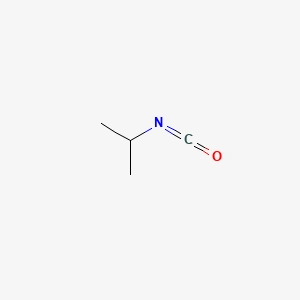
Isopropyl isocyanate

Isopropyl isocyanate, identified by CAS number 1795-48-8, is a highly reactive organic compound belonging to the isocyanate functional group. It typically presents as a colorless to slightly yellowish liquid characterized by a sharp, pungent odor. As a low molecular weight aliphatic isocyanate, it exhibits significant volatility and flammability, requiring stringent handling protocols and specialized storage

Isopropyl isocyanate Read More »

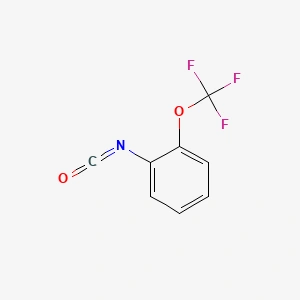
2-(Trifluoromethoxy)phenyl isocyanate

2-(Trifluoromethoxy)phenyl isocyanate, identified by CAS 182500-26-1, is a specialized organofluorine building block characterized by the presence of both a highly reactive isocyanate functional group and a trifluoromethoxy substituent at the ortho position of the benzene ring. This unique structural configuration imparts distinct electronic properties and lipophilicity, making it a valuable intermediate in sophisticated organic synthesis.

2-(Trifluoromethoxy)phenyl isocyanate Read More »

Phenethyl isocyanate

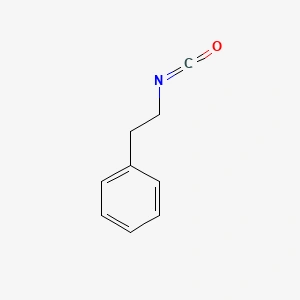
Phenethyl isocyanate, identified by CAS number 1943-82-4, is a versatile organic building block characterized by its reactive isocyanate functional group attached to a phenethyl moiety. This clear to pale yellow liquid serves as a crucial intermediate in the synthesis of various carbamates, ureas, and heterocyclic compounds. Its chemical structure, featuring an ethyl bridge between the

Phenethyl isocyanate Read More »

Ethyl 2-(bromomethyl)acrylate

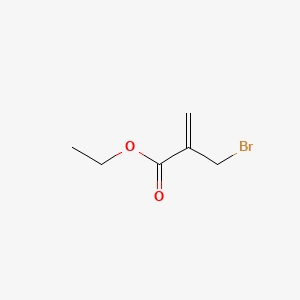
Ethyl 2-(bromomethyl)acrylate, identified by CAS number 17435-72-2, is a versatile and highly reactive organic building block characterized by the presence of both an allylic bromide group and an alpha,beta-unsaturated ester moiety. This bifunctional nature allows it to participate in a wide range of chemical transformations, making it a valuable reagent in modern synthetic chemistry. Physically,

Ethyl 2-(bromomethyl)acrylate Read More »

Ethyl 3-benzoylacrylate

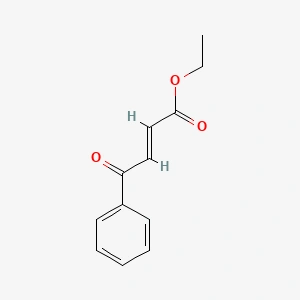
Ethyl 3-benzoylacrylate, identified by CAS number 17450-56-5, is a versatile organic compound characterized by its alpha,beta-unsaturated keto-ester structure. As a derivative of 3-benzoylacrylic acid, this molecule features a benzoyl group conjugated with an acrylate moiety, making it a highly reactive intermediate in various chemical transformations. Its structural profile allows it to participate in a wide

Ethyl 3-benzoylacrylate Read More »

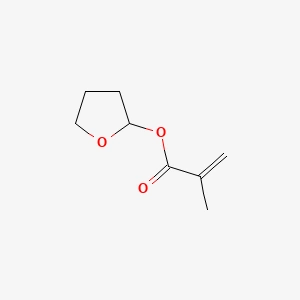
2-Tetrahydrofuranyl methacrylate

2-Tetrahydrofuranyl methacrylate, identified by CAS number 15895-80-4, is a specialized monofunctional monomer featuring a methacrylate group attached to a tetrahydrofuranyl ring. This chemical is characterized by its unique acetal-like structure, which imparts specific reactivity profiles compared to standard alkyl methacrylates. As a clear, liquid monomer, it is valued in advanced material science for its ability

2-Tetrahydrofuranyl methacrylate Read More »

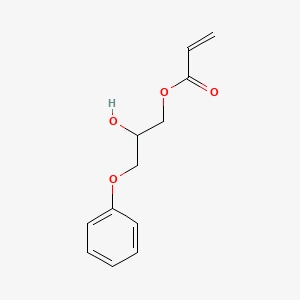
2-Hydroxy-3-phenoxypropyl acrylate

2-Hydroxy-3-phenoxypropyl acrylate, identified by CAS number 16969-10-1, is a specialized monofunctional acrylate monomer characterized by the presence of both a hydroxyl group and a phenoxy ether linkage. This chemical structure imparts a unique balance of polarity and aromatic character, making it a versatile building block in polymer chemistry. As a clear to pale yellow liquid,

2-Hydroxy-3-phenoxypropyl acrylate Read More »

REQUEST A QUOTE

Product Inquiry — Popup Form